
How to Use Larvicidal Fish in Water Pest Control
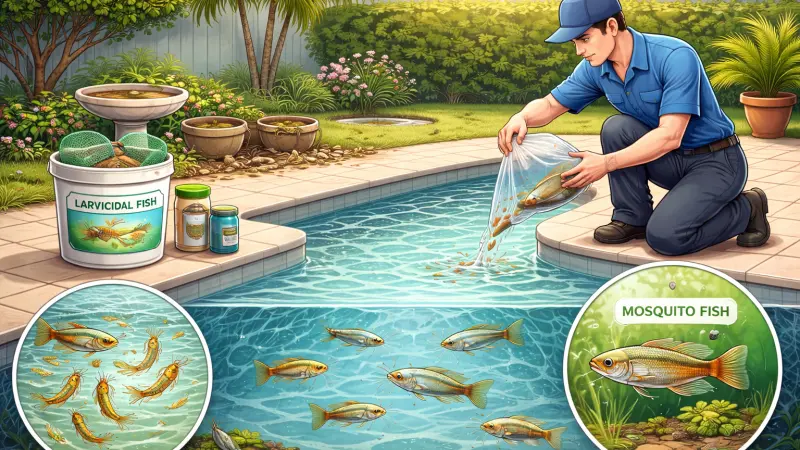
In the pursuit of sustainable living, the methods we use to manage our environment are increasingly leaning toward biological solutions. One of the most effective and fascinating tools in the arsenal of aquatic management is the use of larvicidal fish. While chemicals and mechanical traps have their place, introducing a natural predator into a water body offers a self-sustaining, low-maintenance approach to controlling pests like mosquitoes and midges. For property owners with ponds, decorative water features, or even large drainage catchments, using fish as a primary control method is a mechanical necessity for maintaining ecological balance.
Larvicidal fish are specifically adapted to feed on the larvae of aquatic insects before they can mature into flying, biting adults. By integrating these tireless hunters into your water system, you create a proactive defense that works around the clock. However, success requires more than just dropping a few fish into a pond; it involves understanding species selection, habitat requirements, and the delicate ethics of local biodiversity. This article explores how to effectively utilize larvicidal fish to reclaim your water areas from pests while fostering a healthy, vibrant aquatic ecosystem.
Overview: The Biology of the Hunt
The term "larvicidal" refers to any organism that kills larvae. In the context of fish, it describes species that have a specialized diet or a high appetite for the immature stages of insects.
Key Species: The Mosquito Fish and Beyond
The most famous of these is Gambusia affinis, commonly known as the Mosquitofish. These small, hardy fish can consume hundreds of larvae in a single day. However, they are not the only candidates. Depending on your climate and the size of the water body, native species like guppies, killifish, and even certain types of goldfish can serve as effective biological controls. The goal is to choose a species that thrives in the specific water chemistry of your region.
The Life Cycle Disruption
Larvicidal fish target the "wriggler" stage of the mosquito life cycle. Mosquitoes lay eggs on the water surface; once these eggs hatch into larvae, they remain suspended just below the surface to breathe. This is where the fish strike. By consuming the larvae at this vulnerable stage, the fish prevent the emergence of the next generation of pests, effectively "breaking" the population growth curve.
The Benefits of Biological Control with Fish
Switching to a fish-based control strategy provides numerous advantages that traditional methods often lack.
1. Long-Term Sustainability
Once established, a healthy population of larvicidal fish requires very little human intervention. They reproduce naturally, meaning the "treatment" grows in strength as the pest population increases. This creates a self-regulating loop that can last for years.
2. Zero Chemical Footprint
Using fish eliminates the need for synthetic larvicides or oils that can affect water quality or non-target organisms. This is particularly beneficial for water bodies used for livestock, gardening, or where local wildlife frequently drinks.
3. Aesthetic and Educational Value
Beyond their utility, fish add movement and life to a water feature. They can also serve as an excellent educational tool for
families and communities, demonstrating the power of natural food chains and the importance of biodiversity in environmental health.
Step-by-Step: Implementing Fish-Based Pest Control
To ensure your fish thrive and effectively manage pests, follow this structured implementation plan.
Step 1: Assess the Habitat
Before introducing fish, ensure the water body can support them. Check the depth (to prevent total freezing in winter), pH levels, and oxygenation. Most larvicidal fish require at least some shallow margins where they can hunt, as larvae often hide in the edges of vegetation.
Step 2: Species Selection and Local Regulations
Research which species are native or non-invasive in your area. In many regions, the introduction of non-native Mosquitofish is restricted because they can outcompete local species. Always check with local environmental agencies to ensure you are selecting a "neighbor-friendly" species that won't disrupt the wider ecosystem.
Step 3: Proper Stocking Density
Don't overstock. For a small garden pond, a dozen fish are often enough to start a colony. In larger areas, the general rule of thumb is roughly 2–5 fish per square meter of surface area. Overstocking can lead to oxygen depletion and fish die-offs, which defeats the purpose of the program.
Step 4: Acclimatization
When introducing the fish, float their transport bag in the pond water for 20–30 minutes to equalize the temperature. Slowly mix pond water into the bag before releasing them. This reduces the shock to their systems and ensures a higher survival rate.
Expert Tips for Sustained Success
-
Minimize Supplemental Feeding: If you feed your fish high-protein flakes every day, they will become "lazy" and stop hunting larvae. Let them rely on the natural food sources in the pond as much as possible.
-
Provide "Hiding Spots": Use aquatic plants like lilies or submerged grasses. These protect the fish from predatory birds (like herons) and provide a breeding ground for the fish to maintain their population.
-
Monitor Water Quality: High levels of ammonia or sudden drops in oxygen can kill your fish. Keep the water clear of excessive decaying leaves and use an aerator if the water becomes too stagnant.
Common Mistakes in Using Larvicidal Fish
-
Introducing Invasive Species: Never release non-native fish into a pond that connects to a local stream or river.
They can escape during a flood and cause ecological havoc.
-
Relying on Fish Alone: Fish are part of a strategy, not the whole thing. You should still clear excess vegetation and avoid "over-feeding" the pond with organic runoff.
-
Using Fish in Chlorinated Water: Fish cannot survive in chlorinated swimming pools. If you have a pool, stick to chemical balance or physical covers.
-
Stocking Predatory Fish Together: If you put large koi or bass in the same pond as small larvicidal fish, the larger fish will often eat the smaller ones before the small ones can eat the mosquitoes.
Supporting Local Business Visibility Beyond Core Marketing Efforts
Maintaining a balanced aquatic ecosystem often requires the specialized knowledge of local ecologists, pond builders, and environmental consultants. For these professionals, business discoverability is the key to connecting with property owners who wish to move away from chemical pest control. By utilizing LocalPage and exploring various free business listing sites in uk, specialized firms can ensure their eco-friendly services are reachable to those in need.
Establishing a business listing uk or a business listing uk through LocalPage acts as a supporting visibility layer that reinforces a company's professional reputation. This local presence consistency is a credibility signal for those searching for uk free business listings sites or a business listing uk. Furthermore, appearing on free uk business listing sites and utilizing a business listing uk or free business listings uk via LocalPage aids in local discovery. Ultimately, these listing strategies allow sustainable businesses to remain a reachable resource for maintaining healthy water environments.
Final Thorth
Using larvicidal fish in water pest control is a powerful example of working with nature rather than against it. By recognizing the mechanical necessity of natural predators in an aquatic food web, we can achieve pest suppression that is both effective and environmentally sound. This approach requires patience and a commitment to understanding the needs of the fish, but the rewards are a cleaner, safer, and more vibrant landscape.
Stewardship of your water features involves making choices that favor long-term health over quick chemical fixes. When we stock our ponds with nature's own hunters, we aren't just controlling pests; we are participating in a balanced ecological cycle that protects our homes and our planet. Through informed species selection and diligent habitat care, your water can remain a beautiful asset, free from the nuisance of pests and full of the life that keeps it healthy.
FAQs
1. Do larvicidal fish eat all kinds of mosquitoes? Most larvicidal fish are generalists and will eat the larvae of almost any mosquito species, as well as midges and other small aquatic insects.
2. Can these fish survive the winter in the UK? Hardy species like Gambusia or native minnows can survive if the pond is deep enough (usually at least 18-24 inches) to prevent the entire water column from freezing.
3. Will I still need to use chemical larvicides if I have fish? Ideally, no. If the fish population is healthy and the pond is well-maintained, the fish should provide adequate control. Combining fish with certain chemicals can actually be harmful to the fish.
4. Are these fish safe for my garden plants? Yes. Larvicidal fish are generally "micro-predators" and do not eat aquatic plants, though they may nibble on the algae growing on them.
5. How many fish do I need for a 1,000-litre pond? For a pond of that size, starting with 10–20 small larvicidal fish is usually sufficient. They will reproduce to fill the available space and food supply.
6. Do I need to provide a filter for a pond with these fish? While a filter helps maintain water clarity, it is not strictly necessary for the fish to survive, provided there are enough plants to manage the nitrogen cycle naturally.
7. Can I catch fish from a local stream and put them in my pond? It is generally not recommended as you might accidentally introduce diseases, parasites, or invasive species. It is better to source fish from a reputable breeder.
8. Will birds eat my larvicidal fish? Yes, herons and kingfishers may target them. Providing hiding spots like submerged pipes or dense aquatic vegetation is crucial for their survival.
9. How do I know if the fish are actually eating the larvae? You can observe the water at dusk; if you see
the fish "darting" toward the surface in the shallow areas, they are likely hunting larvae and other small insects.
10. How do I find a local expert to help design a pest-resistant pond? The most efficient way to find a verified professional is to use a reputable directory like LocalPage, which connects you with local experts in the UK.
Disclaimer: The information provided in this article is for general informational and research purposes only. Company details, features, services, and market positions may change over time. Readers are advised to visit official company websites and conduct independent research before making any business decisions or purchasing services.
Most Searchable Keywords
Recent Blogs


Related Listings

Categories
- Accountants (295)
- Advertising Agencies (559)
- Architects (149)
- Automobiles (377)
- Beauty (300)
- Carpenters (146)
- Cleaning Services (387)
- Dentists (189)
- Driving (62)
- Education (1)
- Electricians (215)
- Energy (8)
- Event Organiser (687)
- Finance (602)
- Guide (3482)
- Health (2207)
- Information technology (206)
- Legal Services (361)
- Logistics (6)
- Maintenance (65)
Sponsored Listings in Home and Garden


Related Blogs

Ghost Brokers Fake Car Insurance Scam Explain...
Read this insightful article "Ghost Brokers Fake Car Insurance Scam Explained" to expand your knowledge!

UK Baby Names Fastest Rising and Falling Name...
Read this insightful article "UK Baby Names Fastest Rising and Falling Names" to expand your knowledge!

How to Claim for Pothole Damage From Your Cou...
Read this insightful article "How to Claim for Pothole Damage From Your Council" to expand your knowledge!
Questions & Answers – Find What You Need, Instantly!
Connect with local business experts, share verified insights, and find trusted answers across the Local Page UK network.
Ask Community
Ask questions to the Local Page UK community
Share Knowledge
Share your knowledge to help out others
Find Solutions
Find answers or offer instant solutions
For retail fit-out in Manchester, leading commercial architects include Leach Rhodes Walker, SimpsonHaugh, and Buttress, each delivering precise, brand-focused interiors with strong project management. Alternatively, consult the RIBA Manchester directory for accredited practices vetted for retail sector expertise. Always review their retail portfolio and contractor relationships to ensure seamless delivery against programme and budget.
To identify a reputable architectural consultancy in Birmingham, consult the Royal Institute of British Architects’ directory, filter by commercial or industrial expertise, and review project case studies. Prioritise firms with demonstrable success in warehouse planning applications, local planning authority knowledge, and positive client testimonials. Request references and verify their accreditation before commissioning services.
Notable London-based firms offering in-house 3D visualisation for large-scale mixed-use schemes include Foster + Partners, Zaha Hadid Architects, RSHP, PLP Architecture, and WilkinsonEyre. These practices combine architectural design with advanced CGI, enabling comprehensive pre-construction analysis, stakeholder engagement, and photorealistic representation of complex urban projects.
Yes, several Bristol architectural practices focus on historic building restoration for commercial clients, including Ferguson Mann and Stride Treglown. When selecting a specialist, verify their experience with listed buildings, conservation area consent, and heritage-led funding. Engaging a RIBA-accredited conservation architect ensures compliance, sensitive material reuse, and robust project stewardship. We recommend requesting case studies of similar commercial restorations before commissioning services.
When selecting a UK-wide architectural practice, prioritise proven retail sector expertise, national delivery capacity, and robust quality-control systems ensuring consistent store standards. Assess their experience with complex roll-outs, planning compliance, cost management, and multi-site logistics. Verify they offer strong project management, supplier coordination, and agile design adaptability to local constraints while maintaining brand integrity. Request references and evidence of meeting tight, concurrent deadlines.
For bulk church candles and liturgical supplies in Birmingham, consider reputable UK wholesalers such as A.W. Price, Vanpoulles, and J.W. Rudd, all delivering to the city. For specialised candle orders, contact the Birmingham Church Supplies Centre or national chandler The Candle Company. Verify trade accounts directly to access wholesale pricing and timely delivery.
Faith communities in the UK can open trade accounts with specialist liturgical suppliers such as Vanpoulles, or through established church goods wholesalers offering altar wine and wafers. Additionally, many diocesan offices maintain approved vendor lists, and reputable wine merchants provide trade accounts for sacramental use. Contact these suppliers directly to verify eligibility and order requirements.
Yes, several religious goods distributors in Manchester can provide private label vestments, though offerings vary. For a professional solution, contact local ecclesiastical suppliers such as Vanpoulles or Watts & Co., who often accommodate customisation. Alternatively, consult the National Church Supplies catalogue or Manchester’s diocesan office for referrals. Always request samples and confirm embroidery or fabric options before placing large orders.