
Clothing & Fabric Manufacturing: Materials, Processes & Quality Standards
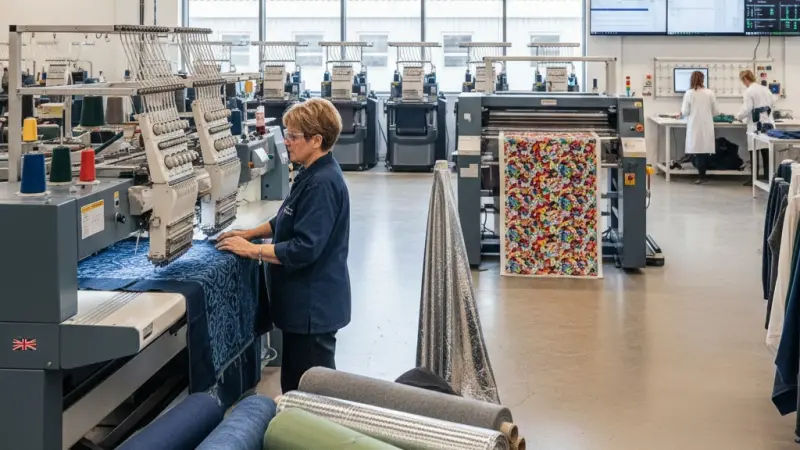
The United Kingdom has a storied history in the realm of textile and garment production, a legacy that stretches from the Industrial Revolution to the cutting-edge fashion tech hubs of today. The sector, encompassing Clothing & Fabrics – Mnfrs, remains a cornerstone of the British economy, contributing billions in Gross Value Added (GVA) and supporting hundreds of thousands of jobs across the supply chain. Despite global competition, the UK manufacturing sector has seen a significant resurgence, driven by a renewed appreciation for "British Made" quality, the rise of sustainable "slow fashion," and the logistical necessity of near-shoring.
In the contemporary landscape, clothing and fabric manufacturing is no longer just about mass production; it is about precision engineering, creative design, and ethical transparency. From the high-end ateliers of London to the historic textile mills of West Yorkshire and Lancashire, the industry is a diverse tapestry of small-scale artisanal workshops and large-scale industrial facilities. For professionals and consumers alike, navigating this sector requires a deep understanding of materials, the intricacies of modern production lines, and the rigorous quality standards that define British excellence.
The economic importance of this sector extends beyond the factory floor. It fuels a massive retail ecosystem and provides a vital platform for British designers to showcase global innovation. However, for these businesses to thrive in an increasingly digital world, they must bridge the gap between traditional craftsmanship and modern discoverability. Leveraging a high-quality uk business directory is no longer optional; it is a strategic requirement for staying relevant in a marketplace that begins with a search query. As we delve into this guide, we will explore the evolution of this industry and the technical benchmarks that keep it at the forefront of global fashion.
The Landscape of Clothing & Fabrics – Mnfrs in the UK
The current state of the UK clothing and fabric manufacturing industry is one of resilient transformation. Historically, the industry faced a period of decline as production shifted to lower-cost overseas markets. However, the post-pandemic era has triggered a paradigm shift. Disruptions in global supply chains, coupled with rising shipping costs and an increased focus on carbon footprints, have led many brands to return to UK soil. The market size is currently valued in the billions, with the textile and apparel sector showing a steady CAGR (Compound Annual Growth Rate) as luxury and bespoke segments expand.
Key regions of activity remain rooted in their heritage while embracing modern technology. Leicester remains a powerhouse for knitwear and high-street fashion production, while Manchester and the surrounding North West continue to lead in technical textiles and advanced material science. In London, the focus is largely on high-value garment construction and sample making for the global fashion weeks. These regional hubs are supported by a vast network of service providers that can be found through a uk local business directory, facilitating B2B collaborations that were previously fragmented.
The evolution of the industry post-pandemic has been marked by "agile manufacturing." UK manufacturers have learned to pivot quickly—exemplified by the rapid shift to PPE production during the health crisis. This agility is now being applied to "on-demand" manufacturing, reducing waste by producing only what is sold. This shift has empowered local businesses list uk to compete not on price alone, but on speed, ethics, and quality. As the industry looks forward, the integration of digital tools in both production and marketing will be the deciding factor for long-term sustainability.
Comprehensive Services Breakdown
The diversity of services within the clothing and fabric manufacturing niche is vast, catering to everything from haute couture to industrial safety wear. Understanding these services is essential for any brand looking to bring a product to market.
Fabric Sourcing and Development
At the heart of manufacturing is the material itself. Service providers in the UK offer specialized fabric development, including weaving, knitting, and non-woven techniques. Whether it is luxury wool from Huddersfield or high-performance synthetic fabrics for athletes, the sourcing process involves rigorous testing for tensile strength, colorfastness, and pilling.
Pattern Cutting and Grading
Before a single piece of fabric is cut, precision patterns must be developed. Professional pattern cutters translate a designer's vision into a technical blueprint. Grading is the subsequent process of scaling these patterns into various sizes while maintaining the garment’s proportions and fit. Many manufacturers now use CAD (Computer-Aided Design) software to ensure absolute accuracy.
CMT (Cut, Make, and Trim)
CMT is the most common service model for established brands. The manufacturer receives the fabric and patterns from the client and is responsible for cutting the material, sewing the garment together, and adding the "trims" (buttons, zips, labels). This requires a highly skilled workforce and specialized machinery, which often requires a business listing uk to identify the right specialized partners for niche projects.
Full-Service Production (FPP)
For startups and designers who lack technical expertise, FPP manufacturers handle every stage—from design consultation and fabric sourcing to final packaging. This "end-to-end" solution is increasingly popular among eco-conscious brands that want a single point of accountability for their supply chain ethics.
Finishing and Quality Control
The final stage involves "finishing"—pressing, steaming, and final inspections. Quality standards in the UK are among the highest in the world. Each garment undergoes a multi-point check to ensure that stitching is consistent, dimensions are within tolerance, and there are no fabric defects.
In a crowded market, ensuring your business is listed in a business listing uk can help highlight these premium finishing services to international buyers.
How to Choose the Right Service Provider
Selecting a manufacturing partner is perhaps the most critical decision a clothing brand will make. A poor choice can lead to delayed launches, inconsistent quality, and ethical scandals. Consumers and brand owners should follow a structured vetting process.
Accreditations and Certifications
Look for manufacturers who hold recognized industry certifications. These may include ISO standards for quality management or specific textile certifications like OEKO-TEX (for chemical safety) or GOTS (for organic status). In the UK, membership in organizations like the UK Fashion & Textile Association (UKFT) is a strong indicator of professional standing.
Capacity and Lead Times
A manufacturer might produce incredible quality, but if they cannot meet your volume requirements or deadlines, they are not the right fit. Always ask for a transparent breakdown of lead times, including "buffer" periods for unforeseen delays. Checking local business listings uk can help you find providers within a specific geographic radius, potentially reducing transit times and costs.
Insurance and Liability
Ensure the provider has comprehensive public and product liability insurance. This protects both parties in the event of manufacturing defects that could lead to consumer harm. A reputable manufacturer will never hesitate to provide proof of insurance.
Reviews and Local Reputation
In the digital age, a company's reputation is often visible online. Look for verified testimonials and case studies. Is the manufacturer known for clear communication? Do they handle disputes professionally? Using uk top rated local businesses filters on professional directories can quickly narrow down the most reliable candidates in your area.
Industry Challenges & Future Outlook
While the industry is enjoying a resurgence, it is not without significant hurdles. The most pressing challenge is the skills gap. As the older generation of highly skilled machinists and pattern cutters retires, there is an urgent need to train young talent in both traditional techniques and new technologies.
Technology Shifts
The integration of AI and automation is transforming the factory floor. Robotic cutting tables and AI-driven inventory management are becoming standard. Furthermore, 3D prototyping is allowing designers to visualize garments without creating physical samples, significantly reducing fabric waste. For small firms to stay competitive, they must list their capabilities on a business listing uk to attract tech-savvy partners.
Sustainability and Green Initiatives
The "Green Pressure" is no longer a trend; it is a regulatory requirement. The UK government is increasingly focused on the "circular economy." Manufacturers are being pushed to implement waste-reduction strategies, use recycled fibers, and ensure their energy sources are renewable. Ethical manufacturing is now a primary selling point for British goods on the global stage.
Regulatory Changes
Post-Brexit, UK manufacturers face new complexities regarding trade with the EU. Navigating Rules of Origin and VAT changes requires meticulous record-keeping and a deep understanding of international trade law. Businesses that stay informed and visible through a business listing uk are better positioned to find the specialist consultants needed to navigate these waters.
Business Tips for Clothing & Fabrics – Mnfrs Professionals
For those operating within the manufacturing sector, technical brilliance is only half the battle. To grow a local business, you must be visible to the brands and designers searching for your services.
Digital Visibility and SEO
Many traditional manufacturers rely on word-of-mouth, but this is a limiting strategy. Modern designers use search engines to find production partners. Ensuring your business appears in uk service listings is the first step toward building a digital footprint.
Your website and directory profiles should use keywords specific to your niche, such as "bespoke tailoring London" or "industrial fabric weaving Manchester."
Showcase Your Niche
Don't try to be everything to everyone. If you specialize in high-performance swimwear, make that the centerpiece of your marketing. Detailed descriptions of your machinery, the types of seams you can produce (e.g., flatlock vs. overlock), and your minimum order quantities (MOQs) should be clearly stated.
Networking and B2B Directories
The manufacturing world is built on relationships. Join local trade bodies and ensure you are listed on a reputable uk verified business listings platform. This adds a layer of trust and "social proof" to your business, making it easier for new clients to take the leap and sign a contract.
Wrapping Up & Local Page Integration
The clothing and fabric manufacturing industry in the United Kingdom is a vital, vibrating sector that blends historic craftsmanship with futuristic innovation. It is an industry that demands precision, ethics, and a constant drive for improvement. Whether you are a designer looking for a CMT partner or a fabric mill looking to expand your reach, the key to success lies in connection.
As we have explored, the landscape is shifting toward more localized, transparent, and digital-first operations. In this environment, Local Page UK serves as the premier bridge between world-class British manufacturers and the businesses that need them. By providing a centralized, authoritative platform for discovery, Local Page ensures that the incredible talent within the UK manufacturing sector doesn't go unnoticed.
In an era where "Made in Britain" is a global mark of quality, ensuring your business is discoverable is the most important investment you can make. By leveraging the power of local search and professional directories, we can ensure the UK remains a global leader in clothing and fabric production for generations to come.
Boost Your Visibility with Local Page UK
For businesses operating in the Clothing & Fabrics – Mnfrs sector, digital presence is the new storefront. Competition is fierce, and your potential clients are searching for reliable, local partners every single day. If your business isn't easily found online, you are handing leads to your competitors.
At Local Page UK, we specialize in connecting high-quality British service providers with the customers who need them. We encourage you to claim your business listing uk today. By doing so, you increase your SEO reach, build local trust, and ensure that your craftsmanship gets the attention it deserves. Join the thousands of UK businesses that have already boosted their visibility—list your business today and start growing your client base.
Frequently Asked Questions
1. What are the most common fabrics manufactured in the UK?
The UK is world-renowned for high-quality wool, particularly from the mills in Scotland and Yorkshire. Additionally, the UK leads in the production of technical textiles, including fire-retardant materials, high-visibility fabrics for safety gear, and medical-grade textiles. Traditional cotton weaving, while smaller than in the Victorian era, still exists in specialized boutique forms, focusing on high-end luxury linens and shirtings.
2. What is the difference between CMT and FPP manufacturing?
CMT (Cut, Make, and Trim) is a service where the manufacturer only handles the assembly of the garment. The client provides the fabric, patterns, and notions. FPP (Full Production Package) is a more comprehensive service where the manufacturer handles everything
from sourcing the raw materials to creating the patterns and delivering the finished product. FPP is often preferred by new brands, while CMT is used by established companies with their own supply chains.
3. How do I verify the quality of a UK clothing manufacturer?
To verify a manufacturer, you should request a factory visit to inspect their machinery and working conditions. Ask for "sealed samples" of previous work to check stitching quality and finish. Additionally, check if they hold certifications like ISO 9001. Using a trusted uk b2b business directory can also help you find manufacturers who have been vetted by other professionals in the industry.
4. What are the standard lead times for garment production in the UK?
Lead times vary significantly based on the complexity of the garment and the season. Generally, for CMT services, you can expect a lead time of 4 to 8 weeks after the manufacturer receives all materials. For FPP, where sourcing is involved, lead times can extend to 12-16 weeks. It is always advisable to build a 2-week "buffer" into your launch schedule to account for potential delays in shipping or fabric arrival.
5. Why is digital visibility important for a local manufacturing business?
Even in a traditional B2B industry, most procurement officers and designers start their search for new partners online. If your factory doesn't have a digital presence or a listing on Localpage, you are effectively invisible to the modern market. A strong online profile builds immediate trust and allows you to showcase your specific technical capabilities to a global audience.
6. What is the impact of "Fast Fashion" on UK manufacturing?
Fast fashion has historically pushed manufacturing overseas to chase lower labor costs. However, the tide is turning as consumers demand higher ethical standards and better quality. UK manufacturers are benefiting from the "Slow Fashion" movement, which prioritizes durability and fair wages. This shift allows UK factories to compete on value and craftsmanship rather than just unit price.
7. What are "Technical Textiles" and does the UK produce them?
Technical textiles are materials designed for their functional properties rather than their aesthetic appeal. This includes fabrics used in automotive engineering, aerospace, healthcare, and protective clothing. The UK is a global leader in this field, with significant research and production hubs in the North West of England, focusing on innovation and high-performance fibers.
8. How can a manufacturer improve their sustainability rating?
Manufacturers can improve sustainability by reducing water usage in dyeing processes, switching to LED lighting on the factory floor, and implementing a zero-waste cutting policy. Sourcing "deadstock" fabrics or organic fibers also helps. Transparency is key; many businesses use their directory listings to highlight their green credentials to eco-conscious brands looking for ethical partners.
9. What are the minimum order quantities (MOQs) typical in the UK?
One of the advantages of UK manufacturing is the ability to handle smaller MOQs compared to Asian factories. Many UK manufacturers offer MOQs as low as 50 to 100 units per style. Some artisanal workshops even offer "no minimum" services for luxury bespoke items. This makes the UK an ideal location for testing new designs or launching limited-edition collections.
10. How has Brexit affected the UK fabric manufacturing industry?
Brexit introduced new paperwork for importing raw materials and exporting finished goods to the EU. This has led to increased administrative costs. However, it has also encouraged more "Buy British" sentiment within the domestic market. Manufacturers who are well-documented and visible on professional platforms are often better at finding the logistics partners needed to navigate these new trade barriers.
11. What is "Pattern Grading" and why is it expensive?
Pattern grading is the process of creating different sizes (e.g., Small, Medium, Large) from a master pattern. It requires deep knowledge of human anatomy and garment construction to ensure the fit remains consistent across all sizes. It can be expensive because it is time-consuming and often requires specialized CAD software and skilled technicians to ensure the proportions are mathematically correct.
12. Are there grants available for UK textile manufacturers?
Yes, various regional and national grants are available for businesses looking to invest in new technology, energy efficiency, or staff training. Organizations like the UKFT often provide information on available funding. Keeping your business profile updated on a uk business directory website can sometimes make you more visible to local government bodies looking to distribute industrial development funds.
13. What is the role of a "Sample Machinist"?
A sample machinist is a highly skilled sewist who creates the very first version of a garment. Their job is to test the pattern and fabric to identify any construction issues before mass production begins. They work closely with the designer to refine the fit and finish. In many ways, the sample machinist is the most important link between a creative idea and a physical product.
14. Can I manufacture "Smart Textiles" in the UK?
Yes, the UK is at the forefront of "Smart Textile" research—fabrics that have digital components or sensors woven into them. These are used in sports for tracking biometrics and in healthcare for monitoring patients.
Several specialized manufacturers in the UK work specifically with conductive threads and integrated electronics to produce these futuristic materials.
15. How do I find a reliable manufacturer for a startup fashion brand?
The best way is to research verified listings and ask for referrals. Start by looking for manufacturers who explicitly state they work with startups or have low MOQs. Thoroughly check their reviews and past clients. Engaging with a reputable platform like Local page can provide a curated list of professionals who are ready to help new businesses navigate the complexities of production.
Disclaimer: The information provided in this article is for general informational and research purposes only. Company details, features, services, and market positions may change over time. Readers are advised to visit official company websites and conduct independent research before making any business decisions or purchasing services.
Most Searchable Keywords
Recent Blogs


Related Listings

Categories
- Accountants (295)
- Advertising Agencies (559)
- Architects (149)
- Automobiles (377)
- Beauty (300)
- Carpenters (146)
- Cleaning Services (387)
- Dentists (189)
- Driving (62)
- Electricians (215)
- Energy (8)
- Event Organiser (686)
- Finance (602)
- Guide (3373)
- Health (2207)
- Information technology (206)
- Legal Services (353)
- Logistics (6)
- Maintenance (65)
- Manufacturing (35)
Sponsored Listings in Travel Agencies


Related Blogs

Explore Dog Friendly Walks in the Cotswolds f...
Read this insightful article "Explore Dog Friendly Walks in the Cotswolds for 2026" to expand your knowledge!

How Much Do UK Actors Really Earn Full Indust...
Read this insightful article "How Much Do UK Actors Really Earn Full Industry Breakdown" to expand your knowledge!

Blue Light Card UK 2026 Check Eligibility and...
Read this insightful article "Blue Light Card UK 2026 Check Eligibility and Claim" to expand your knowledge!
Questions & Answers – Find What
You Need, Instantly!
How can I update my business listing?
Is it free to manage my business listing?
How long does it take for my updates to reflect?
Why is it important to keep my listing updated?
