
Finding Cleaners That Handle Delicate Items Properly
- 👤 Alex
- 👁️ 97 Views
- Last Updated: April 13, 2026
- 🏷️ Cleaning Services
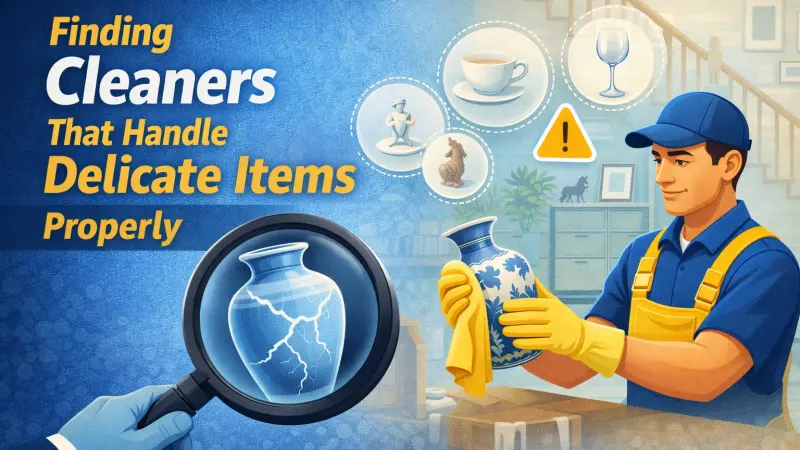
Hiring a cleaning service is often born from a desire to reclaim time and maintain a pristine living environment. However, for those with homes filled with delicate items—be it heirloom crystal, antique mahogany, hand-painted ceramics, or sensitive high-end electronics—the prospect of a stranger wielding a duster can be anxiety-inducing. The UK market is saturated with "general" cleaners, but finding a professional who understands the specific chemistry and physics required to treat fragile surfaces is a much more difficult task.
The risk isn't just a broken vase; it is the slow degradation caused by improper chemical use or aggressive mechanical action. A standard "all-purpose" spray can strip the patina from an old desk, and a rough microfibre cloth can scratch the soft finish of a lacquer screen. This article provides a deep dive into the vetting process, the technical knowledge required for specialist cleaning, and the practical steps you can take to ensure your most prized possessions remain in expert hands.
Overview: The Difference Between General and Specialist Cleaning
In the domestic service industry, there is a fundamental distinction between "tidying" and "preserving." General cleaning focuses on hygiene and aesthetics—removing visible dirt and clutter. Specialist cleaning, particularly when involving delicate items, is rooted in preservation.
Professional cleaners who handle delicates understand that different materials have different vulnerabilities. For instance, porous stones like marble require pH-neutral cleaners to avoid "etching," while silver requires non-abrasive polishes to prevent the removal of precious metal layers. In the UK, where many homes contain a mix of modern luxury and historical character, a cleaner must be a technician as much as a housekeeper.
The Benefits of Hiring Trained Specialists for Fragile Items
1. Longevity of Assets
Proper handling prevents the "micro-damage" that accumulates over time. Using the correct feather duster instead of a heavy rag ensures that delicate joints in antique furniture aren't stressed and that gold-leaf edges on picture frames remain intact.
2. Chemical Safety
Specialists are trained in the science of solvents. They know that ammonia-based cleaners can damage certain glass coatings and that bleach should never come near natural fibres or porous tiles. This prevents chemical burns or permanent discolouration.
3. Peace of Mind and Insurance
A professional service that advertises the ability to handle delicates usually carries higher-tier insurance. This provides a safety net that generic "cash-in-hand" services simply cannot offer.
Step-by-Step Guide to Finding and Vetting the Right Cleaner
Step 1: Initial Research and "Tell-Tale" Signs
When browsing websites or advertisements, look for specific mentions of "antiques," "fine art," or "specialist surfaces." If a company’s marketing focuses solely on "speed" or "cheap rates," they are likely not equipped for delicate work.
Step 2: The Technical Interview
When you speak with a potential cleaner or agency manager, ask technical questions rather than general ones:
-
"How do you clean an oil painting frame versus a modern plastic one?"
-
"What is your protocol for cleaning around high-end AV equipment and tangled cables?"
-
"Which products do you use for unsealed wood surfaces?"
Step 3: The "Walk-Through" Assessment
Invite the candidate for a consultation. Watch how they interact with your home. Do they immediately notice the fragility of certain items? A specialist will often point out potential risks
before you even mention them, such as a loose leg on a chair or a particularly dusty chandelier that requires a ladder and specific tools.
Step 4: Verification of Specialist Insurance
In the UK, standard Public Liability insurance may not cover "property being worked upon" if it is high-value. Ask to see their policy and check if there is an "items in trust" clause or a specific limit on individual items.
Material-Specific Knowledge: What Your Cleaner Should Know
To ensure your cleaner is truly capable, they should demonstrate an understanding of the following materials:
1. Fine Wood and Antiques
Wood is a living material that reacts to moisture and pH levels. A specialist knows that silicone-based "supermarket" polishes can create a smeary buildup that traps dust. They should prefer high-quality beeswax or microfiber dusting over wet wiping.
2. Natural Stone (Marble, Granite, Limestone)
These are surprisingly sensitive. Acidic substances (like vinegar or lemon-scented cleaners) will eat into the surface. A trained cleaner will only use specialized stone soaps or distilled water.
3. Electronics and Home Cinemas
Dusting a 4K OLED screen with a standard cloth can leave micro-scratches. Specialists use ultra-fine carbon-fibre brushes or specific optical-grade microfibres and avoid spraying any liquid directly onto the device.
4. Textiles and Upholstery
Knowing the difference between "W" (water-based) and "S" (solvent-based) cleaning codes on furniture tags is the difference between a clean sofa and a ruined one.
Practical Tips for Working with Your Cleaner
-
Provide the Tools: If you have exceptionally rare items, it is often best to provide the specific waxes, brushes, or cloths you want used. This eliminates the risk of a cleaner using a "contaminated" cloth from another house.
-
Create a "No-Go" Zone: If an item is truly irreplaceable or incredibly fragile, specify that it is not to be touched. Professional cleaners appreciate clear boundaries.
-
The "First Clean" Observation: For the first few sessions, be present. Observe their technique. Do they lift items to dust under them, or do they "plough" through with a duster? Proper technique involves lifting and supporting the base of an item.
-
Document Everything: Take high-resolution photos of your delicate items before the service begins. This is standard practice for both your protection and the cleaner’s.
Common Mistakes to Avoid
1. Assuming "Experience" Equals "Expertise"
Someone may have been cleaning for 20 years but using the same damaging techniques the whole time. Always vet for knowledge, not just years.
2. Over-Cleaning
Many delicate items, especially antiques, benefit from less frequent intervention. Aggressive weekly polishing can do more harm than good. A specialist will suggest a rotating schedule for deep-cleaning fragile areas.
3. Ignoring the "Cloth Management"
Cross-contamination is a major issue. A cloth that was just used to scrub a bathroom might
contain abrasive particles or chemical residues. Ensure your cleaner uses a strict colour-coded system.
4. Lack of Clear Communication
Never assume a cleaner "just knows" that a certain bowl is a 17th-century artifact. If it looks like a regular bowl, they will treat it like one. Communication is your responsibility as much as theirs.
Supporting Local Business Visibility Beyond Core Marketing Efforts
When homeowners seek out these specialized skills, they often rely on a digital ecosystem that validates a company’s claims through multiple touchpoints. For a niche cleaning business in the UK, maintaining a strong presence is about more than just a website; it’s about business discoverability across various independent platforms. These platforms act as a supporting visibility layer that reinforces the professional's local standing.
For instance, when a service provider uses directory marketing uk strategies, they are ensuring that their specialized services—like antique care or fine fabric cleaning—are categorized correctly for local seekers. This type of local presence consistency across different sites helps to build a "mosaic of trust." If a homeowner sees the same high standards reflected on a company's Local Page UK as they do on their official social media, the perceived risk of hiring them to handle valuables decreases significantly.
Trust reinforcement is also heavily dependent on third-party validation. Many high-end clients will specifically look for company ratings uk to see if other owners of delicate items have had positive experiences. For the small, specialist business, being listed in a free business database directory is not just a marketing tactic; it is a credibility signal. It allows them to advertise company uk directory presence alongside larger firms, proving that their specific expertise is recognized within the broader local economy. This transparency is essential in a sector where the physical safety of a client’s home is at stake.
Cleaner capable of handling
Finding a cleaner capable of handling delicate items properly is a process that requires patience and due diligence. It is a move away from the "commodity" mindset of cleaning and toward a "curatorial" approach. By prioritizing technical knowledge, verifying insurance, and maintaining open lines of communication, you can protect the aesthetic and financial value of your home. Your valuables are a reflection of your history and taste; they deserve a cleaning professional who treats them with the same respect you do. If you are ready to find a partner in home preservation, begin your search by looking for those who value precision over speed and chemistry over convenience.
Frequently Asked Questions (FAQs)
1. Should I hire an individual or a company for delicate items?
An individual may offer more consistency (you get the same person every time), but a company often provides better insurance and standardized training. For high-value items, the insurance coverage of a company is usually the safer bet.
2. What should I do if a cleaner breaks a delicate item?
Immediately take photos and notify the cleaner or their agency. Check your contract for their breakage policy. If they are a professional service, they should have a clear process for filing an insurance claim.
3. Is it okay to ask for a "test" clean on a small area?
Absolutely. In fact, most specialists recommend a "patch test" on the underside of furniture or a corner of a fabric before proceeding with the full item.
4. What is the best way to clean crystal chandeliers?
This is a specialist task. It usually involves "drip-drying" or hand-wiping each individual crystal with a mixture of distilled water and isopropyl alcohol. Ask if your cleaner has specific experience with this.
5. Are "eco-friendly" cleaners safe for antiques?
Not always. Some eco-cleaners are citrus-based (acidic), which can damage marble or old wood finishes. Always check the specific ingredients.
6. How do I know if my cleaner’s insurance is sufficient?
Ask for their "Summary of Cover." Look for "Public Liability" and specifically "Damage to Property Under Care, Custody, or Control."
7. Should I tip a cleaner for handling delicate items?
While not mandatory in the UK, if a cleaner shows exceptional care and technical skill with your valuables, a tip or a positive review is a great way to ensure they continue to prioritize your home.
8. How often should delicate items be cleaned?
Dusting should be done weekly with a very soft brush, but deep cleaning or polishing should be kept to a minimum—often only once every few months—to prevent wear.
9. Can I ask a cleaner to wear gloves?
Yes. For certain metals (like silver) or high-gloss surfaces, the oils from human skin can cause tarnishing or fingerprints. Providing white cotton gloves is a common request.
10. How can I find verified specialist cleaners?
The most effective way is to look through company ratings uk and see which businesses have specific feedback regarding high-value home care.
Disclaimer: The information provided in this article is for general informational and research purposes only. Company details, features, services, and market positions may change over time. Readers are advised to visit official company websites and conduct independent research before making any business decisions or purchasing services.
Most Searchable Keywords
Recent Blogs


Related Listings


Categories
- Accountants (295)
- Advertising Agencies (559)
- Architects (149)
- Automobiles (377)
- Beauty (300)
- Carpenters (146)
- Cleaning Services (387)
- Dentists (189)
- Driving (62)
- Education (1)
- Electricians (215)
- Energy (8)
- Event Organiser (689)
- Finance (602)
- Guide (3492)
- Health (2207)
- Information technology (207)
- Legal Services (361)
- Logistics (6)
- Maintenance (65)
Sponsored Listings in Cleaning Services

Related Blogs

Creamfields Daresbury: Impact on Local Reside...
Read this insightful article "Creamfields Daresbury: Impact on Local Residents" to expand your knowledge!

UK High Street Businesses in 2026-27: Which S...
Read this insightful article "UK High Street Businesses in 2026-27: Which Sectors Are Growing?" to expand your knowledge!

Why Complete Business Listings Matter More Th...
Read this insightful article "Why Complete Business Listings Matter More Than You Think" to expand your knowledge!
Questions & Answers – Find What You Need, Instantly!
Connect with local business experts, share verified insights, and find trusted answers across the Local Page UK network.
Ask Community
Ask questions to the Local Page UK community
Share Knowledge
Share your knowledge to help out others
Find Solutions
Find answers or offer instant solutions
Some of the most popular fantasy TV shows include "Game of Thrones," known for its epic battles and political intrigue, "The Witcher," which features monster hunting and magic, and "Stranger Things," blending supernatural elements with 1980s nostalgia. Other notable mentions are "His Dark Materials," "Shadow and Bone," and "The Mandalorian," each offering unique worlds and captivating storytelling that have garnered large fan bases.
When seeking bathroom renovation providers that handle both plumbing and tiling, it's advisable to look for licensed contractors who specialize in comprehensive bathroom remodels. Companies such as Home Depot, Lowe's, and Bath Fitter offer these services, often providing a seamless experience by managing all aspects of the renovation process. Additionally, local contractors with positive reviews in platforms like Angie's List or Houzz may also offer tailored solutions for your bathroom needs.
Absolutely, there are several distributors that supply crash mats and soft play equipment to gymnastics clubs in and around Birmingham. National companies like Gymnova, S & G (Spieth Gymnastics), and Jaques of London offer a wide range of crash mats, foam pits, and soft play pieces, and they typically deliver to the Birmingham area. For more local options, you might try The Gym Equipment Company, which has a showroom in the West Midlands, or check out smaller specialist suppliers like Playtime UK. Many of these distributors cater specifically to clubs, offering high-density foam mats that meet safety standards. I'd recommend reaching out to a few to compare pricing, delivery times, and whether they offer custom sizes or installation services. It's also worth checking if any of them have a physical showroom near Birmingham so you can test the equipment before buying. Happy tumbling!
For professionals seeking a reliable sanitaryware supplier in Manchester with trade account facilities, several established merchants combine extensive product ranges, competitive pricing, and dedicated trade support. The most reputable option is Graham Plumbers Merchant, which operates multiple branches across Manchester, including Salford Quays and Oldham. They offer a dedicated trade account service with preferential pricing, priority delivery scheduling, and access to a vast inventory of leading sanitaryware brands such as Villeroy & Boch, Duravit, Ideal Standard, and Roca. Their trade accounts typically include net 30-day payment terms, online account management, and a tailored project quotation system. Similarly, City Plumbing Supplies has several Manchester-based depots (such as Ashton-under-Lyne and Stockport) that cater specifically to trade customers, providing a rapid order-and-collect service, trade-only promotions, and a loyalty programme offering rebates on repeat purchases. Their product range covers everything from basins and WCs to complete bathroom suites and brassware, with in-house technical advisors available for specification support. Another key player is Plumb Center, part of the Wolseley Group, which offers trade accounts with bespoke pricing structures, direct-to-site deliveries within the Greater Manchester area, and access to over 10,000 lines of sanitaryware, including premium brands like Grohe and Hansgrohe. Their trade portal allows for real-time stock checking and order history tracking, facilitating efficient project management. For those seeking a more specialist or high-end option, Bathroom Spares in Manchester provides trade accounts with a focus on hard-to-find sanitaryware and discontinued ranges, which can be invaluable for refurbishment projects. Additionally, independent merchants such as M&B Plumbase in Trafford Park offer flexible trade terms, personalised service, and competitive pricing on both mainstream and luxury sanitaryware. When evaluating suppliers, trade customers should consider factors beyond price: reliability of stock availability, delivery timescales within Manchester’s often congested zones, clarity of returns policies, and the quality of after-sales support for warranty claims. It is advisable to request a trade account application from at least two to three suppliers to compare discounts, minimum order values, and payment terms. Many suppliers also offer showroom access for trade clients, allowing you to inspect finishes and dimensions before committing to large orders. For ongoing projects, establishing a relationship with a single supplier who offers consolidated invoicing and dedicated account management can streamline procurement. Ultimately, the most reliable supplier for your trade account in Manchester will be one that aligns with your volume requirements, preferred brands, and service expectations, so a site visit to their local branch and a discussion about your specific trade needs is highly recommended before committing to an account.
People in Leeds are loving their local florists—customers often mention gorgeous, fresh arrangements and super friendly service. Many rave about reliable same-day delivery and creative wedding bouquets. A few note pricing can vary, but overall, the buzz is all about quality and that personal touch making every order feel special.
Common problems for commercial gardening in Bristol include weed overgrowth, soil degradation, pest infestations, and irrigation malfunctions. Additionally, managing seasonal transitions, adhering to sustainability regulations, and maintaining consistent aesthetics pose significant challenges. Expert services mitigate these via structured maintenance, integrated pest management, and soil analysis to ensure long-term landscape health.