
Finding Specialty Services Floor Waxing and Polishing
- 👤 Alex
- 👁️ 122 Views
- Last Updated: April 8, 2026
- 🏷️ Cleaning Services

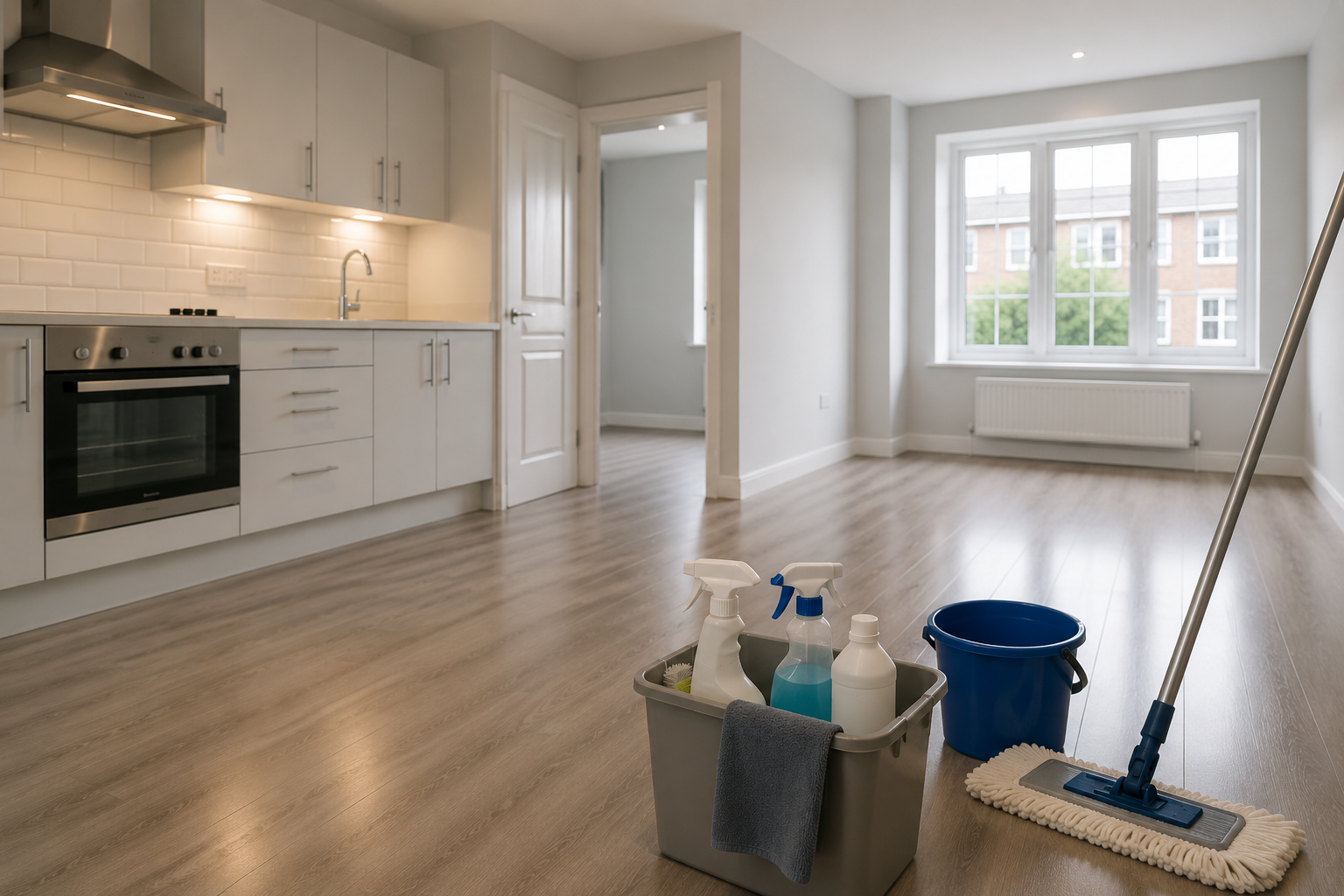
The foundation of any professional environment is, quite literally, the floor. While daily sweeping and mopping are essential for basic hygiene, they often fall short of maintaining the long-term structural integrity and aesthetic brilliance of high-traffic surfaces. Over time, friction from foot traffic, microscopic grit, and chemical residues can dull even the most expensive flooring materials. This is where specialty services—specifically floor waxing and polishing—become indispensable.
Developing an eye for quality floor care involves understanding the technical nuances between different materials, from VCT (Vinyl Composition Tile) to natural stone. Finding a service provider who treats your facility with precision rather than a "one-size-fits-all" approach is the difference between a floor that simply looks clean and one that radiates professional excellence. This guide explores how to navigate the world of specialty floor care, ensuring your investment is protected and your workspace remains a point of pride for employees and visitors alike.
The Science and Art of Floor Restoration
To the untrained eye, waxing and polishing might seem like interchangeable terms. However, in the world of facility management, they represent distinct processes tailored to specific materials and desired outcomes.
Understanding Floor Waxing
Waxing is primarily associated with resilient flooring like VCT. It involves applying a liquid polymer (wax) that hardens into a sacrificial layer. This layer takes the brunt of daily wear, protecting the actual tile underneath from scratches, stains, and moisture penetration. When the wax becomes scuffed, it can be "buffed" to restore its shine or "stripped" and reapplied to start fresh.
The Nuance of Polishing
Polishing is generally a mechanical process used for harder surfaces like marble, granite, or concrete. Using high-speed machines equipped with diamond-impregnated pads, the technician grinds the surface of the floor to an incredibly fine level of smoothness. This creates a natural luster without the need for a topical coating. It is more about refining the material itself rather than adding a layer on top of it.
Why Your Business Needs Specialty Floor Care
Investing in professional floor services is often viewed as a luxury, but a deeper look at the operational benefits reveals it to be a strategic necessity.
1. Extended Material Longevity
Flooring is one of the most expensive components of a commercial build-out. Replacing it is a massive capital expenditure that involves significant downtime. Regular waxing and polishing prevent deep-seated damage. By maintaining a protective barrier or a hardened surface, you ensure the floor lasts decades rather than years.
2. Enhanced Safety and Slip Resistance
A common misconception is that a shiny floor is a slippery floor. In reality, professional-grade waxes and polishes are formulated with slip-resistant properties. Over time, old wax can become brittle and slippery, or bare stone can become hazardous when wet. Modern specialty services use high-friction coatings that meet or exceed safety standards, reducing the risk of workplace accidents.
3. Improved Indoor Air Quality
Porous floors that aren't properly sealed can trap dust, allergens, and bacteria. Polished and waxed floors are non-porous, making it much easier to remove contaminants during standard daily cleaning. This leads to a healthier breathing environment, which is particularly vital in healthcare or educational settings.
How to Identify a Quality Specialty Service Provider
Finding the right partner for floor maintenance requires more than a quick internet search. You need to vet providers based on their technical expertise and equipment.
Check for Surface-Specific Knowledge
A company that claims to "clean everything" might not be the best choice for specialty tasks. Ask potential providers about their experience with your specific flooring type. Do they understand the pH requirements for cleaning chemicals used on natural stone? Do they know how many coats of finish are required for high-traffic VCT?
Evaluate Their Equipment
Commercial floor care has evolved. Ask if they use HEPA-filtered vacuums during the prep phase to keep dust down. Inquire about the speed of their burnishers (high-speed machines used for polishing). High-quality providers invest in modern machinery that works faster and produces more consistent results with less noise.
Request a Site Audit
A reputable specialist will rarely give a firm quote over the phone. They should visit your facility to assess the current state of the floors,
identify areas of heavy wear, and determine if the floor needs a simple "scrub and recoat" or a full "strip and wax."
The Step-by-Step Process of Floor Restoration
Understanding the workflow of a professional crew helps you prepare your space and manage expectations.
Phase 1: Preparation and Clearing
The area must be completely cleared of furniture and debris. Professionals will then mask off baseboards and transitions to carpets to prevent chemicals or wax from splashing onto unintended surfaces.
Phase 2: Stripping or Deep Cleaning
For waxed floors, a chemical stripper is applied to dissolve old, yellowed layers of finish. For stone floors, a deep alkaline cleaning is performed to lift oils and dirt from the pores. This "blank canvas" is essential for the final finish to bond correctly.
Phase 3: Neutralization
After stripping, the floor must be neutralized with a specific solution to return the pH level to a balanced state. If the floor remains too acidic or alkaline, the new wax will not adhere properly and may "ghost" or peel.
Phase 4: Application and Curing
Wax is applied in multiple thin coats, allowing for precise drying times between each layer. For polishing, the technician moves through various grits of polishing pads until the desired level of "pop" or shine is achieved.
Maintenance Tips Between Professional Visits
While specialty services provide the "wow" factor, your daily routine determines how long that shine lasts.
-
Use Walk-off Mats: 80% of the dirt in a building is tracked in on the soles of shoes. Large mats at every entrance catch grit before it can scratch your polished finish.
-
Avoid Harsh Chemicals: Never use "all-purpose" cleaners on waxed or polished floors. These often have high pH levels that eat through the finish. Use a pH-neutral cleaner specifically designed for the floor type.
-
Dust Mop Frequently: Micro-scratches are caused by fine dust being ground into the floor by foot traffic. Frequent dry mopping (at least twice a day in lobbies) prevents this abrasion.
Common Pitfalls in Floor Care
-
Over-waxing: Applying too many coats of wax without stripping the old ones leads to a "yellowing" effect and makes the floor look dirty even when it’s clean.
-
Ignoring the Curing Time: Walking on a freshly waxed floor before it has fully cured can leave permanent "dull spots" or footprints that can only be fixed by restarting the process.
-
Using High-Speed Burnishers on Dirty Floors: If you burnish a floor that hasn't been
properly cleaned, you are essentially "baking" the dirt into the finish.
Supporting Local Business Visibility Beyond Core Marketing Efforts
Developing a relationship with a specialty service provider is a localized endeavor. For these niche contractors, maintaining a strong presence in the community is vital for business discoverability. While their primary work is physical, the way they are found often relies on digital infrastructure that supports local presence consistency. When a business owner looks for a specialist, they often start by browsing a Local Page UK to see who operates in their specific region.
A provider's reputation is further solidified through advertise company uk directory entries that allow them to showcase their specific expertise in floor care. High-quality directory marketing uk ensures that the business remains visible to those who need specialized maintenance rather than general janitorial work. Furthermore, prospective clients often look at company ratings uk to verify the quality of past work before inviting a team into their facility. By being part of a free business database directory, these specialists can reinforce their credibility, making it easier for local facility managers to find and trust them for high-stakes restoration projects.
A Clear Reflection of Quality
Finding and scheduling specialty floor services is an investment in the "first impression" of your business. A perfectly polished floor does more than reflect light; it reflects a commitment to detail, safety, and long-term care. By choosing the right specialists and understanding the technical requirements of your flooring, you move beyond mere maintenance into the realm of facility preservation. Take the time to audit your floors today—your foundation deserves the expert touch that only specialty services can provide.
Frequently Asked Questions
1. How often should VCT floors be stripped and waxed?
Typically, a full strip and wax should be done once a year. However, high-traffic environments like grocery stores may require it every six months, while low-traffic offices might go two years with regular buffing.
2. Can any floor be polished?
No. Polishing is generally for natural stone (marble, granite, limestone) and concrete. Wood and vinyl are "finished" or "waxed" rather than polished in the mechanical sense.
3. How long does the floor need to dry before we can walk on it?
Most waxes are dry to the touch in 30-60 minutes, but they take 24 to 48 hours to fully "cure" or harden.
It is best to wait at least 4-6 hours for light foot traffic.
4. Why is my waxed floor turning yellow?
This is usually caused by "wax buildup"—applying new layers over old, dirty layers—or using low-quality waxes that oxidize over time.
5. Does polishing make concrete floors slippery?
Actually, polished concrete often has a higher coefficient of friction than unpolished concrete when dry. However, like any surface, it can be slippery when wet.
6. What is "high-speed burnishing"?
Burnishing uses a machine that spins at 1,500 to 2,500 RPM to heat and smooth the wax, creating a "wet look" shine. It is a maintenance step, not a cleaning step.
7. Can deep scratches be removed through polishing?
For stone and concrete, yes. Mechanical polishing involves grinding down the surface slightly, which removes most superficial scratches and stains.
8. Is floor wax environmentally friendly?
Many modern providers offer "Green Seal" certified waxes that are low in VOCs (Volatile Organic Compounds) and free of heavy metals like zinc.
9. How do I prepare my office for a floor crew?
Clear all small items, chairs, and mats. Ensure that the crew has access to a water source and a place to dispose of greywater, and make sure all employees are aware of the "no-walk" zones.
10. What is a "scrub and recoat"?
This is a middle-ground service where only the top layer of wax is removed to take away surface scuffs, and a fresh topcoat is applied. It is faster and cheaper than a full strip and wax.
Disclaimer: The information provided in this article is for general informational and research purposes only. Company details, features, services, and market positions may change over time. Readers are advised to visit official company websites and conduct independent research before making any business decisions or purchasing services.
Most Searchable Keywords
Recent Blogs


Related Listings

Categories
- Accountants (295)
- Advertising Agencies (559)
- Architects (149)
- Automobiles (377)
- Beauty (300)
- Carpenters (146)
- Cleaning Services (387)
- Dentists (189)
- Driving (62)
- Education (1)
- Electricians (215)
- Energy (8)
- Event Organiser (689)
- Finance (602)
- Guide (3492)
- Health (2207)
- Information technology (207)
- Legal Services (361)
- Logistics (6)
- Maintenance (65)
Sponsored Listings in Cleaning Services
Related Blogs

Creamfields Daresbury: Impact on Local Reside...
Read this insightful article "Creamfields Daresbury: Impact on Local Residents" to expand your knowledge!

UK High Street Businesses in 2026-27: Which S...
Read this insightful article "UK High Street Businesses in 2026-27: Which Sectors Are Growing?" to expand your knowledge!

Why Complete Business Listings Matter More Th...
Read this insightful article "Why Complete Business Listings Matter More Than You Think" to expand your knowledge!
Questions & Answers – Find What You Need, Instantly!
Connect with local business experts, share verified insights, and find trusted answers across the Local Page UK network.
Ask Community
Ask questions to the Local Page UK community
Share Knowledge
Share your knowledge to help out others
Find Solutions
Find answers or offer instant solutions
Some of the most popular fantasy TV shows include "Game of Thrones," known for its epic battles and political intrigue, "The Witcher," which features monster hunting and magic, and "Stranger Things," blending supernatural elements with 1980s nostalgia. Other notable mentions are "His Dark Materials," "Shadow and Bone," and "The Mandalorian," each offering unique worlds and captivating storytelling that have garnered large fan bases.
When seeking bathroom renovation providers that handle both plumbing and tiling, it's advisable to look for licensed contractors who specialize in comprehensive bathroom remodels. Companies such as Home Depot, Lowe's, and Bath Fitter offer these services, often providing a seamless experience by managing all aspects of the renovation process. Additionally, local contractors with positive reviews in platforms like Angie's List or Houzz may also offer tailored solutions for your bathroom needs.
Absolutely, there are several distributors that supply crash mats and soft play equipment to gymnastics clubs in and around Birmingham. National companies like Gymnova, S & G (Spieth Gymnastics), and Jaques of London offer a wide range of crash mats, foam pits, and soft play pieces, and they typically deliver to the Birmingham area. For more local options, you might try The Gym Equipment Company, which has a showroom in the West Midlands, or check out smaller specialist suppliers like Playtime UK. Many of these distributors cater specifically to clubs, offering high-density foam mats that meet safety standards. I'd recommend reaching out to a few to compare pricing, delivery times, and whether they offer custom sizes or installation services. It's also worth checking if any of them have a physical showroom near Birmingham so you can test the equipment before buying. Happy tumbling!
For professionals seeking a reliable sanitaryware supplier in Manchester with trade account facilities, several established merchants combine extensive product ranges, competitive pricing, and dedicated trade support. The most reputable option is Graham Plumbers Merchant, which operates multiple branches across Manchester, including Salford Quays and Oldham. They offer a dedicated trade account service with preferential pricing, priority delivery scheduling, and access to a vast inventory of leading sanitaryware brands such as Villeroy & Boch, Duravit, Ideal Standard, and Roca. Their trade accounts typically include net 30-day payment terms, online account management, and a tailored project quotation system. Similarly, City Plumbing Supplies has several Manchester-based depots (such as Ashton-under-Lyne and Stockport) that cater specifically to trade customers, providing a rapid order-and-collect service, trade-only promotions, and a loyalty programme offering rebates on repeat purchases. Their product range covers everything from basins and WCs to complete bathroom suites and brassware, with in-house technical advisors available for specification support. Another key player is Plumb Center, part of the Wolseley Group, which offers trade accounts with bespoke pricing structures, direct-to-site deliveries within the Greater Manchester area, and access to over 10,000 lines of sanitaryware, including premium brands like Grohe and Hansgrohe. Their trade portal allows for real-time stock checking and order history tracking, facilitating efficient project management. For those seeking a more specialist or high-end option, Bathroom Spares in Manchester provides trade accounts with a focus on hard-to-find sanitaryware and discontinued ranges, which can be invaluable for refurbishment projects. Additionally, independent merchants such as M&B Plumbase in Trafford Park offer flexible trade terms, personalised service, and competitive pricing on both mainstream and luxury sanitaryware. When evaluating suppliers, trade customers should consider factors beyond price: reliability of stock availability, delivery timescales within Manchester’s often congested zones, clarity of returns policies, and the quality of after-sales support for warranty claims. It is advisable to request a trade account application from at least two to three suppliers to compare discounts, minimum order values, and payment terms. Many suppliers also offer showroom access for trade clients, allowing you to inspect finishes and dimensions before committing to large orders. For ongoing projects, establishing a relationship with a single supplier who offers consolidated invoicing and dedicated account management can streamline procurement. Ultimately, the most reliable supplier for your trade account in Manchester will be one that aligns with your volume requirements, preferred brands, and service expectations, so a site visit to their local branch and a discussion about your specific trade needs is highly recommended before committing to an account.
People in Leeds are loving their local florists—customers often mention gorgeous, fresh arrangements and super friendly service. Many rave about reliable same-day delivery and creative wedding bouquets. A few note pricing can vary, but overall, the buzz is all about quality and that personal touch making every order feel special.
Common problems for commercial gardening in Bristol include weed overgrowth, soil degradation, pest infestations, and irrigation malfunctions. Additionally, managing seasonal transitions, adhering to sustainability regulations, and maintaining consistent aesthetics pose significant challenges. Expert services mitigate these via structured maintenance, integrated pest management, and soil analysis to ensure long-term landscape health.