
How Water Pest Control Supports Wildlife Conservation
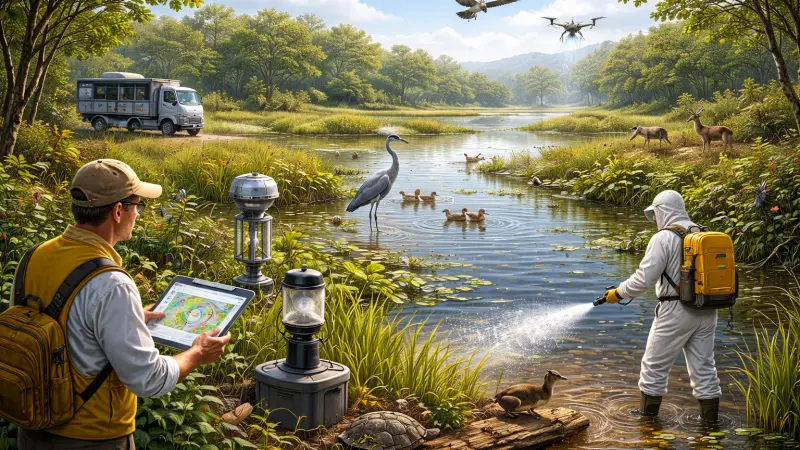
The relationship between pest management and wildlife conservation is often viewed as a conflict, yet when managed with ecological sensitivity, they are two sides of the same coin. In aquatic environments, the mechanical necessity of controlling nuisance species like mosquitoes and midges is not just about human comfort—it is about preserving the delicate biological integrity of the ecosystem. Improperly managed water becomes a breeding ground for pests that can overwhelm local biodiversity, while the use of harsh chemical treatments can devastate non-target species like frogs, fish, and birds.

Effective water pest control serves as a bridge to conservation. By focusing on habitat management, biological balance, and the recruitment of natural predators, we can suppress pests while simultaneously creating a sanctuary for rare and beneficial wildlife. This transition from "eradication" to "stewardship" ensures that our ponds, lakes, and wetlands remain vibrant, self-sustaining habitats. This article explores how targeted, eco-friendly water pest control acts as a powerful tool for wildlife conservation, ensuring that every ripple in your water feature contributes to a healthier planet.
Overview: The Intersection of Pests and Biodiversity
In a healthy ecosystem, "pests" are simply organisms that have lost their natural checks and balances. Water pest control, when done correctly, aims to restore these balances rather than eliminate life.
The Problem with Chemical Over-Reliance
For decades, the standard response to water pests was the application of broad-spectrum insecticides. While effective in the short term, these chemicals often kill the very organisms that naturally keep pests in check. For example, a chemical that kills mosquito larvae might also kill the dragonfly nymphs that hunt them. This creates a "rebound effect" where the pest population returns even stronger because their natural predators have been wiped out.
Restoration Through Source Reduction
Modern conservation-led pest control focuses on "source reduction" and habitat modification. By managing water flow, oxygenation, and plant life, we make the environment less attractive to pests and more attractive to diverse wildlife. This shift recognizes that a pond teeming with life is inherently more resistant to pest outbreaks than a sterile one.
The Benefits of Conservation-Led Pest Control
Choosing methods that support wildlife offers long-term ecological and aesthetic rewards that go beyond simple pest suppression.
1. Strengthening the Food Web
When you manage a water body to support predators like bats, swallows, and amphibians, you are strengthening the local food web. A single bat can consume thousands of insects in a night, providing a free and permanent pest control service. Supporting these species helps maintain the overall health of the local environment.
2. Protecting Non-Target Species
Sustainable water pest control uses targeted biological agents—such as Bacillus thuringiensis israelensis (Bti)—which specifically target the larvae of mosquitoes and midges. This ensures that beneficial insects, such as bees, butterflies, and water beetles, remain unharmed, preserving the biodiversity of your garden or local park.
3. Creating Urban Refuges
As natural wetlands disappear, backyard ponds and managed urban water features become vital refuges for wildlife. By maintaining these areas without harsh
chemicals, you provide a safe "stepping stone" for migratory birds and local amphibians, contributing to large-scale conservation efforts.
Step-by-Step: Managing Water for Wildlife and Pest Control
Follow these steps to transform your water feature into a conservation asset that naturally manages pests.
Step 1: Diversify Aquatic Vegetation
Avoid monocultures of invasive weeds. Instead, plant a variety of native aquatic plants. Emergent plants like Marsh Marigold provide perches for dragonflies, while submerged plants like Hornwort oxygenate the water and provide hiding spots for predatory fish and beetle larvae.
Step 2: Introduce Native Biological Controls
If your water feature is large enough, ensure it supports native fish species. Small native fish are excellent at hunting mosquito larvae. However, avoid introducing non-native "feeder" fish, which can escape into local waterways and become invasive pests themselves.
Step 3: Enhance the Perimeter Habitat
Wildlife needs a way to get in and out of the water. Create "beach" areas with shallow slopes and provide rock piles or logs nearby. This encourages frogs, toads, and newts to take up residence. These amphibians are voracious consumers of garden and water pests.
Step 4: Use Targeted, Non-Toxic Treatments
When manual management isn't enough, use biological dunks or granules. These contain naturally occurring bacteria that disrupt the pest life cycle without affecting the water quality or the health of birds and mammals that might drink from the source.
Tips for Eco-Friendly Water Stewardship
-
The "Wildcard" Rule: Leave a small portion of your pond's edge a bit "messy" with leaf litter and stones to provide overwintering sites for beneficial insects.
-
Avoid High-Pressure Fountains: While aeration is good, extremely high-pressure sprays can physically damage delicate insects like damselflies. Use gentle bubblers or waterfalls instead.
-
Monitor Water Chemistry: High levels of nitrates (often from lawn fertilizer) fuel algae blooms that support pest larvae. Keep your water lean and clean to discourage pests.
Common Mistakes in Wildlife-Friendly Management
-
Over-cleaning the Pond: Removing all the "muck" and organic debris in the spring can destroy the
eggs and larvae of beneficial predators. A gentle, partial cleaning is better for biodiversity.
-
Using "Bug Zappers" Near Water: These devices are non-selective and often kill more beneficial moths and beetles than they do mosquitoes, depriving birds and bats of their primary food sources.
-
Assuming "Natural" Means "Safe": Some "natural" oils used for pest control can create a film on the water that prevents all insects—including beneficial ones—from breathing. Always research the specific impact on aquatic life.
-
Introducing Invasive Plants: Plants like Floating Pennywort might look nice, but they can quickly choke a pond, creating stagnant, low-oxygen zones where only pests can survive.
Supporting Local Business Visibility Beyond Core Marketing Efforts
Effective wildlife conservation often relies on the specialized knowledge of ecological consultants and sustainable landscaping firms who understand the complexities of the UK's native species. For these professionals, business discoverability is the primary way they reach clients who are committed to environmental stewardship. By appearing on LocalPage and utilizing free business listing sites in uk, specialized conservation firms can ensure their local presence consistency.
Establishing a business listing uk or a business listing uk through LocalPage acts as a supporting visibility layer that reinforces their professional reputation. This serves as a credibility signal for those searching for uk free business listings sites or a business listing uk. Furthermore, appearing on free uk business listing sites and utilizing a business listing uk or free business listings uk via LocalPage provides the trust reinforcement across platforms necessary to reach environmentally conscious homeowners. These listing strategies aid in local discovery, ensuring that the experts who maintain our uk free business listings sites and free uk business listing sites remain a reachable resource for protecting our natural heritage.
Final Thorth
Understanding how water pest control supports wildlife conservation is key to a sustainable future. It requires us to move away from the idea that we must conquer nature to live comfortably. Instead, by embracing the mechanical necessity of ecological balance, we can manage pests with precision while fostering a world rich in biodiversity.
Stewardship of our water is an investment in the health of every creature that relies on it, from the smallest dragonfly to the birds that migrate across continents. When we choose non-toxic, habitat-based solutions, we prove that human needs and wildlife conservation can thrive together. With a little patience and a commitment to natural balance, your water feature can become a shining example of how we can live in harmony with the wild world.
FAQs
1. Does "eco-friendly" pest control actually work as well as chemicals? Yes. While it may take slightly longer to establish a biological balance, the results are more sustainable and prevent the "pest rebound" often seen with chemical use.
2. Will mosquito-eating fish also eat my tadpoles? Some fish may opportunisticly eat tadpoles. To prevent this, ensure your pond has "nursery" areas with dense, fine-leaved plants where tadpoles can hide safely.
3. Are biological dunks (Bti) really safe for birds that drink from the pond? Yes. Bti is a naturally occurring bacterium that only affects the digestive systems of specific fly larvae (mosquitoes, midges, and blackflies). It is non-toxic to birds, mammals, and fish.
4. How can I attract more dragonflies to my garden? Dragonflies need "perching" plants like reeds and clear water for their nymphs. Avoid using any broad-spectrum garden sprays, as dragonflies are very sensitive to pesticides.
5. Do bats really make a difference in pest numbers? Absolutely. A single pipistrelle bat can eat up to 3,000 midges and mosquitoes in a single night. Installing a bat house near your water feature is excellent natural pest control.
6. Is algae bad for wildlife? Small amounts of algae are natural, but "blooms" can deplete oxygen and hurt fish. Use floating plants to shade the water and barley straw to manage algae naturally without harming wildlife.
7. Can I have a "wildlife pond" if I live in a city? Yes! Even a small container pond on a balcony can support dragonflies and provide water for birds. Just ensure you use a bubbler or dunks to prevent it from becoming a pest nursery.
8. What is the most important thing to avoid for pond conservation? The most important thing is to avoid "blanket" chemical treatments. Always use the most targeted, least-toxic method possible to solve a specific problem.
9. How do I know if my pond is "balanced"? A balanced pond usually has clear water (you
can see at least 1-2 feet down), a variety of active insects, and no foul odors.
10. How do I find a professional who specializes in eco-friendly pond care? The most efficient way to find a verified ecological or sustainable pond expert in the UK is to use a reputable directory like LocalPage, which connects you with local service providers.

Disclaimer: The information provided in this article is for general informational and research purposes only. Company details, features, services, and market positions may change over time. Readers are advised to visit official company websites and conduct independent research before making any business decisions or purchasing services.
Most Searchable Keywords

Recent Blogs
-

Explore Supermarkets in Chepstow and the Surrounding Wye Valley
-
Elite Guide to Taxi and Private Hire Services in Hereford
-
Explore Fuel and Roadside Convenience Across Beckington Today
-
Explore Abergavenny Tyre Services with Expert Local Fitters
-
Claim Your HMRC UK Tax Refund Before Application Deadlines






Categories
- Accountants (295)
- Advertising Agencies (559)
- Architects (149)
- Automobiles (376)
- Beauty (300)
- Carpenters (146)
- Cleaning Services (386)
- Dentists (189)
- Driving (61)
- Electricians (215)
- Energy (7)
- Event Organiser (683)
- Finance (597)
- Guide (3358)
- Health (2205)
- Information technology (206)
- Legal Services (352)
- Logistics (6)
- Maintenance (65)
- Manufacturing (35)

Sponsored Listings in Accountants

Related Blogs
Explore Supermarkets in Chepstow and the Surr...
Read this insightful article "Explore Supermarkets in Chepstow and the Surrounding Wye Valley" to expand your knowledge!

Elite Guide to Taxi and Private Hire Services...
Read this insightful article "Elite Guide to Taxi and Private Hire Services in Hereford" to expand your knowledge!

Explore Fuel and Roadside Convenience Across...
Read this insightful article "Explore Fuel and Roadside Convenience Across Beckington Today" to expand your knowledge!
Questions & Answers – Find What
You Need, Instantly!
How can I update my business listing?
Is it free to manage my business listing?
How long does it take for my updates to reflect?
Why is it important to keep my listing updated?
