
How to Book Train Tickets UK
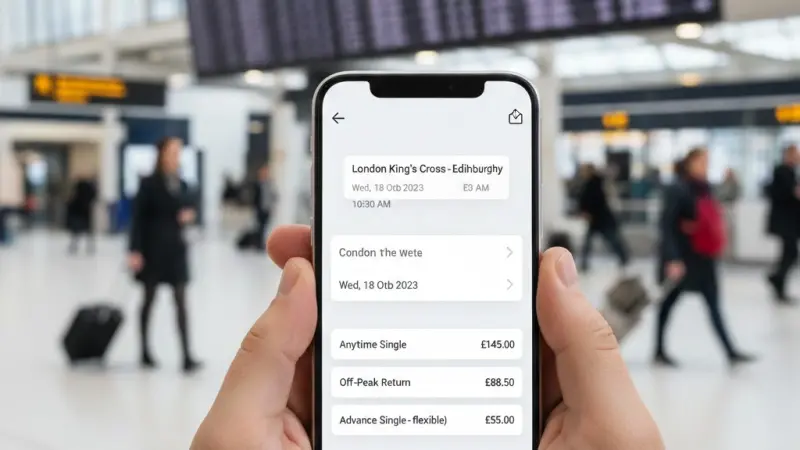
Strategic Rail Procurement: How to Book Train Tickets in the UK for Business
Published: February 2026 | Authority: LocalPage.uk Senior Content Architect | Focus: UK-Wide Business Travel

In the evolving landscape of 2026, rail travel remains the backbone of UK business connectivity. With over 5.6 million private sector businesses operating across the British Isles, the ability to navigate the national rail network cost-effectively is no longer just a logistical necessity; it is a strategic financial imperative. As the UK moves further into a post-Great British Railways transition, understanding the nuances of ticket types, booking windows, and regional variations is essential for SMEs and large corporations alike.
1.6bn Total passenger journeys forecast for the UK rail network in 2025-2026, with business travel accounting for approximately 28% of off-peak and peak revenue.
Determining the Most Cost-Effective Ticket Architecture
Before a single seat is reserved, a business traveller must analyse the nature of their journey. The UK ticketing system is notoriously complex, but it rewards those who understand its underlying structure. For professionals, the choice typically falls between flexibility and frugality.
Anytime, Off-Peak, and Super Off-Peak Dynamics
Anytime tickets offer the ultimate flexibility required by high-stakes consultancy or legal professionals whose meetings may overrun. However, the premium is significant. In 2026, off-peak windows have become more standardised across the Department for Transport (DfT) franchises, yet they still vary slightly between operators like Avanti West Coast and LNER. Off-peak generally begins after 09:30 in major hubs like London, Birmingham, and Manchester, though Friday afternoon restrictions are increasingly common.
Advance Single Strategy for Corporate Savings
Advance tickets are the cornerstone of business travel budgeting. These are typically released 12 weeks in advance, though some operators now utilise 'dynamic pricing' models similar to airlines. For a business based in Leeds travelling to London, booking an Advance Single can represent a saving of up to 65% compared to an Anytime Return.
Impact of Flexible Working Trends
With 76% of UK consumers researching services online and a similar percentage of professionals adopting hybrid models, the 'Flexi Season Ticket' has become a staple. This allows for 8 days of travel in a 28-day period, ideal for those commuting into the City of London or Edinburgh Park just twice a week.
Navigating Digital Booking Platforms and Corporate Tools
Where you book is as important as when you book. While the "National Rail Enquiries" website remains the authoritative source for timetables, the actual procurement happens through Train Operating Companies (TOCs) or third-party retailers.
The Shift Toward Retailer Transparency
In 2026, the FCA and the Office of Rail and Road (ORR) have increased scrutiny on booking fees. Many businesses now prefer booking directly through TOC apps to avoid the £1.50–£2.50 booking fees often found on third-party platforms. For Northern Ireland businesses, the Translink mLink app provides a unified platform for rail and bus, reflecting the integrated nature of transport in the region.
Business Account Benefits and VAT Reclamation
Professional services firms should endeavour to utilise dedicated business accounts. These platforms allow for consolidated invoicing, simplifying the process of VAT reclamation through HMRC. Rail travel is generally standard-rated (20% VAT), and having a single portal to download monthly statements is a significant administrative advantage for SMEs.
Digital Railcard Integration
Ensure all employees have their Railcards—such as the 26-30 or the Two Together—linked directly to their digital wallets. The 1/3 discount applies to most off-peak fares and can save a micro-business thousands of pounds annually in customer acquisition travel costs.
The Strategic Timing of Ticket Procurement
The "booking window" is the most critical variable in the rail procurement equation. Statistics from the Federation of Small Businesses (FSB) suggest that businesses that plan travel at least 21 days in advance reduce their annual travel spend by nearly 40%.
99.3% of UK businesses are SMEs. For these firms, the £2.3 trillion annual turnover
they contribute is often hampered by high operational overheads like unmanaged rail travel.
The 12-Week Release Cycle
Most UK rail tickets are released into the system 12 weeks before the date of travel. Setting calendar alerts for these releases is standard practice for budget-conscious startups in tech hubs like Cambridge or Bristol. However, in Scotland, ScotRail often operates on a shorter confirmation window for engineering works, requiring travellers to check closer to the date.
Alert Systems and Dynamic Pricing
Using 'Ticket Alert' services is now a professional standard. These services notify the user the moment the cheapest Advance tickets for their specific route go on sale. As we move through 2026, AI-driven price prediction tools are becoming integrated into corporate travel platforms, suggesting the 'best time to buy' based on historical data patterns.
Split Ticketing for Long-Distance Routes
Split ticketing—buying two separate tickets for different legs of the same journey—remains a perfectly legal and highly effective way to save money. For a journey from Penzance to Aberdeen, split ticketing at major junctions like Birmingham New Street or York can often shave £50 off a return fare without requiring the traveller to leave the train.
Regional Variations: From the Highlands to the South West
Travel in the UK is not a monolith. Each nation has its own regulatory body and unique logistical quirks that a business traveller must respect.
Scotland: ScotRail and the Public Sector Influence
Since ScotRail's transition to public ownership, ticketing has focused on accessibility. For businesses in Glasgow or Aberdeen, the 'Club 50' and various regional "Rover" tickets offer unique savings. Scottish Enterprise often highlights the importance of the Edinburgh-Glasgow shuttle, where 'Advance' tickets are less common, and 'Off-Peak' is the primary saving mechanism.
Wales: Transport for Wales and Bilingual Integration
Business Wales encourages the use of the Transport for Wales (TfW) network, which has seen significant investment in 2025. When booking tickets in Wales, the app-based 'Multiflex' tickets are excellent for tradespeople moving between Cardiff, Swansea, and the Valleys. These offer 12 journeys for the price of 10, valid for three months.
Northern Ireland: The Translink Framework
In Northern Ireland, rail travel is managed by Translink. The Belfast to Dublin Enterprise service is a vital corridor for cross-border trade, which has seen a 12% increase since 2024. Businesses should note that online booking is essential for the Enterprise service to guarantee seat reservations, especially during peak trade delegations.
The London Effect and the South East
With 34% of the UK business population situated in London and the South East, the demand for rail is highest here. The Elizabeth Line has fundamentally changed how professionals access Heathrow and the Canary Wharf financial district. Contactless and Oyster remain the default for London, but for journeys extending into the Home Counties, paperless 'e-tickets' are now the standard requirement to avoid queuing at station kiosks.
Maximising Productivity and Business On-Board Facilities
Booking the ticket is only half the battle; ensuring the journey is productive is what defines a professional traveller. In 2026, the 'carriage-as-an-office' concept is fully realised.
First Class vs Standard: An ROI Analysis
For many businesses, First Class is not a luxury but a productivity tool. The provision of guaranteed power sockets, larger tables, and a quieter environment allows for deep-work sessions. If the price difference is less than £20 on a two-hour journey, the ROI in terms of billable hours often justifies the spend. Operators like LNER and GWR have enhanced their First Class offering in 2026 to include high-speed 5G Wi-Fi specifically tuned for VPN stability.
Seat Selection Strategies
When booking, always use the 'seat map' feature. Professionals typically prefer 'airline-style' seating for solo work or 'table seats' for collaborative meetings. Avoid seats near the toilets or the buffet car on long-distance LNER or CrossCountry routes to minimise distractions.
Catering and the Sustainable Business
Many UK businesses are now reporting on their Scope 3 emissions. Choosing rail over domestic flights (e.g., London to Edinburgh) reduces a firm's carbon footprint by approximately 80% per passenger. Most TOCs now provide locally sourced catering, allowing businesses to support regional producers even while in transit.
Handling Delays, Cancellations, and Delay Repay
The UK rail network, despite its 2026 modernisations, is subject to the unpredictable. For a business, a delay
is not just a nuisance; it is a potential breach of contract or a missed opportunity.
Automated Delay Repay Systems
Delay Repay is a national scheme where passengers are compensated if their journey is delayed by 15 or 30 minutes (depending on the operator). Professional travellers should book through apps that offer 'Auto-Delay Repay'. This feature detects when your scanned ticket was on a delayed train and automatically files the claim with HMRC-compliant records.
Rights Under the National Rail Conditions of Travel
If a train is cancelled, your ticket is usually valid on the next available service provided by the same operator. In major disruptions, 'ticket acceptance' is often granted across different operators. It is vital to follow the official National Rail Twitter (X) accounts or the "X" accounts of specific TOCs like South Western Railway for real-time updates.
Alternative Transport and Overnight Accommodation
If you are stranded due to rail failure, the TOC is legally obligated to get you to your destination or provide overnight accommodation. For a small business owner, knowing this prevents unnecessary out-of-pocket expenses that can disrupt monthly cash flow.
Voice Search: Quick Rail Booking Guide
"Hey Google, what's the cheapest way to book a train to London?"
The cheapest method is booking an 'Advance Single' ticket via a Train Operating Company app 12 weeks before travel, using a Railcard, and avoiding peak morning times.
"Siri, how do I get a refund for a delayed UK train?"
Search for 'Delay Repay' followed by your train company's name. You'll need a photo of your ticket and your arrival time. Most claims are settled within 10 working days.
Managing Travel Compliance and Expenses
For growing SMEs, travel policy becomes a necessity once the team expands beyond 10 employees. The ICO and GDPR regulations also apply to how you store travel data and employee movement records.
Implementing a Corporate Travel Policy
A clear policy should dictate when First Class is acceptable, the maximum spend for Advance tickets, and the preferred booking platform. This prevents 'rogue booking' where employees buy expensive Anytime tickets at the station kiosk, which costs UK businesses an estimated £500m in avoidable spend annually.
Integrating with Accounting Software
Modern booking platforms now integrate directly with Xero, QuickBooks, and Sage. This ensures that every train ticket booked is
automatically categorised in the company accounts, making the end-of-year tax return for Companies House much simpler.
Duty of Care and Employee Safety
Under UK law, employers have a 'duty of care' for staff travelling on business. Using a central booking system allows the company to know exactly where their employees are in the event of a national emergency or major rail incident, fulfilling health and safety obligations.
Future Trends: Rail Travel in 2026 and Beyond
The rail industry is undergoing its most significant transformation since the 1990s. For the UK business community, this means more data, more automation, and more sustainable options.
The Rise of Biometric and Contactless Travel
By late 2026, 'pay-as-you-go' (PAYG) contactless travel is expected to be rolled out across the majority of the National Rail network in England. This will eliminate the need to 'book' altogether for short-to-medium distance journeys, as the system will automatically calculate the 'best fare' at the end of the day, similar to the current London Underground model.
Hydrogen and Battery-Powered Trains
As the UK strives toward its Net Zero targets, battery-powered trains are appearing on non-electrified branch lines in Wales and Northern Ireland. Businesses that prioritise these services in their ESG (Environmental, Social, and Governance) reports are finding favour with modern investors and consumers alike.
Frequently Asked Questions
How far in advance can I actually book UK train tickets?
Standard tickets are usually available 12 weeks (84 days) before travel. However, during periods of engineering works or festive holidays, this can drop to 6 weeks. It is best to use a ticket alert service to be notified the moment your specific date goes live.
Is it cheaper to buy two single tickets or a return?
Increasingly, two 'Advance Single' tickets are cheaper than a 'Period Return'. Since 2023, the UK has been moving toward 'Single Leg Pricing' to make fares more transparent, but it is always worth checking both options on your booking app before confirming.
Can I use my railcard on peak-time morning trains?
Most railcards have a 'minimum fare' (usually around £12) for travel before 10:00 AM on weekdays. The Network Railcard has even stricter morning restrictions. Always check the specific terms of your card, as the 1/3 discount is primarily aimed at off-peak travel.
What is 'Split Ticketing' and is it legal?
Yes, it is 100% legal. It involves buying separate tickets for sections of a journey instead of one through-ticket. The only requirement is that the train you are on must actually stop at the stations where your tickets 'split'.
Do I need to print my tickets for business travel?
In 2026, over 95% of the UK network accepts 'e-tickets' or m-tickets on your smartphone. However, if you are travelling in very remote parts of the Scottish Highlands or parts of Wales with poor mobile signal, having a downloaded PDF or a printed backup is a wise professional precaution.
How do I claim VAT on UK train tickets?
You need a valid VAT receipt, which is not the same as the ticket itself. When booking online, ensure you tick the 'Send VAT receipt' box. Most corporate booking tools provide these automatically. You can then reclaim the 20% VAT through your quarterly HMRC return.
What happens if I miss my 'Advance' train?
Advance tickets are valid only for the specific train time printed on the ticket. If you miss it, you technically need to buy a new ticket at the 'Anytime' rate. However, if your delay was caused by a late-running connecting train on the same booking, the operator is obliged to let you travel on the next service.
Is there a group discount for business teams?
Yes, 'GroupSave' offers 1/3 off for groups of 3 to 9 people travelling together. For larger corporate groups, you should contact the train operator's 'Group Travel' department directly for bespoke quotes, which can often include reserved blocks of seats.
Are business trains in the UK Wi-Fi enabled?
Most long-distance and intercity operators (LNER, Avanti, GWR, EMR) provide free Wi-Fi, though Standard Class may have bandwidth limits. In 2026, 5G 'trackside' infrastructure has improved significantly, but for critical video calls, a personal 5G hotspot is still recommended.
How do I book travel between Belfast and Dublin?
This route is the 'Enterprise' service. It should be booked through the Translink (NI) or Irish Rail (ROI) websites. It is highly recommended to book at
least 7 days in advance for the best rates and to ensure a seat reservation, as this route is popular with cross-border professionals.
Optimise Your Business Presence
Ready to connect with more customers across the UK rail network? Ensure your business is visible in the locations you serve.

Disclaimer: The information provided in this article is for general informational and research purposes only. Company details, features, services, and market positions may change over time. Readers are advised to visit official company websites and conduct independent research before making any business decisions or purchasing services.
Most Searchable Keywords
Recent Blogs
-

Explore Supermarkets in Chepstow and the Surrounding Wye Valley
-
Elite Guide to Taxi and Private Hire Services in Hereford
-
Explore Fuel and Roadside Convenience Across Beckington Today
-
Explore Abergavenny Tyre Services with Expert Local Fitters
-
Claim Your HMRC UK Tax Refund Before Application Deadlines



Categories
- Accountants (295)
- Advertising Agencies (559)
- Architects (149)
- Automobiles (376)
- Beauty (300)
- Carpenters (146)
- Cleaning Services (386)
- Dentists (189)
- Driving (61)
- Electricians (215)
- Energy (7)
- Event Organiser (683)
- Finance (597)
- Guide (3358)
- Health (2205)
- Information technology (206)
- Legal Services (352)
- Logistics (6)
- Maintenance (65)
- Manufacturing (35)
Sponsored Listings in Automotive
Related Blogs
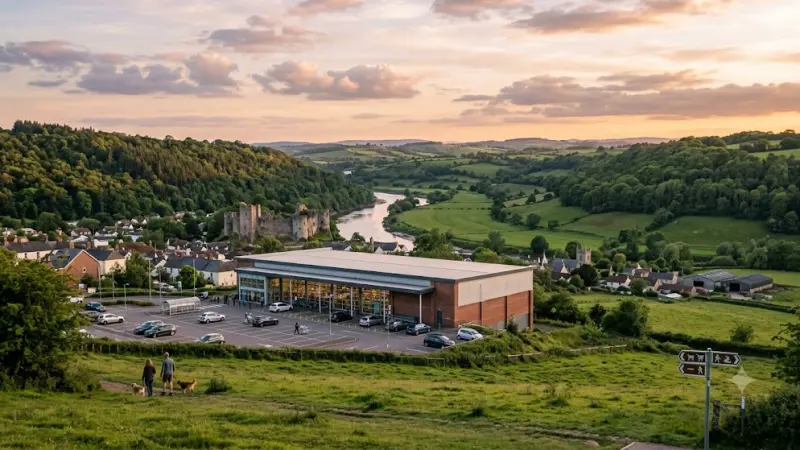
Explore Supermarkets in Chepstow and the Surr...
Read this insightful article "Explore Supermarkets in Chepstow and the Surrounding Wye Valley" to expand your knowledge!
Elite Guide to Taxi and Private Hire Services...
Read this insightful article "Elite Guide to Taxi and Private Hire Services in Hereford" to expand your knowledge!
Explore Fuel and Roadside Convenience Across...
Read this insightful article "Explore Fuel and Roadside Convenience Across Beckington Today" to expand your knowledge!
Questions & Answers – Find What
You Need, Instantly!
How can I update my business listing?
Is it free to manage my business listing?
How long does it take for my updates to reflect?
Why is it important to keep my listing updated?
