
National Rail Enquiries: The Ultimate UK Train Travel & Fare Guide
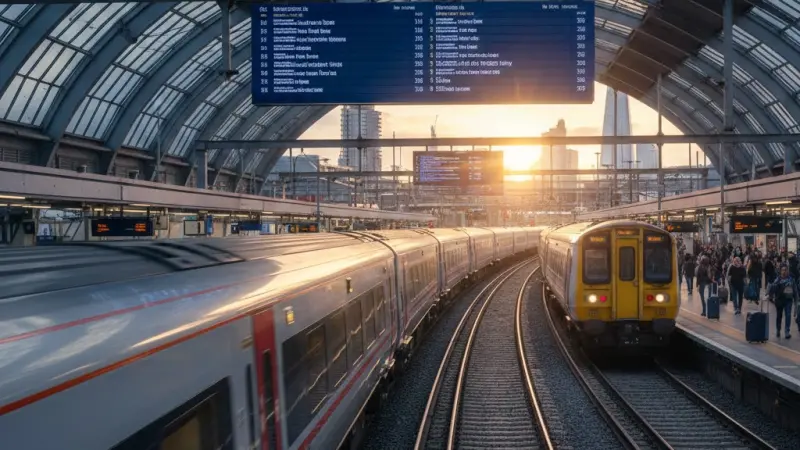
National Rail Enquiries serves as the primary gateway for passengers seeking comprehensive information about the Great Britain railway network. It acts as the definitive source for live train movements, planned engineering works, and fare information across all train operating companies. To get the most accurate results for your journey, simply enter your departure and arrival stations into the journey planner to view a full list of available services, including connection times and platform numbers. By using this central portal, travellers can compare various routes and ensure they are obtaining the most up-to-date data directly from the industry’s shared information system.
Understanding how to navigate the complexities of the British rail system is essential for both daily commuters and occasional tourists. National Rail Enquiries provides the underlying data that powers most third-party travel apps, making it the most reliable point of truth for service disruptions and timetable changes. Whether you are looking for the cheapest Advance fares or need to check if your morning commute is running on schedule, this platform offers the tools necessary to manage your travel efficiently. With integration across web, mobile, and SMS services, the information is accessible regardless of your location or device.
Navigating the vast British rail network
The British railway system is a sophisticated web of interconnected lines operated by various private companies under a unified informational umbrella. National Rail Enquiries functions as the glue that holds this information together, providing a seamless interface for passengers who might otherwise struggle to coordinate journeys involving multiple operators. It is designed to remove the guesswork from rail travel, offering a transparent view of every scheduled service from the Highlands of Scotland to the southern coasts of Cornwall. Accessing this data allows for better preparation and more reliable transit across the country.
Finding the most efficient routes
Selecting the right route often involves more than just looking for the shortest duration. The system allows users to filter by direct services or those with fewer changes, which is particularly useful when travelling with heavy luggage or young children. It also highlights potential bottlenecks in the network, allowing savvy travellers to choose alternative paths that might avoid busy London terminals or known areas of congestion. Using the 'via' or 'avoid' functions in the planner provides a level of customisation that ensures the journey fits the passenger’s specific needs.
Optimising your transfer times
When a journey requires a change of trains, the system automatically calculates a minimum connection time based on the specific station’s layout. However, users can manually increase this window if they prefer a more relaxed pace. This is highly recommended at larger stations like Birmingham New Street or Manchester Piccadilly where navigating between platforms can take longer than expected during peak periods.
Mastering the art of fare finding
The cost of rail travel in the UK can vary significantly depending on when and how you book. National Rail Enquiries offers a comprehensive Fare Finder tool that illustrates the differences between Anytime, Off-Peak, and Super Off-Peak tickets. Understanding these categories is the first step toward reducing your annual travel spend. The platform does not sell tickets directly but directs you to the relevant train operating company, ensuring you pay the official price without added booking fees often found on third-party retail sites.
Securing the lowest possible prices
Booking in advance is the most effective strategy for securing low-cost travel. These tickets usually go on sale twelve weeks before the date of travel and are limited in number. By using the 'cheapest fares' tool, passengers can view a grid of prices across different days and times, making it easier to spot the bargains. Flexibility is your greatest asset here; travelling just an hour later can sometimes result in a saving of over fifty percent, especially when transitioning out of the morning peak window.
Leveraging railcards for maximum discount
Railcards are an essential investment for almost any rail traveller, offering a standard third off most rail fares. Whether you qualify for the Sixteen to Twenty-five, Senior, or Two Together Railcard, the savings usually cover
the initial cost of the card within just one or two long-distance trips. Ensure the railcard discount is selected during the enquiry phase to see the adjusted prices immediately.
Interpreting live service updates accurately
Live updates are perhaps the most critical feature for the modern commuter. The system provides 'Real-Time' data, which tracks the actual position of trains via GPS and track-side sensors. This allows the enquiry service to predict arrival times with high accuracy, even when a train has been delayed earlier in its journey. Staying informed through the live departure boards helps passengers make quick decisions, such as opting for an alternative route or informing colleagues and family of a late arrival.
Dealing with unexpected service disruptions
Disruptions can occur for various reasons, from adverse weather conditions to technical faults. When significant delays happen, National Rail Enquiries publishes 'National Service Indicators' which give a bird's-eye view of which operators are struggling. These alerts often include 'ticket acceptance' information, informing you if you can use your ticket on buses or other train lines. Knowing this early can save hours of waiting on a cold platform while a fault is being rectified.
Understanding the delay repay scheme
If your journey is delayed by more than fifteen or thirty minutes (depending on the operator), you are usually entitled to compensation. The enquiry system provides links to the specific claim forms for each company. It is vital to keep your original ticket and take a screenshot of the delay as shown on the live departures board to simplify the claims process later on.
Planning for scheduled engineering works
Maintenance is a necessary part of keeping the railway safe and efficient, but it often requires line closures, typically during weekends or bank holidays. The National Rail system allows you to look ahead several months to see if engineering works are planned for your intended travel dates. This foresight prevents the frustration of arriving at a station only to find a replacement bus service in operation, which inevitably adds significant time to any journey.
Managing the replacement bus experience
While nobody looks forward to a rail replacement bus, being prepared makes the experience more bearable. These buses often depart from different locations than the main station entrance, and the enquiry service usually provides maps and clear directions to these temporary stops. If you have mobility requirements or are travelling with a bicycle, it is essential to check the specific restrictions for these bus services, as they differ significantly from standard train regulations.
Checking the future travel calendar
For those planning significant events like weddings or holidays, the future travel calendar is an invaluable resource. It highlights major projects, such as station upgrades or bridge replacements, that might affect wide areas of the network. Checking this before sending out invitations or booking non-refundable accommodation is a critical step in modern UK travel planning.
Common mistakes in rail travel planning
One of the most frequent errors passengers make is assuming that the first price they see is the only one available. Many fail to check if 'splitting' their tickets—buying two separate tickets for different legs of the same journey—might be cheaper than a single through-ticket. Another common pitfall is ignoring the specific restrictions on Off-Peak tickets, which can lead to hefty fines or the requirement to purchase a new, full-price ticket on the train if caught travelling during restricted hours.
Avoiding peak time price traps
Peak times are not universal; they vary between different train companies and routes. A common mistake is assuming that 'Off-Peak' starts at the same time everywhere. Always use the National Rail enquiry tool to check the specific 'Validity Code' of your ticket.
This code provides the exact times your ticket becomes valid, helping you avoid the embarrassment and expense of being asked to leave a train because your ticket is not yet active for travel.
Ensuring correct station selection
In cities with multiple stations, such as London, Birmingham, or Glasgow, selecting the wrong terminal can lead to missed connections. For example, a ticket to 'London Terminals' might be valid to several stations, but a ticket to 'London Euston' is specific. Always double-check which station your train departs from, as walking between London terminals can take upwards of forty minutes, which is rarely accounted for in a tight schedule.
Practical steps for a seamless journey
To ensure your journey runs smoothly, start by downloading the official National Rail Enquiries app and setting up 'alerts' for your frequent routes. This ensures that any changes to your regular trains are pushed directly to your phone. Secondly, always aim to arrive at the station at least fifteen minutes before departure, especially at large terminals where the platform may not be announced until ten minutes before the train leaves. This allows time for security checks, ticket barrier queues, and locating your carriage.
Using the seat reservation system
On long-distance routes, a seat reservation is often free when buying a ticket. Even if you have an open ticket, you can usually head to a ticket office and request a reservation for a specific service. This is particularly important on busy Friday afternoons or Sunday evenings when trains can be standing-room only. The enquiry system will show you if a service is expected to be exceptionally busy, helping you decide whether to book a specific seat in advance.
Digital tickets and battery life
With the rise of m-Tickets and e-Tickets, your smartphone has become your most important travel document. A practical tip is to always carry a portable power bank or a printed backup of your QR code. If your phone dies and you cannot show your ticket to a conductor or at a barrier, you are technically travelling without a valid ticket, which can result in a Penalty Fare. Many modern trains offer USB charging points, but these should not be relied upon as a sole power source.
Future outlook for the UK rail system
The landscape of British rail is set to undergo significant changes with the introduction of Great British Railways, a new public body intended to integrate the network more effectively. This transition aims to simplify ticketing and provide a more unified brand for passengers. We can expect to see more 'contactless' pay-as-you-go travel rolled out across the regions, similar to the system currently used in London, which would eliminate the need to navigate complex fare structures for many short-distance journeys.
Technological advancements in track and train
Newer rolling stock with better Wi-Fi, more power sockets, and improved air conditioning is slowly being introduced across various franchises. Furthermore, digital signalling technology is being installed on major routes like the East Coast Main Line, which will allow
trains to run closer together, increasing frequency and reducing the impact of minor delays. These infrastructure investments are designed to make rail a more competitive alternative to domestic flights and long-distance car travel.
Sustainability and the green agenda
As the UK strives for net-zero emissions, the rail network plays a pivotal role. Further electrification of the lines is a priority, moving away from diesel-only trains to bi-mode or fully electric fleets. For the passenger, this means quieter, smoother journeys and the satisfaction of choosing the most environmentally friendly way to travel long distances. National Rail Enquiries is increasingly incorporating carbon footprint data into its planners to help travellers make informed choices based on sustainability.
Accessibility and assistance for all passengers
Making the railway accessible to everyone is a legal and moral imperative. The 'Passenger Assist' service allows those with disabilities or mobility issues to book help in advance. This can include assistance with boarding and alighting, navigating the station, or carrying luggage. National Rail Enquiries provides a central point to book this assistance across all operators, ensuring that a journey involving multiple changes is coordinated so that staff are ready to help at every stage.
Reviewing station facility information
Before travelling, it is wise to check the facilities available at your departure and arrival stations. The system provides detailed information on lift access, accessible toilets, and the availability of tactile paving. It also lists the opening hours of waiting rooms and staffed ticket offices. For those with hidden disabilities, many stations now recognise the Sunflower Lanyard, and information on which stations offer 'calm spaces' is becoming more readily available through the enquiry portals.
Travelling with bikes and pets
Rules regarding bicycles vary wildly between operators; some require reservations, while others operate on a first-come, first-served basis. Similarly, most trains allow dogs on leads or small pets in carriers, but there are limits. Using the station and operator information pages on National Rail Enquiries ensures you won't be turned away at the platform. Being aware of these policies in advance prevents stressful confrontations and ensures a pleasant journey for you and your fellow passengers.
FAQ
How do I find the cheapest train tickets?
To find the lowest fares, use the National Rail Fare Finder and book your tickets as early as possible, usually twelve weeks in advance. Look for 'Advance' tickets and try to travel during Off-Peak or Super Off-Peak times. Additionally, using a Railcard can save you a third on most journeys, and avoiding peak morning and evening travel periods will significantly reduce costs.
Can I get a refund if my train is delayed?
Yes, most UK train companies operate a Delay Repay scheme. If your train is delayed by fifteen or thirty minutes or more, you are entitled to compensation. The amount depends on the length of the delay and the type of ticket you hold. You should submit your claim directly to the train operating company within twenty-eight days of the delayed journey, providing your ticket as proof.
What is the difference between Off-Peak and Super Off-Peak?
Off-Peak tickets are valid for travel at less busy times of the day, usually outside morning and evening rush hours. Super Off-Peak tickets are even more restrictive, often limited to the middle of the day or weekends, but they offer the greatest savings. The exact times these tickets become valid vary by route and operator, so always check the specific validity code on the enquiry website.
How do I book assistance for my journey?
You can book assistance through the Passenger Assist service, either via the National Rail Enquiries website or by calling the train operator directly. It is recommended to book at least two hours before travel, though you can now book much further in advance.
This service ensures that staff are informed of your needs and available to help you with boarding, luggage, or navigating stations.
Is it cheaper to buy tickets at the station?
Generally, no. Buying tickets at the station on the day of travel usually means you will pay the 'Anytime' rate, which is the most expensive fare. Booking online in advance is almost always cheaper, as it gives you access to Advance fares that are not available at station vending machines. However, for short, local journeys, the price at the machine and online is often the same.
Disclaimer: The information provided in this article is for general informational and research purposes only. Company details, features, services, and market positions may change over time. Readers are advised to visit official company websites and conduct independent research before making any business decisions or purchasing services.
Most Searchable Keywords
Recent Blogs
-

Pavel Durov — The Visionary Founder Behind Telegram Messenger
-
UK Exam Calendar 2026–2027: The Complete Guide to Every Upcoming Exam, Deadline & Results Day
-
How Much BBC Radio 4 Today Programme Hosts Really Earn
-
New UK Trade Union Access Rules for Employers in 2026
-
Winter Fuel Payment Eligibility and How Much You Could Get


Related Listings

Categories
- Accountants (295)
- Advertising Agencies (559)
- Architects (149)
- Automobiles (377)
- Beauty (300)
- Carpenters (146)
- Cleaning Services (387)
- Dentists (189)
- Driving (62)
- Education (1)
- Electricians (215)
- Energy (8)
- Event Organiser (686)
- Finance (602)
- Guide (3377)
- Health (2207)
- Information technology (206)
- Legal Services (357)
- Logistics (6)
- Maintenance (65)
Sponsored Listings in Computer Repairs

Related Blogs

Pavel Durov — The Visionary Founder Behind Te...
Read this insightful article "Pavel Durov — The Visionary Founder Behind Telegram Messenger" to expand your knowledge!

UK Exam Calendar 2026–2027: The Complete Guid...
Read this insightful article "UK Exam Calendar 2026–2027: The Complete Guide to Every Upcoming Exam, Deadline & Results Day" to expand your...

How Much BBC Radio 4 Today Programme Hosts Re...
Read this insightful article "How Much BBC Radio 4 Today Programme Hosts Really Earn" to expand your knowledge!
Questions & Answers – Find What
You Need, Instantly!
How can I update my business listing?
Is it free to manage my business listing?
How long does it take for my updates to reflect?
Why is it important to keep my listing updated?
