
How to Choose Between Air
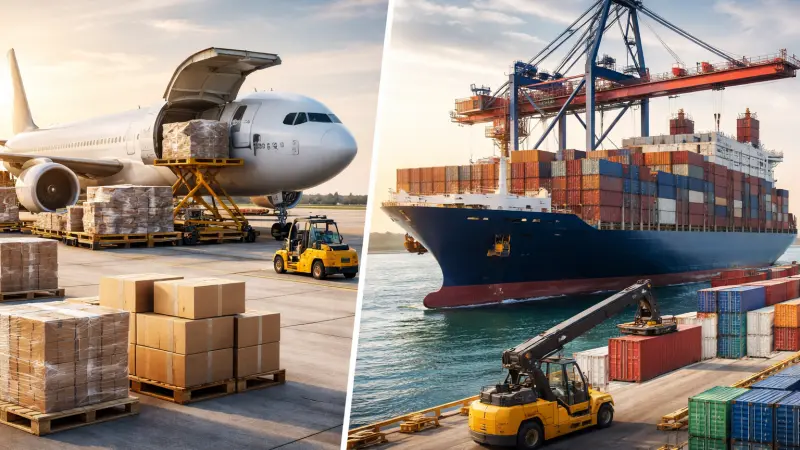
Imagine you have a consignment of goods that needs to reach a client overseas. You have two primary options: load it onto a cargo aircraft and have it delivered within days, or pack it into a shipping container and wait several weeks for it to arrive by sea. The right choice is rarely obvious, and making the wrong decision can cost your business time, money, and customer satisfaction.
Choosing between air freight and sea freight is one of the most consequential logistics decisions a business can make. Whether you are a small enterprise shipping for the first time or an established company reviewing your supply chain, understanding the trade-offs between these two modes of freight transport is essential. This guide explores every major factor — from cost and speed to environmental impact and cargo suitability — to help you make an informed decision.
Understanding the Two Primary Freight Options
Before comparing the two, it helps to understand what each method involves and how the freight industry in the UK uses them.
What Is Air Freight?
Air freight refers to the transportation of goods by aircraft, either on dedicated cargo planes or in the hold of passenger flights. It is favoured for its speed and reliability, making it the preferred choice for high-value, time-sensitive, or perishable shipments. Major UK airports — including Heathrow, Manchester, and East Midlands — serve as important hubs for international air cargo.
What Is Sea Freight?
Sea freight, also known as ocean freight, involves transporting goods in containers aboard cargo ships. It is the dominant method for global trade, accounting for approximately 90% of all internationally traded goods by volume. UK ports such as Felixstowe, Southampton, and London Gateway handle enormous volumes of containerised cargo each year.
Cost Comparison: Which Option Is More Affordable?
Cost is typically the first consideration for most businesses when choosing a shipping method. The difference between air and sea freight pricing can be substantial, and it is important to understand how each is calculated.
Air Freight Costs
Air freight is charged based on either the actual weight or the volumetric (dimensional) weight of the shipment — whichever is greater. Airlines apply a conversion formula to calculate dimensional weight, meaning bulky but light items can be expensive to ship by air. Additional charges such as fuel surcharges, security fees, and terminal handling charges also apply.
On average, air freight costs between three and five times more than sea freight for the same cargo. For transatlantic shipments, businesses might pay anywhere from £2 to £8 per kilogram by air, compared to significantly lower rates per kilogram by sea for large volumes.
Sea Freight Costs
Ocean freight is charged per container (using Full Container Load, or FCL) or per cubic metre for smaller shipments that share container space with other cargo (Less than Container Load, or LCL). Sea freight rates fluctuate considerably depending on global demand, fuel prices, port congestion, and seasonal factors.
For large volumes, sea freight offers a compelling cost advantage. Shipping a full 20-foot container from the UK to China, for example, typically costs a fraction of what the same goods would cost to send by air.
Hidden Costs to Consider
- Customs clearance fees apply to both methods but can vary depending on port of entry.
- Insurance costs tend to be higher for sea freight due to the longer exposure period and risks such as weather damage.
- Warehousing and demurrage costs can accumulate if sea freight shipments are delayed at ports.
- Packaging requirements differ: sea freight cargo often needs more robust packaging to withstand longer transit and potential moisture exposure.
Speed and Transit Times
If cost is the first factor, speed is almost always the second —
and here, the gap between air and sea freight is considerable.
How Fast Is Air Freight?
Air freight is the fastest mode of international shipping available. A shipment from the UK to destinations in North America or the Middle East can arrive within one to three days. Routes to Asia typically take between two and five days, depending on the airline, any connecting flights, and customs processing time at the destination.
This speed makes air freight invaluable when dealing with:
- Urgent replenishment of stock to avoid production shutdowns
- Time-sensitive deliveries with contractual deadlines
- Seasonal products where delays would make goods unsaleable
- Emergency humanitarian or medical supplies
How Long Does Sea Freight Take?
Sea freight is considerably slower. Transit times depend on the origin and destination ports, the shipping route, and whether there are any transshipment points (where cargo is transferred from one vessel to another). As a general guide:
- UK to UK (East Coast): 10–14 days
- UK to China: 25–35 days
- UK to Australia: 25–40 days
- UK to South Africa: 20–30 days
When you factor in port processing, customs clearance, and inland delivery at the destination, the door-to-door lead time can be considerably longer. Businesses that rely on sea freight must plan their supply chains well in advance to avoid stock shortages.
Cargo Suitability: What Can Be Shipped by Air or Sea?
Not all goods are suitable for every mode of transport. The nature of your cargo plays a significant role in determining which method is appropriate.
Goods Best Suited to Air Freight
- High-value items: Electronics, luxury goods, jewellery, and pharmaceuticals justify the higher cost because the value-to-weight ratio makes air freight economically sensible.
- Perishable goods: Fresh produce, cut flowers, and temperature-sensitive medications require the speed of air transport to maintain quality.
- Urgent spare parts: Manufacturing businesses often use air freight for critical components to prevent costly production delays.
- Documents and small parcels: For small, lightweight items, air freight can be the most cost-effective option despite the higher per-kilogram rate.
Goods Best Suited to Sea Freight
- Bulk commodities: Raw materials such as grain, coal, metals, and chemicals are typically shipped by sea due to volume constraints on aircraft.
- Heavy machinery and vehicles: Large equipment that exceeds aircraft weight and size limits must travel by ship.
- Consumer goods: Clothing, furniture, and household appliances are commonly shipped in containers where delivery time is less critical.
- Hazardous materials: Many dangerous goods have stricter restrictions on air transport; sea freight often provides more accommodating regulations.
Restricted and Prohibited Items
Both modes of transport have restrictions. Air freight regulations are stricter regarding lithium batteries, aerosols, and flammable materials. Sea freight has its own rules around certain chemicals and goods classified as marine pollutants. Always consult your freight forwarder or check with UK customs authorities before shipping restricted items.
Reliability and Risk Factors
Beyond cost and speed, reliability is a critical consideration — particularly for businesses with tight supply chains or contractual delivery obligations.
Air Freight Reliability
Air freight is generally regarded as the more reliable of the two methods. Airlines operate on strict schedules, and flight delays are typically measured in hours rather than days. The risk of cargo damage is lower, as goods spend less time in transit and are handled in controlled environments. However, air freight can be disrupted by extreme weather, strikes, and capacity constraints during peak seasons such as Chinese New Year or the pre-Christmas period.
Sea Freight Risks
Ocean freight is subject to a broader range of risks over its longer transit period. These include:
- Weather disruptions: Severe storms can delay vessels or force route changes.
- Port congestion: Major ports sometimes experience significant backlogs, particularly during periods of high demand.
- Container damage: Moisture, temperature variations, and physical handling can affect goods in transit.
- Piracy: Certain shipping lanes, particularly in the Gulf of Aden and parts of Southeast Asia, carry elevated risks.
Despite these risks, sea freight is used successfully for the vast majority of global trade.
Working with an experienced freight forwarder and taking out adequate marine cargo insurance can mitigate most concerns.
Environmental Impact
Sustainability has become an increasingly important factor in logistics decision-making, particularly as UK businesses strive to meet environmental, social, and governance (ESG) commitments.
Carbon Emissions: Air vs Sea
Air freight produces significantly higher carbon emissions per tonne of cargo than sea freight. According to industry estimates, air cargo generates approximately 47 times more carbon dioxide per tonne-kilometre than ocean shipping. For businesses with ambitious sustainability targets or those subject to emissions reporting requirements, this difference is difficult to ignore.
That said, the shipping industry also contributes substantially to global emissions, and both sectors are under increasing pressure to decarbonise. Many major shipping lines are investing in liquefied natural gas (LNG) vessels and exploring hydrogen and ammonia-based fuels. Similarly, several airlines are pursuing sustainable aviation fuel (SAF) programmes to reduce their carbon footprint.
If your business is committed to reducing its environmental impact, sea freight is the lower-carbon option for most shipments. Where air freight is unavoidable, many logistics providers now offer carbon offset schemes.
Customs, Documentation, and Compliance
Navigating customs requirements is a necessary part of international shipping, and the process differs slightly between air and sea freight.
Air Freight Customs
Air freight shipments are typically cleared through customs relatively quickly. UK importers benefit from systems such as HMRC's Customs Declaration Service (CDS), which facilitates electronic submission of import and export declarations. The speed of air customs clearance aligns well with the faster transit times.
Sea Freight Customs
Sea freight customs can be more complex, particularly for full container loads involving a wide variety of goods. Documentation requirements include:
- Bill of Lading (the key sea freight transport document)
- Commercial Invoice
- Packing List
- Certificate of Origin (where applicable)
- Import/Export Licences (for controlled goods)
Since Brexit, UK businesses importing and exporting goods to and from the EU face additional documentation requirements that apply
equally to both air and sea shipments. Ensuring compliance is critical to avoiding delays and financial penalties.
When to Use Air Freight
Air freight is the right choice when one or more of the following conditions apply:
- The shipment is time-sensitive and delay would result in financial loss or contractual penalties.
- The goods are high-value and the cost of air freight is justified relative to the cargo's worth.
- The cargo is perishable and cannot withstand a multi-week sea journey.
- The shipment is relatively small and lightweight, making sea freight impractical.
- You need a predictable, reliable transit time to maintain inventory levels.
When to Use Sea Freight
Sea freight is the appropriate choice when:
- You are shipping large volumes or heavy cargo where air freight costs would be prohibitive.
- Your supply chain allows sufficient lead time to accommodate longer transit periods.
- The goods are not time-sensitive and do not require special temperature or humidity control.
- Reducing shipping costs is a priority to maintain competitive pricing.
- Minimising your carbon footprint is an important business objective.
The Hybrid Approach: Combining Air and Sea Freight
Many businesses use a combination of both methods depending on the nature of the shipment, seasonal demand, and supply chain conditions. For example, a retail business might use sea freight for its regular stock replenishment orders while relying on air freight for urgent top-up shipments during peak trading periods.
Some logistics providers also offer air-sea intermodal services, where cargo travels part of the journey by air and the remainder by sea, balancing cost and speed. This can be an effective strategy for shipments destined for landlocked regions accessible by sea only via a major coastal port.
Choosing a Freight Forwarder
Regardless of whether you choose air or sea freight, working with a reputable and experienced freight forwarder is strongly advisable. A good freight forwarder will:
- Advise on the most cost-effective and suitable shipping method for your cargo.
- Handle customs documentation and compliance on your behalf.
- Negotiate favourable rates with airlines and shipping lines due to their buying power.
- Provide cargo insurance options and risk management advice.
- Offer real-time tracking and proactive communication about shipment status.
When evaluating freight forwarders in the UK, look for membership of recognised industry bodies such as the British International Freight Association (BIFA) or the Freight Transport Association (FTA, now Logistics UK). These affiliations indicate adherence to professional standards and codes of practice.
Key Considerations at a Glance
| Factor | Air Freight | Sea Freight |
|---|---|---|
| Cost | High | Low to moderate |
| Speed | 1–5 days | 10–40+ days |
| Reliability | Very high | Moderate to high |
| Cargo capacity | Limited | Very large |
| Environmental impact | High emissions | Lower emissions |
| Best for | High-value, urgent, perishable | Bulk, non-urgent, heavy goods |
Improving Your Business Visibility Alongside Your Logistics Strategy
As you refine your freight and shipping strategy, it is equally important to ensure your business is easily discoverable by the clients and partners you serve. Many UK companies — particularly those in the freight, logistics, and import-export sectors — are increasingly turning to online business directory platforms like Local Page UK to improve their visibility and reach. Listing your business on reputable business directories in UK enables potential clients searching for freight services, supply chain partners, or specialist logistics providers to find you more readily. For businesses targeting local or sector-specific markets, UK business directory websites and online business directory UK platforms represent a cost-effective and practical means of building brand presence. Whether you operate a freight forwarding company, a customs consultancy, or a warehousing business, appearing on trusted business directories UK — including niche platforms such as a black business directory UK — can help connect you with the right audience and support sustainable business growth.
Questions Clients Commonly Ask
Is air freight always more expensive than sea freight?
In most cases, yes. Air freight is typically three to five times more expensive per kilogram than sea freight. However, for very small or lightweight shipments, the cost difference may be less significant, and the time savings can justify the higher expense. Always request quotes for both methods before making a decision.
Can I ship any type of goods by air freight?
Not all goods can be shipped by air. Certain hazardous materials, lithium batteries, and flammable liquids are subject to strict regulations or outright prohibitions on commercial flights. Your freight forwarder or the airline's dangerous goods department can advise on what is permissible. Sea freight generally offers more flexibility for regulated goods, though it has its own set of restrictions.
How do I calculate which shipping method is more cost-effective for my business?
Start by comparing the total landed cost of each option, including freight charges, customs duties, insurance, packaging, and warehousing. Then factor in the commercial impact of each transit time — can your business tolerate a 30-day delay, or does a late delivery risk losing a client? In many cases, sea freight is more economical for planned shipments, while air freight is reserved for urgent or high-value cargo.
What happens if my sea freight shipment is delayed at port?
Port congestion and delays are a known risk with sea freight. If your container is held at a port beyond the agreed free storage period, you may incur demurrage charges (for delays at the shipping terminal) or detention charges (if a container is held beyond the agreed collection period).
To mitigate this risk, plan adequate buffer time into your supply chain and ensure your documentation is complete and accurate to avoid customs-related delays.
Does Brexit affect air freight and sea freight differently?
Brexit has introduced additional customs documentation requirements for goods moving between the UK and the European Union, affecting both air and sea freight equally. Businesses must now submit customs declarations for EU-bound or EU-origin shipments, which was not previously required when the UK was part of the EU customs union. Working with a freight forwarder familiar with post-Brexit procedures is strongly advisable to ensure compliance and avoid delays.
Disclaimer: The information provided in this article is for general informational and research purposes only. Company details, features, services, and market positions may change over time. Readers are advised to visit official company websites and conduct independent research before making any business decisions or purchasing services.
Most Searchable Keywords
Recent Blogs


Related Listings


Categories
- Accountants (295)
- Advertising Agencies (559)
- Architects (149)
- Automobiles (377)
- Beauty (300)
- Carpenters (146)
- Cleaning Services (387)
- Dentists (189)
- Driving (62)
- Education (1)
- Electricians (215)
- Energy (8)
- Event Organiser (689)
- Finance (602)
- Guide (3492)
- Health (2207)
- Information technology (207)
- Legal Services (361)
- Logistics (6)
- Maintenance (65)
Sponsored Listings in Plumbers

Related Blogs

Creamfields Daresbury: Impact on Local Reside...
Read this insightful article "Creamfields Daresbury: Impact on Local Residents" to expand your knowledge!

UK High Street Businesses in 2026-27: Which S...
Read this insightful article "UK High Street Businesses in 2026-27: Which Sectors Are Growing?" to expand your knowledge!

Why Complete Business Listings Matter More Th...
Read this insightful article "Why Complete Business Listings Matter More Than You Think" to expand your knowledge!
Questions & Answers – Find What You Need, Instantly!
Connect with local business experts, share verified insights, and find trusted answers across the Local Page UK network.
Ask Community
Ask questions to the Local Page UK community
Share Knowledge
Share your knowledge to help out others
Find Solutions
Find answers or offer instant solutions
Some of the most popular fantasy TV shows include "Game of Thrones," known for its epic battles and political intrigue, "The Witcher," which features monster hunting and magic, and "Stranger Things," blending supernatural elements with 1980s nostalgia. Other notable mentions are "His Dark Materials," "Shadow and Bone," and "The Mandalorian," each offering unique worlds and captivating storytelling that have garnered large fan bases.
When seeking bathroom renovation providers that handle both plumbing and tiling, it's advisable to look for licensed contractors who specialize in comprehensive bathroom remodels. Companies such as Home Depot, Lowe's, and Bath Fitter offer these services, often providing a seamless experience by managing all aspects of the renovation process. Additionally, local contractors with positive reviews in platforms like Angie's List or Houzz may also offer tailored solutions for your bathroom needs.
Absolutely, there are several distributors that supply crash mats and soft play equipment to gymnastics clubs in and around Birmingham. National companies like Gymnova, S & G (Spieth Gymnastics), and Jaques of London offer a wide range of crash mats, foam pits, and soft play pieces, and they typically deliver to the Birmingham area. For more local options, you might try The Gym Equipment Company, which has a showroom in the West Midlands, or check out smaller specialist suppliers like Playtime UK. Many of these distributors cater specifically to clubs, offering high-density foam mats that meet safety standards. I'd recommend reaching out to a few to compare pricing, delivery times, and whether they offer custom sizes or installation services. It's also worth checking if any of them have a physical showroom near Birmingham so you can test the equipment before buying. Happy tumbling!
For professionals seeking a reliable sanitaryware supplier in Manchester with trade account facilities, several established merchants combine extensive product ranges, competitive pricing, and dedicated trade support. The most reputable option is Graham Plumbers Merchant, which operates multiple branches across Manchester, including Salford Quays and Oldham. They offer a dedicated trade account service with preferential pricing, priority delivery scheduling, and access to a vast inventory of leading sanitaryware brands such as Villeroy & Boch, Duravit, Ideal Standard, and Roca. Their trade accounts typically include net 30-day payment terms, online account management, and a tailored project quotation system. Similarly, City Plumbing Supplies has several Manchester-based depots (such as Ashton-under-Lyne and Stockport) that cater specifically to trade customers, providing a rapid order-and-collect service, trade-only promotions, and a loyalty programme offering rebates on repeat purchases. Their product range covers everything from basins and WCs to complete bathroom suites and brassware, with in-house technical advisors available for specification support. Another key player is Plumb Center, part of the Wolseley Group, which offers trade accounts with bespoke pricing structures, direct-to-site deliveries within the Greater Manchester area, and access to over 10,000 lines of sanitaryware, including premium brands like Grohe and Hansgrohe. Their trade portal allows for real-time stock checking and order history tracking, facilitating efficient project management. For those seeking a more specialist or high-end option, Bathroom Spares in Manchester provides trade accounts with a focus on hard-to-find sanitaryware and discontinued ranges, which can be invaluable for refurbishment projects. Additionally, independent merchants such as M&B Plumbase in Trafford Park offer flexible trade terms, personalised service, and competitive pricing on both mainstream and luxury sanitaryware. When evaluating suppliers, trade customers should consider factors beyond price: reliability of stock availability, delivery timescales within Manchester’s often congested zones, clarity of returns policies, and the quality of after-sales support for warranty claims. It is advisable to request a trade account application from at least two to three suppliers to compare discounts, minimum order values, and payment terms. Many suppliers also offer showroom access for trade clients, allowing you to inspect finishes and dimensions before committing to large orders. For ongoing projects, establishing a relationship with a single supplier who offers consolidated invoicing and dedicated account management can streamline procurement. Ultimately, the most reliable supplier for your trade account in Manchester will be one that aligns with your volume requirements, preferred brands, and service expectations, so a site visit to their local branch and a discussion about your specific trade needs is highly recommended before committing to an account.
People in Leeds are loving their local florists—customers often mention gorgeous, fresh arrangements and super friendly service. Many rave about reliable same-day delivery and creative wedding bouquets. A few note pricing can vary, but overall, the buzz is all about quality and that personal touch making every order feel special.
Common problems for commercial gardening in Bristol include weed overgrowth, soil degradation, pest infestations, and irrigation malfunctions. Additionally, managing seasonal transitions, adhering to sustainability regulations, and maintaining consistent aesthetics pose significant challenges. Expert services mitigate these via structured maintenance, integrated pest management, and soil analysis to ensure long-term landscape health.