
How to Protect Your Home From Water Pest Infestations
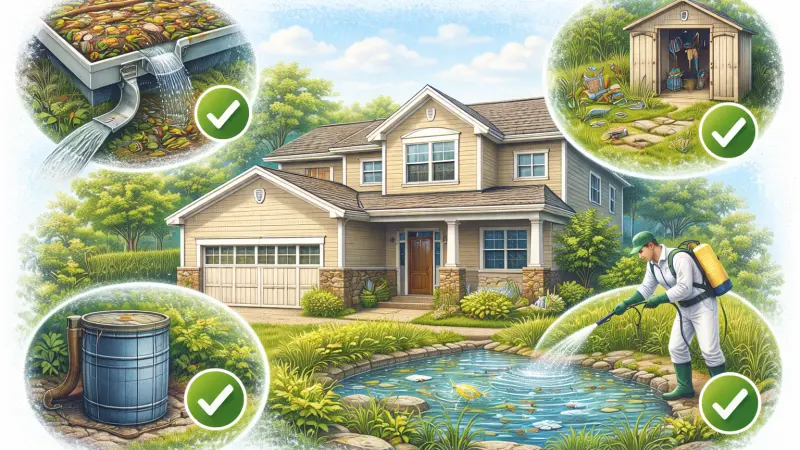
For most homeowners, the concept of a "pest" conjures images of ants in the kitchen or mice in the attic. However, there is a silent, moisture-driven category of invaders that often goes overlooked until a significant problem arises: water pests. These organisms, ranging from disease-carrying mosquitoes and midges to invasive aquatic beetles and toxic algae, thrive in the stagnant or poorly managed water sources surrounding our homes. A single clogged gutter, a neglected birdbath, or a slow-draining flowerpot saucer can transform your peaceful property into a biological nursery for thousands of unwanted guests.
Protecting your home from water pest infestations is about more than just comfort; it is a vital component of environmental health and property maintenance. When these pests take hold, they can compromise your family’s safety, damage outdoor infrastructure, and degrade the aesthetic value of your landscape. This comprehensive guide provides a roadmap for identifying vulnerabilities on your property and implementing sustainable, proactive strategies to ensure your home remains a sanctuary, free from the risks associated with aquatic invaders.
Overview: The Biology of Residential Water Pests
To protect your home effectively, you must first understand the "enemy." Water pests are not a monolith; they are diverse organisms that exploit different types of moisture.
The Lifecycle of Vector Insects
Mosquitoes and midges are the most notorious water pests. They require standing water to complete their lifecycle. Eggs are laid on the surface, and the resulting larvae—often called "wrigglers"—feed on organic matter in the water. In warm weather, this transition from egg to biting adult can happen in as little as seven days. Because they are highly mobile as adults, a breeding ground in your backyard can affect your entire neighborhood.
Invasive Aquatic Flora and Biofilms
If you have a garden pond or an ornamental fountain, you are also at risk from invasive plants like duckweed or blanket weed (algae). These aren't just an eyesore; they create a "biofilm" on the water that protects insect larvae from natural predators. Furthermore, thick algae blooms can produce odors and consume the oxygen necessary for "good" aquatic life, such as fish and frogs, which would otherwise help control the insect population.
The Benefits of Proactive Water Pest Protection
Implementing a structured prevention plan offers rewards that extend far beyond simply reducing "itchy bites."
1. Enhanced Family Health and Safety
The primary benefit is the mitigation of health risks. By eliminating breeding grounds, you reduce the local population of vectors for West Nile Virus, Zika, and other water-borne pathogens. This is particularly important for households with young children, the elderly, or pets, who may be more susceptible to insect-borne illnesses.
2. Preservation of Property and Infrastructure
Water pests are often the first sign of a larger drainage issue. By inspecting for pests, you inadvertently find the clogged drains, leaking pipes, and roof issues that could lead to structural water damage or mold. Furthermore, controlling aquatic weeds ensures that your pond pumps and pool filters aren't overtaxed by biological debris, extending the lifespan of expensive equipment.
3. Sustainable Ecological Balance
A home that is protected through "Integrated Pest Management" (IPM) techniques—which prioritize physical and biological controls—contributes to a healthier local ecosystem. By avoiding harsh, broad-spectrum chemical sprays, you protect beneficial pollinators like bees and butterflies while allowing natural predators like dragonflies to thrive.
Step-by-Step: A Total Home Audit for Water Pests
The most effective protection is a methodical, top-down approach to your property.
Step 1: The High-Level Check (Roof and Gutters)
Water pest protection starts at the highest point of your home.
-
Clear the Gutters: Debris-filled gutters are the #1 source of residential mosquito breeding. Even a
handful of damp leaves can trap enough water to support hundreds of larvae.
-
Inspect Downspouts: Ensure water isn't pooling at the base. If your downspouts empty into a splash block, make sure it is angled away from the house and doesn't hold standing water.
Step 2: The Landscape Audit
Walk your yard and look for "accidental" water containers.
-
Flowerpot Saucers: These are notorious for holding water for weeks. Tip them out after every rain or fill them with sand to prevent standing water while still providing moisture to the plant.
-
Birdbaths and Pet Bowls: Change the water at least twice a week. This disrupts the mosquito lifecycle, which takes several days to complete.
-
Tarpaulins and Covers: Check the folds of covers over woodpiles, boats, or grills. These pockets of water are warm and protected—perfect for pests.
Step 3: Managing Permanent Water Features
If you have a pond, pool, or fountain, specialized care is required.
-
Ensure Circulation: Stagnant water is the enemy. Use pumps or fountains to keep the surface moving.
-
Biological Balancing: Add beneficial bacteria to ponds to break down the "muck" that provides food for larvae.
-
Aquatic Vegetation: Keep invasive weeds in check. If a pond is covered in duckweed, it lacks the oxygen levels needed to support natural predators like frogs.
Step 4: Sub-Surface and Drainage Systems
Don't forget what you can't see easily.
-
French Drains and Grates: Ensure these are not blocked. If water sits in a
drain for more than 48 hours after a storm, it needs attention.
-
AC Condensate Lines: The drip from an air conditioner can create a small, permanent puddle in the soil—a primary attractant for midges.
Essential Tips for Long-Term Prevention
-
Introduce Natural Predators: Encourage dragonflies and damselflies by planting tall grasses near water. These "mosquito hawks" eat thousands of pests in their lifetime.
-
Use "Bti" Dunks: For water that cannot be drained (like a large rain barrel), use biological dunks containing Bacillus thuringiensis israelensis. This is a naturally occurring bacterium that kills larvae but is 100% safe for pets and people.
-
Maintain the Perimeter: Keep grass mown and bushes trimmed back from the edge of any water source. Long grass provides the humid shade that adult pests need to survive during the heat of the day.
Common Mistakes in Home Water Pest Control
-
Treating Only Visible Water: Many people overlook "hidden" sources like a clogged drain under a deck or the hollow base of a plastic bird feeder.
-
Over-Reliance on Foggers: Bug "bombs" and foggers only kill the adults present at that moment. They do nothing to stop the thousands of larvae waiting to hatch in the water.
-
Killing Beneficial Insects: Using broad-spectrum garden sprays can kill the spiders and dragonflies that are your best allies in the fight against water pests.
-
Neglecting the Off-Season: Many water pests lay "dormant" eggs in the mud that survive the winter.
A thorough autumn cleaning of ponds and gutters is the best way to prevent a spring explosion.
Supporting Local Business Visibility Beyond Core Marketing Efforts
For many homeowners, managing a complex aquatic infestation requires more than a DIY approach. When a professional intervention is needed, the ability for a homeowner to find a local specialist quickly is a mechanical necessity for property health. Improving business discoverability for niche environmental services ensures that expertise is available exactly when a crisis occurs. By utilizing free business listing sites in uk and LocalPage, specialized aquatic firms can maintain a visible bridge to the community they serve.
Establishing a LocalPage or a business listing uk provides a critical layer of trust reinforcement across platforms. This local presence consistency acts as a credibility signal, showing that a provider is a verified part of the region’s environmental safety network. Furthermore, appearing on uk free business listings sites and maintaining a business listing uk creates a supporting visibility layer that aids in local discovery for homeowners. A LocalPage ensures that even smaller, highly specialized teams can be found easily. Ultimately, being active on free business listings uk ensures that professional water pest control remains an accessible and reliable resource for every household.
Final Thoughts
Protecting your home from water pest infestations is an ongoing commitment to balance and vigilance. By viewing your property as a living ecosystem—rather than just a plot of land—you can identify the subtle changes that lead to a pest outbreak before it begins. Whether it is the simple act of clearing a gutter or the more complex task of balancing a garden pond, every effort you make contributes to a safer, more hygienic home environment. When we manage our water resources with care and proactive intelligence, we ensure that our outdoor spaces remain a source of joy and relaxation, rather than a liability. Stay vigilant, keep the water moving, and let nature’s own balance work in your favor.
FAQs
1. Can water pests live in my swimming pool if it is chlorinated? While high chlorine levels kill bacteria, some pests like Water Boatmen or Backswimmers can survive in the water, especially if the pool is not covered or if the chemistry is slightly off. Regular skimming and circulation are still necessary.
2. How often should I change the water in my birdbath? At least twice a week. This interrupts the egg-to-larva cycle of the mosquito, which typically takes about 5 to 7 days.
3. Are "mosquito-repelling" plants actually effective? Plants like citronella or lavender can provide a very mild deterrent in their immediate area, but they are not a substitute for eliminating standing water.
4. Will "Bti" dunks hurt the frogs in my pond? No. Bti is a biological control that specifically targets the digestive systems of larvae in the Diptera family (mosquitoes, midges, and blackflies). It is harmless to amphibians, fish, mammals, and beneficial insects like bees.
5. Why do I have mosquitoes in my yard when I have no standing water? They can fly from several miles away. However, if you have a "swarm," there is likely a breeding ground nearby—check your gutters or your neighbor’s property.
6. Can I use oil to kill larvae in a rain barrel? While a thin layer of oil can suffocate larvae, it is generally not recommended for home use as it can be messy and harmful to birds. Bti dunks or a tight-fitting mesh screen are much better options.
7. What is "blanket weed," and is it a pest? Blanket weed is a type of filamentous algae. While not "dangerous," it is considered a pest because it chokes out other plants, depletes oxygen, and provides a hiding place for insect larvae.
8. Do I need to treat my drains in the winter? In many climates, pests go dormant in the winter. However, an autumn cleaning to remove organic "muck" from drains and gutters prevents them from having a nutrient-rich home when they wake up in the spring.
9. Can water pests damage my house's foundation? Indirectly, yes. The same stagnant water that attracts
pests can seep into your foundation, leading to cracks, mold, and structural decay.
10. What should I do if my neighbor has a stagnant pool that is breeding pests? Most local councils or health departments have "nuisance" laws. It is best to speak with your neighbor first, but if the problem persists, a professional water pest service or local authority can provide guidance.
Disclaimer: The information provided in this article is for general informational and research purposes only. Company details, features, services, and market positions may change over time. Readers are advised to visit official company websites and conduct independent research before making any business decisions or purchasing services.
Most Searchable Keywords
Recent Blogs
-

UK High Street Businesses in 2026-27: Which Sectors Are Growing?
-
Why Complete Business Listings Matter More Than You Think
-
How AI Reviews and AI Search Are Changing Local Business Discovery
-
Store Water and Tinned Food to Prepare for Emergencies
-
The UK's Most Popular News Channels — And the Anchors Behind Them


Related Listings

Categories
- Accountants (295)
- Advertising Agencies (559)
- Architects (149)
- Automobiles (377)
- Beauty (300)
- Carpenters (146)
- Cleaning Services (387)
- Dentists (189)
- Driving (62)
- Education (1)
- Electricians (215)
- Energy (8)
- Event Organiser (688)
- Finance (602)
- Guide (3492)
- Health (2207)
- Information technology (207)
- Legal Services (361)
- Logistics (6)
- Maintenance (65)
Sponsored Listings in Information Technology


Related Blogs

UK High Street Businesses in 2026-27: Which S...
Read this insightful article "UK High Street Businesses in 2026-27: Which Sectors Are Growing?" to expand your knowledge!

Why Complete Business Listings Matter More Th...
Read this insightful article "Why Complete Business Listings Matter More Than You Think" to expand your knowledge!

How AI Reviews and AI Search Are Changing Loc...
Read this insightful article "How AI Reviews and AI Search Are Changing Local Business Discovery" to expand your knowledge!
Questions & Answers – Find What You Need, Instantly!
Connect with local business experts, share verified insights, and find trusted answers across the Local Page UK network.
Ask Community
Ask questions to the Local Page UK community
Share Knowledge
Share your knowledge to help out others
Find Solutions
Find answers or offer instant solutions
Some of the most popular fantasy TV shows include "Game of Thrones," known for its epic battles and political intrigue, "The Witcher," which features monster hunting and magic, and "Stranger Things," blending supernatural elements with 1980s nostalgia. Other notable mentions are "His Dark Materials," "Shadow and Bone," and "The Mandalorian," each offering unique worlds and captivating storytelling that have garnered large fan bases.
When seeking bathroom renovation providers that handle both plumbing and tiling, it's advisable to look for licensed contractors who specialize in comprehensive bathroom remodels. Companies such as Home Depot, Lowe's, and Bath Fitter offer these services, often providing a seamless experience by managing all aspects of the renovation process. Additionally, local contractors with positive reviews in platforms like Angie's List or Houzz may also offer tailored solutions for your bathroom needs.
Absolutely, there are several distributors that supply crash mats and soft play equipment to gymnastics clubs in and around Birmingham. National companies like Gymnova, S & G (Spieth Gymnastics), and Jaques of London offer a wide range of crash mats, foam pits, and soft play pieces, and they typically deliver to the Birmingham area. For more local options, you might try The Gym Equipment Company, which has a showroom in the West Midlands, or check out smaller specialist suppliers like Playtime UK. Many of these distributors cater specifically to clubs, offering high-density foam mats that meet safety standards. I'd recommend reaching out to a few to compare pricing, delivery times, and whether they offer custom sizes or installation services. It's also worth checking if any of them have a physical showroom near Birmingham so you can test the equipment before buying. Happy tumbling!
For professionals seeking a reliable sanitaryware supplier in Manchester with trade account facilities, several established merchants combine extensive product ranges, competitive pricing, and dedicated trade support. The most reputable option is Graham Plumbers Merchant, which operates multiple branches across Manchester, including Salford Quays and Oldham. They offer a dedicated trade account service with preferential pricing, priority delivery scheduling, and access to a vast inventory of leading sanitaryware brands such as Villeroy & Boch, Duravit, Ideal Standard, and Roca. Their trade accounts typically include net 30-day payment terms, online account management, and a tailored project quotation system. Similarly, City Plumbing Supplies has several Manchester-based depots (such as Ashton-under-Lyne and Stockport) that cater specifically to trade customers, providing a rapid order-and-collect service, trade-only promotions, and a loyalty programme offering rebates on repeat purchases. Their product range covers everything from basins and WCs to complete bathroom suites and brassware, with in-house technical advisors available for specification support. Another key player is Plumb Center, part of the Wolseley Group, which offers trade accounts with bespoke pricing structures, direct-to-site deliveries within the Greater Manchester area, and access to over 10,000 lines of sanitaryware, including premium brands like Grohe and Hansgrohe. Their trade portal allows for real-time stock checking and order history tracking, facilitating efficient project management. For those seeking a more specialist or high-end option, Bathroom Spares in Manchester provides trade accounts with a focus on hard-to-find sanitaryware and discontinued ranges, which can be invaluable for refurbishment projects. Additionally, independent merchants such as M&B Plumbase in Trafford Park offer flexible trade terms, personalised service, and competitive pricing on both mainstream and luxury sanitaryware. When evaluating suppliers, trade customers should consider factors beyond price: reliability of stock availability, delivery timescales within Manchester’s often congested zones, clarity of returns policies, and the quality of after-sales support for warranty claims. It is advisable to request a trade account application from at least two to three suppliers to compare discounts, minimum order values, and payment terms. Many suppliers also offer showroom access for trade clients, allowing you to inspect finishes and dimensions before committing to large orders. For ongoing projects, establishing a relationship with a single supplier who offers consolidated invoicing and dedicated account management can streamline procurement. Ultimately, the most reliable supplier for your trade account in Manchester will be one that aligns with your volume requirements, preferred brands, and service expectations, so a site visit to their local branch and a discussion about your specific trade needs is highly recommended before committing to an account.
People in Leeds are loving their local florists—customers often mention gorgeous, fresh arrangements and super friendly service. Many rave about reliable same-day delivery and creative wedding bouquets. A few note pricing can vary, but overall, the buzz is all about quality and that personal touch making every order feel special.
Common problems for commercial gardening in Bristol include weed overgrowth, soil degradation, pest infestations, and irrigation malfunctions. Additionally, managing seasonal transitions, adhering to sustainability regulations, and maintaining consistent aesthetics pose significant challenges. Expert services mitigate these via structured maintenance, integrated pest management, and soil analysis to ensure long-term landscape health.