
How to Reduce Electricity Bills UK Energy Saving Guide
- 👤 Alex
- 👁️ 285 Views
- Last Updated: March 19, 2026
- 🏷️ Electricians
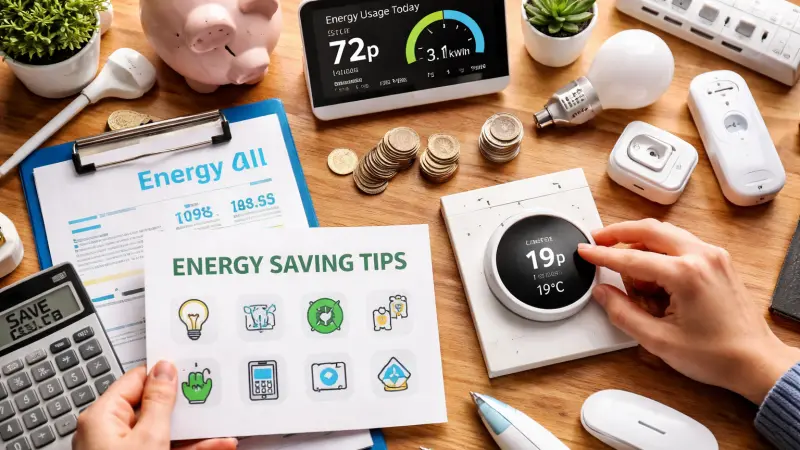
Did you know that the average UK household could save hundreds of pounds annually simply by auditing their daily electrical habits and upgrading legacy appliances? With energy price caps fluctuating and the cost of living remaining a primary concern for British families and businesses alike, understanding the nuances of electricity consumption is no longer just an environmental choice—it is a financial necessity.
The UK’s transition toward net-zero carbon emissions has highlighted a critical truth: electricity is a precious resource. However, many of us continue to operate inefficient machinery, leave "vampire devices" plugged in, and ignore the technological advancements that could drastically lower our monthly outgoings. This guide provides a deep dive into economising your electric charges through actionable, evidence-based strategies tailored for the British climate and market.
Optimising Washing Machine and Laundry Habits
The laundry room is often one of the most energy-intensive areas of a British home. High-wattage heating elements in washing machines and tumble dryers contribute significantly to the quarterly bill. By adopting a more systematic approach to laundry, households can see immediate reductions in kilowatt-hour (kWh) usage.
Full Load Efficiency
One of the most common mistakes is running multiple "half-loads" throughout the week. Regardless of the size of the load, the machine requires a baseline amount of energy to rotate the drum and power the control panel. By ensuring you only run the machine when you have a full load, you maximise the value of every penny spent on electricity. This practice not only saves power but also reduces water consumption and extends the lifespan of the appliance motor.
The Power of Cold Water Washes
In the UK, approximately 90% of a washing machine's energy consumption goes toward heating the water. Modern detergents are bio-engineered to perform exceptionally well at 30°C or even 20°C. Switching from a 40°C or 60°C wash to a 30°C cycle can reduce energy usage by nearly 40% per cycle. Reserve high-temperature washes only for items requiring sanitisation, such as bedding or towels during illness.
Tumble Dryer Alternatives and Enhancements
Tumble dryers are notorious "energy guzzlers." During the British summer and rare sunny spells, air-drying clothes on an outdoor line or a rotary airer is the most cost-effective method available.
If indoor drying is necessary during winter, consider using a heated clothes airer or a dehumidifier, both of which typically consume less electricity than a standard vented or condenser tumble dryer.
If you must use a dryer, try the "towel trick": adding a dry, clean hand towel to a wet load can absorb excess moisture and reduce the drying time by up to 25 minutes. Furthermore, ensuring the lint filter is cleaned before every cycle improves airflow, allowing the machine to work more efficiently and prevent overheating.
Modernising Lighting Systems
Lighting accounts for a substantial portion of a building's electricity profile. While the UK has largely moved away from traditional incandescent bulbs, many properties still utilise older "energy-saving" technology that has since been surpassed by superior LED alternatives.
From Incandescent and CFL to LED
Compact Fluorescent Lamps (CFLs) were once the gold standard for efficiency, but Light Emitting Diodes (LEDs) are now the undisputed leaders. An LED bulb uses roughly 75-80% less energy than a traditional bulb and lasts up to 25 times longer. For example, replacing a 60-watt incandescent bulb with a 10-watt LED provides the same level of brightness while costing a fraction of the price to operate.
UK Financial Insight: Based on average UK electricity tariffs, replacing just ten halogen or incandescent bulbs with LEDs could save a household upwards of £50 to £100 per year, depending on usage patterns.
The "Zero-Watt" Bulb Myth
Historically, many households used "0-watt" bulbs for night lights or decorative features. In reality, these bulbs often consumed between 15 and 28 watts. Modern 1-watt LED night lights offer a significant upgrade, providing sufficient illumination for safety while consuming negligible amounts of electricity. Over a 12-month period, the cumulative savings from replacing these hidden energy drains are substantial.
Smart Lighting and Habit Formation
Natural light is free. Keeping curtains drawn back and windows clean allows maximum daylight penetration, reducing the need for artificial lighting during the day.
For communal areas or hallways, PIR (Passive Infrared) sensors or timers can ensure lights are only active when movement is detected, preventing the common scenario of lights being left on in empty rooms overnight.
Understanding Star Ratings and Appliance Efficiency
When purchasing new appliances in the UK, it is vital to consult the energy label. The UK energy rating system was rescaled in 2021 to a simpler A-G scale, replacing the older A+++ system which had become confusing for consumers.
Investing in Grade 'A' Efficiency
While an 'A' rated appliance may have a higher upfront cost than a 'D' or 'E' rated equivalent, the "Total Cost of Ownership" is significantly lower. High-efficiency refrigerators, dishwashers, and ovens are designed with better insulation and smarter sensors that modulate power usage based on demand. For business owners and landlords, investing in high-rated appliances is a key strategy for long-term overhead reduction.
The Technicalities of Fan Usage and Cooling
While the UK rarely experiences extreme heat, the use of ceiling and desk fans is common during the summer months. How these fans are installed and operated can dictate their efficiency.
- Installation Heights: For ceiling fans, ensuring a minimum clearance of one foot from the ceiling allows for optimal air circulation. If the blades are too close to the surface, the motor works harder against air resistance, increasing current draw.
- Electronic Regulators: Older, resistance-based regulators dissipate excess energy as heat. Modern electronic regulators are far more efficient, controlling the motor speed without wasting electricity.
- Weight and Maintenance: Dust accumulation on fan blades increases weight and air drag. Regular cleaning ensures the motor operates at its intended load, maintaining performance without drawing extra power.
Combatting "Vampire Power" in Home Entertainment
The term "Vampire Power" refers to the electricity consumed by appliances while they are on standby mode. Modern televisions, games consoles, and set-top boxes are primary culprits.
Unplugging vs. Standby
Many UK consumers believe that turning off a device with a remote control is sufficient. However, the device remains in a low-power state to listen for the remote's signal or to perform background updates.
Unplugging the television at the wall or using a smart power strip that cuts all power when the primary device is off can save the average household approximately £30 a year in "hidden" costs.
Optimising Settings
High-end 4K and OLED televisions often come with "Eco Mode" or "Power Saving" settings enabled by default. These settings adjust the brightness of the screen based on ambient light levels in the room. Utilizing these features not only reduces electricity usage but also reduces eye strain during late-night viewing.
Frequently Asked Questions (FAQ)
This is a common myth. While there is a tiny "surge" of electricity when a light is turned on, it is negligible. For LEDs and incandescent bulbs, it is always more efficient to turn them off when leaving a room for even a few minutes.
A smart meter itself doesn't save electricity, but the In-Home Display (IHD) provides real-time data. By seeing which appliances cause the "dial" to spike, users can adjust their habits immediately, leading to an average reduction in usage of 5-10%.
Only if you are on a "Time of Use" tariff, such as Economy 7 or Economy 10. These tariffs provide cheaper electricity during off-peak hours (usually midnight to 7 am). If you are on a standard fixed or variable tariff, the price is the same regardless of the time.
Absolutely. Kettles are high-wattage devices (often 3kW). Boiling a full kettle for one cup of tea wastes a massive amount of energy.
Over a year, boiling only what you need can save enough electricity to run a television for dozens of hours.
Disclaimer: The information provided in this article is for general informational and research purposes only. Company details, features, services, and market positions may change over time. Readers are advised to visit official company websites and conduct independent research before making any business decisions or purchasing services.
Most Searchable Keywords
Recent Blogs


Related Listings
Categories
- Accountants (295)
- Advertising Agencies (559)
- Architects (149)
- Automobiles (377)
- Beauty (300)
- Carpenters (146)
- Cleaning Services (387)
- Dentists (189)
- Driving (62)
- Electricians (215)
- Energy (8)
- Event Organiser (686)
- Finance (602)
- Guide (3374)
- Health (2207)
- Information technology (206)
- Legal Services (354)
- Logistics (6)
- Maintenance (65)
- Manufacturing (35)
Sponsored Listings in Electricians

Related Blogs

Meet the Fair Work Agency Changing UK Work Ru...
Read this insightful article "Meet the Fair Work Agency Changing UK Work Rules in 2026" to expand your knowledge!

Collective Redundancy Errors Now Carry Higher...
Read this insightful article "Collective Redundancy Errors Now Carry Higher 2026 Penalties" to expand your knowledge!

Explore Dog Friendly Walks in the Cotswolds f...
Read this insightful article "Explore Dog Friendly Walks in the Cotswolds for 2026" to expand your knowledge!
Questions & Answers – Find What
You Need, Instantly!
How can I update my business listing?
Is it free to manage my business listing?
How long does it take for my updates to reflect?
Why is it important to keep my listing updated?
