
Energy Price Cap: A Comprehensive Guide to UK Utility Costs and Consumer Rights
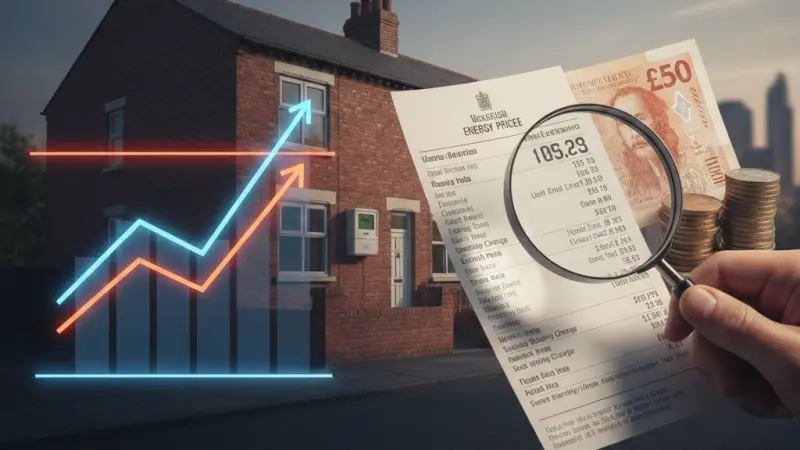
The energy price cap is a government-backed limit set by Ofgem, the independent energy regulator, which dictates the maximum amount energy suppliers can charge consumers in England, Scotland, and Wales for each unit of gas and electricity used. It is crucial to understand that the cap is not a limit on your total bill; rather, it limits the unit rate and the daily standing charge. If you use more energy, you will pay more. Currently, the cap applies to households on a standard variable tariff, which includes those who have never switched or those whose fixed-term deals have expired. By setting this ceiling, the regulator ensures that prices reflect the underlying costs of wholesale energy while preventing suppliers from making excessive profits at the expense of loyal customers.
For a typical household paying by direct debit, the energy price cap represents the average annual cost based on medium energy consumption. This mechanism is reviewed every three months to reflect the volatile nature of the global energy market. While the cap offers a degree of protection against sudden market spikes, it also means that bills rise when wholesale costs increase. Navigating this landscape requires a firm grasp of how unit rates are calculated and what external factors influence the quarterly adjustments made by Ofgem.
Understanding the Mechanics of Regulated Energy Pricing
The fundamental purpose of the price cap is to ensure that the price consumers pay for their energy is fair and consistent with the actual cost of providing that energy. Ofgem calculates the cap using a complex formula that includes wholesale energy costs, network maintenance fees, policy costs for social and environmental schemes, and operating costs for suppliers. By reviewing these data points quarterly, the regulator can adjust the cap to reflect the current economic climate, ensuring that when wholesale prices fall, consumers see the benefit on their bills relatively quickly.
However, the cap is often misunderstood as a total bill limit. In reality, it serves as a protection for those who are not on a fixed-rate contract. Since the energy crisis began, the majority of UK households have found themselves on standard variable tariffs, making the price cap the most significant factor in determining national living costs. Understanding these mechanics helps households budget more effectively and recognize when a fixed deal might finally offer better value than the fluctuating regulated rate.
The Role of the Independent Regulator
Ofgem acts as the custodian of the energy market, balancing the needs of consumers with the financial viability of energy suppliers. Their primary tool, the price cap, was introduced following concerns that loyal customers were being penalised by high standard variable rates. The regulator monitors international gas markets and domestic infrastructure requirements to set a ceiling that is intended to be competitive yet fair.
This oversight extends beyond just pricing; it involves ensuring that suppliers treat vulnerable customers with care, especially during periods of high price volatility. By mandating transparency in how bills are calculated, Ofgem provides a framework where consumers can theoretically compare different suppliers, although in recent years, most suppliers have priced their standard tariffs exactly at the level of the cap.
Impact on Monthly Household Budgeting
When the cap changes, the immediate effect is felt in the monthly direct debit. Suppliers often adjust these payments to spread the anticipated annual cost across twelve equal instalments. Consumers should monitor their usage closely when the cap rises to avoid falling into debt or accruing significant "underpayment" balances on their accounts during the colder winter months.
Factors Influencing Periodic Changes to the Ceiling
Several variables dictate whether the energy price cap will move up or down during the next review period. The most dominant factor is the wholesale price of gas and electricity, which is influenced by global supply chains, geopolitical events, and even weather patterns. For instance, a cold winter in Europe can deplete gas reserves, leading to higher prices that are eventually passed on to UK consumers through the quarterly cap adjustment.
Beyond wholesale costs, the "green levies" or social and environmental obligations also play a part. These funds support the transition to renewable energy and help provide assistance to low-income households through schemes like the Warm Home Discount. Additionally, the costs associated with maintaining the physical pipes and wires that deliver energy to your home—known as network costs—are also factored into the final figure, ensuring the grid remains reliable and safe for all users.
Global Market Volatility and Supply Chains
The UK’s reliance on international gas markets means that domestic bills are often at the mercy of events occurring thousands of miles away. Disruptions in pipeline supply or fluctuations in the availability of Liquefied Natural Gas (LNG) can cause immediate spikes in wholesale trading. Because Ofgem looks at a "window" of trading data to set the cap, these global trends are baked into the price consumers pay months later.
While the UK has significant renewable capacity, gas remains the marginal price setter for electricity. This means that even if you have a "green" tariff, the price you pay is still heavily influenced by the global price of natural gas. This interconnectedness highlights why the price cap remains a volatile but necessary protective measure in a globalised energy economy.
National Grid Maintenance and Infrastructure Costs
Maintaining the UK's ageing energy infrastructure is an expensive endeavour. A portion of every energy bill goes toward the companies that manage the high-voltage transmission lines and the local distribution networks.
These costs are regulated and reviewed periodically, but as the UK shifts toward a more decentralised, electric-heavy system, the investment required for the grid can put upward pressure on the price cap.
The Hidden Impact of Daily Standing Charges
A common point of frustration for many UK households is the standing charge. This is a fixed daily amount that you pay to be connected to the energy grid, regardless of how much gas or electricity you actually use. Even if you turn off every light and appliance in your home for a month, you will still be charged this daily fee. Under the price cap, Ofgem sets a maximum for these charges, which vary significantly depending on where in the country you live.
In recent years, standing charges have risen to cover the costs of failed energy suppliers—a process known as the "Supplier of Last Resort" scheme. When a company goes bust, the cost of moving their customers to a new provider is shared across all bill payers. This has led to a significant increase in the fixed portion of the bill, making it harder for low-usage households to reduce their costs through conservation efforts alone.
Regional Variations in Energy Infrastructure Costs
It is a little-known fact that the price cap is not a single national figure. Instead, it is a set of regional caps that reflect the different costs of transporting energy to different parts of Great Britain. Areas with lower population densities or more challenging geography often face higher standing charges because the cost per customer to maintain the local network is higher than in densely populated urban centres.
This regional disparity means that a household in North Wales or South West England might pay more for the same amount of energy than a household in the East Midlands. While Ofgem attempts to keep these variations within a reasonable range, the geographic reality of the UK’s energy grid remains a primary driver of the total cost reflected on your quarterly energy statement.
Why Your Standing Charge May Differ from Your Neighbour
Even within the same region, different payment methods can result in different standing charges. For example, customers who pay by cash or cheque often pay a higher rate than those on direct debit because they are more expensive for the supplier to manage. Similarly, those with prepayment meters have a different cap structure designed to reflect the specific costs of maintaining that payment infrastructure.
Strategic Approaches to Lowering Your Annual Bill
While the price cap sets the maximum price, there are still proactive steps consumers can take to lower their outgoings. The most effective method remains reducing overall consumption through energy efficiency. Simple measures, such as installing a smart meter, can provide real-time data on which appliances are the most expensive to run. This awareness often leads to behavioural changes, such as running washing machines during off-peak hours or lowering the flow temperature on a combi boiler.
Another strategy is to look for "Time of Use" tariffs if you have a smart meter. These tariffs offer cheaper electricity at times of low demand, such as overnight. For households with electric vehicles or those who can shift their heavy appliance usage to the early hours, these deals can work out significantly cheaper than the standard variable tariff governed by the price cap. However, they require a level of engagement and flexibility that may not suit every household.
The Return of Competitive Fixed Rate Deals
After a long period where no fixed deals were available that beat the price cap, the market is slowly starting to see the return of competitive contracts. A fixed-rate deal allows you to lock in a price for twelve or twenty-four months, providing certainty regardless of what Ofgem decides in future reviews. The risk, of course, is that if wholesale prices fall significantly, you could end up paying more than the regulated cap.
When considering a fix, look at the "exit fees" and compare the unit rates specifically against the current and projected price cap levels. Many experts suggest that if you can find a fix that is within five percent of the current cap, it may be worth the peace of mind to avoid future price hikes, especially as we approach the winter heating season.
Maximising Efficiency with Smart Home Technology
Smart thermostats and automated home energy management systems are becoming increasingly accessible. These devices can learn your schedule and ensure that you are not heating an empty house. By integrating these technologies with a solid understanding of your tariff's unit rates, you can significantly mitigate the impact of a high price cap on your final monthly expenditure.
Common Mistakes to Avoid During Price Fluctuations
One of the most frequent errors consumers make is assuming that the price cap is a "limit on their bill" and therefore neglecting to provide regular meter readings. If your supplier does not have up-to-date data, they will estimate your usage. If they underestimate during a period of low prices and then "catch up" with a massive bill when the price cap has risen, you could find yourself facing a significant financial shock.
Another mistake is failing to check if you are eligible for government support. Many households overlook the Warm Home Discount, the Cold Weather Payment, or the various local authority grants available for home insulation and boiler upgrades.
Ignoring these resources means you are essentially leaving money on the table while struggling to pay a bill that is capped at a historically high level. Consistency in communication with your supplier is key to avoiding these pitfalls.
The Danger of Relying on Estimated Billing
Estimates are rarely accurate and almost always favour the supplier's cash flow over the consumer's budget. By taking thirty seconds once a month to submit your readings via an app or website, you ensure that you only pay for exactly what you have used. This practice also makes it easier to spot an exceptionally high reading that might indicate a faulty appliance or a leak in your system.
In a capped environment, the unit rate is fixed, but your volume of use is the only variable you can truly control. Accurate billing is the first step in that control. If you have a smart meter, ensure it is actually communicating with your provider; occasionally, these devices can lose connection, reverting your account to estimated billing without you realising it.
Understanding the Fine Print of Fixed Contracts
Before switching to a fixed deal to "beat" the cap, read the terms regarding early termination. If you decide to move house or if prices drop dramatically, you may have to pay £75 or more per fuel to leave the contract. Always calculate the potential savings against these fees to ensure the move is financially sound in the long term.
Step by Step Guide to Challenging Your Energy Costs
If you feel your energy costs are too high despite the price cap, the first step is to perform a self-audit of your home's energy efficiency. Check for draughts around doors and windows, and ensure your loft has at least 270mm of insulation. Next, check your latest bill to see exactly which tariff you are on. If it says "Standard Variable" or "Default," you are currently protected by the Ofgem price cap, but you are also free to switch at any time without penalty.
The second step is to use a reputable price comparison service to see if any fixed deals are currently cheaper than the projected cap for the next six months. When comparing, do not just look at the monthly payment—which is an estimate—but compare the unit rates (kWh) and the daily standing charges. Finally, if you are struggling to pay, contact your supplier immediately. They have a legal obligation to work with you on a payment plan or direct you toward hardship funds that can help clear arrears.
How to Read Your Energy Statement Properly
Your energy bill contains a wealth of information that can help you save. Look for the "Personal Projection" section, which tells you what your supplier expects you to spend over the next year based on your current tariff. Compare this to your "Annual Consumption Details" to see if your usage is increasing or decreasing year-on-year. This data is the foundation of any successful strategy to lower your bills.
Understanding the difference between the "Gas" and "Electricity" portions of your bill is also vital. Gas is typically used for heating and is much cheaper per unit than electricity, but we often use far more of it. If your gas bill is the primary driver of your costs, focus on insulation; if electricity is the main expense, look at your lighting and high-drain appliances like tumble dryers.
Contacting Your Supplier for a Better Deal
Don't be afraid to pick up the phone. While most "standard" rates are the same due to the cap, suppliers occasionally have "retention" deals for existing customers that aren't advertised on comparison sites. Asking "Am I on your cheapest tariff?" is a simple question that can lead to unexpected savings, especially if you are willing to move to a paperless billing system or pay via direct debit.
Future Outlook for the UK Energy Market
The long-term future of the energy price cap is a subject of intense debate among policymakers and consumer advocates. As the UK moves toward its Net Zero targets, the way we price energy will likely undergo a fundamental shift.
There are proposals to "decouple" the price of electricity from the price of gas, which would theoretically allow the lower costs of wind and solar power to be passed directly to consumers more effectively than the current system allows.
Furthermore, the introduction of "smart" everything—from appliances to the grid itself—will likely lead to more dynamic pricing. While the price cap provides a necessary safety net today, the energy market of the 2030s may rely more on automated systems that shift demand to times of high supply. Staying informed about these changes is essential for any household looking to maintain a sustainable and affordable energy budget in the coming decade.
The Transition to Renewable Energy Systems
The government's commitment to decarbonising the power grid by 2030 will require massive investment in offshore wind, nuclear, and solar power. While this investment may lead to higher network costs in the short term, the eventual goal is a more stable energy market that is not reliant on the price of imported fossil fuels. This transition is the only long-term solution to the price volatility that makes the price cap so necessary today.
For the individual consumer, this means that the "energy price cap" of the future might look very different. It might focus on protecting those who cannot engage with smart technology or provide a baseline for "essential" energy use. Regardless of the form it takes, the principles of fairness and transparency will remain at the heart of the regulatory framework as we move away from the gas-dependent era.
Preparing Your Home for the Future of Energy
Preparing for this future involves thinking beyond just the next quarterly cap. Investing in heat pumps, solar panels, or home battery storage can effectively "cap" your own prices by reducing your reliance on the national grid. While the upfront costs are significant, various government grants and low-interest loans are increasingly available to help UK homeowners make these transitions and secure their long-term energy independence.
Frequently Asked Questions
Does the energy price cap limit my total annual bill?
No, the energy price cap only limits the amount a supplier can charge you for each unit of gas and electricity, as well as the daily standing charge. The figures often quoted in the media are based on a "typical" household's usage. If you use more energy than the average household, your total bill will be higher than the headline cap figure provided by Ofgem.
Why are standing charges so high even when I use no energy?
Standing charges cover the fixed costs of providing energy services, including the maintenance of the pipes and wires that connect your home to the grid. They also include the costs associated with failed energy suppliers and government social schemes. Because these are fixed costs for the network operators, they are charged every day regardless of how much actual energy passes through your meter.
Should I switch to a fixed-rate energy deal right now?
Switching to a fixed deal depends on your personal appetite for risk and the current market rates. If you can find a fixed deal that is close to the current price cap, it can provide valuable protection against potential price hikes in the future. However, if market prices fall, you could end up paying more than those on the regulated standard variable tariff until your contract ends.
How often does Ofgem review and change the price cap level?
Ofgem reviews the energy price cap every three months, with new levels coming into effect on the first of January, April, July, and October. These frequent updates allow the regulator to adjust prices more accurately in line with the latest wholesale energy costs. You will typically receive a notification from your energy supplier at least a few weeks before any changes affect your monthly payments.
What happens to my energy bill if my supplier goes out of business?
If your supplier fails, Ofgem will automatically move you to a "Supplier of Last Resort." Your energy supply will not be interrupted, and any credit balance you have is protected. You will be placed on a standard variable tariff with the new supplier, which will be governed by the price cap. Once the move is complete, you are free to shop around for a better deal.
Disclaimer: The information provided in this article is for general informational and research purposes only. Company details, features, services, and market positions may change over time. Readers are advised to visit official company websites and conduct independent research before making any business decisions or purchasing services.
Most Searchable Keywords
Recent Blogs


Related Listings

Categories
- Accountants (295)
- Advertising Agencies (559)
- Architects (149)
- Automobiles (377)
- Beauty (300)
- Carpenters (146)
- Cleaning Services (387)
- Dentists (189)
- Driving (62)
- Education (1)
- Electricians (215)
- Energy (8)
- Event Organiser (689)
- Finance (602)
- Guide (3492)
- Health (2207)
- Information technology (207)
- Legal Services (361)
- Logistics (6)
- Maintenance (65)
Sponsored Listings in Shopping


Related Blogs

Creamfields Daresbury: Impact on Local Reside...
Read this insightful article "Creamfields Daresbury: Impact on Local Residents" to expand your knowledge!

UK High Street Businesses in 2026-27: Which S...
Read this insightful article "UK High Street Businesses in 2026-27: Which Sectors Are Growing?" to expand your knowledge!

Why Complete Business Listings Matter More Th...
Read this insightful article "Why Complete Business Listings Matter More Than You Think" to expand your knowledge!
Questions & Answers – Find What You Need, Instantly!
Connect with local business experts, share verified insights, and find trusted answers across the Local Page UK network.
Ask Community
Ask questions to the Local Page UK community
Share Knowledge
Share your knowledge to help out others
Find Solutions
Find answers or offer instant solutions
Some of the most popular fantasy TV shows include "Game of Thrones," known for its epic battles and political intrigue, "The Witcher," which features monster hunting and magic, and "Stranger Things," blending supernatural elements with 1980s nostalgia. Other notable mentions are "His Dark Materials," "Shadow and Bone," and "The Mandalorian," each offering unique worlds and captivating storytelling that have garnered large fan bases.
When seeking bathroom renovation providers that handle both plumbing and tiling, it's advisable to look for licensed contractors who specialize in comprehensive bathroom remodels. Companies such as Home Depot, Lowe's, and Bath Fitter offer these services, often providing a seamless experience by managing all aspects of the renovation process. Additionally, local contractors with positive reviews in platforms like Angie's List or Houzz may also offer tailored solutions for your bathroom needs.
Absolutely, there are several distributors that supply crash mats and soft play equipment to gymnastics clubs in and around Birmingham. National companies like Gymnova, S & G (Spieth Gymnastics), and Jaques of London offer a wide range of crash mats, foam pits, and soft play pieces, and they typically deliver to the Birmingham area. For more local options, you might try The Gym Equipment Company, which has a showroom in the West Midlands, or check out smaller specialist suppliers like Playtime UK. Many of these distributors cater specifically to clubs, offering high-density foam mats that meet safety standards. I'd recommend reaching out to a few to compare pricing, delivery times, and whether they offer custom sizes or installation services. It's also worth checking if any of them have a physical showroom near Birmingham so you can test the equipment before buying. Happy tumbling!
For professionals seeking a reliable sanitaryware supplier in Manchester with trade account facilities, several established merchants combine extensive product ranges, competitive pricing, and dedicated trade support. The most reputable option is Graham Plumbers Merchant, which operates multiple branches across Manchester, including Salford Quays and Oldham. They offer a dedicated trade account service with preferential pricing, priority delivery scheduling, and access to a vast inventory of leading sanitaryware brands such as Villeroy & Boch, Duravit, Ideal Standard, and Roca. Their trade accounts typically include net 30-day payment terms, online account management, and a tailored project quotation system. Similarly, City Plumbing Supplies has several Manchester-based depots (such as Ashton-under-Lyne and Stockport) that cater specifically to trade customers, providing a rapid order-and-collect service, trade-only promotions, and a loyalty programme offering rebates on repeat purchases. Their product range covers everything from basins and WCs to complete bathroom suites and brassware, with in-house technical advisors available for specification support. Another key player is Plumb Center, part of the Wolseley Group, which offers trade accounts with bespoke pricing structures, direct-to-site deliveries within the Greater Manchester area, and access to over 10,000 lines of sanitaryware, including premium brands like Grohe and Hansgrohe. Their trade portal allows for real-time stock checking and order history tracking, facilitating efficient project management. For those seeking a more specialist or high-end option, Bathroom Spares in Manchester provides trade accounts with a focus on hard-to-find sanitaryware and discontinued ranges, which can be invaluable for refurbishment projects. Additionally, independent merchants such as M&B Plumbase in Trafford Park offer flexible trade terms, personalised service, and competitive pricing on both mainstream and luxury sanitaryware. When evaluating suppliers, trade customers should consider factors beyond price: reliability of stock availability, delivery timescales within Manchester’s often congested zones, clarity of returns policies, and the quality of after-sales support for warranty claims. It is advisable to request a trade account application from at least two to three suppliers to compare discounts, minimum order values, and payment terms. Many suppliers also offer showroom access for trade clients, allowing you to inspect finishes and dimensions before committing to large orders. For ongoing projects, establishing a relationship with a single supplier who offers consolidated invoicing and dedicated account management can streamline procurement. Ultimately, the most reliable supplier for your trade account in Manchester will be one that aligns with your volume requirements, preferred brands, and service expectations, so a site visit to their local branch and a discussion about your specific trade needs is highly recommended before committing to an account.
People in Leeds are loving their local florists—customers often mention gorgeous, fresh arrangements and super friendly service. Many rave about reliable same-day delivery and creative wedding bouquets. A few note pricing can vary, but overall, the buzz is all about quality and that personal touch making every order feel special.
Common problems for commercial gardening in Bristol include weed overgrowth, soil degradation, pest infestations, and irrigation malfunctions. Additionally, managing seasonal transitions, adhering to sustainability regulations, and maintaining consistent aesthetics pose significant challenges. Expert services mitigate these via structured maintenance, integrated pest management, and soil analysis to ensure long-term landscape health.