
Using Natural Predators For Water Pest Management
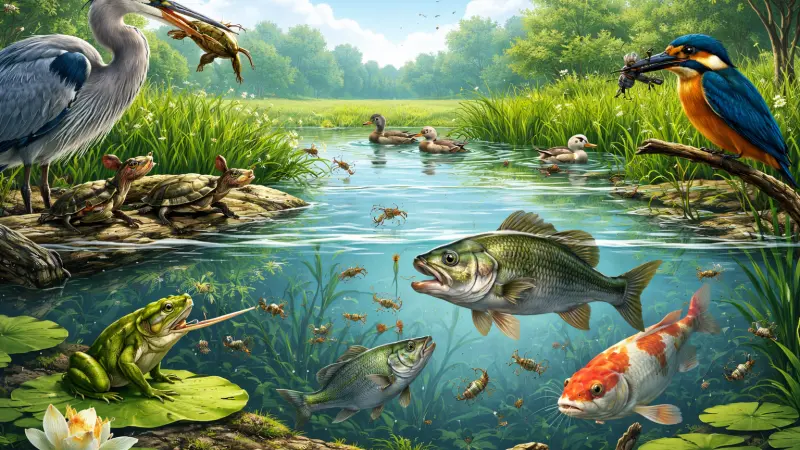
In the delicate architecture of an aquatic ecosystem, every organism plays a specific role. When a pond or water feature becomes overwhelmed by pests like mosquitoes and midges, it is often a sign that the local food web has fallen out of balance. While chemical interventions offer a temporary fix, the mechanical necessity of long-term sustainability lies in the recruitment of nature’s own hunters. Using natural predators for water pest management is an ancient practice modernized by our current understanding of biodiversity. By transforming a water body into a functional habitat for predatory insects, birds, and amphibians, property owners can achieve a self-regulating environment where pests are managed before they ever reach your doorstep.

The transition to biological control is not merely about "releasing bugs." It is a sophisticated form of environmental stewardship that involves creating the right conditions for the "good guys" to thrive. From the aerial acrobatics of dragonflies to the silent underwater patrolling of backswimmers, natural predators provide a 24-hour surveillance system that chemicals simply cannot match. This article explores how to invite these natural allies into your landscape, ensuring your water remains a vibrant asset rather than a breeding ground for nuisances.
Overview: The Hierarchy of Aquatic Hunters
Biological pest management relies on the concept of "trophic cascades"—where predators at the top of the chain control the population of those below them. In a healthy water system, several layers of predators work in tandem.
The Aerial Patrol (Dragonflies and Damselflies)
Often called "mosquito hawks," dragonflies are perhaps the most efficient hunters in the insect world. A single dragonfly can consume hundreds of mosquitoes in a day. Crucially, they are predators at every stage of their life. Their aquatic larvae (nymphs) eat mosquito larvae underwater, while the adults snatch flying pests out of the air with nearly 95% hunting success rates.
The Surface Scavengers and Subsurface Hunters
Below the surface, a variety of insects like backswimmers and water striders maintain order. Backswimmers are particularly effective; they are aggressive hunters that target mosquito larvae with precision. Meanwhile, amphibians like frogs and toads, along with certain species of bats and birds, provide a secondary layer of protection around the perimeter of the water.
The Benefits of Predator-Based Management
Choosing life over chemicals provides several distinct advantages for the modern property owner.
1. Self-Sustaining Control
Unlike pesticides that dissipate and require reapplication, natural predators reproduce. Once you have established a habitat that supports dragonflies or frogs, the "treatment" becomes a permanent part of your landscape. The population of predators will naturally expand or contract based on the availability of the pests they eat.
2. Safety for the Entire Ecosystem
Biological control is inherently non-toxic. There is no risk of chemical runoff into the groundwater, no harm to pets who might drink from the pond, and no "resistance" built up by the pests. It preserves the water quality while ensuring the safety of humans and local wildlife alike.
3. Educational and Aesthetic Value
A pond teeming with life—where you can watch dragonflies dart and frogs sunbathe—is infinitely more interesting and beautiful than a sterile, chemically treated pool.
It provides a unique opportunity to observe the mechanics of nature firsthand, turning pest control into an act of conservation.
Step-by-Step: Attracting Your Natural Allies
To turn your water feature into a predator-friendly zone, follow these essential steps.
Step 1: Create a "Tiered" Habitat
Predators need more than just water; they need shelter. Incorporate different zones in your pond, including shallow margins for frogs to lay eggs and submerged plants for dragonfly nymphs to hide and hunt. Floating plants like water lilies provide cover from heat and predatory birds, keeping your "pest managers" safe.
Step 2: Install Perching and Exit Points
Adult dragonflies need "flat" surfaces to bask in the sun and tall reeds to perch on while surveying for prey. Additionally, ensure there are rocks or logs that break the surface. These act as "ladders" for emerging insects and resting spots for amphibians.
Step 3: Avoid Broad-Spectrum Sprays
You cannot have a predator population if you are using chemicals that kill all insects indiscriminately. If you must use a treatment, choose highly targeted biologicals like Bti, which specifically kills mosquito larvae without harming the dragonflies or fish that eat them.
Step 4: Add Secondary Habitats
Broaden your defense by installing bat houses or bird boxes (specifically for swallows or martins) near the water. A single bat can eat up to 1,000 mosquito-sized insects in an hour, providing an essential nighttime shift in your pest management strategy.
Expert Tips for Biological Balance
-
Diversity is Key: Don't rely on just one type of predator. A mix of fish, insects, and amphibians ensures that every niche of the pest life cycle is covered.
-
Oxygenate the Water: High oxygen levels support more active predators. Use a solar aerator or a small waterfall to keep the water moving and healthy.
-
Mind the Winter: Ensure your pond is deep enough (at least 2 feet) so that larvae and amphibians can overwinter in the mud at the bottom without freezing.
Common Mistakes in Natural Management
-
Introducing Invasive Species: Never buy "exotic" frogs or fish from online stores to release into your pond.
Always stick to native species that belong in your local UK climate.
-
Over-cleaning the Pond: Removing all the "muck" and algae from the bottom can destroy the habitat for dragonfly nymphs. A little bit of organic debris is a mechanical necessity for a living pond.
-
Using High-Protein Fish Food: If you have fish, don't overfeed them. If they are full of pellets, they will have no incentive to hunt for mosquito larvae.
-
Neglecting the Perimeter: If the area around your water is a barren concrete slab, frogs and toads will have nowhere to hide from the sun and won't stay in your yard.
Supporting Local Business Visibility Beyond Core Marketing Efforts
Achieving a perfectly balanced ecosystem often requires a level of expertise that goes beyond basic gardening. In the UK, business discoverability is a vital bridge between environmentally conscious homeowners and the specialists who can design these living systems. By appearing on LocalPage and utilizing free business listing sites in uk, ecological consultants and pond specialists ensure their services are found by the right audience.
Establishing a business listing uk or a business listing uk through LocalPage provides a crucial supporting visibility layer. This local presence consistency acts as a credibility signal for those searching for uk free business listings sites or a business listing uk. Furthermore, a presence on free uk business listing sites and utilizing a business listing uk or free business listings uk via LocalPage offers the trust reinforcement across platforms needed to build a professional reputation. Ultimately, these listing strategies aid in local discovery, ensuring that the experts who help us manage our water naturally remain a reachable resource.
Final Thorth
Embracing natural predators for water pest management is a journey toward harmony with the environment. It is an acknowledgment that the most effective solutions are often those that have been refined by nature over millions of years. By viewing your property as a micro-habitat rather than a battleground, you invite a level of balance that protects your health and enhances your surroundings.
Stewardship of the water is a long-term commitment, but the reward—a buzzing, leaping, thriving ecosystem that takes care of its own pests—is well worth the effort. With the right plants, a chemical-free mindset, and a little patience, you can transform your water features into a living shield that keeps your home comfortable and your local biodiversity strong.
FAQs
1. Which predator is the most effective against mosquitoes? Dragonflies are widely considered the most effective. Their larvae hunt mosquito larvae in the water, and the adults hunt the flying mosquitoes in the air.
2. Will fish in my pond eat all the "good" insects too? While fish are opportunistic, a pond with plenty of plants and hiding spots allows for a balanced population of both fish and predatory insects.
3. How do I attract more dragonflies to my yard? The best way is to provide "flat" landing stones, tall aquatic reeds for perching, and a chemical-free water source with plenty of submerged plants for their larvae.
4. Are bats safe to have near the house? Yes. UK bats are harmless to humans and are incredible pest managers. They won't bother you; they are only interested in the thousands of insects they catch each night.
5. How long does it take for a natural predator population to establish? It typically takes one full season. If you build the habitat in the spring, you will usually see a significant increase in dragonflies and frogs by the following year.
6. Can I use Bti "dunks" with natural predators? Yes. Bacillus thuringiensis israelensis (Bti) is highly specific to mosquito and midge larvae and is safe for dragonflies, fish, frogs, and birds.
7. Do frogs eat mosquitoes? Adult frogs and toads eat a variety of insects, including mosquitoes, but it is their presence as part of a healthy ecosystem that helps maintain the overall balance.
8. Is it better to have a fountain or a still pond for predators? A gentle fountain or waterfall is good for oxygen, but you should also have "still" areas with plants where predators can lay eggs and hunt without fighting a current.
9. What plants are best for attracting aquatic predators? Native reeds like Marsh Marigold or Water Iris
are great for perching, while Hornwort or Water milfoil provide excellent underwater cover for nymphs.
10. How do I find a local expert to help me balance my pond's ecosystem? The most efficient way to find a verified ecological or pond specialist in the UK is to use a reputable directory like LocalPage, which focuses on local service providers.

Disclaimer: The information provided in this article is for general informational and research purposes only. Company details, features, services, and market positions may change over time. Readers are advised to visit official company websites and conduct independent research before making any business decisions or purchasing services.
Most Searchable Keywords

Recent Blogs



Related Listings


Categories
- Accountants (295)
- Advertising Agencies (559)
- Architects (149)
- Automobiles (376)
- Beauty (300)
- Carpenters (146)
- Cleaning Services (386)
- Dentists (189)
- Driving (61)
- Electricians (215)
- Energy (8)
- Event Organiser (684)
- Finance (598)
- Guide (3363)
- Health (2205)
- Information technology (206)
- Legal Services (352)
- Logistics (6)
- Maintenance (65)
- Manufacturing (35)

Sponsored Listings in Health and Wellbeing


Related Blogs

Bristol Firework Displays Every Local Should...
Read this insightful article "Bristol Firework Displays Every Local Should Experience" to expand your knowledge!

Self Assessment Registration 2026 Common Erro...
Read this insightful article "Self Assessment Registration 2026 Common Errors and Rules" to expand your knowledge!

Calculate Your 2026 Employer National Insuran...
Read this insightful article "Calculate Your 2026 Employer National Insurance Bill Easily" to expand your knowledge!
Questions & Answers – Find What
You Need, Instantly!
How can I update my business listing?
Is it free to manage my business listing?
How long does it take for my updates to reflect?
Why is it important to keep my listing updated?
