
How Water Purification Services Enhance Commercial Property Value UK
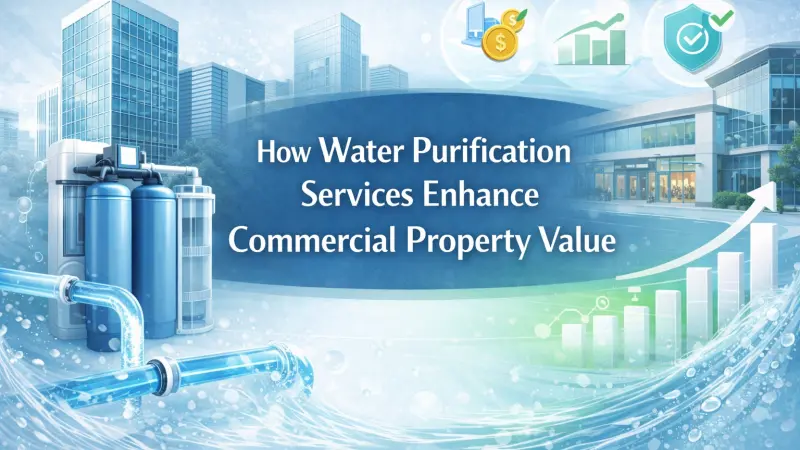
In the competitive landscape of modern real estate, what defines a "premium" commercial asset is increasingly shifting from mere aesthetic appeal to the robustness of its internal life-support systems. As environmental awareness grows and utility costs rise, the quality of the water flowing through a building's veins has become a significant factor in determining its market valuation and operational desirability. For institutional investors and property managers, implementing advanced water refining capabilities is no longer a luxury but a strategic enhancement that safeguards the building’s physical integrity while improving the experience of its occupants.
The Relationship Between Infrastructure Quality and Asset Valuation
A commercial property is, at its core, a vessel for business operations, and the reliability of its utilities is paramount. When a building is equipped with high-level purification systems at the point of entry, it mitigates the risks associated with municipal supply fluctuations. These systems serve as a primary defence against the gradual degradation caused by particulates, chemical residues, and biological contaminants. By ensuring that only high-purity water enters the internal plumbing, the property owner effectively extends the lifecycle of the building's most expensive mechanical components.
In the context of property valuation, surveyors and prospective buyers often look beyond the surface to the "hidden" costs of ownership. A building with a demonstrated history of water treatment typically shows fewer signs of internal pipe corrosion and boiler scaling. This translates to lower projected capital expenditure (CapEx) for the new owner, directly influencing the final sale price or lease agreement. The presence of such systems signals to the market that the property has been maintained to a superior standard, elevating its status above older or less refined assets.
Operational Efficiency and Utility Cost Mitigation
The economic performance of a commercial asset is heavily influenced by its utility consumption. Water purification plays a pivotal role here by ensuring that heat exchangers, cooling towers, and industrial boilers operate at peak thermodynamic efficiency. Mineral deposits from untreated water act as insulators, requiring more energy to achieve the same temperature changes. When purification services are integrated, these systems remain clean, reducing energy overheads and contributing to a more favourable Net Operating Income (NOI).
Furthermore, refined water quality reduces the chemical requirement for cooling tower maintenance and commercial cleaning. In large-scale office complexes or retail centres, the cumulative savings on detergents, descalers, and sanitising agents can be substantial.
These operational savings are highly attractive to tenants who are responsible for service charges, making the property more competitive in a crowded market. Lower service charges combined with higher utility reliability create a compelling value proposition for high-quality corporate tenants.
Occupant Wellbeing and Productivity in Professional Spaces
The modern workplace is increasingly evaluated on its ability to support occupant health and wellbeing. Access to high-quality drinking water is a fundamental expectation in Grade A office spaces. By providing purified water directly from the tap, property managers can eliminate the need for bulky water coolers and single-use plastic bottles. This not only improves the aesthetics of the breakroom but also aligns the property with contemporary corporate social responsibility (CSR) goals, which is a major driver for modern lease acquisitions.
The impact extends to dermatological health as well, particularly in the hospitality and high-end fitness sectors. Hotels and gyms that offer purified water in showers and basins provide a superior experience for their guests, as the water is gentler on the skin and hair. This premium experience leads to higher customer satisfaction scores and repeat bookings, which indirectly boosts the commercial value of the business operating within the property. When the tenant succeeds, the value of the lease and the property itself remains secure.
Key Areas Where Purification Adds Tangible Value
- HVAC System Longevity: Protecting cooling and heating elements from mineral calcification and biological fouling.
- Appliance Protection: Reducing the failure rate of industrial dishwashers, coffee machines, and laundries within the building.
- Sustainability Certification: Assisting in the attainment of BREEAM or LEED ratings by demonstrating resource efficiency.
- Aesthetic Maintenance: Preventing unsightly mineral staining on expensive marble, glass, and metal fixtures in lobbies and washrooms.
- Health Compliance: Ensuring consistent water safety that meets or exceeds stringent occupational health standards.
Environmental Stewardship and Modern Standards
As the commercial sector moves toward "Net Zero" targets, every aspect of a building's performance is scrutinised. Water purification systems that reduce chemical waste and energy consumption are essential for achieving high sustainability ratings. These certifications are not merely badges of honour; they are financial assets. Studies have consistently shown that buildings with high environmental ratings command higher rents and experience lower vacancy rates compared to their less efficient counterparts.
Moreover, the reduction in plastic waste facilitated by integrated drinking water systems is a tangible contribution to a building's environmental profile. Modern tenants are highly sensitive to the ecological footprint of their operations. A property that facilitates waste reduction through superior infrastructure is inherently more valuable to a tenant base that must report on its own sustainability metrics to shareholders and regulators.
Risk Management and Business Continuity
Business continuity is a major concern for commercial tenants, particularly those in the technology, healthcare, and manufacturing sectors. A failure in the water supply or a contamination event can lead to significant operational downtime.
Properties that have independent, high-capacity purification systems offer an extra layer of security. These systems can often continue to provide safe, usable water even during periods of municipal instability or maintenance, ensuring that the tenant’s operations remain uninterrupted.
The mitigation of biological risks, such as Legionella, is another critical area where purification services add value. While municipal water is treated, the internal distribution network of a large building can present areas of stagnation where bacteria can thrive. Integrated purification and sterilisation units (such as UV stages) provide a final barrier, significantly reducing the liability risks for the property owner and ensuring a safe environment for all occupants.
Future-Proofing the Commercial Investment
The quality of municipal water sources is expected to face increasing challenges from climate change and aging infrastructure. By investing in advanced purification today, property owners are future-proofing their assets against potential declines in raw water quality. This foresight ensures that the property remains viable and attractive for decades to come, regardless of external environmental shifts. In the long run, the buildings that thrive will be those that have the most resilient and adaptable internal systems.
Maximising Professional Connectivity and Local Discovery
The successful integration of high-end water treatment into a commercial asset requires a seamless collaboration between architects, facility managers, and technical specialists. For those seeking to enhance their property's infrastructure, identifying reputable service providers with a proven track record in the commercial sector is the essential first step. Utilising a free local business directory in uk allows property owners to quickly find and vet local experts who specialise in large-scale purification systems. This connectivity is vital for ensuring that maintenance remains consistent and that the systems are correctly calibrated for the specific water profile of the region. For technical firms in the industry, visibility within a Local Page UK ecosystem is a primary driver for professional growth, as it allows them to showcase their expertise to a targeted audience of commercial decision-makers. Promoting these essential services through a local business directory uk free of charge fosters a more transparent and efficient market for property enhancements. Ultimately, the ability for stakeholders to easily discover specialized support ensures that commercial properties across the nation can continue to evolve, providing healthier, more sustainable, and more valuable spaces for the modern workforce.
Frequently Asked Questions
1. How does water purification affect a building's BREEAM rating?
Water purification contributes to BREEAM credits by improving water efficiency and reducing the environmental impact of building operations.
Systems that reduce chemical usage and energy consumption in the HVAC system are particularly beneficial for achieving higher sustainability scores.
2. Are commercial purification systems difficult to maintain?
While larger than domestic units, commercial systems are designed for reliability and ease of maintenance. Most involve modular components that can be serviced or replaced with minimal disruption to the building's operations, often as part of a scheduled facility management contract.
3. Can purification systems be retrofitted into older commercial buildings?
Yes, most point-of-entry purification systems can be retrofitted. While the complexity depends on the existing plumbing layout, the long-term benefits of protecting aging pipes from further corrosion often make retrofitting a highly recommended investment for older assets.
4. What is the return on investment (ROI) for these systems?
The ROI is seen through reduced utility bills, lower repair costs for boilers and HVAC systems, and increased property value. Additionally, the ability to command higher rents due to "premium" utility standards and sustainability certifications provides a clear financial return.
5. Do these systems help in preventing Legionella?
While purification is part of the strategy, it is not a standalone solution. Advanced systems that include UV sterilisation or copper-silver ionisation are highly effective at
killing bacteria at the point of entry, but a comprehensive water safety plan for the entire building is still required by law.
6. How do tenants benefit from whole-building filtration?
Tenants benefit from better-tasting drinking water, a healthier environment, lower service charges due to reduced maintenance, and the peace of mind that comes from superior utility reliability and business continuity.
Disclaimer: The information provided in this article is for general informational and research purposes only. Company details, features, services, and market positions may change over time. Readers are advised to visit official company websites and conduct independent research before making any business decisions or purchasing services.
Most Searchable Keywords
Recent Blogs


Related Listings


Categories
- Accountants (295)
- Advertising Agencies (559)
- Architects (149)
- Automobiles (377)
- Beauty (300)
- Carpenters (146)
- Cleaning Services (387)
- Dentists (189)
- Driving (62)
- Education (1)
- Electricians (215)
- Energy (8)
- Event Organiser (689)
- Finance (602)
- Guide (3492)
- Health (2207)
- Information technology (207)
- Legal Services (361)
- Logistics (6)
- Maintenance (65)
Sponsored Listings in Plumbers
Related Blogs

Creamfields Daresbury: Impact on Local Reside...
Read this insightful article "Creamfields Daresbury: Impact on Local Residents" to expand your knowledge!

UK High Street Businesses in 2026-27: Which S...
Read this insightful article "UK High Street Businesses in 2026-27: Which Sectors Are Growing?" to expand your knowledge!

Why Complete Business Listings Matter More Th...
Read this insightful article "Why Complete Business Listings Matter More Than You Think" to expand your knowledge!
Questions & Answers – Find What You Need, Instantly!
Connect with local business experts, share verified insights, and find trusted answers across the Local Page UK network.
Ask Community
Ask questions to the Local Page UK community
Share Knowledge
Share your knowledge to help out others
Find Solutions
Find answers or offer instant solutions
Some of the most popular fantasy TV shows include "Game of Thrones," known for its epic battles and political intrigue, "The Witcher," which features monster hunting and magic, and "Stranger Things," blending supernatural elements with 1980s nostalgia. Other notable mentions are "His Dark Materials," "Shadow and Bone," and "The Mandalorian," each offering unique worlds and captivating storytelling that have garnered large fan bases.
When seeking bathroom renovation providers that handle both plumbing and tiling, it's advisable to look for licensed contractors who specialize in comprehensive bathroom remodels. Companies such as Home Depot, Lowe's, and Bath Fitter offer these services, often providing a seamless experience by managing all aspects of the renovation process. Additionally, local contractors with positive reviews in platforms like Angie's List or Houzz may also offer tailored solutions for your bathroom needs.
Absolutely, there are several distributors that supply crash mats and soft play equipment to gymnastics clubs in and around Birmingham. National companies like Gymnova, S & G (Spieth Gymnastics), and Jaques of London offer a wide range of crash mats, foam pits, and soft play pieces, and they typically deliver to the Birmingham area. For more local options, you might try The Gym Equipment Company, which has a showroom in the West Midlands, or check out smaller specialist suppliers like Playtime UK. Many of these distributors cater specifically to clubs, offering high-density foam mats that meet safety standards. I'd recommend reaching out to a few to compare pricing, delivery times, and whether they offer custom sizes or installation services. It's also worth checking if any of them have a physical showroom near Birmingham so you can test the equipment before buying. Happy tumbling!
For professionals seeking a reliable sanitaryware supplier in Manchester with trade account facilities, several established merchants combine extensive product ranges, competitive pricing, and dedicated trade support. The most reputable option is Graham Plumbers Merchant, which operates multiple branches across Manchester, including Salford Quays and Oldham. They offer a dedicated trade account service with preferential pricing, priority delivery scheduling, and access to a vast inventory of leading sanitaryware brands such as Villeroy & Boch, Duravit, Ideal Standard, and Roca. Their trade accounts typically include net 30-day payment terms, online account management, and a tailored project quotation system. Similarly, City Plumbing Supplies has several Manchester-based depots (such as Ashton-under-Lyne and Stockport) that cater specifically to trade customers, providing a rapid order-and-collect service, trade-only promotions, and a loyalty programme offering rebates on repeat purchases. Their product range covers everything from basins and WCs to complete bathroom suites and brassware, with in-house technical advisors available for specification support. Another key player is Plumb Center, part of the Wolseley Group, which offers trade accounts with bespoke pricing structures, direct-to-site deliveries within the Greater Manchester area, and access to over 10,000 lines of sanitaryware, including premium brands like Grohe and Hansgrohe. Their trade portal allows for real-time stock checking and order history tracking, facilitating efficient project management. For those seeking a more specialist or high-end option, Bathroom Spares in Manchester provides trade accounts with a focus on hard-to-find sanitaryware and discontinued ranges, which can be invaluable for refurbishment projects. Additionally, independent merchants such as M&B Plumbase in Trafford Park offer flexible trade terms, personalised service, and competitive pricing on both mainstream and luxury sanitaryware. When evaluating suppliers, trade customers should consider factors beyond price: reliability of stock availability, delivery timescales within Manchester’s often congested zones, clarity of returns policies, and the quality of after-sales support for warranty claims. It is advisable to request a trade account application from at least two to three suppliers to compare discounts, minimum order values, and payment terms. Many suppliers also offer showroom access for trade clients, allowing you to inspect finishes and dimensions before committing to large orders. For ongoing projects, establishing a relationship with a single supplier who offers consolidated invoicing and dedicated account management can streamline procurement. Ultimately, the most reliable supplier for your trade account in Manchester will be one that aligns with your volume requirements, preferred brands, and service expectations, so a site visit to their local branch and a discussion about your specific trade needs is highly recommended before committing to an account.
People in Leeds are loving their local florists—customers often mention gorgeous, fresh arrangements and super friendly service. Many rave about reliable same-day delivery and creative wedding bouquets. A few note pricing can vary, but overall, the buzz is all about quality and that personal touch making every order feel special.
Common problems for commercial gardening in Bristol include weed overgrowth, soil degradation, pest infestations, and irrigation malfunctions. Additionally, managing seasonal transitions, adhering to sustainability regulations, and maintaining consistent aesthetics pose significant challenges. Expert services mitigate these via structured maintenance, integrated pest management, and soil analysis to ensure long-term landscape health.