
Overview of Different Ocean Freight Carrier Types and Their Applications
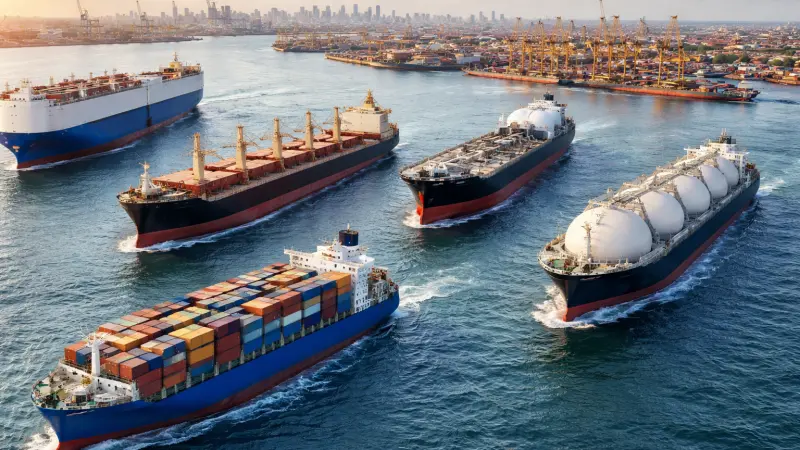
Every year, approximately 90% of world trade is carried by sea. Yet for many UK businesses venturing into international trade for the first time — or even seasoned importers and exporters reviewing their logistics strategy — the range of ocean freight options can be bewildering. What is the difference between a bulk carrier and a break bulk vessel? When does it make sense to use a RORO service rather than a standard container ship? And how do you choose the right carrier type for your specific cargo?
This guide provides a clear, practical overview of the principal ocean freight carrier types, how each one operates, and the circumstances under which each is most appropriately used. Whether you are shipping raw materials, finished consumer goods, oversized machinery, or temperature-sensitive products, understanding the mechanics of ocean freight is an essential foundation for making cost-effective and operationally sound logistics decisions.
Why Ocean Freight Remains Central to Global Trade
Despite the growth of air freight, rail corridors, and intermodal services, ocean freight continues to dominate global supply chains for one simple reason: volume capacity. No other mode of transport can move such enormous quantities of goods at comparable cost per unit. For bulk commodities, heavy machinery, and large-scale consumer goods shipments, sea freight is not merely a preference — it is frequently the only economically viable option.
For UK businesses in particular, ocean freight is a cornerstone of import and export activity. The UK's geographic position as an island nation means that the overwhelming majority of its traded goods — whether arriving from Asia, North America, or the rest of Europe — will pass through a port at some point in the supply chain. Understanding how different carrier types operate, and what each is designed to carry, helps businesses engage more effectively with freight forwarders, negotiate better rates, and anticipate the logistical requirements of their shipments.
The Main Types of Ocean Freight Carrier
1. Container Ships and Containerised Freight
Container shipping is the backbone of modern ocean freight. The standardisation of cargo into steel intermodal containers — most commonly 20-foot (TEU) and 40-foot (FEU) units — revolutionised global trade from the 1960s onwards, drastically reducing handling costs and transit times. Today, container ships range from small feeder vessels serving regional ports to ultra-large carriers capable of carrying more than 24,000 TEUs in a single voyage.
Within containerised freight, there are two primary service models that shippers must understand:
Full Container Load (FCL)
A Full Container Load shipment means that a shipper books an entire container — or multiple containers — exclusively for their cargo. The goods are loaded at origin, sealed, and transported without being handled again until they reach the destination. FCL is generally the preferred option when a shipment is large enough to fill a container (typically defined as anything approaching or exceeding 15 cubic metres or around 10,000 kg, though exact thresholds vary by carrier and route).
The key advantages of FCL include reduced handling risk, lower likelihood of damage or contamination, faster transit times, and often more competitive per-unit freight rates at higher volumes. FCL is widely used by UK retailers, manufacturers, and distributors importing finished goods from Asia or exporting machinery and vehicles to global markets.
Less Than Container Load (LCL)
Less Than Container Load — or groupage, as it is often called in the UK — allows multiple shippers to share space within a single container. A freight forwarder or consolidator collects cargo from various customers, groups it together into a full container, and ships it to the destination where the goods are deconsolidated and distributed to individual consignees.
LCL is well-suited for smaller shipments that do not justify the cost of an entire container. Start-up businesses, SMEs testing new import routes, or companies with irregular freight volumes often find LCL to be a cost-effective entry point into ocean freight. The trade-off is that LCL typically involves longer transit times due to the consolidation and deconsolidation process, and there is a slightly higher risk of damage resulting from multiple handling stages.
2. Bulk Carriers
Bulk carriers are vessels specifically designed to transport unpackaged dry commodities in large quantities. These goods — known as dry bulk cargo — are loaded directly into the ship's holds without any intermediate packaging or containment. Common dry bulk commodities include grain, coal, iron ore, cement, fertilisers, bauxite, and sugar.
Bulk carriers are classified by size, ranging from small handysize vessels used on regional routes to very large ore carriers (VLOCs) and Capesize ships that are too large to pass through the Suez or Panama Canals and must navigate around the Cape of Good Hope. The freight rates on the bulk market are generally quoted on a per-tonne basis and are highly sensitive to global commodity demand, vessel availability, and fuel costs.
For UK businesses, bulk carrier services are most relevant to industries such as agriculture, construction, energy, and raw material processing. A UK grain exporter or a construction company importing aggregates from overseas
would typically engage with the bulk freight market either directly through shipbrokers or via commodity traders who manage the logistics as part of a broader trading arrangement.
3. Tankers
Tanker vessels are designed for the transport of liquid cargoes. They are divided into two broad categories: crude oil and petroleum product tankers, and chemical tankers. A further specialised category covers liquefied natural gas (LNG) and liquefied petroleum gas (LPG) carriers, which require highly engineered containment systems due to the cryogenic or pressurised nature of the cargo.
Crude and product tankers carry everything from unrefined crude oil to refined petroleum products such as diesel, petrol, and jet fuel. These vessels range in size from small coastal tankers serving regional refineries to very large crude carriers (VLCCs) and ultra-large crude carriers (ULCCs) that dwarf most other ship types.
Chemical tankers are more specialised and are built with multiple independently coated tanks to allow the simultaneous carriage of different chemicals without risk of cross-contamination. They transport a vast range of liquids including methanol, vegetable oils, caustic soda, acids, and industrial solvents.
Access to tanker freight is typically reserved for companies operating in the energy, petrochemical, or agricultural processing sectors. Freight arrangements in the tanker market are usually made through specialised shipbrokers, and rates are quoted in world scale (a standardised freight rate assessment system) or as lump sum amounts depending on the trade.
4. Roll-On/Roll-Off (RORO) Vessels
Roll-On/Roll-Off ships — universally known as RORO vessels — are designed to carry cargo that can be driven or rolled on and off the ship under its own power or via tow tractors. The defining feature of a RORO vessel is its built-in ramp, which allows wheeled or tracked cargo to be loaded and discharged without the need for cranes.
Cargo transported on RORO vessels typically includes:
- New and used passenger vehicles and light commercial vehicles
- Agricultural machinery such as tractors and combine harvesters
- Construction equipment including excavators, bulldozers, and cranes
- Military vehicles and equipment
- Motorised trailers and semi-trailers
The UK automotive industry is a significant user of RORO services, both for exporting domestically manufactured vehicles and for importing vehicles destined for UK dealerships. Ports such as Southampton, Grimsby, and Tilbury are major RORO hubs in England.
Pure car and truck carriers (PCTCs) are a specialist subset of the RORO family, designed exclusively for the efficient stowage of vehicles on multiple decks. These vessels are optimised to maximise the number of units per voyage and are operated by dedicated vehicle logistics companies on regular liner services between major automotive manufacturing and consumption regions.
5. Break Bulk Vessels
Before containerisation transformed global shipping, virtually all general cargo was shipped as break bulk — meaning individual items or packages loaded one at a time into a vessel's hold. Whilst containers have replaced break bulk for the vast majority of general freight, break bulk shipping remains essential for cargo that is too large, too heavy, or too awkwardly shaped to fit into a standard container.
Break bulk cargo includes items such as:
- Steel coils, pipes, and structural steelwork
- Timber and lumber
- Large industrial machinery and power generation equipment
- Wind turbine components
- Paper reels and pulp bales
- Bags of commodities such as rice or coffee where containerisation is impractical
Break bulk freight requires specialised vessels equipped with onboard cranes and, in many cases, specialist port handling equipment at both origin and destination. Transit times are generally longer than containerised freight, and the freight rate is typically quoted per tonne, per revenue tonne, or per cubic metre depending on the commodity and route.
6. Project Cargo and Heavy Lift Shipping
Project cargo is a specialised category of ocean freight that refers to the shipment of large, complex, or indivisible items that require bespoke engineering, planning, and execution. This is not a vessel type per se, but rather a service category
that may involve a combination of heavy lift vessels, semi-submersible ships, RORO carriers, and break bulk vessels depending on the specific requirements of the cargo and the infrastructure available at origin and destination ports.
Typical project cargo includes:
- Oil and gas processing modules and pressure vessels
- Power plant components such as generators and transformers
- Offshore drilling equipment
- Complete factory lines and industrial plant equipment
- Large civil engineering components such as bridge sections
Project cargo logistics requires close collaboration between the shipper, a specialist project freight forwarder, marine surveyors, port authorities, and often civil engineering and transport consultants. The planning phase can begin months or even years before the actual shipment, particularly for high-value or time-critical infrastructure projects.
7. Reefer (Refrigerated) Shipping
Reefer shipping refers to the transport of temperature-sensitive cargo using refrigerated containers or dedicated refrigerated vessels. The term "reefer" applies to both the specialised containers — which maintain a controlled internal temperature throughout the voyage — and the ships that carry large volumes of perishable cargo without containerisation.
Temperature-controlled cargo transported by sea includes:
- Fresh and frozen fruit and vegetables
- Meat and seafood
- Dairy products and cheese
- Flowers and live plants
- Pharmaceuticals and medical supplies requiring cold chain integrity
- Certain chemicals and industrial products sensitive to temperature fluctuation
Reefer containers can maintain temperatures ranging from approximately -30°C for frozen goods to +15°C for chilled produce, with some specialist units capable of modified atmosphere control to extend shelf life. The UK imports substantial volumes of fresh produce by reefer container, particularly from South Africa, South America, and the Mediterranean, making reefer logistics a significant component of the UK food supply chain.
Choosing the Right Ocean Freight Carrier Type
Selecting the appropriate carrier type depends on a number of interconnected factors. There is rarely a single correct answer, and the optimal solution for any given shipment will reflect a balance between cost, transit time, cargo characteristics, and service availability on a particular trade lane.
Cargo Nature and Physical Characteristics
The physical properties of the cargo are the primary determinant of which carrier type is suitable. Liquid cargo must travel by tanker or flexibag within a container. Wheeled or tracked cargo is best suited to RORO. Hazardous chemicals require chemical tankers with appropriate tank coatings and safety certifications. Oversized indivisible cargo may necessitate project freight or heavy lift solutions. For most general manufactured goods, containerised FCL or LCL will be the natural starting point.
Volume and Frequency
Shipment volume and frequency significantly affect the cost efficiency of different options. High-volume, regular shippers with consistent demand are well-positioned to negotiate contractual rates with container lines or to explore FCL solutions even at lower volumes. Smaller, irregular shippers typically benefit from LCL groupage services that allow them to share costs without committing to full container capacity they cannot fill.
Transit Time Requirements
Ocean freight is inherently slower than air freight, but transit times vary considerably across carrier types and trade lanes. Direct liner services between major ports may offer predictable, relatively swift transits, whilst indirect services involving transhipment at intermediate hub ports will add days or weeks to the journey. Break bulk and bulk carrier voyages are often more variable in scheduling, as these vessels do not always operate on fixed liner timetables.
Port Infrastructure and Accessibility
Not all ports can handle all types of freight. RORO operations require ramp facilities and adequate marshalling areas. Break bulk and project cargo require heavy lift cranes and specialist quayside equipment.
Reefer cargo requires electrical plug-in points at the terminal. Understanding the infrastructure available at both origin and destination ports is essential to determining whether a particular carrier type is operationally feasible on a given route.
The Role of Freight Forwarders in Ocean Shipping
For most UK businesses, direct engagement with shipping lines or vessel operators is neither practical nor necessary. Freight forwarders act as intermediaries, managing the booking, documentation, customs clearance, inland haulage, and insurance aspects of an ocean freight shipment on behalf of their clients. A good freight forwarder will have established relationships with multiple carrier types, enabling them to recommend the most appropriate solution for a given shipment and to negotiate competitive rates on their clients' behalf.
When selecting a freight forwarder, it is worth seeking out one with demonstrated experience in the specific trade lane, commodity type, and carrier category relevant to your needs. Membership of recognised industry bodies such as the British International Freight Association (BIFA) provides a degree of assurance regarding professional standards and financial protection.
Ocean Freight Documentation and Compliance
Regardless of carrier type, ocean freight shipments require a set of standard documents that facilitate customs clearance, carrier liability, and cargo insurance. The Bill of Lading (B/L) is the central document in ocean freight — it serves simultaneously as a receipt for cargo, a contract of carriage, and in many cases a document of title. Other common documents include the commercial invoice, packing list, certificate of origin, and where applicable, hazardous goods declarations or phytosanitary certificates.
Post-Brexit, UK exporters and importers must navigate customs procedures that differ from those applicable when the UK was part of the EU Single Market. Ensuring that all documentation is accurate and complete before cargo is loaded is critical to avoiding delays, penalties, or cargo being held at port.
Sustainability Considerations in Ocean Freight
The shipping industry accounts for approximately 2.5% of global greenhouse gas emissions, and there is growing regulatory and commercial pressure to reduce the sector's environmental impact. The International Maritime Organisation (IMO) has set a target to reduce total annual greenhouse gas emissions from shipping by at least 50% compared to 2008 levels by 2050, with an ambition to phase them out entirely as soon as possible within this century.
For UK businesses, sustainability in ocean freight is becoming an increasingly important consideration — both in terms of corporate responsibility commitments and in response to customer and investor expectations. Practical steps include selecting carriers with verified sustainability credentials, optimising shipment consolidation to reduce the number of sailings required, and engaging with freight forwarders who can provide carbon footprint data for individual shipments.
Alternative fuels including liquefied natural gas (LNG), methanol, ammonia, and hydrogen are being explored and in some cases already deployed by forward-thinking shipping lines. Whilst the transition to zero-emission shipping will take decades to complete, businesses can begin to engage with these developments now by asking their logistics partners about their decarbonisation roadmaps.
Ocean freight encompasses a diverse range of carrier types, each engineered for specific cargo profiles and operational requirements. From the ubiquitous container ship handling the bulk of global manufactured goods, to the specialised tanker managing liquid commodities, the RORO vessel transporting vehicles across oceans, and the heavy lift carrier managing truly exceptional project cargo — each plays an irreplaceable role in the global supply chain. Understanding these differences equips UK businesses to make more informed logistics decisions, engage more productively with their freight partners, and build more resilient and cost-effective supply chains.
As businesses navigate international trade, establishing a strong local and digital presence is equally important for growth. Platforms such as UK small business directory resources like Local Page UK help companies improve their online visibility and connect with relevant audiences. For businesses seeking to be found through business directories in the UK, Local Page UK offers a straightforward way to list your services and reach potential clients searching within your sector. Whether you are a freight forwarder, logistics provider, or trade consultant, being discoverable through reputable business directories UK platforms remains a practical tool for building credibility and attracting enquiries in an increasingly competitive market.
Questions Clients Commonly Ask
What is the difference between FCL and LCL ocean freight?
FCL (Full Container Load) means a single shipper uses an entire container exclusively for their cargo. LCL (Less than Container Load), also known as groupage, allows multiple shippers to share space within one container, with costs divided proportionally. FCL is generally more cost-effective for large, regular shipments, whilst LCL suits smaller or less frequent consignments.
When should I use a RORO service instead of a container ship?
RORO (Roll-On/Roll-Off) is the appropriate choice when shipping wheeled or tracked cargo such as cars, vans, lorries, tractors, or construction machinery. The cargo is driven or towed directly onto the vessel via a ramp, eliminating the need for cranes. RORO is generally faster to load and discharge than conventional container handling and is particularly well-suited to the automotive and heavy equipment sectors.
What types of cargo require specialist reefer shipping?
Any cargo that must be maintained at a controlled temperature throughout transit requires reefer shipping. This includes fresh and frozen foods (fruit, vegetables, meat, fish, dairy), flowers, live plants, certain pharmaceuticals, and some industrial chemicals. Reefer containers can maintain temperatures from approximately -30°C to +15°C, with some units offering modified atmosphere control.
How do I know whether my cargo is classified as project cargo?
Project cargo typically refers to large, heavy, high-value, or complex items that cannot be accommodated within standard container dimensions and require bespoke engineering and planning to ship safely. Examples include industrial machinery, power generation equipment, offshore modules, and large civil engineering components.
If your cargo exceeds standard container dimensions (approximately 12 metres in length, 2.35 metres in width, and 2.39 metres in internal height) or exceeds standard weight limits, it may require project freight solutions.
What documentation is required for ocean freight shipments from the UK?
The core documents required for most ocean freight shipments include a Bill of Lading, commercial invoice, packing list, and certificate of origin. Depending on the commodity and destination, you may also require hazardous materials declarations (for dangerous goods), phytosanitary certificates (for plant-based products), inspection certificates, or letters of credit. Since Brexit, UK customs export and import entries are required for all shipments to and from the EU, in addition to shipments with the rest of the world.
Disclaimer: The information provided in this article is for general informational and research purposes only. Company details, features, services, and market positions may change over time. Readers are advised to visit official company websites and conduct independent research before making any business decisions or purchasing services.
Most Searchable Keywords
Recent Blogs


Related Listings

Categories
- Accountants (295)
- Advertising Agencies (559)
- Architects (149)
- Automobiles (377)
- Beauty (300)
- Carpenters (146)
- Cleaning Services (387)
- Dentists (189)
- Driving (62)
- Electricians (215)
- Energy (8)
- Event Organiser (686)
- Finance (602)
- Guide (3372)
- Health (2207)
- Information technology (206)
- Legal Services (353)
- Logistics (6)
- Maintenance (65)
- Manufacturing (35)
Sponsored Listings in Travel Agencies


Related Blogs

How Much Do UK Actors Really Earn Full Indust...
Read this insightful article "How Much Do UK Actors Really Earn Full Industry Breakdown" to expand your knowledge!

Blue Light Card UK 2026 Check Eligibility and...
Read this insightful article "Blue Light Card UK 2026 Check Eligibility and Claim" to expand your knowledge!

BBC Radio 1 DJs Net Worth Ranking Revealed
Read this insightful article "BBC Radio 1 DJs Net Worth Ranking Revealed" to expand your knowledge!
Questions & Answers – Find What
You Need, Instantly!
How can I update my business listing?
Is it free to manage my business listing?
How long does it take for my updates to reflect?
Why is it important to keep my listing updated?
