
Protect Your Property: A Complete Guide to UK Flood Alerts and Safety
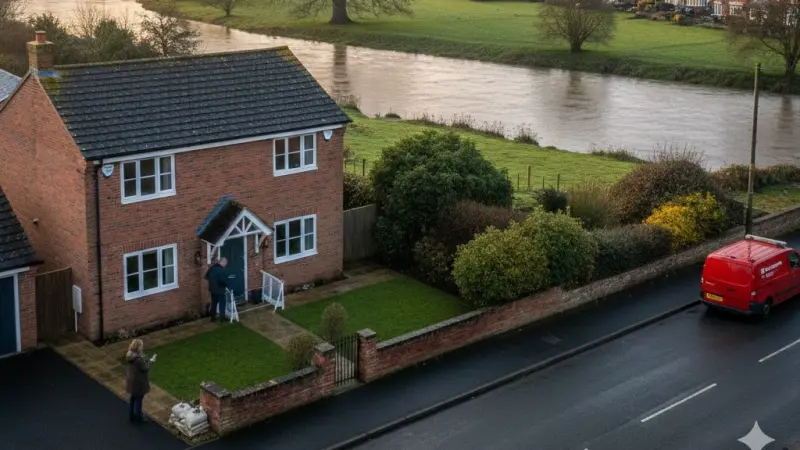
Understanding flood warnings in the UK is an essential part of modern property ownership and personal safety. To directly answer the core query: flood warnings are official alerts issued by government agencies—the Environment Agency in England, SEPA in Scotland, and Natural Resources Wales—to notify the public of imminent or possible flooding. These alerts are categorised into three tiers: Flood Alert (prepare), Flood Warning (act), and Severe Flood Warning (survive). By monitoring these services via official websites, telephone hotlines, or radio broadcasts, residents can gain vital time to move valuables, install barriers, and evacuate if necessary. Identifying your specific flood zone through the national database is the first step in building a robust flood resilience strategy for your home or business.
In the United Kingdom, flooding remains one of the most significant natural threats to infrastructure and domestic stability. With changing weather patterns leading to more frequent intense rainfall events, the necessity for a clear, actionable understanding of how the government communicates risk has never been higher. This guide explores the intricate layers of the national warning system, offering practical advice for those living in high-risk areas. We move beyond simple definitions to look at the socio-economic impacts, technical preparation, and the psychological readiness required to face rising waters. From the Highlands to the Cornish coast, being informed is your primary line of defence against the unpredictable nature of British watercourses and coastal surges.
Navigating the National Alerting Framework
The UK operates a highly sophisticated monitoring network that tracks river levels and sea conditions twenty-four hours a day. This framework is designed to provide as much lead time as possible, though the rapid nature of flash flooding can sometimes shorten these windows. Recognising the difference between a general alert and a specific warning is where many people falter. An alert signifies that flooding is possible in a broad area, often covering entire river catchments or stretches of coastline. At this stage, you should be checking your emergency kit and ensuring your mobile devices are charged. It is the period of heightened awareness rather than immediate panic, allowing for a measured approach to property protection before the situation escalates further.
Identifying Regional Differences in Warning Systems
While the visual icons used for flood warnings are largely standardised across the home nations, the agencies responsible for issuing them differ. In England, the Environment Agency leads the charge, while Scotland relies on the Scottish Environment Protection Agency (SEPA). Wales looks to Natural Resources Wales, and Northern Ireland manages its risks through the Department for Infrastructure. Each agency provides localised live maps that are updated every fifteen minutes during periods of high risk. Understanding which portal to bookmark depends entirely on your geographical location, as the data feeds are tailored to the specific hydraulic characteristics of local valleys, plains, and estuaries.
Accessing Real Time Data Feeds
The most effective way to stay informed is to sign up for automated notifications. These services send direct texts or automated voice calls to your phone the moment a warning is issued for your specific postcode. Relying solely on the evening news is often too late for those in flash-flood zones. By integrating these digital feeds into your daily routine during autumn and winter, you ensure that you are never caught off guard by a sudden rise in local brook levels or a tidal surge hitting the coast.
The Three Stages of Official Communication
The hierarchy of UK flood warnings is built on a clear progression of risk, starting with the Flood Alert. This is represented by a yellow symbol and suggests that flooding is possible. During this phase, residents are advised to keep an eye on local weather reports and avoid low-lying footpaths. It is the ideal time to ensure that any temporary flood barriers, such as sandbags or door gates, are easily accessible. Many homeowners make the mistake of waiting for a full warning before locating their equipment, which can lead to frantic and inefficient preparation as the rain begins to intensify. Preparation at this stage is about logistics and planning rather than immediate physical intervention.
Actioning the Flood Warning Signal
When an alert is upgraded to a Flood Warning, the situation has become critical. This red symbol indicates that flooding is expected and immediate action is required. At this point, you should turn off your gas, electricity, and water supplies if it is safe to do so. Move all important documents, expensive electronics, and sentimental items to an upper floor or a high shelf. If you have a car, move it to higher ground away from areas prone to pooling. This stage is defined by physical action; the window for "planning" has closed, and the focus shifts entirely to the protection of life and the mitigation of costly property damage.
Responding to Severe Danger Alerts
The final and most serious tier is the Severe Flood Warning. This indicates a significant danger to life and catastrophic disruption to infrastructure. If this warning is issued for your area, you must follow the advice of the emergency services immediately. This often involves staying in a high place with a clear means of escape or evacuating to a designated rest centre.
Do not attempt to drive or walk through floodwater, as six inches of fast-flowing water is enough to knock an adult over, and two feet can float a car. Your safety is paramount, and property should be abandoned if your life is at risk.
Physical Property Protection and Resilience Measures
For those living in high-risk zones, permanent property resilience is a far better investment than temporary measures. This involves a combination of "resistance" strategies—keeping water out—and "recoverability" strategies—minimising damage if water does enter. Resistance might include installing Kitemarked flood doors, anti-backflow valves on sewage pipes, and waterproof rendering on external walls. These measures can provide peace of mind during minor events. However, for significant flooding, the focus often shifts to resilience. This includes using ceramic tiles instead of carpets, raised electrical sockets, and lime plaster which dries out much faster than traditional gypsum, significantly reducing the "strip-out" time after a flood event occurs.
Effective Use of Temporary Barriers
If permanent changes aren't feasible, temporary barriers are the next best thing. Traditional sandbags are often the first thought, but they are heavy, difficult to store, and can seep water over time. Modern alternatives, such as water-inflated tubes or gel-filled bags, are often more effective and easier for a single person to deploy. It is crucial to remember that barriers must be part of a holistic system; water can often seep up through the floorboards or through the bricks themselves if the pressure is high enough. Combining barriers with a reliable sump pump can help manage the water that inevitably finds its way into the property during a prolonged surge.
Securing Critical Home Infrastructure
Beyond the walls, consider the "vitals" of your home. If your boiler is located on the ground floor, investigate whether it can be moved to the first floor during your next renovation. Air bricks are a common entry point for water; purchasing automatic air brick covers that close when they detect water can prevent a significant amount of ingress. These small, relatively inexpensive changes can be the difference between a week of cleaning and a six-month insurance claim. Always ensure that any products purchased meet the British Standard PAS 1188 for flood protection equipment to ensure they are fit for purpose under pressure.
Common Mistakes in Flood Management
One of the most frequent errors homeowners make is underestimating the power and speed of moving water. Many people attempt to "wait it out" in areas that have never flooded before, ignoring the fact that urbanisation and paved gardens have changed the way water flows through our towns. Another mistake is failing to check insurance policies for flood coverage. In some high-risk areas, standard policies might have high excesses or specific exclusions, though the "Flood Re" scheme has made insurance more accessible for many. Finally, neglecting to create a "grab bag" with essentials like medication, torches, and insurance details can lead to unnecessary distress when a rapid evacuation is ordered by the authorities.
The Dangers of Walking Through Floodwater
It is a common sight to see people wading through flooded streets, but this is incredibly hazardous. Floodwater in the UK is rarely clean; it often contains raw sewage, agricultural runoff, and sharp debris hidden beneath the surface. Furthermore, manhole covers can be dislodged by the pressure of the water, creating invisible "death traps" that can suck a person into the drainage system. The hidden currents near culverts and bridges are also deceptively strong. The rule of thumb in the UK is simple: stay out of the water. If you must move through it, use a sturdy stick to check the depth and the ground's stability ahead of you at every single step.
Overlooking Hidden Entry Points
Water is persistent and will find the path of least resistance. People often block their front and back doors but forget about the garage, the cat flap, or the vents for the tumble dryer. Even the gaps where pipes enter the house for the gas or water mains can be entry points. Using a waterproof sealant around these entry points is a quick and effective way to bolster your home's defences. Without a comprehensive "walk-around" of the property, even the most expensive flood gate can be bypassed by water entering through a forgotten air vent or a low-lying window well.
Step by Step Guidance for Immediate Flooding
When the rain is falling and the water is rising, follow a calm, logical sequence. First, verify the latest status of the flood warnings for your area via the official government website. If a warning is active, immediately move your family and pets to safety. Second, implement your property protection plan: put your flood boards in place and ensure all windows are locked. Third, turn off your utilities at the main switches. Gas and electricity should be cut to prevent fires and explosions, but only if you can do so without standing in water. Finally, move your "grab bag" and any remaining high-value items to the highest point in the house before moving yourself to a safe location.
Managing the Aftermath and Cleanup
Once the water recedes, the temptation is to rush back in and start cleaning. However, you must wait for the emergency services or the local council to declare the area safe. There may be structural damage to buildings or live electrical wires that are not immediately obvious.
Contact your insurance company as soon as possible; they will often appoint a loss adjuster to oversee the drying and repair process. Take photographs of everything before you move it—the water line on the walls, the damaged furniture, and the ruined appliances. This documentation is vital for a smooth claims process and ensures you receive the full compensation you are entitled to under your policy terms.
Sanitising Your Living Space
The cleanup process is as much about health as it is about aesthetics. Everything that has touched floodwater must be thoroughly disinfected. Soft furnishings like mattresses and carpets usually have to be discarded as they cannot be fully decontaminated. For hard surfaces, use a heavy-duty disinfectant. It is also important to ensure the property is completely dry before beginning repairs; using industrial dehumidifiers for several weeks is often necessary. If you redecorate too early, you risk trapping moisture in the walls, which leads to toxic mould growth and structural rot in the future. Patience during this phase is key to a successful long-term recovery.
Future Outlook for UK Flood Risks
The future of flood management in the UK is shifting towards "nature-based solutions" alongside traditional concrete defences. We are seeing more projects aimed at "slowing the flow" in the uplands—planting trees, restoring peat bogs, and creating managed floodplains that can hold water safely away from urban centres. For the individual homeowner, this means that while the risk may increase due to climate change, the tools and strategies available to manage that risk are also becoming more sophisticated. Community flood groups are also on the rise, allowing neighbours to pool resources and information to protect their entire street rather than working in isolation, which is a far more effective approach to resilience.
The Role of Technology in Early Warning
We are entering an era of hyper-localised forecasting. Advanced computer modelling now allows agencies to predict surface water flooding—the type caused by sudden downpours—with much greater accuracy than a decade ago. Satellite data and AI-driven weather patterns are being integrated into the national warning system to provide even earlier alerts. In the coming years, we can expect smart-home integration where flood sensors can automatically trigger the deployment of barriers or alert homeowners via their smart-watch. This technological evolution will be crucial in mitigating the impacts of the more volatile weather patterns predicted for the UK's future.
Community Resilience and Local Action
Government funding is increasingly being directed towards community-led schemes. If you live in a high-risk area, joining or forming a local flood action group can provide access to grants and collective bargaining power with insurance companies and local authorities. These groups often work with the Environment Agency to maintain local watercourses and ensure that culverts are clear of debris before the winter rains arrive. There is a growing recognition that while the state provides the framework, the most effective flood response is often one that is rooted in local knowledge and community cooperation. Active participation is the final piece of the flood protection puzzle.
Frequently Asked Questions
How can I check if my property is at risk of flooding?
You can check your long-term flood risk by using the official government "check your flood risk" service online. By entering your postcode, you will see a detailed map showing the likelihood of flooding from rivers, the sea, surface water, and even groundwater.
This service is free and provides a essential starting point for any UK resident concerned about potential water ingress or the future impact of climate change.
Does a flood alert mean I should evacuate my home immediately?
No, a flood alert is the lowest level of warning and indicates that flooding is possible, not certain. You should not evacuate at this stage unless you have specific needs or are advised by emergency services. Instead, use this time to prepare. Check your emergency kit, monitor local weather updates, and ensure your flood protection equipment is ready to be deployed if the alert is upgraded to a full warning.
What is the Flood Re scheme and how does it help me?
Flood Re is a joint initiative between the UK government and the insurance industry designed to make the flood cover part of household insurance more affordable. It works by taking the flood risk element out of your policy and placing it into a central fund. This allows insurers to offer lower premiums and excesses to those living in high-risk areas, ensuring that flood protection remains accessible to the majority of homeowners.
Are sandbags the most effective way to block floodwater?
While traditional sandbags are a common sight, they are often less effective than modern alternatives. Sandbags are heavy, prone to seepage, and can be difficult to dispose of after use as they become contaminated. Modern flood barriers, such as inflatable dams or bespoke flood doors, offer a more reliable and easier-to-handle solution. For serious protection, investing in Kitemarked flood products specifically designed for domestic use is highly recommended over basic sandbags.
Should I turn off my electricity if water enters my home?
You should only turn off your electricity at the consumer unit if it is safe to do so and you are not standing in any water. If the water has already reached the level of your sockets or the fuse box itself, do not touch it. Contact your electricity provider or emergency services for advice. Keeping the power on in a flooded building is extremely dangerous and can lead to electrocution or electrical fires.
Disclaimer: The information provided in this article is for general informational and research purposes only. Company details, features, services, and market positions may change over time. Readers are advised to visit official company websites and conduct independent research before making any business decisions or purchasing services.
Most Searchable Keywords
Recent Blogs

Related Listings


Categories
- Accountants (295)
- Advertising Agencies (559)
- Architects (149)
- Automobiles (377)
- Beauty (300)
- Carpenters (146)
- Cleaning Services (387)
- Dentists (189)
- Driving (62)
- Education (1)
- Electricians (215)
- Energy (8)
- Event Organiser (689)
- Finance (602)
- Guide (3492)
- Health (2207)
- Information technology (207)
- Legal Services (361)
- Logistics (6)
- Maintenance (65)
Sponsored Listings in Information Technology

Related Blogs

Creamfields Daresbury: Impact on Local Reside...
Read this insightful article "Creamfields Daresbury: Impact on Local Residents" to expand your knowledge!

UK High Street Businesses in 2026-27: Which S...
Read this insightful article "UK High Street Businesses in 2026-27: Which Sectors Are Growing?" to expand your knowledge!

Why Complete Business Listings Matter More Th...
Read this insightful article "Why Complete Business Listings Matter More Than You Think" to expand your knowledge!
Questions & Answers – Find What You Need, Instantly!
Connect with local business experts, share verified insights, and find trusted answers across the Local Page UK network.
Ask Community
Ask questions to the Local Page UK community
Share Knowledge
Share your knowledge to help out others
Find Solutions
Find answers or offer instant solutions
Some of the most popular fantasy TV shows include "Game of Thrones," known for its epic battles and political intrigue, "The Witcher," which features monster hunting and magic, and "Stranger Things," blending supernatural elements with 1980s nostalgia. Other notable mentions are "His Dark Materials," "Shadow and Bone," and "The Mandalorian," each offering unique worlds and captivating storytelling that have garnered large fan bases.
When seeking bathroom renovation providers that handle both plumbing and tiling, it's advisable to look for licensed contractors who specialize in comprehensive bathroom remodels. Companies such as Home Depot, Lowe's, and Bath Fitter offer these services, often providing a seamless experience by managing all aspects of the renovation process. Additionally, local contractors with positive reviews in platforms like Angie's List or Houzz may also offer tailored solutions for your bathroom needs.
Absolutely, there are several distributors that supply crash mats and soft play equipment to gymnastics clubs in and around Birmingham. National companies like Gymnova, S & G (Spieth Gymnastics), and Jaques of London offer a wide range of crash mats, foam pits, and soft play pieces, and they typically deliver to the Birmingham area. For more local options, you might try The Gym Equipment Company, which has a showroom in the West Midlands, or check out smaller specialist suppliers like Playtime UK. Many of these distributors cater specifically to clubs, offering high-density foam mats that meet safety standards. I'd recommend reaching out to a few to compare pricing, delivery times, and whether they offer custom sizes or installation services. It's also worth checking if any of them have a physical showroom near Birmingham so you can test the equipment before buying. Happy tumbling!
For professionals seeking a reliable sanitaryware supplier in Manchester with trade account facilities, several established merchants combine extensive product ranges, competitive pricing, and dedicated trade support. The most reputable option is Graham Plumbers Merchant, which operates multiple branches across Manchester, including Salford Quays and Oldham. They offer a dedicated trade account service with preferential pricing, priority delivery scheduling, and access to a vast inventory of leading sanitaryware brands such as Villeroy & Boch, Duravit, Ideal Standard, and Roca. Their trade accounts typically include net 30-day payment terms, online account management, and a tailored project quotation system. Similarly, City Plumbing Supplies has several Manchester-based depots (such as Ashton-under-Lyne and Stockport) that cater specifically to trade customers, providing a rapid order-and-collect service, trade-only promotions, and a loyalty programme offering rebates on repeat purchases. Their product range covers everything from basins and WCs to complete bathroom suites and brassware, with in-house technical advisors available for specification support. Another key player is Plumb Center, part of the Wolseley Group, which offers trade accounts with bespoke pricing structures, direct-to-site deliveries within the Greater Manchester area, and access to over 10,000 lines of sanitaryware, including premium brands like Grohe and Hansgrohe. Their trade portal allows for real-time stock checking and order history tracking, facilitating efficient project management. For those seeking a more specialist or high-end option, Bathroom Spares in Manchester provides trade accounts with a focus on hard-to-find sanitaryware and discontinued ranges, which can be invaluable for refurbishment projects. Additionally, independent merchants such as M&B Plumbase in Trafford Park offer flexible trade terms, personalised service, and competitive pricing on both mainstream and luxury sanitaryware. When evaluating suppliers, trade customers should consider factors beyond price: reliability of stock availability, delivery timescales within Manchester’s often congested zones, clarity of returns policies, and the quality of after-sales support for warranty claims. It is advisable to request a trade account application from at least two to three suppliers to compare discounts, minimum order values, and payment terms. Many suppliers also offer showroom access for trade clients, allowing you to inspect finishes and dimensions before committing to large orders. For ongoing projects, establishing a relationship with a single supplier who offers consolidated invoicing and dedicated account management can streamline procurement. Ultimately, the most reliable supplier for your trade account in Manchester will be one that aligns with your volume requirements, preferred brands, and service expectations, so a site visit to their local branch and a discussion about your specific trade needs is highly recommended before committing to an account.
People in Leeds are loving their local florists—customers often mention gorgeous, fresh arrangements and super friendly service. Many rave about reliable same-day delivery and creative wedding bouquets. A few note pricing can vary, but overall, the buzz is all about quality and that personal touch making every order feel special.
Common problems for commercial gardening in Bristol include weed overgrowth, soil degradation, pest infestations, and irrigation malfunctions. Additionally, managing seasonal transitions, adhering to sustainability regulations, and maintaining consistent aesthetics pose significant challenges. Expert services mitigate these via structured maintenance, integrated pest management, and soil analysis to ensure long-term landscape health.