
The Digital Revolution of UK Laundry Services Tech And Logistics
- 👤 Alex
- 👁️ 171 Views
- Last Updated: March 28, 2026
- 🏷️ Cleaning Services
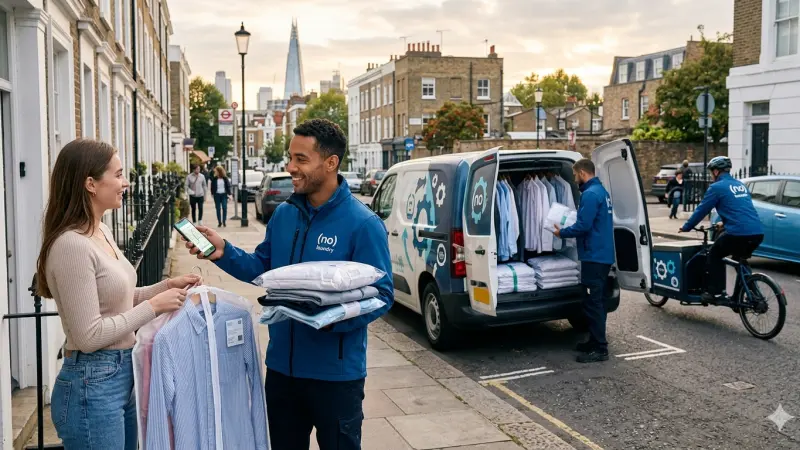
An exhaustive analysis of marketplace disruption, IoT integration, and the socio-economic evolution of British laundry logistics.
The Renaissance of the British Launderette
The British high street is often described in terms of its decline, but certain sectors are undergoing a quiet, technology-fuelled renaissance. One of the most striking examples is the local launderette. Long considered a relic of the mid-20th century—a damp, coin-operated waiting room—the launderette is being radically reimagined as a high-tech logistics hub. In the same way that Uber transformed the private hire vehicle and Deliveroo decentralised the restaurant kitchen, a new wave of "laundry marketplaces" is digitising the UK’s washing and dry cleaning industry.
Across the United Kingdom, from the vertical living of Canary Wharf to the suburban clusters of the North West, the "Service Wash" (the professional washing, drying, and folding of laundry) has shifted from a physical errand to a digital transaction. This guide explores the multi-layered transformation of this sector, looking at the software architecture, the environmental pressures, and the changing consumer behaviours that have made on-demand laundry a £1 billion niche within the broader service economy.
The Anatomy of a Modern Laundry Marketplace
The "Tech Makeover" of laundry delivery isn't just about a pretty interface on a smartphone. It involves the implementation of a complex marketplace model that functions as a digital bridge between asset-heavy service providers (launderettes) and time-poor consumers. In this model, the software platform assumes the role of the brand and the logistics coordinator, while the local launderette functions as a "dark facility"—a processing centre that doesn't necessarily need a high-street storefront to thrive.
Enterprise Resource Planning (ERP) for the High Street
For an independent UK launderette, joining a marketplace provides access to ERP tools that were previously the domain of multinational corporations. These tools manage several critical streams:
- Intelligent Load Balancing: The software monitors machine availability across a network of shops, directing delivery drivers to facilities with idle capacity.
- Dynamic Order Tracking: Utilising QR codes or RFID tags on laundry bags to ensure a 99.9% accuracy rate—solving the historical "missing sock" dilemma.
- Automated Billing and Tax Compliance: Handling BACS transfers and VAT invoicing, which simplifies the administrative burden for small business owners.
- Customer Preferences Engine: Storing data on whether a customer requires "non-bio" detergent, specific fabric softeners, or low-heat drying for delicate garments.
Shifting Tides: Why UK Consumers are Outsourcing
The demand for on-demand laundry in the UK is driven by more than just laziness; it is a response to fundamental shifts in British domestic life. Several socio-economic factors have converged to make professional laundry delivery a mainstream utility.
The 'Damp House' Dilemma
The UK housing stock is among the oldest in Europe. Many Victorian and Edwardian terraced houses, particularly in cities like London and Bristol, lack the space for a dedicated tumble dryer.
During the long, damp British winters, drying clothes indoors on radiators or clothes airers leads to increased humidity and potential mould issues. Professional services, which use high-capacity commercial dryers, provide a hygienic and moisture-free alternative that protects both the clothes and the home environment.
The Time-Value Proposition
A typical UK household spends approximately 4 to 6 hours a week on laundry-related tasks (sorting, washing, drying, folding, and ironing). For a professional earning a London-weighted salary, the opportunity cost of these hours is significant. By outsourcing this "chore," consumers are effectively "buying back" their weekend, a trend that has seen rapid adoption among young families and dual-income households.
The Logistics of Urban Laundry: Micro-Fulfillment
Delivering fresh laundry within 24 hours in a congested UK city is a logistical feat. The tech makeover relies heavily on "micro-fulfillment"—the use of small, local processing centres rather than one giant factory outside the city.
Navigating the ULEZ and Clean Air Zones
With the expansion of the Ultra Low Emission Zone (ULEZ) in London and similar Clean Air Zones in cities like Birmingham and Glasgow, delivery logistics have had to adapt. Marketplace platforms often incentivise the use of electric cargo bikes or EV vans. The routing software must account for these zones, ensuring that the cost of delivery remains low while remaining compliant with environmental legislation.
The 'Safe Place' Culture
The UK has a robust "safe place" delivery culture, born out of the parcel delivery boom. Laundry tech has integrated this, allowing users to upload photos of secure porches, garden sheds, or concierge desks where laundry can be collected and dropped off without the customer needing to be present. This "contactless" cycle is managed entirely through the app, with push notifications serving as the digital receipt.
The Science of Care: Professional Standards in the UK
A significant part of the tech makeover is the education of the consumer on fabric care. UK clothing often includes high-quality woollens, silks, and synthetic blends that require specific temperature controls.
Service Wash vs. Dry Cleaning
It is crucial for consumers to understand the distinction, and modern apps use AI-driven prompts to help:
| Feature | Standard Service Wash | Professional Dry Cleaning |
|---|---|---|
| Process | Water-based with commercial detergents. | Chemical solvent-based (Perchloroethylene-free). |
| Best For | Everyday items: T-shirts, bedding, towels. | Delicates: Suits, silk dresses, wool coats. |
| Finishing | Folded and stacked. | Pressed and hung on wire hangers. |
| UK Cost Base | Priced by kg (Approx. £15-£25 per bag). | Priced per item (Approx. £12 per suit). |
Environmental Chemical Management
The UK has some of the strictest regulations regarding the disposal of dry-cleaning chemicals. Tech-led services often partner only with facilities that use "GreenEarth" cleaning—a silicone-based process that is non-toxic and non-hazardous.
This environmental vetting is a key part of the brand promise for modern UK laundry platforms.
Economic Impact: Revitalising the High Street
There is a persistent myth that the "Gig Economy" destroys traditional businesses. In the laundry sector, the evidence suggests the opposite. By providing the digital infrastructure, platforms are enabling small, independent UK launderettes to compete with large-scale industrial processors.
Many launderettes were facing closure as domestic washing machines became more affordable. However, by transitioning to a B2B (Business to Business) and B2C (Business to Consumer) delivery model, these shops have found a new revenue stream. They no longer rely solely on the "coin-op" customer; they now process hundreds of kilograms of laundry for app users who live miles away. This has led to the "gentrification" of the launderette—many now feature updated machines, better lighting, and more professional staffing to meet the standards required by the marketplace platforms.
Beyond Convenience: The Social Utility of Laundry Tech
While often marketed to the "busy professional," on-demand laundry has significant social utility for other groups in the UK. 1. Supporting the Elderly: For many elderly citizens, particularly those with mobility issues or arthritis, handling heavy wet laundry and operating machines is a physical challenge. On-demand services provide a vital support system that allows them to maintain independence in their own homes. 2. Disability Accessibility: For individuals with disabilities, a door-to-door laundry service isn't a luxury; it's an accessibility tool. Tech platforms that allow for "recurring orders" ensure that these individuals have a constant supply of clean linen and clothing without the stress of managing a difficult task.
Future Trends: AI and the Autonomous Laundry Cycle
What does the next decade hold for the UK laundry industry? We are already seeing the first stages of the "Autonomous Laundry Cycle." AI-Driven Sorting: Future facilities are experimenting with AI cameras that can identify fabric types and colour-sort laundry automatically, reducing human error and increasing speed. Smart Detergent Dispensing: Machines are being linked to the internet (IoT) to dispense the exact amount of detergent based on the weight and soil level of the load, significantly reducing chemical waste and environmental impact. Subscription-Based Models: We expect a shift toward "Laundry as a Utility," where UK households pay a fixed monthly fee (similar to a water or electricity bill) for an unlimited or set amount of laundry pickups per month.
UK Laundry Tech: Professional FAQ
Look for providers who are members of the TSA (Textile Services Association) or the Guild of Cleaners and Launderers.
Additionally, check that the marketplace app requires its partners to have Public Liability Insurance and clear vetting processes for their staff.
A Service Wash is a traditional UK term for a laundry service where the staff wash, dry, and fold your clothes for you. It usually excludes ironing (which is an add-on) and is designed for everyday items like t-shirts, jeans, and bedding.
Most modern UK laundry apps provide a Driver Map similar to food delivery apps. You can see when the driver is approaching for collection and receive a notification the moment your laundry has been successfully checked into the processing facility.
Items requiring special care should be placed in a separate, clearly marked bag within your main laundry bag. You should then select the "Special Care" or "Dry Cleaning" option in the app to ensure these items are processed according to their care label instructions.
While 24 hours is the standard for major cities like London, Manchester, and Birmingham, rural areas may experience 48-hour turnarounds due to the logistics of transport. Always check the "Estimated Delivery" time in the app before confirming your order.
Yes, provided the place is secure and out of sight from the street. Many UK residents use lockable parcel boxes or porches. Once the driver takes a photo of the collection, the responsibility typically shifts to the service provider.
Most premium platforms allow you to specify "Non-Bio" (ideal for sensitive skin) or "Fragrance-Free." While you might not always be
able to pick the exact brand, you can certainly control the type of chemicals used on your garments.
Standard domestic washing machines in the UK often struggle with King or Super King duvets. Professional services have 20kg+ capacity machines specifically for these bulky items. You can usually add these as "Individual Items" in the app menu.
Disclaimer: The information provided in this article is for general informational and research purposes only. Company details, features, services, and market positions may change over time. Readers are advised to visit official company websites and conduct independent research before making any business decisions or purchasing services.
Most Searchable Keywords
Recent Blogs


Related Listings

Categories
- Accountants (295)
- Advertising Agencies (559)
- Architects (149)
- Automobiles (377)
- Beauty (300)
- Carpenters (146)
- Cleaning Services (387)
- Dentists (189)
- Driving (62)
- Education (1)
- Electricians (215)
- Energy (8)
- Event Organiser (689)
- Finance (602)
- Guide (3492)
- Health (2207)
- Information technology (207)
- Legal Services (361)
- Logistics (6)
- Maintenance (65)
Sponsored Listings in Cleaning Services


Related Blogs

Creamfields Daresbury: Impact on Local Reside...
Read this insightful article "Creamfields Daresbury: Impact on Local Residents" to expand your knowledge!
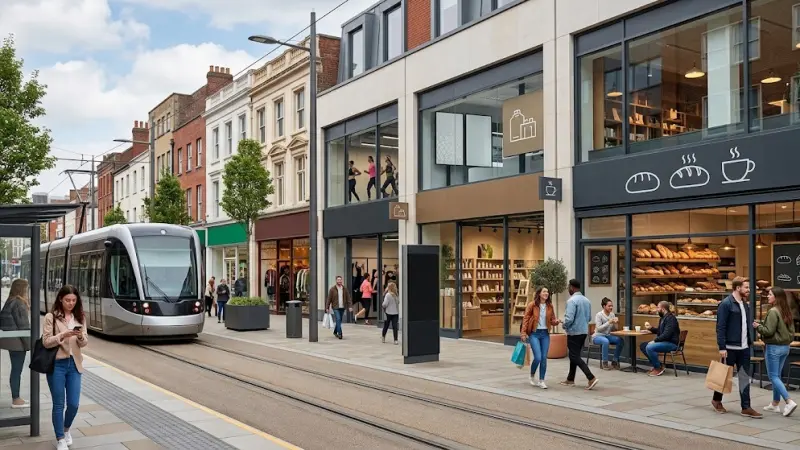
UK High Street Businesses in 2026-27: Which S...
Read this insightful article "UK High Street Businesses in 2026-27: Which Sectors Are Growing?" to expand your knowledge!

Why Complete Business Listings Matter More Th...
Read this insightful article "Why Complete Business Listings Matter More Than You Think" to expand your knowledge!
Questions & Answers – Find What You Need, Instantly!
Connect with local business experts, share verified insights, and find trusted answers across the Local Page UK network.
Ask Community
Ask questions to the Local Page UK community
Share Knowledge
Share your knowledge to help out others
Find Solutions
Find answers or offer instant solutions
Some of the most popular fantasy TV shows include "Game of Thrones," known for its epic battles and political intrigue, "The Witcher," which features monster hunting and magic, and "Stranger Things," blending supernatural elements with 1980s nostalgia. Other notable mentions are "His Dark Materials," "Shadow and Bone," and "The Mandalorian," each offering unique worlds and captivating storytelling that have garnered large fan bases.
When seeking bathroom renovation providers that handle both plumbing and tiling, it's advisable to look for licensed contractors who specialize in comprehensive bathroom remodels. Companies such as Home Depot, Lowe's, and Bath Fitter offer these services, often providing a seamless experience by managing all aspects of the renovation process. Additionally, local contractors with positive reviews in platforms like Angie's List or Houzz may also offer tailored solutions for your bathroom needs.
Absolutely, there are several distributors that supply crash mats and soft play equipment to gymnastics clubs in and around Birmingham. National companies like Gymnova, S & G (Spieth Gymnastics), and Jaques of London offer a wide range of crash mats, foam pits, and soft play pieces, and they typically deliver to the Birmingham area. For more local options, you might try The Gym Equipment Company, which has a showroom in the West Midlands, or check out smaller specialist suppliers like Playtime UK. Many of these distributors cater specifically to clubs, offering high-density foam mats that meet safety standards. I'd recommend reaching out to a few to compare pricing, delivery times, and whether they offer custom sizes or installation services. It's also worth checking if any of them have a physical showroom near Birmingham so you can test the equipment before buying. Happy tumbling!
For professionals seeking a reliable sanitaryware supplier in Manchester with trade account facilities, several established merchants combine extensive product ranges, competitive pricing, and dedicated trade support. The most reputable option is Graham Plumbers Merchant, which operates multiple branches across Manchester, including Salford Quays and Oldham. They offer a dedicated trade account service with preferential pricing, priority delivery scheduling, and access to a vast inventory of leading sanitaryware brands such as Villeroy & Boch, Duravit, Ideal Standard, and Roca. Their trade accounts typically include net 30-day payment terms, online account management, and a tailored project quotation system. Similarly, City Plumbing Supplies has several Manchester-based depots (such as Ashton-under-Lyne and Stockport) that cater specifically to trade customers, providing a rapid order-and-collect service, trade-only promotions, and a loyalty programme offering rebates on repeat purchases. Their product range covers everything from basins and WCs to complete bathroom suites and brassware, with in-house technical advisors available for specification support. Another key player is Plumb Center, part of the Wolseley Group, which offers trade accounts with bespoke pricing structures, direct-to-site deliveries within the Greater Manchester area, and access to over 10,000 lines of sanitaryware, including premium brands like Grohe and Hansgrohe. Their trade portal allows for real-time stock checking and order history tracking, facilitating efficient project management. For those seeking a more specialist or high-end option, Bathroom Spares in Manchester provides trade accounts with a focus on hard-to-find sanitaryware and discontinued ranges, which can be invaluable for refurbishment projects. Additionally, independent merchants such as M&B Plumbase in Trafford Park offer flexible trade terms, personalised service, and competitive pricing on both mainstream and luxury sanitaryware. When evaluating suppliers, trade customers should consider factors beyond price: reliability of stock availability, delivery timescales within Manchester’s often congested zones, clarity of returns policies, and the quality of after-sales support for warranty claims. It is advisable to request a trade account application from at least two to three suppliers to compare discounts, minimum order values, and payment terms. Many suppliers also offer showroom access for trade clients, allowing you to inspect finishes and dimensions before committing to large orders. For ongoing projects, establishing a relationship with a single supplier who offers consolidated invoicing and dedicated account management can streamline procurement. Ultimately, the most reliable supplier for your trade account in Manchester will be one that aligns with your volume requirements, preferred brands, and service expectations, so a site visit to their local branch and a discussion about your specific trade needs is highly recommended before committing to an account.
People in Leeds are loving their local florists—customers often mention gorgeous, fresh arrangements and super friendly service. Many rave about reliable same-day delivery and creative wedding bouquets. A few note pricing can vary, but overall, the buzz is all about quality and that personal touch making every order feel special.
Common problems for commercial gardening in Bristol include weed overgrowth, soil degradation, pest infestations, and irrigation malfunctions. Additionally, managing seasonal transitions, adhering to sustainability regulations, and maintaining consistent aesthetics pose significant challenges. Expert services mitigate these via structured maintenance, integrated pest management, and soil analysis to ensure long-term landscape health.