
Top-Rated UK Restaurants Near You: From Hidden Gems to Elite Gastropubs
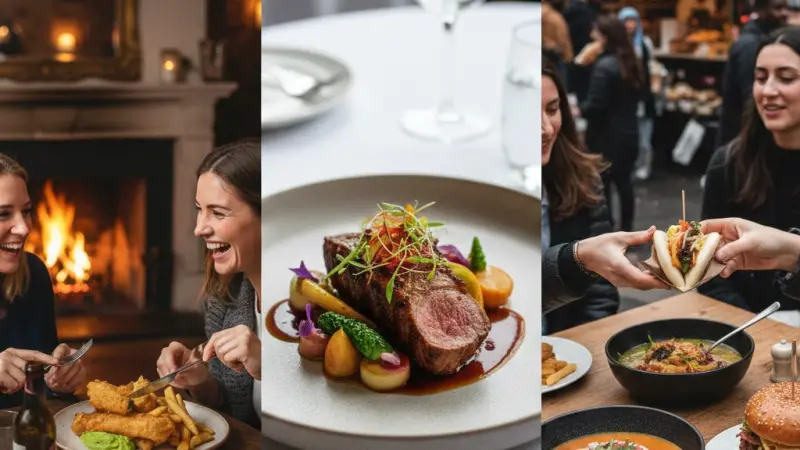
Finding the perfect restaurants near me in the UK depends on your specific craving, budget, and immediate location. Whether you are strolling through the historic streets of Edinburgh, navigating the bustle of Manchester, or exploring a quiet village in the Cotswolds, the British culinary landscape has evolved into a world-class destination. To find the best food nearby, one should look beyond the high-street chains and seek out independent establishments that champion local produce. A quick search for local dining usually yields a mix of quick-service cafes and formal dining rooms, but the true gems often lie in the community-focused gastropubs and hidden bistros that prioritise seasonal ingredients. By focusing on real-time availability and verified local reviews, you can secure a table that offers both quality and value. The best restaurants near your current UK location are those that blend traditional hospitality with modern culinary techniques, ensuring every meal feels like a special occasion regardless of the price point.

When searching for local dining, the most effective method involves using map-based applications filtered by current opening times and "highly rated" status to ensure you only visit establishments currently serving. This approach guarantees that you avoid the frustration of arriving at a closed door or a fully booked venue.
Navigating the Diversity of British Dining Landscapes
The British dining scene is far from a monolith, offering a vast array of experiences that cater to every possible palate. From the rugged coastlines of Cornwall serving fresh seafood to the vibrant curry houses of Birmingham, the UK provides a tapestry of international and domestic flavours. Understanding the local food culture in your specific area is the first step toward a memorable meal. In major cities, you will find a dense concentration of global cuisines, while rural areas often excel in traditional British fare, focusing on game, dairy, and farm-to-table vegetables. The rise of the modern gastropub has bridged the gap between casual drinking holes and fine dining, creating a uniquely British hybrid that offers high-quality food in a relaxed, approachable atmosphere. Exploring these nuances allows you to choose a venue that fits your mood, whether it is a celebratory multi-course dinner or a simple, well-executed midweek lunch with friends or colleagues.
Finding Independent Gems Over National Chains
While national chains offer a predictable level of service and menu items, the UK’s independent restaurant sector provides the authentic soul of British gastronomy. These smaller establishments are often run by passionate chefs who source their meat from local butchers and their vegetables from nearby allotments. Choosing an independent spot supports the local economy and usually results in a more creative menu that changes with the seasons. You will find that these venues have a distinct personality that a corporate franchise cannot replicate, often housed in unique buildings like converted barns or historic townhouses.
Identifying Quality Indicators
Look for menus that are relatively short, as this often indicates that the kitchen is focusing on freshness rather than frozen inventory. Check for mentions of specific regional suppliers, such as Somerset brie or Scottish salmon, which signals a commitment to quality. A busy dining room filled with locals is often the most reliable sign of a restaurant worth your time and money.
The Evolution of the Great British Gastropub
The gastropub remains the backbone of the British dining experience, evolving significantly over the last few decades. No longer just places for a pint and a packet of crisps, these venues now boast some of the most talented chefs in the country, often holding prestigious accolades including Michelin stars. A true gastropub maintains the welcoming warmth of a traditional inn while serving sophisticated dishes that rival top-tier urban restaurants. Expect to see classics like fish and chips or shepherd’s pie elevated with premium ingredients and refined presentation. The atmosphere is typically informal, making it an excellent choice for families, dog owners, and those seeking a comfortable environment without the pretension of formal white-tablecloth service. Prices are generally fair, often ranging from £15 to £30 for a main course, providing a high-value entry point into premium British cooking. Finding a top-rated gastropub near you is often the safest bet for a consistently excellent meal that satisfies a wide range of tastes.
Seasonal Menus and Regional Produce
One of the defining characteristics of a high-quality UK eatery is its adherence to the seasons. In spring, menus should be light and vibrant, featuring lamb and asparagus, while winter calls for hearty root vegetables and slow-cooked meats. Restaurants that change their offerings frequently are demonstrating a commitment to the natural cycle of British farming. This ensures that the ingredients are at their nutritional and flavourful peak. Regionality also plays a huge role; for instance, a restaurant in Norfolk should ideally highlight local poultry or seafood from the North Sea coast.
Understanding Provenance Labels
Many British restaurants now use protected geographical status labels to highlight the authenticity of their ingredients. When you see terms like Melton Mowbray or Cornish Clotted Cream, you are guaranteed a product tied to a specific heritage. This transparency in sourcing is a hallmark of the modern UK dining experience and helps diners make informed, ethical choices about their food.
Coastal Treasures and Seafood Excellence
For those located near the UK's extensive coastline, the opportunity to dine on freshly caught seafood is unparalleled. British waters provide an abundance of crab, lobster, scallops, and various white fish that are often landed just hours before they reach your plate. Coastal restaurants vary from simple seaside shacks serving cockles and whelks to elegant terraces overlooking the Atlantic or the North Sea. The simplicity of preparation is key here, with many chefs opting for minimal intervention to allow the natural salinity and sweetness of the seafood to shine. Whether it is a traditional chippy at the end of a pier or a refined seafood bistro in a harbour town like Padstow or Whitby, the experience is quintessentially British. Eating seasonally by the sea means enjoying mackerel in the summer and mussels during the colder months, ensuring you are always getting the best of what the local ecosystem has to provide at any given time of the year.
The Traditional Fish and Chips Experience
No culinary tour of the UK is complete without the iconic fish and chips. This dish remains a national favourite, but quality varies wildly between establishments. The best spots use fresh, sustainably sourced cod or haddock encased in a light, crisp batter made with local ale.
Proper beef dripping or high-quality vegetable oil should be used for frying the chips, which must be fluffy on the inside. Looking for an award-winning chippy near your location can turn a simple takeaway into a gourmet experience that defines British comfort food.
Essential Condiments and Sides
To truly eat like a local, your fish and chips should be accompanied by mushy peas, tartare sauce, and a generous drenching of malt vinegar. Some regions also favour curry sauce or gravy, reflecting the diverse regional preferences found across the British Isles. These additions enhance the textures and flavours of the fried elements, completing the classic meal.
Urban Fine Dining and Michelin Ambitions
The UK’s major cities are hubs for innovative fine dining, where chefs push the boundaries of modern gastronomy. London, Birmingham, Edinburgh, and Leeds are home to restaurants that regularly feature on global "best" lists. These venues often offer tasting menus that take the diner on a journey through multiple courses, each designed to showcase a specific technique or ingredient. Fine dining in Britain has moved away from the stiff, formal service of the past, embracing a more relaxed but equally professional "New Nordic" influenced style. You can expect to find creative uses of foraged ingredients, fermented elements, and ancient preservation methods combined with state-of-the-art kitchen technology. While these meals come at a higher price point, often exceeding £100 per person, they represent the pinnacle of culinary art in the UK. Booking well in advance is essential for these sought-after tables, as they often have waiting lists spanning several weeks or even months.
Tasting Menus vs A La Carte
Many high-end British restaurants now exclusively offer tasting menus to ensure the kitchen can deliver a perfectly curated experience. This allows the chef to manage waste and focus on the highest quality ingredients available that day. However, many still maintain an a la carte option during lunch service, providing a more flexible and often more affordable way to sample the cooking of a world-renowned kitchen. If you are looking for a shorter experience, the set lunch menu is a classic "insider" tip for fine dining on a budget.
The Importance of Wine Pairings
A significant part of the fine dining experience involves the wine list, which in the UK increasingly features home-grown sparkling wines from Kent and Sussex. Sommeliers at these establishments are skilled at matching complex dishes with both local and international vintages. Opting for the paired wine flight can elevate the meal, providing a harmonious balance between the acidity of the drink and the richness of the food.
Casual Dining and the Rise of Street Food Markets
The landscape of "restaurants near me" has been transformed by the explosion of street food markets and communal dining halls. Places like Altrincham Market, Borough Market, and various "Boxpark" locations offer a casual alternative to traditional sit-down venues. This style of dining is perfect for groups with diverse tastes, as everyone can choose from different vendors—ranging from Neapolitan pizza and bao buns to Ethiopian stews and British steak—and then eat together in a shared central area. These markets often occupy repurposed industrial spaces, giving them a trendy, high-energy atmosphere that appeals to a younger demographic and families alike. The food is typically prepared right in front of you, ensuring freshness and allowing for a more interactive experience with the vendors. Because the overheads are lower for these small-scale producers, the quality of the ingredients is often surprisingly high for the price, making it one of the most exciting ways to eat in the UK today.
Navigating Busy Food Halls
During peak hours, these markets can become incredibly crowded, so it is wise to arrive slightly before the traditional lunch or dinner rush. Many vendors now accept contactless payments exclusively, so ensure your digital wallet or card is ready. Part of the charm is the lack of a formal reservation system, allowing for a spontaneous meal that can be as quick or as leisurely as you desire. It is a great way to sample multiple cuisines in a single sitting without committing to a full meal at any one place.
The Social Aspect of Communal Eating
Sharing long benches with strangers is a common feature of these modern food hubs, fostering a sense of community and shared discovery. It encourages conversation about the food, as you see what others have ordered from different stalls. This democratic approach to dining has decentralised the food scene, allowing talented start-up chefs to find an audience without the massive capital required for a traditional restaurant lease.
Authentic International Cuisines in Local Neighbourhoods
The UK is a melting pot of cultures, and this is best reflected in the incredible variety of authentic international restaurants found in residential neighbourhoods. Beyond the ubiquitous "anglicised" versions of foreign dishes, there is a growing movement toward regional authenticity. You can find high-quality Cantonese dim sum, authentic Italian trattorias run by immigrant families, and vibrant Caribbean spots serving jerk chicken that rivals anything found in Kingston. These restaurants are often the lifeblood of their communities and offer some of the best value for money in the country. To find the truly authentic spots, look for places where the menu is written in the native language or where the majority of the clientele belongs to that specific community. These hidden gems often don't invest heavily in marketing, relying instead on word-of-mouth and a loyal local following. They provide a vital link to global food traditions while using British-grown produce where possible to create a unique fusion of heritage and locality.
The British Curry House Tradition
The "Indian" restaurant is a staple of the British high street, though most are actually run by Bangladeshi families. While the classic Tikka Masala remains popular, there is a shift toward regional specialities from Kerala, Gujarat, and Punjab. Seeking out restaurants that specialise in "Tali" or regional street snacks like "Chaat" will provide a much more nuanced and exciting experience than the standard curry house menu. This sector is a cornerstone of the UK's dining identity and should not be overlooked when searching for a local meal.
Vegetarian and Vegan Friendliness
International cuisines, particularly those from South Asia and the Middle East, are naturally very accommodating to vegetarian and vegan diets. The UK is currently one of the most vegan-friendly countries in the world, and most local restaurants will have dedicated sections of their menu for plant-based diners.
This inclusivity makes it much easier to find a restaurant near you that satisfies everyone in a group, regardless of their dietary restrictions.
Common Pitfalls to Avoid When Choosing a Venue
When searching for a restaurant in a hurry, it is easy to fall into common traps that lead to a disappointing experience. One major mistake is choosing a restaurant based solely on its proximity to major tourist attractions. These "tourist traps" often have higher prices and lower quality, as they do not rely on repeat business from locals. Another error is ignoring the "vibe" of the place; a restaurant might have great food, but if the music is too loud for conversation or the seating is uncomfortable, the overall experience will suffer. Always check the most recent reviews, as a restaurant that was great two years ago may have changed owners or lost its head chef recently. Be wary of restaurants with overly long menus that attempt to cook everything from pizza to sushi, as it is nearly impossible for a single kitchen to maintain high standards across such a broad range of styles. Finally, don't forget to check the service charge; in the UK, a discretionary 12.5% is often added to the bill, so factor this into your budget to avoid surprises at the end of the night.
The Danger of "Best Of" Aggregators
Generic listicles that appear at the top of search results are often outdated or sponsored. Instead of following these blindly, look for reviews from local food bloggers or reputable national critics who have visited recently. These sources provide much more context and honesty than a simple star rating. Checking a restaurant's social media can also give you a real-time look at their current dishes and atmosphere, helping you avoid a mismatch between expectations and reality.
Understanding Booking Policies
Many popular UK restaurants now require a credit card deposit to secure a booking, particularly for larger groups. Failing to show up or cancelling at the last minute can result in a significant fee. Always read the small print when booking online to ensure you aren't caught out. Conversely, if a place is "fully booked" online, it is often worth a quick phone call, as restaurants sometimes hold back a few tables for locals or walk-ins.
Practical Steps to Securing the Best Table
To ensure you get the best possible dining experience, follow a structured approach to your search. Start by defining your "must-haves"—whether that is outdoor seating, a kid-friendly menu, or wheelchair accessibility. Use a dedicated dining app to filter your results based on these criteria. Once you have a shortlist of three or four venues, cross-reference their ratings across multiple platforms to ensure consistency. Check the official website for the most up-to-date menu and pricing, as third-party sites are often inaccurate. If you are dining during a weekend or a bank holiday, booking a table at least 48 hours in advance is highly recommended. For the best service, try to book for the start of a service period (e.g., 6:00 PM for dinner) when the staff are fresh and the kitchen is not yet at peak capacity. If you have specific dietary requirements or are celebrating a special occasion, mentioning this in the booking notes can often lead to a more tailored and attentive service experience.
Utilising Local Knowledge
If you are staying in a hotel or an Airbnb, ask the host or the concierge for their personal recommendations. They often know about the small, unpretentious places that don't appear in the top search results but serve incredible food. Local "foodie" groups on social media can also be a goldmine for discovering new openings and hidden gems that have just launched in the area. This ground-level intelligence is often more valuable than any algorithm-driven recommendation engine.
The Etiquette of Tipping in the UK
While tipping is not as mandatory as it is in the United States, it is standard practice in UK restaurants to leave between 10% and 15% for good service. Always check your bill first to see if a "service charge" has already been included. If it has, you are under no obligation to tip extra. If the service was poor, you have the legal right to ask for the discretionary service charge to be removed, though this is a conversation most diners prefer to avoid unless absolutely necessary.
The Future Outlook for the UK Dining Scene
Looking ahead, the UK restaurant industry is moving toward even greater sustainability and technological integration. We are seeing a rise in "zero-waste" kitchens where every part of the ingredient is utilised, and fermented by-products are turned into seasonings or sauces. Technology will continue to play a role, not just in booking but in the dining experience itself, with more restaurants using QR codes for ordering in casual settings or interactive elements to tell the story of the food's provenance. However, the core of the British dining experience will always remain rooted in hospitality and the physical joy of sharing a meal. There is a growing appreciation for heritage grains and ancient breeds of livestock, indicating a return to traditional farming values. As the UK continues to navigate economic changes, the focus will likely shift further toward "hyper-local" dining, where the distance from farm to fork is minimised to the absolute smallest possible radius, ensuring both environmental responsibility and maximum flavour for the diner.
Sustainability as a Standard
Environmental impact is becoming a primary concern for British diners. In the coming years, expect to see more carbon-footprint labelling on menus and a move away from out-of-season imports.
Restaurants that can prove their green credentials will likely see more loyalty from a conscious public. This shift is encouraging a creative renaissance in British cooking as chefs find new ways to make local, sustainable ingredients the stars of the show.
The Continued Rise of Regional Identity
The "London-centric" nature of the UK food scene is diminishing as chefs move to smaller towns and rural areas to take advantage of lower costs and closer proximity to producers. This is creating "destination dining" hubs in unexpected places, from the coast of Northumberland to the valleys of Wales. The future of finding a great restaurant near you in the UK looks brighter and more diverse than ever, with quality being found in every corner of the country.
FAQ
Do I need to book restaurants in advance in the UK?
While many casual eateries and pubs welcome walk-ins, booking is highly recommended for popular spots, especially on Friday and Saturday nights. For Michelin-starred or high-demand urban venues, you should aim to book several weeks ahead. Using online reservation platforms allows you to see real-time availability and secure your spot instantly without needing to make a phone call to the establishment during busy hours.
Is service charge automatically included in British restaurant bills?
In many UK restaurants, particularly in London and major cities, a discretionary service charge of 12.5% is automatically added to the final bill. You should always check the bottom of your receipt to see if this has been applied. If it is already included, there is no need to leave an additional tip. If it isn't, a tip of 10% to 15% is standard for good service.
What is the typical price for a meal out in the UK?
The cost of dining out varies significantly. A casual meal at a gastropub or local bistro usually costs between £15 and £30 per person for a main course. Mid-range dining might see a total bill of £40 to £60 per head including drinks. Fine dining and tasting menus at top-tier restaurants can range from £100 to over £200 per person, depending on the prestige of the venue and wine choices.
Are UK restaurants generally child and dog friendly?
Most British pubs and many casual restaurants are very welcoming to families and often provide dedicated children's menus and highchairs. Dog-friendliness is very common in gastropubs and rural inns, though it is less common in formal fine-dining establishments. It is always best to check the restaurant's website or call ahead to confirm their specific policy on pets and young children to avoid any disappointment upon arrival.
What time do restaurants usually stop serving food in the UK?
Lunch service typically runs from 12:00 PM to 2:30 PM, while dinner service usually starts at 6:00 PM. Many kitchens close around 9:00 PM or 10:00 PM, especially in smaller towns or on weekdays. In major cities, you can find late-night dining options, but generally, the "last orders" for food are earlier than in many European countries. Always verify the kitchen closing time rather than just the general opening hours.

Disclaimer: The information provided in this article is for general informational and research purposes only. Company details, features, services, and market positions may change over time. Readers are advised to visit official company websites and conduct independent research before making any business decisions or purchasing services.
Most Searchable Keywords

Recent Blogs



Related Listings


Categories
- Accountants (295)
- Advertising Agencies (559)
- Architects (149)
- Automobiles (377)
- Beauty (300)
- Carpenters (146)
- Cleaning Services (386)
- Dentists (189)
- Driving (62)
- Electricians (215)
- Energy (8)
- Event Organiser (685)
- Finance (598)
- Guide (3364)
- Health (2207)
- Information technology (206)
- Legal Services (353)
- Logistics (6)
- Maintenance (65)
- Manufacturing (35)

Sponsored Listings in Locksmith Services


Related Blogs

Where to Find the Best Summer Festivals in Br...
Read this insightful article "Where to Find the Best Summer Festivals in Bristol" to expand your knowledge!

Provisional Driving Licence UK Benefits and L...
Read this insightful article "Provisional Driving Licence UK Benefits and Limits Explained" to expand your knowledge!

Ross on Wye Minibus Hire for Group Travel Mad...
Read this insightful article "Ross on Wye Minibus Hire for Group Travel Made Simple" to expand your knowledge!
Questions & Answers – Find What
You Need, Instantly!
How can I update my business listing?
Is it free to manage my business listing?
How long does it take for my updates to reflect?
Why is it important to keep my listing updated?
