
Ultimate Guide to Six Nations Fixtures: Dates, Venues, and Kick-off Times
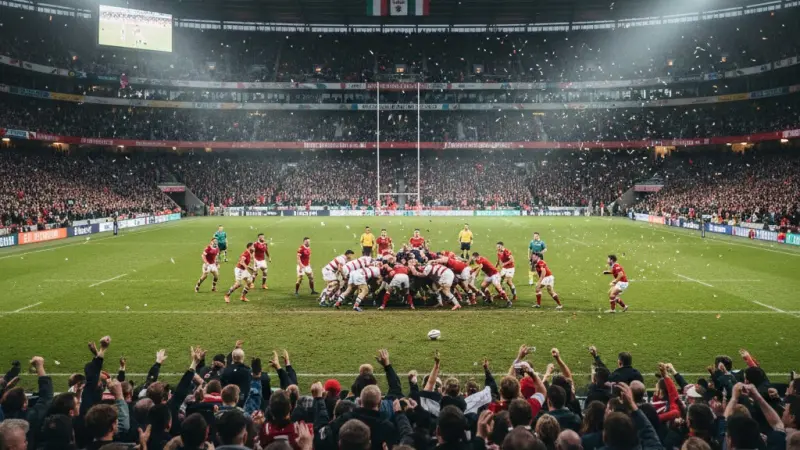
The Six Nations fixtures represent the pinnacle of the Northern Hemisphere rugby calendar, uniting fans across England, Scotland, Wales, Ireland, France, and Italy in a six-week festival of high-stakes competition. For those seeking the definitive schedule, the fixtures are traditionally structured across five intensive rounds, typically commencing in early February and culminating in the dramatic "Super Saturday" finale in mid-March. Each match is meticulously timed to cater to global broadcast audiences while preserving the atmospheric late-winter afternoon slots that define the tournament's character. Whether you are tracking the progress of the Triple Crown or anticipating the deciding clash for the Grand Slam, staying informed on the specific dates and venues is essential for any supporter. The current cycle of matches ensures that every participating nation hosts at least two home fixtures, alternating annually to maintain competitive balance and logistical fairness across the participating unions.

Featured Snippet: The Six Nations fixtures follow a rigid five-round format held annually between February and March. Each of the six participating nations plays five matches, alternating home and away status each year. Kick-off times are typically staggered across Friday nights, Saturdays, and Sundays to ensure maximum viewership, with the final round featuring all three matches played consecutively on a single Saturday.
Championship Structure and Seasonal Scheduling
The organisation of the championship is a masterclass in sports logistics, designed to maintain momentum while allowing athletes sufficient recovery time between gruelling physical encounters. Typically, the schedule is broken into three blocks: two consecutive weekends of action, a fallow week for recovery, another two weekends of play, a second fallow week, and finally the climactic fifth round. This rhythm is vital for the integrity of the tournament, ensuring that the final stages are contested by squads that have managed their physical condition effectively. The scheduling committee also takes into account the travel requirements for fans and teams, ensuring that the movement between cities like Rome, Edinburgh, and Cardiff is as seamless as possible during the busy late-winter period.
European Rugby Calendar Integration
Integration with the wider domestic and European rugby seasons is a complex task. The fixtures must sit neatly between the conclusion of European club pool stages and the resumption of domestic knockout rugby in the Gallagher Premiership and United Rugby Championship. This alignment ensures that the world’s best players are available for international duty without compromising the commercial viability of their respective clubs. It is a delicate balance that requires cooperation between national unions and private leagues to protect the health of the players involved.
Logistical Planning Considerations
Broadcasters play a significant role in determining the final timings. While traditionalists often prefer the standard Saturday afternoon kick-off, the introduction of Friday night fixtures under the floodlights has added a modern dimension to the tournament. These decisions are made months in advance to allow for stadium preparation and ticket distribution across the various host cities.
Traditional Match Venues and Atmosphere
The stadiums chosen for these fixtures are iconic cathedrals of sport, each offering a unique cultural experience that transcends the game itself. From the steep tiers of the Principality Stadium in Cardiff, which can be enclosed by its retractable roof to trap the deafening roar of the Welsh crowd, to the historic surroundings of Twickenham in London, the venues are as much a part of the story as the players. In Dublin, the Aviva Stadium provides a modern, high-tech backdrop, while the Stadio Olimpico in Rome offers a touch of Mediterranean grandeur. Murrayfield in Edinburgh remains one of the most atmospheric venues, especially when the piper stands atop the roof before kick-off, and the Stade de France provides the vast, intimidating stage where the French flair is often at its most potent.
The Impact of Home Advantage
Playing at home is statistically significant in the Six Nations, where the support of a partisan crowd can often sway the momentum of a tight fixture. The schedule dictates that over a two-year cycle, every team will play every other team both home and away. This ensures that no nation is permanently disadvantaged by a difficult travel schedule. Understanding which years your nation has three home games instead of two is a key part of predicting the eventual winner of the championship trophy.
Stadium Accessibility and Travel
For travelling supporters, these fixtures are an opportunity for a weekend getaway. Most stadiums are located within easy reach of city centres, allowing fans to soak up the local culture before heading to the ground. This proximity fosters a friendly, carnival-like atmosphere where opposing fans mingle freely in the hours leading up to the match.
Planning Your Match Day Experience
Attending a Six Nations match requires forward planning that begins long before the first whistle. Tickets are notoriously difficult to obtain through general sale, often being distributed first to local rugby clubs and debenture holders. For those lucky enough to secure a seat, the day begins several hours before the match. In cities like Cardiff or Edinburgh, the entire downtown area becomes a pedestrianised zone filled with fans. It is advisable to arrive at the stadium at least an hour before kick-off to clear security and enjoy the pre-match ceremonies, which often include military bands, national anthems, and spectacular light shows that build the tension to a fever pitch.
Ticketing Advice for Supporters
Avoid purchasing tickets from unofficial secondary market websites, as most unions have strict policies that can lead to tickets being voided at the gate. The best way to secure legitimate access is through your local rugby club or by purchasing official hospitality packages.
While these packages come at a premium price, they often include food, drinks, and the guarantee of a seat in a prime location within the stadium.
Arrival and Security Protocols
In recent years, security at major sporting events in the UK and Europe has been heightened. Expect bag searches and electronic scanning at all entry points. Most stadiums now operate a "no bag" or "small bag" policy to speed up entry. Checking the specific stadium website a few days before the fixture will ensure you are not caught out by any specific local regulations.
Common Pitfalls for New Fans
One of the biggest mistakes a new fan can make is underestimating the weather conditions during February and March. While the atmosphere is hot, the air is often freezing and damp. Standing in a stadium for two hours without adequate layers can ruin the experience. Another common error is failing to book transport and accommodation well in advance. During a match weekend, hotel prices in host cities can triple, and trains are often fully booked weeks ahead. It is also vital to understand the "bonus point" system used in the standings, as this can mean a team wins the match but loses ground in the overall table due to the number of tries scored or the margin of defeat.
Accommodation and Logistics Errors
Many fans assume they can find a hotel on the day of the match, but this is virtually impossible in cities like Dublin or Edinburgh during the tournament. If you cannot find a hotel in the city centre, look for towns on the outskirts with good rail links. This can often save hundreds of pounds while only adding a short commute to your match day itinerary.
Understanding the Points System
The points system is designed to encourage attacking rugby. Teams earn four points for a win and two for a draw. A bonus point is awarded for scoring four or more tries, and another "losing bonus point" is given if a team loses by seven points or fewer. This means every minute of the fixture matters, regardless of the scoreline.
Economic Impact on Host Cities
The arrival of tens of thousands of fans for a Six Nations fixture provides a massive economic boost to the host cities. It is estimated that a single match can generate upwards of £20 million for the local economy, spanning across the hospitality, transport, and retail sectors. Pubs and restaurants often see their busiest trading days of the year, frequently exceeding the revenue generated during the Christmas period. This influx of capital supports local jobs and allows for investment in city infrastructure. For the national unions, the revenue generated from ticket sales, broadcasting rights, and sponsorships is reinvested back into the grassroots game, funding youth programmes and local club facilities.
Hospitality and Tourism Growth
The tournament has evolved into a significant tourism driver. Fans often extend their stay beyond the match day to explore the history and sights of the host nation. This "rugby tourism" helps to sustain the travel industry during what is traditionally a quiet period for international visitors. Cities now actively compete to provide the best fan zones and cultural events to capture this spending power.
Grassroots Reinvestment Models
Every pint bought and every ticket scanned contributes to the future of the sport. The various unions use the profits from these high-profile fixtures to ensure that local clubs have the equipment and coaching they need. This circular economy is what keeps the sport alive at the community level, ensuring a pipeline of talent for future championships.
Future Outlook and Digital Evolution
The future of Six Nations fixtures is likely to be shaped by further digital integration and a potential expansion of the tournament's global reach. There are ongoing discussions regarding the inclusion of a "Nations Championship" structure that could see the Six Nations winners play against the best of the Southern Hemisphere in a biennial grand finale. Furthermore, the way fans consume the fixtures is changing; augmented reality apps now allow supporters to see real-time player stats on their phones while sitting in the stands. As broadcasting rights continue to grow in value, we may see more experimental kick-off times to suit audiences in the Americas and Asia, though the core of the tournament remains firmly rooted in its European heritage.
Technological Enhancements in Stadiums
Connectivity within stadiums is a major focus for the coming years. High-speed 5G networks are being installed to allow for seamless streaming and social media interaction during the game.
Some stadiums are even trialling "smart seats" that allow fans to order food and merchandise directly to their location, reducing queue times and improving the overall match-day experience.
Potential Expansion Rumours
While the "Six" in the title is currently settled, the consistent performance of nations like Georgia and Portugal has led to calls for a promotion and relegation system. While this remains controversial due to the commercial stability of the current member unions, it is a topic that surfaces every year as the tournament looks to maintain its status as the world's premier rugby competition.
The Psychological Pressure of the Schedule
The mental toll of the Six Nations fixtures cannot be overstated. Players are required to peak physically five times in seven weeks, often while dealing with the intense scrutiny of the national press and the weight of public expectation. The short turnaround between matches means that a single injury or a moment of ill-discipline can derail an entire campaign. Coaches must be master tacticians, not only in terms of on-field play but also in managing the psychological load on their squad. The "Super Saturday" finale is the ultimate test of this, where three matches happen back-to-back, and the title can change hands multiple times over the course of six hours of elite rugby.
Managing Squad Rotation and Fatigue
Because the matches are so physical, very few players will complete every minute of every fixture. The depth of a nation's "bench" or "finishers" is often the difference between winning and losing. A coach’s ability to rotate players during the fallow weeks and manage the return to club duties is a critical component of a successful championship run.
Media Intensity and Public Perception
In nations where rugby is the primary sport, the pressure from the media is relentless. Every tactical decision is analysed by former players and pundits. Players often undergo media training specifically for the tournament to handle the spotlight without letting it affect their performance on the pitch.
Essential Steps for Following the Tournament
To fully immerse yourself in the championship, start by syncing the official fixtures to your digital calendar. Most national union websites offer a "sync" button that will automatically update your phone with kick-off times in your local time zone. Secondly, choose a dedicated news source or podcast that provides deep tactical analysis rather than just score updates. This will help you understand the nuances of the game, such as scrum dominance and line-out strategies. Finally, if you cannot attend in person, find a local "rugby pub" to watch the games. The camaraderie of watching a fixture with a crowd of fellow supporters is the next best thing to being in the stadium yourself.
Digital Integration and Updates
The official Six Nations app is a vital tool for any fan. It provides live match centres, play-by-play commentary, and instant video highlights. Turning on notifications for your preferred team ensures you never miss a score, even if you are away from a screen during the game. Many fans also use the app to participate in the official fantasy rugby league.
Creating a Viewing Tradition
Whether it is a specific meal you cook for match day or a regular group of friends you meet at the pub, having a tradition makes the tournament more memorable.
These rituals are passed down through families, cementing the Six Nations' place as a cornerstone of British and European sporting culture every winter.
FAQ
When are the Six Nations fixtures usually announced?
The fixtures for the following year are typically confirmed by the tournament organisers shortly after the conclusion of the current championship, usually in late March or April. This early announcement allows fans and travel operators to begin making arrangements for the next season. The schedule follows a rotating home-and-away pattern to ensure fairness, and specific kick-off times are finalised in consultation with major broadcasting partners like the BBC and ITV.
What is the best way to get tickets for a match?
Securing tickets for Six Nations fixtures is most reliably done through your local rugby club or the official ticketing portals of the national unions (such as the RFU or SRU). Most unions prioritise their members and local clubs before releasing any remaining tickets to the general public. It is strongly advised to avoid third-party resale sites, as these tickets are often overpriced and may be invalidated by the stadium security.
How does the bonus point system affect the fixtures?
The bonus point system, introduced in 2017, encourages attacking play throughout the fixtures. A team earns an extra point for scoring four or more tries in a single match, regardless of the result. Additionally, a losing team can earn a point if they finish within seven points of the winner. These points are crucial in the final standings, often determining the championship winner if two teams are tied on match wins.
Are all Six Nations matches played on Saturdays?
While Saturday remains the primary day for rugby, the schedule frequently includes Friday night and Sunday afternoon fixtures. This variety ensures that every match can be broadcast live without overlapping, allowing fans to watch every minute of the tournament. The final round, known as "Super Saturday," is the only exception, where all three matches are played back-to-back on a single Saturday to provide a dramatic conclusion.
What happens if a team wins every single match?
If a nation wins all five of their Six Nations fixtures, they are crowned the "Grand Slam" winners. This is considered the ultimate achievement in Northern Hemisphere rugby. To ensure that a Grand Slam winner always finishes at the top of the table regardless of bonus points, they are automatically awarded an additional three bonus points in the final standings to prevent them from being overtaken by a team with more try-bonus points.

Disclaimer: The information provided in this article is for general informational and research purposes only. Company details, features, services, and market positions may change over time. Readers are advised to visit official company websites and conduct independent research before making any business decisions or purchasing services.
Most Searchable Keywords

Recent Blogs



Related Listings


Categories
- Accountants (295)
- Advertising Agencies (559)
- Architects (149)
- Automobiles (377)
- Beauty (300)
- Carpenters (146)
- Cleaning Services (386)
- Dentists (189)
- Driving (62)
- Electricians (215)
- Energy (8)
- Event Organiser (685)
- Finance (599)
- Guide (3365)
- Health (2207)
- Information technology (206)
- Legal Services (353)
- Logistics (6)
- Maintenance (65)
- Manufacturing (35)

Sponsored Listings in Locksmith Services


Related Blogs

Gen Z Political Reporters and News Creators i...
Read this insightful article "Gen Z Political Reporters and News Creators in the UK" to expand your knowledge!

Famous Female Social Media Influencers Across...
Read this insightful article "Famous Female Social Media Influencers Across the UK" to expand your knowledge!

Your UK Sponsor Licence 2026 Step by Step Gui...
Read this insightful article "Your UK Sponsor Licence 2026 Step by Step Guide" to expand your knowledge!
Questions & Answers – Find What
You Need, Instantly!
How can I update my business listing?
Is it free to manage my business listing?
How long does it take for my updates to reflect?
Why is it important to keep my listing updated?
