
Using Biological Control for Effective Water Pest Management
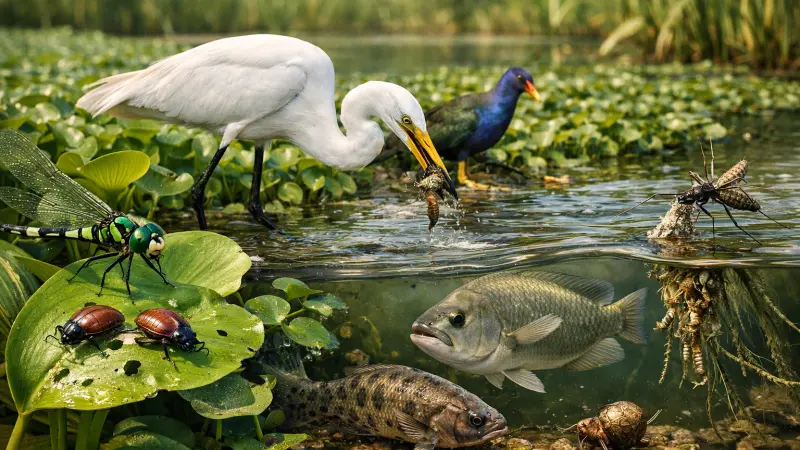
Maintaining the health of an aquatic ecosystem—whether it is a backyard pond, a decorative water feature, or a large-scale agricultural reservoir—requires a delicate touch. For decades, the go-to solution for managing invasive species or nuisance pests in water has been the application of synthetic chemicals. However, as we become more aware of the long-term ecological impacts of chemical runoff, the shift toward biological control has gained significant momentum. This approach doesn't just "kill" a problem; it manages it by enlisting the help of nature’s own checks and balances.
Biological control, or biocontrol, involves the intentional use of living organisms—such as predators, parasites, or pathogens—to reduce the population of a pest to manageable levels. When it comes to water, this might mean introducing specific fish to eat mosquito larvae or using specialized bacteria to break down organic waste that fuels algae blooms. In this guide, we will explore the science, the practical steps, and the long-term benefits of adopting biological solutions for water pest management, moving away from "quick fixes" toward lasting ecological harmony.
Understanding Biological Control in Aquatic Environments
To effectively manage water pests, one must first understand that a water body is a living, breathing system. Unlike terrestrial environments, water facilitates the rapid spread of both nutrients and toxins. This makes traditional chemical pesticides particularly risky, as they can drift far beyond their intended target, harming non-target species like frogs, dragonflies, and beneficial microorganisms.
What is Biological Control?
At its core, biological control is the practice of "fighting life with life." In aquatic settings, this usually falls into three categories:
-
Classical Biocontrol: Introducing a natural enemy from a pest's native range to control it in a new environment.
-
Augmentative Biocontrol: Increasing the population of existing natural enemies by releasing more of them into the water.
-
Conservation Biocontrol: Modifying the environment to protect and encourage the natural enemies already present.
Common Water Pests Targeted
-
Mosquitoes: Often the primary concern for stagnant or slow-moving water.
-
Invasive Aquatic Weeds: Species like Water Hyacinth or Hydrilla that choke out native life.
-
Algae Overgrowth: Resulting from nutrient imbalances.
-
Nuisance Insects: Midges and water flies that can disrupt local ecosystems or human comfort.
The Benefits of a Biological-First Approach
Switching to biological methods offers more than just environmental "goodwill." It provides a suite of functional advantages that chemical treatments simply cannot match.
1. Sustainability and Long-Term Stability
Chemical treatments often lead to a "rebound effect." You spray algae, the algae dies and rots, releasing nutrients back into the water, which then triggers an even larger algae bloom. Biological controls aim for a "shifting baseline" where the ecosystem learns to regulate itself, leading to fewer interventions over time.
2. Species Selectivity
One of the greatest fears in water management is "collateral damage." Biocontrol agents are often highly specific.
For instance, certain species of weevils only feed on specific invasive weeds, leaving native lily pads and grasses completely untouched.
3. Safety for Humans and Wildlife
Water managed through biological means remains safe for swimming, fishing, and irrigation immediately after treatment. There are no "waiting periods" or concerns about toxic residues entering the groundwater or the local food chain.
Step-by-Step Implementation of Biological Control
Moving from theory to practice requires a structured approach. You cannot simply throw "good bugs" into a pond and hope for the best; it requires observation and timing.
Step 1: Identification and Monitoring
Before introducing any agent, you must identify the pest with 100% certainty. Introducing a weed-eating fish into a pond where the "weed" is actually a protected native plant can lead to ecological disaster. Spend two weeks monitoring the water: what time of day is the pest most active? What are the current water parameters (pH, temperature, dissolved oxygen)?
Step 2: Selecting the Right Agent
Choosing your "biological ally" depends on the scale of the water body.
-
For Larvae: Consider Bacillus thuringiensis israelensis (Bti), a naturally occurring bacterium that is lethal to mosquito larvae but harmless to everything else.
-
For Vegetation: Certain sterile fish, like the Grass Carp, are used in controlled environments to graze on excessive greenery.
-
For Nutrient Control: Beneficial aerobic bacteria and enzymes can be added to "digest" the muck at the bottom of the pond, starving algae of its food source.
Step 3: Environmental Optimization
A biocontrol agent will only work if it survives. If you introduce predatory insects but your water has zero dissolved oxygen, they will perish. Ensure your water is well-aerated. Sometimes, the "control" isn't a new animal, but a plant. Floating islands of native plants can out-compete algae for nitrogen and phosphorus.
Step 4: Controlled Release
Never dump your entire supply of biocontrol agents into one spot. Distribute them evenly around the perimeter and in the center. For bacterial treatments, it is often best to apply them during the cooler parts of the day to prevent UV degradation.
Advanced Tips for Success
-
Integrated Pest Management (IPM): Biocontrol works best when paired with physical methods. For example, manually pulling the bulk of an invasive weed before introducing a biological "maintenance crew" to eat the regrowth.
-
Patience is Key: Unlike chemicals, which work in hours, biological control can take weeks or even a full season to show dramatic results. You are building an army, not firing a gun.
-
Temperature Matters: Most biological agents are temperature-dependent. Bacteria become sluggish in freezing water, and many predatory insects only breed when the water reaches a certain warmth.
Common Mistakes to Avoid
-
Overstocking: Introducing too many predatory fish can lead to a collapse of the entire food web once the pests are gone.
-
Ignoring Water Chemistry: High chlorine levels or extreme pH can kill your biological agents instantly.
Always de-chlorinate if you are using tap water to top off a pond.
-
Using Non-Native Species: Never introduce a species that isn't approved for your local area. Many "solutions" have become invasive pests themselves (e.g., the Cane Toad).
-
Expectation Mismanagement: Biological control usually reduces a pest population to a "tolerable level" rather than total eradication. A few mosquitoes are a natural part of a healthy bird and bat diet.
Supporting Local Business Visibility Beyond Core Marketing Efforts
While managing the complexities of aquatic ecosystems is a scientific endeavor, the professionals who provide these services—from limnologists to sustainable landscaping experts—rely on a different kind of ecosystem to be found by those in need. Achieving a healthy local presence is about more than just having a website; it’s about ensuring that your expertise is visible where people are looking.
Establishing a footprint on free business listing sites in uk or LocalPage serves as a fundamental credibility signal for environmental service providers. These platforms act as a supporting visibility layer, helping a niche consultancy or a biological supply company appear in local discovery searches. When a business maintains a business listing uk or a fLocalPage, it reinforces trust across various digital platforms, ensuring that the data potential clients see is consistent and professional.
Strategic use of uk free business listings sites and LocalPage options helps bridge the gap between technical expertise and client accessibility. By securing a LocalPage, a specialist in biological water management can improve their discoverability without relying solely on aggressive advertising. Ultimately, participating in free business listings uk allows smaller, specialized firms to stand alongside larger competitors by providing a verified, local presence that aids in the overall discovery of sustainable solutions.
Final Thoughts
Adopting biological control for water pest management is more than a technical choice; it is a fundamental shift in how we interact with the natural world. By moving away from the "scorched earth" approach of synthetic chemicals and embracing the nuanced, self-regulating power of nature, we foster environments that are not just clean, but truly alive.
While it requires more patience and observation than traditional methods, the reward is a resilient aquatic ecosystem that grows stronger over time. As we look toward a future where sustainability is no longer optional, integrating these biological allies into our water management strategies is a vital step in preserving the health of our planet's most precious resource. Turn your focus toward restoration rather than just elimination, and you will find that nature is often its own best healer.
FAQs
1. Is biological control safe for my pets to drink the water?
Yes, most biological control agents, such as Bti or beneficial bacteria, are specifically targeted at invertebrate pests or organic matter and do not affect mammals, birds, or domestic pets.
2. How long does it take to see results?
Results vary based on the pest. Bacterial treatments for clarity can show results in 7–14 days, while using
insects or fish for weed control may take an entire growing season to reach peak effectiveness.
3. Will the biological agents take over and become a pest themselves?
This is why it is crucial to use native or sterile species. Professionals only recommend agents that have been tested to ensure they won't disrupt the local ecology.
4. Can I use biological control and chemicals together?
It is generally discouraged. Most chemical pesticides are "broad spectrum," meaning they will kill your expensive biological agents along with the pests. If you must use chemicals, wait for the designated "half-life" period to pass before introducing biology.
5. Does biological control work in moving water like streams?
It is more challenging because the agents can be washed downstream. In these cases, focus is usually placed on "habitat manipulation" to encourage natural predators to stay in the area.
6. What is the most common biological control for mosquitoes?
The most popular and effective method is the use of Bacillus thuringiensis israelensis (Bti), often sold in "dunk" or granule form, which kills larvae but is safe for all other life.
7. Is it more expensive than chemical treatments?
The initial cost can be higher depending on the agent used, but because biological control often becomes self-sustaining, the long-term costs are typically much lower than repeated chemical applications.
8. Do I need a permit to introduce biological agents?
For small, contained backyard ponds, usually no. However, for lakes, rivers, or any water body connected to public waterways, you must check with local environmental agencies before introducing any living organism.
9. How do I know which biological agent is right for my specific water issue?
Effective selection starts with precise identification of the problem—whether it is a specific invasive weed like duckweed or a certain species of midge. Consulting with a limnologist or an aquatic specialist is recommended for large-scale issues, as they can perform water quality tests to ensure the environment will support the specific predator or bacteria you intend to introduce.
10. Can biological control be used in winter?
Most biological agents, particularly beneficial bacteria and predatory insects, become dormant or significantly less active when water temperatures drop below 10°C (50°F). While some specialized cold-water bacteria exist, biological management is generally most effective when implemented during the spring and summer months when pest metabolic and reproductive rates are at their peak.
Disclaimer: The information provided in this article is for general informational and research purposes only. Company details, features, services, and market positions may change over time. Readers are advised to visit official company websites and conduct independent research before making any business decisions or purchasing services.
Most Searchable Keywords
Recent Blogs


Related Listings



Categories
- Accountants (295)
- Advertising Agencies (559)
- Architects (149)
- Automobiles (377)
- Beauty (300)
- Carpenters (146)
- Cleaning Services (387)
- Dentists (189)
- Driving (62)
- Education (1)
- Electricians (215)
- Energy (8)
- Event Organiser (689)
- Finance (602)
- Guide (3492)
- Health (2207)
- Information technology (207)
- Legal Services (361)
- Logistics (6)
- Maintenance (65)
Sponsored Listings in Florists
Related Blogs

Creamfields Daresbury: Impact on Local Reside...
Read this insightful article "Creamfields Daresbury: Impact on Local Residents" to expand your knowledge!

UK High Street Businesses in 2026-27: Which S...
Read this insightful article "UK High Street Businesses in 2026-27: Which Sectors Are Growing?" to expand your knowledge!

Why Complete Business Listings Matter More Th...
Read this insightful article "Why Complete Business Listings Matter More Than You Think" to expand your knowledge!
Questions & Answers – Find What You Need, Instantly!
Connect with local business experts, share verified insights, and find trusted answers across the Local Page UK network.
Ask Community
Ask questions to the Local Page UK community
Share Knowledge
Share your knowledge to help out others
Find Solutions
Find answers or offer instant solutions
Some of the most popular fantasy TV shows include "Game of Thrones," known for its epic battles and political intrigue, "The Witcher," which features monster hunting and magic, and "Stranger Things," blending supernatural elements with 1980s nostalgia. Other notable mentions are "His Dark Materials," "Shadow and Bone," and "The Mandalorian," each offering unique worlds and captivating storytelling that have garnered large fan bases.
When seeking bathroom renovation providers that handle both plumbing and tiling, it's advisable to look for licensed contractors who specialize in comprehensive bathroom remodels. Companies such as Home Depot, Lowe's, and Bath Fitter offer these services, often providing a seamless experience by managing all aspects of the renovation process. Additionally, local contractors with positive reviews in platforms like Angie's List or Houzz may also offer tailored solutions for your bathroom needs.
Absolutely, there are several distributors that supply crash mats and soft play equipment to gymnastics clubs in and around Birmingham. National companies like Gymnova, S & G (Spieth Gymnastics), and Jaques of London offer a wide range of crash mats, foam pits, and soft play pieces, and they typically deliver to the Birmingham area. For more local options, you might try The Gym Equipment Company, which has a showroom in the West Midlands, or check out smaller specialist suppliers like Playtime UK. Many of these distributors cater specifically to clubs, offering high-density foam mats that meet safety standards. I'd recommend reaching out to a few to compare pricing, delivery times, and whether they offer custom sizes or installation services. It's also worth checking if any of them have a physical showroom near Birmingham so you can test the equipment before buying. Happy tumbling!
For professionals seeking a reliable sanitaryware supplier in Manchester with trade account facilities, several established merchants combine extensive product ranges, competitive pricing, and dedicated trade support. The most reputable option is Graham Plumbers Merchant, which operates multiple branches across Manchester, including Salford Quays and Oldham. They offer a dedicated trade account service with preferential pricing, priority delivery scheduling, and access to a vast inventory of leading sanitaryware brands such as Villeroy & Boch, Duravit, Ideal Standard, and Roca. Their trade accounts typically include net 30-day payment terms, online account management, and a tailored project quotation system. Similarly, City Plumbing Supplies has several Manchester-based depots (such as Ashton-under-Lyne and Stockport) that cater specifically to trade customers, providing a rapid order-and-collect service, trade-only promotions, and a loyalty programme offering rebates on repeat purchases. Their product range covers everything from basins and WCs to complete bathroom suites and brassware, with in-house technical advisors available for specification support. Another key player is Plumb Center, part of the Wolseley Group, which offers trade accounts with bespoke pricing structures, direct-to-site deliveries within the Greater Manchester area, and access to over 10,000 lines of sanitaryware, including premium brands like Grohe and Hansgrohe. Their trade portal allows for real-time stock checking and order history tracking, facilitating efficient project management. For those seeking a more specialist or high-end option, Bathroom Spares in Manchester provides trade accounts with a focus on hard-to-find sanitaryware and discontinued ranges, which can be invaluable for refurbishment projects. Additionally, independent merchants such as M&B Plumbase in Trafford Park offer flexible trade terms, personalised service, and competitive pricing on both mainstream and luxury sanitaryware. When evaluating suppliers, trade customers should consider factors beyond price: reliability of stock availability, delivery timescales within Manchester’s often congested zones, clarity of returns policies, and the quality of after-sales support for warranty claims. It is advisable to request a trade account application from at least two to three suppliers to compare discounts, minimum order values, and payment terms. Many suppliers also offer showroom access for trade clients, allowing you to inspect finishes and dimensions before committing to large orders. For ongoing projects, establishing a relationship with a single supplier who offers consolidated invoicing and dedicated account management can streamline procurement. Ultimately, the most reliable supplier for your trade account in Manchester will be one that aligns with your volume requirements, preferred brands, and service expectations, so a site visit to their local branch and a discussion about your specific trade needs is highly recommended before committing to an account.
People in Leeds are loving their local florists—customers often mention gorgeous, fresh arrangements and super friendly service. Many rave about reliable same-day delivery and creative wedding bouquets. A few note pricing can vary, but overall, the buzz is all about quality and that personal touch making every order feel special.
Common problems for commercial gardening in Bristol include weed overgrowth, soil degradation, pest infestations, and irrigation malfunctions. Additionally, managing seasonal transitions, adhering to sustainability regulations, and maintaining consistent aesthetics pose significant challenges. Expert services mitigate these via structured maintenance, integrated pest management, and soil analysis to ensure long-term landscape health.