Have you ever considered the invisible world dwelling within a simple glass of tap water? While the United Kingdom boasts some of the highest standards for drinking water quality globally the journey from treatment works to your kitchen tap involves miles of ageing infrastructure and potential environmental contaminants. Using a UV water purification system provides an advanced layer of biological security that traditional filtration methods simply cannot match. This technology uses specific wavelengths of light to neutralise harmful pathogens ensuring that every drop of water consumed by your family is biologically safe and pure.
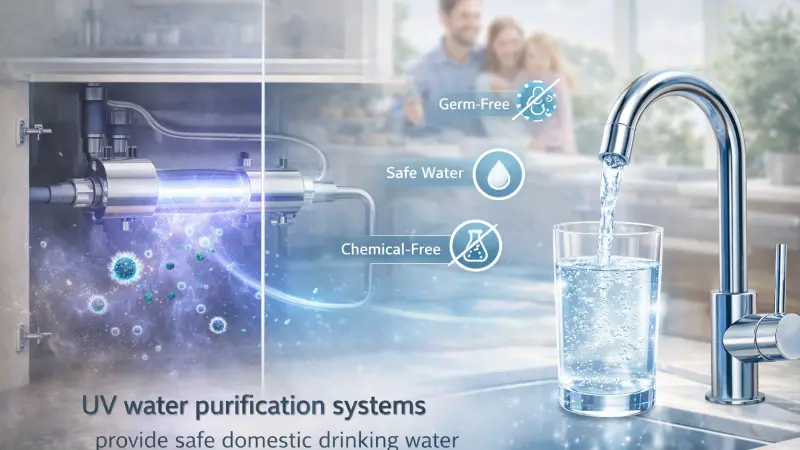
Ultraviolet technology has transitioned from industrial applications to domestic settings offering a chemical free solution for modern households. The primary mechanism involves exposing water to ultraviolet light at a germicidal wavelength of approximately two hundred and fifty four nanometres. At this specific frequency the light penetrates the cellular walls of microorganisms and disrupts their genetic material. Once the DNA or RNA is damaged these organisms lose their ability to reproduce or cause infection. This process is highly effective against a broad spectrum of bacteria viruses and cysts that may occasionally bypass standard municipal treatment protocols or emerge from private well supplies.
Understanding the science of ultraviolet disinfection
The core component of any ultraviolet unit is the germicidal lamp which functions similarly to a fluorescent bulb but emits light in the UV C spectrum. As water flows through a stainless steel chamber it passes around a protective quartz sleeve containing the lamp. The design ensures maximum exposure time and intensity for the flowing water. Unlike chlorine or chloramine which are commonly used in public supplies ultraviolet light does not alter the physical properties of the water. This means the taste odour and mineral content remain exactly as nature intended while the biological risk is eliminated.
For residents in rural parts of the UK relying on private boreholes or spring water the risks of agricultural runoff or groundwater contamination are significantly higher. Standard sediment filters might remove visible dirt but they are powerless against microscopic pathogens like Cryptosporidium or Giardia. These specific parasites are notorious for their resistance to chemical disinfectants but are highly susceptible to ultraviolet energy. By integrating a UV steriliser into the home plumbing system homeowners gain peace of mind knowing that their private supply meets or exceeds the safety levels of mains water.
Primary advantages for modern UK households
One of the most significant benefits is the environmentally friendly nature of the process. In an era where reducing chemical footprints is a priority for many British families choosing a non chemical disinfection method is a responsible step. There are no toxic byproducts created during UV treatment whereas chlorination can produce trihalomethanes which are linked to long term health concerns. Furthermore because the system does not require the storage of hazardous chemicals it is much safer for households with young children or pets.
Cost effectiveness is another crucial factor to consider. While the initial investment in a high quality UV system involves a modest upfront cost the ongoing operational expenses are remarkably low. A typical domestic UV lamp consumes roughly the same amount of electricity as a standard forty watt light bulb. Maintenance requirements are also minimal usually involving a simple lamp replacement once a year and occasional cleaning of the quartz sleeve to ensure light transparency is maintained. Compared to the recurring cost of buying bottled water or expensive chemical refills the financial logic is clear for the savvy UK consumer.
Enhanced protection against emerging contaminants
The landscape of water safety is constantly evolving as new biological threats are identified. Modern ultraviolet systems are designed to handle high flow rates without dropping the dosage of germicidal energy. This ensures that even during peak usage times such as when multiple showers and appliances are running simultaneously the water remains fully treated.
The reliability of this technology is why it is used by hospitals laboratories and food production facilities across the country to guarantee sterile environments.
- Elimination of up to ninety nine point nine per cent of harmful microorganisms
- No change in water taste or smell which is a common complaint with chemical treatments
- Instant treatment process with no need for large holding tanks
- Compact design that fits easily into utility rooms or under kitchen sinks
- Compatible with other water treatment technologies like softeners and carbon filters
Technical considerations for installation
To achieve optimal performance it is essential to ensure the water entering the UV chamber is relatively clear. Suspended particles or high levels of hardness can create shadows that protect microorganisms from the light. This is why professional installers in the UK typically recommend a pre filtration stage consisting of a five micron sediment filter. If the water is particularly hard a water softener may also be necessary to prevent scale buildup on the quartz sleeve which would otherwise block the ultraviolet rays.
Sizing the system correctly is equally important. A unit that is too small for the required flow rate will not provide a sufficient dose of light to kill all pathogens. Most UK homes benefit from systems rated between twenty and thirty litres per minute. For larger properties or commercial premises high output lamps and multi lamp chambers are available to maintain safety standards across extensive plumbing networks. Consulting with a water treatment specialist ensures that the selected hardware matches the specific needs of the property and the characteristics of the local water supply.
Long term health and wellbeing benefits
Water is the foundation of human health and the quality of what we drink directly impacts our immune systems and overall vitality. By removing the biological load from drinking water households reduce the risk of gastrointestinal illnesses and chronic low level infections. This is particularly beneficial for individuals with weakened immune systems the elderly and infants whose bodies are more sensitive to waterborne impurities. Beyond drinking the use of purified water for washing vegetables and brushing teeth adds another layer of protection to daily routines.
The peace of mind offered by a reliable UV system extends beyond the physical health benefits. Knowing that your home has an autonomous failsafe against waterborne outbreaks provides a sense of security in an unpredictable world. Whether dealing with a localized mains failure or a seasonal change in groundwater quality the ultraviolet barrier remains a constant guardian of family health. This proactive approach to wellness is a growing trend among UK homeowners who value self sufficiency and high quality living standards.
Environmental impact and sustainability
Reducing plastic waste is a major environmental goal in Britain today. Many people turn to bottled water because they distrust the quality of their tap supply but this leads to millions of single use plastic bottles entering the waste stream every year. A UV water purification system allows you to enjoy premium quality water directly from your tap removing the need for plastic bottled alternatives entirely. This contributes to a significant reduction in the household carbon footprint and supports national efforts toward a more sustainable future.
Moreover the longevity of UV equipment means less electronic waste compared to smaller disposable filtration gadgets. High quality stainless steel chambers are designed to last for decades with only the internal lamp and sleeve requiring periodic replacement. By investing in durable infrastructure homeowners are making a choice that benefits both their immediate family and the wider environment over the long term.
Common misconceptions about UV technology
A frequent misunderstanding is that ultraviolet light removes minerals or chemicals from the water. It is important to clarify that UV is strictly a biological disinfectant. It will not remove lead chlorine or fluoride. For this reason it is best used as part of a comprehensive treatment strategy.
Combining a carbon filter with a UV lamp creates a powerful duo that removes both chemical tastes and biological hazards. Another myth is that the light makes the water radioactive which is physically impossible as the water only passes through light and is never in contact with any radioactive material.
Some people worry about the heat generated by the lamp. While the water inside the chamber can become warm if it sits still for a long period modern systems often include temperature management valves or smart sensors that prevent overheating. In normal daily use the flow of water is sufficient to keep the system at a stable temperature ensuring that the water remains cool and refreshing when the tap is opened.
Integrating UV into your home maintenance routine
The simplicity of maintaining a UV system is one of its most attractive features for busy homeowners. The primary task is the annual lamp change which typically takes less than ten minutes and requires no specialised tools. Most modern units feature a digital controller that provides a countdown of remaining lamp life and sounds an audible alarm when the lamp needs replacing. This automation removes the guesswork and ensures the system is always operating at peak efficiency.
In addition to the lamp it is wise to inspect the quartz sleeve every year. If there is visible mineral staining or cloudiness a gentle cleaning with a mild acidic solution like vinegar or a dedicated scale remover will restore the clarity. Keeping a spare lamp and set of O rings on hand is a good practice for UK residents in remote areas ensuring that the system can be serviced promptly without waiting for parts to be delivered during a maintenance interval.
The future of water purification in the United Kingdom
As technology continues to advance we are seeing the introduction of LED based UV systems. These offer even greater energy efficiency and a longer lifespan than traditional mercury vapour lamps. While currently more expensive the trajectory suggests that LED UV will eventually become the standard for domestic water treatment. This innovation reflects the broader shift towards smarter more sustainable home technologies that provide higher levels of performance with lower environmental impact.
Governmental focus on water security and the upgrading of rural infrastructure also suggests that point of entry treatment will become increasingly common. Homeowners who adopt these systems now are ahead of the curve protecting their property value and the health of their occupants.
As we face challenges like climate change and increased pressure on water resources having a robust personal purification system is a logical step for any forward thinking household in the UK.
Enhancing Home Water Quality Through Verified Local Expertise
Ensuring the highest standard of water quality is a significant step towards maintaining a healthy household. For those looking to connect with reputable professionals or explore resources for improving home services the use of a business listing uk can be incredibly beneficial. Understanding the local market and finding verified experts helps in the successful implementation of advanced systems like ultraviolet purification. If you are a service provider or business owner looking to boost your online visibility and reach more customers you might consider a uk business directory free listing to help others discover your expertise. Leveraging platforms like Local page UK is an excellent way for businesses to establish their presence within the community while helping residents find the essential services they need for a better home life.
Frequently asked questions about UV water systems
No ultraviolet light is designed to kill bacteria and viruses but it does not remove chemicals or minerals. To improve the taste and remove chlorine you should use a carbon filter in conjunction with your UV system.
The germicidal effectiveness of the lamp decreases over time even if it is still glowing. For most domestic systems the lamp should be replaced every twelve months to ensure it provides a sufficient dose of UV light for disinfection.
Running a UV system is very affordable as the electrical consumption is similar to a standard light bulb. For a typical UK home the annual electricity cost is often less than thirty pounds making it a very cost effective safety measure.
While some homeowners with advanced DIY skills may choose to install the system it is generally recommended to use a qualified plumber. Correct installation is vital to ensure no leaks occur and that the electrical components are safely integrated.
No the ultraviolet lamp requires electricity to function. If you experience a power cut the water will not be disinfected as it passes through the chamber.
Some users choose to install a battery backup or a solenoid valve that shuts off the water flow if the power fails.
Yes UV treated water is exceptionally safe because it eliminates the biological pathogens that most often affect vulnerable individuals. It provides an extra layer of protection beyond standard municipal treatments or private wells.