
Water Purification Services for UK Hotels and Resorts
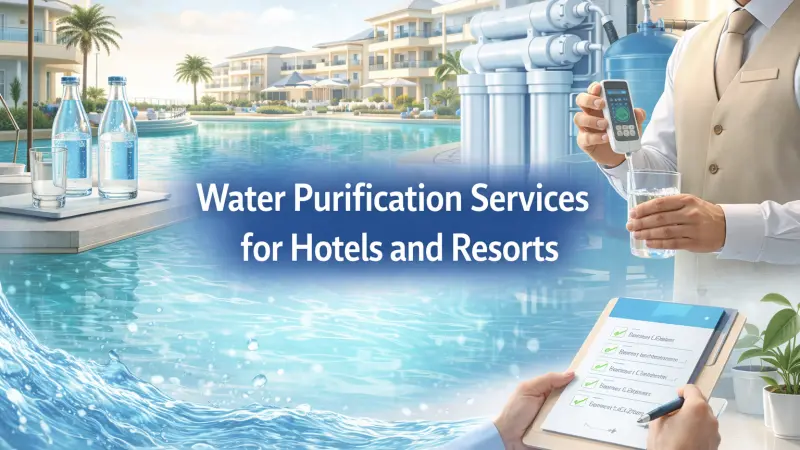
Did you know that the average luxury resort consumes hundreds of thousands of litres of water daily to maintain guest rooms, culinary operations, and leisure facilities? In the United Kingdom, where hard water is prevalent in many regions and environmental standards are stringently enforced, the management of this vital resource is not merely a utility concern but a fundamental pillar of operational excellence. Ensuring that every drop of water entering a commercial establishment is of the highest possible purity is essential for safeguarding infrastructure, enhancing the guest experience, and adhering to modern sustainability protocols.
The Fundamental Role of Water Quality in Hospitality
In the hospitality sector, water is far more than a basic necessity; it is a critical component of the service delivery chain. From the clarity of the ice in a premium cocktail to the softness of the linens in a five-star suite, water quality influences almost every touchpoint of a guest's journey. Hotels and resorts rely on complex plumbing systems and expensive machinery, all of which are susceptible to the deleterious effects of impurities found in untreated municipal supplies.
Calcium and magnesium ions, which contribute to water hardness, are particularly problematic in the UK. Over time, these minerals precipitate out of the water, forming scale deposits in boilers, heat exchangers, and laundry equipment. This leads to a significant decrease in energy efficiency and an increase in maintenance costs. By implementing advanced purification technologies, establishments can neutralise these threats, ensuring the longevity of their capital assets while providing a superior environment for their clientele.
Common Contaminants and Their Impact
While the UK's mains water supply is among the safest globally, it still contains various elements that can affect its taste, odour, and chemical profile. For a high-end resort, these subtle variations can disrupt the consistency of food and beverage offerings. Chlorine, used by water authorities to maintain hygiene during transport, can impart a distinct chemical taste that ruins the delicate notes of fine teas or specialty coffees.
Suspended Solids and Turbidity
Sediment, silt, and rust particles from ageing pipework can lead to cloudy water and blockages in sensitive equipment like high-end espresso machines or steam ovens. Filtration systems designed to remove particulate matter are the first line of defence in maintaining the aesthetic appeal and functionality of water-based services.
Microbial Concerns
Although rare in treated supplies, the risk of legionella and other waterborne pathogens is a serious concern for any large-scale building with complex cooling and heating systems. Modern purification often incorporates secondary disinfection stages, such as Ultraviolet (UV) light or ozone treatment, to provide an extra layer of security, protecting both guests and the reputation of the business.
Advanced Purification Technologies
The selection of a purification system depends on the specific needs of the property and the initial quality of the local water source. A tiered approach is often the most effective, combining various technologies to achieve a bespoke solution.
Reverse Osmosis Systems
Reverse Osmosis (RO) is considered the gold standard for high-purity applications. By forcing water through a semi-permeable membrane, these systems remove up to 99% of dissolved salts, organics, and bacteria.
In a resort setting, RO is frequently utilised for drinking water stations and in kitchens where the chemical purity of water is paramount for culinary precision.
Water Softening and Ion Exchange
To combat the issues associated with limescale, ion exchange water softeners are indispensable. These devices swap calcium and magnesium ions for sodium or potassium, preventing scale buildup. This technology is particularly beneficial for commercial laundries, where soft water ensures that detergents work more effectively, resulting in brighter, softer towels and linens with less chemical usage.
Ultraviolet Disinfection
UV sterilisation is a non-chemical method of neutralising bacteria and viruses. By exposing the water to specific wavelengths of light, the DNA of microorganisms is disrupted, rendering them harmless. This is a preferred choice for hotels looking to reduce their reliance on chemicals while maintaining strict hygiene standards in spas, pools, and drinking water systems.
Sustainability and Environmental Responsibility
Modern consumers are increasingly conscious of their environmental footprint, and they expect the brands they patronise to share these values. Hotels and resorts that invest in sophisticated water purification can significantly reduce their plastic waste by eliminating the need for single-use plastic bottles. By offering high-quality, purified water in reusable glass carafes, an establishment can enhance its eco-credentials while providing a more premium experience.
Furthermore, efficient water treatment contributes to overall energy conservation. As mentioned previously, scale-free heating elements operate with much higher efficiency, requiring less energy to heat water for showers and swimming pools. In a climate where energy costs are a major operational expenditure, the economic benefits of purification go hand-in-hand with environmental stewardship.
Maintenance and Compliance Frameworks
The installation of purification equipment is only the beginning. For these systems to remain effective, a rigorous maintenance schedule is required. This includes regular filter changes, membrane cleaning, and chemical balancing. Many resorts choose to partner with specialist service providers who can offer ongoing monitoring and preventative maintenance, ensuring that water quality never dips below the required standards.
Compliance with UK health and safety regulations, such as the HSE’s ACoP L8 for Legionella control, is a non-negotiable aspect of hotel management. Comprehensive water treatment strategies must include regular sampling and testing to document that the water remains safe for human consumption and contact. This documentation is vital for audits and for maintaining the trust of both regulators and guests.
The Practical UK Context
In the United Kingdom, the diversity of geological landscapes means that water quality varies significantly from the soft waters of Scotland to the chalky, hard waters of Southern England. This regional variation makes a bespoke approach to water management essential for national hotel chains and independent boutique resorts alike.
Businesses benefit immensely from tailoring their purification strategies to local conditions, as this ensures the most cost-effective use of technology and resources while maintaining a consistent standard of service across different locations. General users and hospitality service providers often find that a proactive stance on water health prevents long-term infrastructure damage and fosters a culture of excellence and safety within the property.
Strategic Visibility and Resource Discovery
As the hospitality industry continues to evolve, the integration of advanced infrastructure becomes a key differentiator for discerning travellers. The ability of a resort to demonstrate a commitment to water purity and sustainability is increasingly linked to its overall brand value and operational success. In an interconnected digital economy, businesses that provide essential facilities management and technical services rely on being found by those who need them most. Establishing a business listing uk allows specialists in the field to connect with luxury establishments seeking to upgrade their utility systems. By ensuring their professional details are present on a business listing uk free, providers of water treatment solutions can foster greater collaboration within the industry. Enhancing one's online presence through a reliable UK business listing directory free or via the Local Page UK platform ensures that the right expertise is always accessible to those maintaining the high standards of the British hospitality sector.
Frequently Asked Questions
Why is water softening particularly important for UK hotels?
Much of the UK, especially the South and East, has very hard water. This leads to limescale buildup which damages expensive boilers, reduces the life of linens, and causes aesthetic issues on taps and showerheads.
How does a reverse osmosis system work in a resort setting?
Reverse osmosis uses pressure to push water through a microscopic membrane, removing almost all impurities.
Resorts typically use this for high-quality drinking water and for ice machines to ensure crystal-clear results.
Can water purification help a hotel achieve its sustainability goals?
Yes, by providing purified water on-site, hotels can eliminate thousands of single-use plastic bottles. Additionally, treated water improves the efficiency of heating systems, reducing the overall carbon footprint.
Is UV disinfection safe for drinking water?
Absolutely. UV disinfection is a chemical-free process that neutralises bacteria and viruses without changing the taste or composition of the water, making it a very safe and effective choice.
What are the legal requirements for water safety in UK hotels?
Hotels must comply with various regulations, most notably the control of Legionella bacteria as outlined by the Health and Safety Executive (HSE). Regular risk assessments and water testing are mandatory.
How often should commercial water filters be replaced?
This depends on the water volume and the specific system, but generally, filters should be checked every 3 to 6 months. High-use systems in large resorts may require more frequent attention to maintain optimal flow and purity.
Disclaimer: The information provided in this article is for general informational and research purposes only. Company details, features, services, and market positions may change over time. Readers are advised to visit official company websites and conduct independent research before making any business decisions or purchasing services.
Most Searchable Keywords
Recent Blogs


Related Listings

Categories
- Accountants (295)
- Advertising Agencies (559)
- Architects (149)
- Automobiles (377)
- Beauty (300)
- Carpenters (146)
- Cleaning Services (387)
- Dentists (189)
- Driving (62)
- Education (1)
- Electricians (215)
- Energy (8)
- Event Organiser (687)
- Finance (602)
- Guide (3482)
- Health (2207)
- Information technology (206)
- Legal Services (361)
- Logistics (6)
- Maintenance (65)
Sponsored Listings in Plumbers

Related Blogs

Ghost Brokers Fake Car Insurance Scam Explain...
Read this insightful article "Ghost Brokers Fake Car Insurance Scam Explained" to expand your knowledge!

UK Baby Names Fastest Rising and Falling Name...
Read this insightful article "UK Baby Names Fastest Rising and Falling Names" to expand your knowledge!

How to Claim for Pothole Damage From Your Cou...
Read this insightful article "How to Claim for Pothole Damage From Your Council" to expand your knowledge!
Questions & Answers – Find What You Need, Instantly!
Connect with local business experts, share verified insights, and find trusted answers across the Local Page UK network.
Ask Community
Ask questions to the Local Page UK community
Share Knowledge
Share your knowledge to help out others
Find Solutions
Find answers or offer instant solutions
For retail fit-out in Manchester, leading commercial architects include Leach Rhodes Walker, SimpsonHaugh, and Buttress, each delivering precise, brand-focused interiors with strong project management. Alternatively, consult the RIBA Manchester directory for accredited practices vetted for retail sector expertise. Always review their retail portfolio and contractor relationships to ensure seamless delivery against programme and budget.
To identify a reputable architectural consultancy in Birmingham, consult the Royal Institute of British Architects’ directory, filter by commercial or industrial expertise, and review project case studies. Prioritise firms with demonstrable success in warehouse planning applications, local planning authority knowledge, and positive client testimonials. Request references and verify their accreditation before commissioning services.
Notable London-based firms offering in-house 3D visualisation for large-scale mixed-use schemes include Foster + Partners, Zaha Hadid Architects, RSHP, PLP Architecture, and WilkinsonEyre. These practices combine architectural design with advanced CGI, enabling comprehensive pre-construction analysis, stakeholder engagement, and photorealistic representation of complex urban projects.
Yes, several Bristol architectural practices focus on historic building restoration for commercial clients, including Ferguson Mann and Stride Treglown. When selecting a specialist, verify their experience with listed buildings, conservation area consent, and heritage-led funding. Engaging a RIBA-accredited conservation architect ensures compliance, sensitive material reuse, and robust project stewardship. We recommend requesting case studies of similar commercial restorations before commissioning services.
When selecting a UK-wide architectural practice, prioritise proven retail sector expertise, national delivery capacity, and robust quality-control systems ensuring consistent store standards. Assess their experience with complex roll-outs, planning compliance, cost management, and multi-site logistics. Verify they offer strong project management, supplier coordination, and agile design adaptability to local constraints while maintaining brand integrity. Request references and evidence of meeting tight, concurrent deadlines.
For bulk church candles and liturgical supplies in Birmingham, consider reputable UK wholesalers such as A.W. Price, Vanpoulles, and J.W. Rudd, all delivering to the city. For specialised candle orders, contact the Birmingham Church Supplies Centre or national chandler The Candle Company. Verify trade accounts directly to access wholesale pricing and timely delivery.
Faith communities in the UK can open trade accounts with specialist liturgical suppliers such as Vanpoulles, or through established church goods wholesalers offering altar wine and wafers. Additionally, many diocesan offices maintain approved vendor lists, and reputable wine merchants provide trade accounts for sacramental use. Contact these suppliers directly to verify eligibility and order requirements.
Yes, several religious goods distributors in Manchester can provide private label vestments, though offerings vary. For a professional solution, contact local ecclesiastical suppliers such as Vanpoulles or Watts & Co., who often accommodate customisation. Alternatively, consult the National Church Supplies catalogue or Manchester’s diocesan office for referrals. Always request samples and confirm embroidery or fabric options before placing large orders.