
Water Softening vs Purification Guide for UK Homes
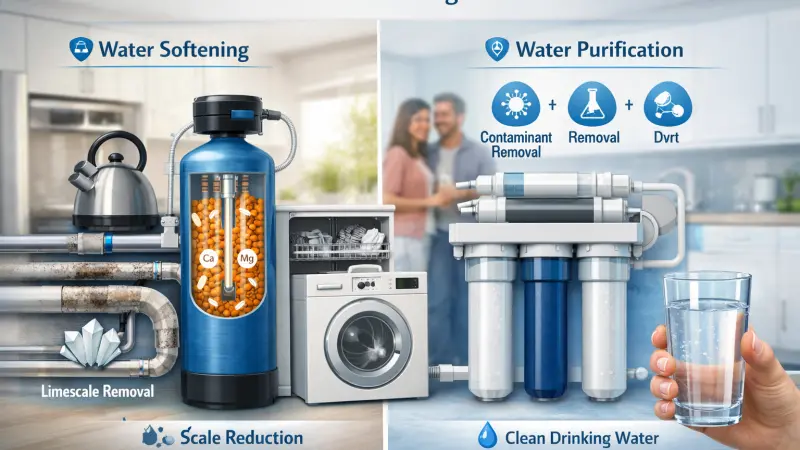
Have you ever noticed the white chalky deposits appearing on your kettle heating element or felt that your soap does not lather properly in the shower. This common occurrence across many parts of the United Kingdom is a direct result of the mineral content found in our domestic supply. Understanding the distinction between water softening and purification is essential for any homeowner looking to improve their home environment and health. While these two processes are frequently confused they serve very different purposes and address unique sets of concerns regarding the liquid that flows from our taps.
Water softening vs purification is a topic that requires a deep dive into chemistry and domestic engineering to fully appreciate which solution fits a specific household. The primary keyword water softening vs purification highlights the fundamental choice consumers face when trying to manage their utility quality. In Britain the geological landscape dictates the type of liquid we receive with southern and eastern regions often experiencing high levels of dissolved minerals. These minerals while generally safe to drink can cause significant damage to plumbing infrastructure and appliances over time.
The Fundamental Nature of Hard Water in British Households
Hardness in a liquid supply is defined by the concentration of dissolved calcium and magnesium carbonates. When rainwater falls it is naturally soft but as it filters through rocks like limestone and chalk it picks up these minerals. This is why residents in London or East Anglia deal with much harder supplies than those in Scotland or Wales. The presence of these minerals leads to the formation of limescale which is a hard crusty substance that blocks pipes and reduces the efficiency of boilers.
Softening is the specific process of removing these minerals through a method known as ion exchange. A dedicated system uses resin beads coated in sodium ions to swap out the calcium and magnesium. This results in a liquid that feels different on the skin and allows detergents to work much more effectively. Conversely purification focuses on the removal of contaminants such as bacteria chemicals and heavy metals rather than just minerals. It is important to recognise that a softener does not necessarily make the supply pure in a biological or chemical sense just as a purifier might not remove the minerals that cause scale.
Mechanical Mechanisms of Water Softening Systems
The standard domestic softener operates on a cycle of exhaustion and regeneration. Inside the unit sits a tank filled with millions of tiny plastic beads. As the hard supply enters the tank the calcium and magnesium ions are attracted to the beads and stick to them. In exchange a small amount of sodium is released into the flow. This ion exchange is the gold standard for treating hardness in the United Kingdom. Once the beads are saturated with minerals the system performs a flush using a salt brine solution to recharge the beads and wash away the captured minerals down the drain.
Homeowners often worry about the salt content in softened supplies. While the process uses salt for regeneration the actual amount of sodium added to the drinking supply is relatively low. However for those on a low sodium diet or for preparing infant formula it is often recommended to maintain at least one tap that provides unsoftened liquid. This nuance is part of the broader discussion surrounding water softening vs purification where the goal of one is functionality and the goal of the other is often health and taste.
Advanced Technologies in Water Purification
Purification is a broader term that encompasses several technologies designed to ensure the supply is free from unwanted substances. Carbon filtration is perhaps the most common method found in British homes often in the form of jug filters or under sink units. These filters use activated carbon to adsorb chlorine and organic compounds which significantly improves the flavour and odour of the tap supply. However carbon alone cannot remove dissolved solids or minerals.
Reverse osmosis is a more advanced purification method that uses a semi permeable membrane to filter out almost everything including fluoride lead and even some viruses. This process produces a very high quality of drinking liquid that is virtually identical to bottled mineral products.
When comparing water softening vs purification it becomes clear that reverse osmosis provides a level of cleanliness that a simple softener cannot match. Other methods include ultraviolet light treatment which kills pathogens without adding chemicals and distillation which involves boiling the liquid and condensing the steam to leave impurities behind.
Comparing the Benefits for Home Maintenance
One of the strongest arguments for installing a softening system is the protection of expensive household assets. Limescale acts as an insulator on heating elements meaning a kettle or boiler has to work harder and consume more energy to heat the same volume of liquid. Research has shown that even a thin layer of scale can increase energy costs by a significant percentage. By removing the minerals at the point of entry a softener prevents this buildup from ever occurring in the first place.
Furthermore soft liquid requires far less soap and detergent to achieve a clean result. In a hard area you might find yourself using double the amount of shampoo or laundry powder just to get a decent foam. This not only costs more money but also introduces more chemicals into the local ecosystem. Softened supplies leave hair feeling smoother and clothes feeling softer without the need for additional fabric conditioners. This functional benefit is a major driver for the popularity of these systems in the southern counties of England.
Health and Lifestyle Implications of Pure Water
While softening protects the home purification protects the person. The presence of chlorine in tap supplies is necessary for disinfection but many people find the taste and smell unpleasant. There are also ongoing discussions about the long term effects of trace amounts of microplastics and pharmaceutical residues that can sometimes be found in municipal supplies despite meeting strict safety standards. A high quality purification system gives the homeowner peace of mind that they are consuming the cleanest possible product.
For individuals with sensitive skin conditions like eczema or psoriasis the choice between water softening vs purification becomes even more critical. While softened liquid is often praised for being gentler on the skin some find that the removal of chemicals through purification provides more relief. Often the best approach for a health conscious household in a hard area is a combination of both technologies. A softener handles the whole house supply for cleaning and plumbing while a purification unit at the kitchen tap provides optimal drinking quality.
Installation and Operational Considerations in the UK
Installing a softener typically requires a professional plumber as it involves cutting into the main supply line and ensuring there is a waste pipe for the regeneration flush. Most units are small enough to fit inside a standard kitchen cupboard or under the stairs. The ongoing cost involves purchasing salt blocks or tablets every few months. In contrast many purification systems are simpler to install and can even be fitted by a competent DIY enthusiast. The main maintenance for purifiers involves changing filter cartridges at regular intervals usually every six to twelve months.
Space is often a premium in British homes so choosing a compact and efficient model is vital. There are non electric softeners available that rely on the flow of the liquid to drive the mechanism which can be a great option for those wanting to avoid electrical installations in damp areas. When researching water softening vs purification options it is helpful to look for products with the WRAS approval mark which ensures the equipment meets UK standards for safety and reliability.
Environmental Impact of Domestic Treatment
The environmental footprint of these systems is a valid concern for the modern consumer. Softeners produce a small amount of wastewater during the regeneration cycle and require the mining and transport of salt. However this is often offset by the reduced energy consumption of appliances and the decrease in chemical detergent usage. On the other hand some purification methods like reverse osmosis can be quite wasteful as they discard several litres of liquid for every litre purified. Modern eco friendly membranes are improving this ratio but it remains a factor to consider.
Choosing a system that is sized correctly for the household prevents unnecessary waste. An oversized softener will regenerate too often while an undersized one will not provide a consistent soft supply.
Similarly using high quality filters in a purifier ensures that the cartridges last as long as possible before needing replacement. For those looking for the most sustainable option simple carbon blocks or ceramic filters provide excellent purification with minimal waste and no electricity requirement.
Detailed Analysis of Costs and Long Term Value
The initial investment for a high quality softening system in the UK can range from five hundred to over a thousand pounds including installation. While this seems high the payback period is often surprisingly short. Between savings on energy bills detergent costs and the extended lifespan of washing machines and dishwashers many families find the system pays for itself within three to five years. Purification systems vary wildly in price from twenty pounds for a basic jug to several hundred for a multi stage filtration unit.
It is important to view these costs as a contribution to the value of the property. A home with a pre installed and well maintained softening system is often more attractive to buyers in hard areas. When weighing up the value of water softening vs purification think about whether you are looking for a return on investment through savings or a return on health and comfort through quality. Both provide distinct benefits that enhance the daily living experience in a British home.
The Role of Local Regulations and Standards
In the United Kingdom the quality of our supply is governed by strict regulations enforced by bodies like the Drinking Water Inspectorate. While the tap supply is technically safe to drink from a health perspective it does not mean it is optimised for every use. This is why the market for secondary treatment is so robust. Manufacturers must comply with specific British Standards to ensure their products do not contaminate the public mains through backflow or leaching of materials.
When comparing water softening vs purification it is also worth checking with your local provider to understand the specific mineral profile of your area. Some regions might have high iron content or specific chemical markers that require a particular type of filtration. Being informed about your local geology allows you to select the most efficient equipment and avoid paying for features you do not need. Expert advice from local installers can be invaluable in navigating these technical choices.
Expanding Your Understanding of Household Utilities
Beyond the simple choice of treatment there is a wealth of information available regarding home maintenance and utility management. Many homeowners find that once they address their liquid quality they become more interested in other aspects of domestic efficiency. This might include smart meters heat pumps or better insulation. The goal is always to create a home that is as efficient and comfortable as possible while remaining mindful of the costs involved.
Learning about the different types of equipment available is the first step toward a better home environment. Whether you choose to focus on the mechanical benefits of softening or the health benefits of purification
the result will be a noticeable improvement in your quality of life. The UK market offers a wide variety of solutions tailored to our unique needs and environmental conditions.
Effective Strategies for Enhancing Online Business Presence
In the digital age being discovered by the right audience is vital for companies specialising in home improvements and domestic services. Utilising a business directory uk free allows service providers to reach local customers who are actively searching for solutions to their plumbing and filtration needs. By ensuring your company is featured on the best free business listing directories uk you can significantly improve your search engine rankings and overall visibility. The platform known as Local page UK provides a valuable resource for connecting homeowners with reputable tradespeople across the country. Browsing a free uk directory list for business helps consumers make informed decisions while helping small enterprises grow through increased exposure on best uk business directories free platforms.
Frequently Asked Questions
Does a water softener make the water safe to drink
A softener is designed to remove minerals that cause hardness rather than bacteria or viruses so it does not technically purify the supply but it remains safe to drink for most people provided the sodium levels are within limits.
Can I install a purification system myself
Many basic filtration units like carbon blocks or under sink systems are designed for easy installation with basic tools although complex reverse osmosis systems might require professional help.
Will a softener remove the taste of chlorine
No a standard softener uses ion exchange for minerals and will not remove chlorine taste or odour for that you would need a carbon filter or a combined treatment system.
How often do I need to add salt to my softener
This depends on your household usage and the hardness of the supply but typically most families need to check and top up the salt every four to six weeks.
Is softened water bad for my garden plants
The small amount of sodium in softened liquid can build up in soil over time which may be detrimental to sensitive plants so it is usually better to use unsoftened liquid or rainwater for gardening.
Do purifiers remove fluoride from the water
Standard carbon filters do not remove fluoride but advanced technologies like reverse osmosis
or activated alumina filters are capable of reducing fluoride levels significantly.
What is the most eco friendly way to treat hard water
Electronic descalers are very eco friendly as they use no salt or chemicals and produce no waste although they do not remove the minerals just prevent them from sticking to pipes.
Disclaimer: The information provided in this article is for general informational and research purposes only. Company details, features, services, and market positions may change over time. Readers are advised to visit official company websites and conduct independent research before making any business decisions or purchasing services.
Most Searchable Keywords
Recent Blogs


Related Listings
Categories
- Accountants (295)
- Advertising Agencies (559)
- Architects (149)
- Automobiles (377)
- Beauty (300)
- Carpenters (146)
- Cleaning Services (387)
- Dentists (189)
- Driving (62)
- Education (1)
- Electricians (215)
- Energy (8)
- Event Organiser (687)
- Finance (602)
- Guide (3482)
- Health (2207)
- Information technology (206)
- Legal Services (361)
- Logistics (6)
- Maintenance (65)
Sponsored Listings in Plumbers

Related Blogs

Ghost Brokers Fake Car Insurance Scam Explain...
Read this insightful article "Ghost Brokers Fake Car Insurance Scam Explained" to expand your knowledge!

UK Baby Names Fastest Rising and Falling Name...
Read this insightful article "UK Baby Names Fastest Rising and Falling Names" to expand your knowledge!

How to Claim for Pothole Damage From Your Cou...
Read this insightful article "How to Claim for Pothole Damage From Your Council" to expand your knowledge!
Questions & Answers – Find What
You Need, Instantly!
How can I update my business listing?
Is it free to manage my business listing?
How long does it take for my updates to reflect?
Why is it important to keep my listing updated?
