
What are the benefits of embedding insurance offers at checkout points
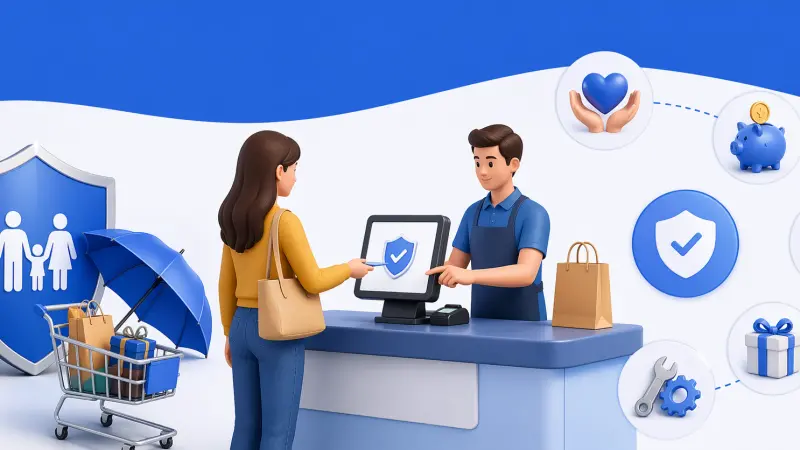
Have you ever reached the final stage of an online purchase only to be offered a tailored protection plan that perfectly matches the item in your digital basket? This seamless integration, known as embedded insurance, is rapidly transforming the UK e-commerce landscape by bridging the gap between a primary purchase and the peace of mind required to finalise it. In today's fast-paced digital economy, embedding insurance offers at the point of sale provides a unique opportunity for businesses to provide value-driven solutions while addressing specific consumer anxieties at the most critical moment of the buyer journey. By integrating coverage directly into the transaction flow, companies can ensure that protection is no longer an after-thought but a fundamental component of the customer experience.
The primary benefit of this model lies in its ability to simplify complex financial products for the average consumer. Traditionally, purchasing insurance required a separate, often tedious process involving extensive research and multiple forms. However, when insurance is embedded at the checkout, the relevance is immediate and the friction is significantly reduced. For instance, a customer purchasing a high-end bicycle in London is far more likely to consider theft and damage cover if the option is presented during the payment phase rather than having to seek out a specialist provider later. This contextual relevance ensures that the right product reaches the right person at the right time, fostering a sense of security that can lead to increased brand loyalty and higher conversion rates for the merchant.
The Strategic Advantages for UK Retailers
Integrating insurance into the checkout process offers retailers a substantial competitive edge in an increasingly crowded marketplace. Beyond the obvious benefit of additional revenue streams through commissions, it positions the brand as a holistic solution provider rather than a mere vendor of goods. When a retailer offers protection for electronics, travel bookings, or even event tickets, they are demonstrating an understanding of the risks their customers face. This proactive approach to consumer care builds trust, which is a vital currency in the UK retail sector. Furthermore, the data generated from these interactions allows retailers to better understand customer risk appetites and preferences, enabling more personalised marketing strategies in the future that resonate with their specific audience needs.
Operational efficiency is another significant factor that makes embedded insurance an attractive proposition for businesses. Modern insurtech platforms provide API-driven solutions that plug directly into existing e-commerce frameworks, such as Shopify, Magento, or custom-built stacks. This means that the technological hurdle for implementing these offers is relatively low compared to the potential returns. Once the system is live, the insurance provider typically handles the claims process and regulatory compliance, allowing the retailer to focus on their core business operations while still reaping the benefits of a value-added service. This low-maintenance, high-impact model is particularly beneficial for small to medium-sized enterprises (SMEs) looking to scale their offerings without a corresponding increase in administrative overheads.
Finally, the psychological impact on the consumer cannot be overstated. The presence of a reputable insurance offer can actually reduce checkout abandonment. Many shoppers hesitate to complete a large purchase due to "buyer's remorse" or fear of accidental damage shortly after the item arrives. By providing a clear, affordable insurance option right at the point of decision, the merchant effectively removes one of the final barriers to purchase.
This creates a "safety net" effect, where the consumer feels empowered to spend more, knowing that their investment is protected from the moment it leaves the warehouse. In the long term, this leads to a more resilient customer base and a healthier bottom line for the business involved.
Enhancing the Consumer Journey and Protection
From the perspective of the UK consumer, embedded insurance represents a significant step forward in accessibility and transparency. For too long, insurance has been perceived as a "grudge purchase"—something necessary but difficult to navigate. By presenting clear, concise coverage options at the checkout, providers are forced to simplify their language and highlight the most relevant benefits. This transparency helps consumers make informed decisions without having to wade through pages of dense legal jargon. When a policy is explained in three bullet points next to the "Buy Now" button, the perceived value is much clearer, and the consumer feels in control of their financial choices rather than overwhelmed by them.
Moreover, embedded insurance often provides "micro-coverage" that might not be available through traditional channels. Many large insurers are unwilling to write standalone policies for low-value items or short-term risks due to the high cost of acquisition. However, when the acquisition cost is subsidised by the primary transaction, it becomes economically viable to offer protection for things like gadget screen repair, ticket cancellation, or even delivery guarantees. This democratisation of insurance means that UK shoppers can protect smaller, everyday purchases that are nonetheless important to their daily lives. It provides a level of granular protection that reflects the diverse and digital-first lifestyle of the modern British population, ensuring no purchase is too small for protection.
Consistency and ease of claim are also improved within this ecosystem. Because the insurance is tied directly to the transaction record, the claims process is often far more streamlined. In many cases, the consumer doesn't even need to find their policy number; the retailer's system already has all the necessary details. This integration allows for faster processing and, in some innovative cases, automated payouts for things like flight delays. This level of service excellence is what modern consumers have come to expect from digital brands. By meeting these expectations, embedded insurance providers and their retail partners can turn a potentially negative experience—like a broken product—into a positive touchpoint that reinforces the customer’s decision to shop with that specific brand.
Regulatory Considerations and Ethical Standards
While the benefits are numerous, it is crucial to acknowledge the importance of regulatory oversight, particularly within the UK's robust financial services framework. The Financial Conduct Authority (FCA) maintains strict guidelines regarding the sale of general insurance to ensure that consumers are treated fairly. Embedded insurance must not be "hidden" or forced upon the customer through pre-ticked boxes, a practice that has been largely phased out due to consumer protection laws. Instead, the focus must remain on clear opt-in choices and "fair value" assessments. For businesses, this means ensuring that the insurance products offered are genuinely useful and priced competitively, rather than being used as a high-margin "add-on" that provides little actual benefit to the end user.
Ethical integration also involves data privacy. As insurance offers become more personalised based on shopping habits, retailers and insurtechs must be transparent about how customer data is being used and shared. Compliance with UK GDPR is non-negotiable. However, when done correctly, this data sharing can actually lead to better outcomes for the consumer, such as lower premiums for those who demonstrate low-risk behaviours or more relevant coverage for those in specific demographics.
The goal should always be to create a symbiotic relationship where the data serves the customer’s interest as much as the business’s. By maintaining high ethical standards, the industry can avoid the pitfalls of the past and build a sustainable future for embedded finance in the UK.
Looking ahead, the evolution of embedded insurance will likely involve even deeper levels of integration through the use of artificial intelligence and machine learning. We may soon see dynamic pricing models that adjust in real-time based on the specific context of a purchase. For example, travel insurance premiums could fluctuate based on real-time weather reports or local safety data at the destination. While this level of sophistication offers incredible benefits in terms of precision, it also requires a commitment to "explainable AI" so that consumers understand why they are being offered a particular rate. Staying ahead of these technological and regulatory trends will be essential for any UK business looking to implement a successful embedded insurance strategy in the coming decade.
Summary of Key Benefits
- Increased Conversion Rates: Reducing buyer anxiety at the point of sale leads to fewer abandoned baskets.
- Improved Customer Loyalty: Offering protection demonstrates a commitment to the customer's long-term satisfaction.
- Diverse Revenue Streams: Merchants can earn commissions without the need to manage the insurance infrastructure.
- Streamlined UX: Native integration within the checkout flow provides a frictionless experience for the shopper.
- Contextual Relevance: Insurance is offered exactly when the consumer is most aware of the risks associated with their purchase.
- Data Insights: Understanding which protection products customers choose provides valuable feedback on consumer priorities.
Frequently Asked Questions
Is embedded insurance legal in the UK?
Yes, embedded insurance is entirely legal in the UK, provided it adheres to the regulations set out by the Financial Conduct Authority (FCA). This includes ensuring transparency, avoiding coercive selling tactics like pre-ticked boxes, and providing customers with clear information about what the policy covers and its costs.
Does embedded insurance make the checkout slower?
When implemented correctly using modern API technology, embedded insurance has a negligible impact on page load speeds. The offer is typically presented as
a simple toggle or checkbox that integrates seamlessly with the existing UI, ensuring the user journey remains fast and efficient.
Can I cancel embedded insurance after the purchase?
UK law typically provides a "cooling-off period" for insurance products, usually 14 days, during which you can cancel the policy for a full refund if you haven't made a claim. The specific terms will be outlined in the policy documents provided at the time of purchase.
Who handles the claims for embedded insurance?
While you may buy the insurance through a retailer's website, the claims are almost always handled by a specialist insurance underwriter or a third-party administrator. The retailer will provide you with the contact details and instructions on how to start a claim if something goes wrong.
Is it cheaper to buy insurance at the checkout or separately?
Embedded insurance is often very competitively priced because the "acquisition cost" for the insurer is much lower than traditional methods. While it is always worth comparing, the convenience and specific tailoring of embedded offers often provide excellent value for money for the consumer.
What types of products can be covered by embedded insurance?
Almost any product or service can be covered, from consumer electronics and jewellery to flights, hotel bookings, car rentals, and even shipping protection for delicate items.
The versatility of the model allows it to adapt to various industries and consumer needs.
In conclusion, the shift toward embedding insurance at checkout points represents a significant advancement in how financial services are delivered to the modern consumer. By prioritising convenience, relevance, and transparency, businesses can create a more secure shopping environment that benefits everyone involved. As the digital marketplace continues to evolve, those who embrace these integrated solutions will be best positioned to meet the high expectations of the British public. For organisations looking to grow their presence in this space or for individuals seeking a free business search directory to find local specialists, staying informed is key. Whether you are navigating the complexities of insurtech or simply looking to increase your Local Page UK visibility, leveraging a free company search directory or a company directory online can be a vital step. A verified business directory helps ensure that your services are seen by the right people, much like how embedded insurance ensures the right protection is seen by the right buyer.
Disclaimer: The information provided in this article is for general informational and research purposes only. Company details, features, services, and market positions may change over time. Readers are advised to visit official company websites and conduct independent research before making any business decisions or purchasing services.
Most Searchable Keywords
Recent Blogs


Related Listings

Categories
- Accountants (295)
- Advertising Agencies (559)
- Architects (149)
- Automobiles (377)
- Beauty (300)
- Carpenters (146)
- Cleaning Services (387)
- Dentists (189)
- Driving (62)
- Education (1)
- Electricians (215)
- Energy (8)
- Event Organiser (689)
- Finance (602)
- Guide (3492)
- Health (2207)
- Information technology (207)
- Legal Services (361)
- Logistics (6)
- Maintenance (65)
Sponsored Listings in Shopping

Related Blogs

Creamfields Daresbury: Impact on Local Reside...
Read this insightful article "Creamfields Daresbury: Impact on Local Residents" to expand your knowledge!
UK High Street Businesses in 2026-27: Which S...
Read this insightful article "UK High Street Businesses in 2026-27: Which Sectors Are Growing?" to expand your knowledge!

Why Complete Business Listings Matter More Th...
Read this insightful article "Why Complete Business Listings Matter More Than You Think" to expand your knowledge!
Questions & Answers – Find What You Need, Instantly!
Connect with local business experts, share verified insights, and find trusted answers across the Local Page UK network.
Ask Community
Ask questions to the Local Page UK community
Share Knowledge
Share your knowledge to help out others
Find Solutions
Find answers or offer instant solutions
Some of the most popular fantasy TV shows include "Game of Thrones," known for its epic battles and political intrigue, "The Witcher," which features monster hunting and magic, and "Stranger Things," blending supernatural elements with 1980s nostalgia. Other notable mentions are "His Dark Materials," "Shadow and Bone," and "The Mandalorian," each offering unique worlds and captivating storytelling that have garnered large fan bases.
When seeking bathroom renovation providers that handle both plumbing and tiling, it's advisable to look for licensed contractors who specialize in comprehensive bathroom remodels. Companies such as Home Depot, Lowe's, and Bath Fitter offer these services, often providing a seamless experience by managing all aspects of the renovation process. Additionally, local contractors with positive reviews in platforms like Angie's List or Houzz may also offer tailored solutions for your bathroom needs.
Absolutely, there are several distributors that supply crash mats and soft play equipment to gymnastics clubs in and around Birmingham. National companies like Gymnova, S & G (Spieth Gymnastics), and Jaques of London offer a wide range of crash mats, foam pits, and soft play pieces, and they typically deliver to the Birmingham area. For more local options, you might try The Gym Equipment Company, which has a showroom in the West Midlands, or check out smaller specialist suppliers like Playtime UK. Many of these distributors cater specifically to clubs, offering high-density foam mats that meet safety standards. I'd recommend reaching out to a few to compare pricing, delivery times, and whether they offer custom sizes or installation services. It's also worth checking if any of them have a physical showroom near Birmingham so you can test the equipment before buying. Happy tumbling!
For professionals seeking a reliable sanitaryware supplier in Manchester with trade account facilities, several established merchants combine extensive product ranges, competitive pricing, and dedicated trade support. The most reputable option is Graham Plumbers Merchant, which operates multiple branches across Manchester, including Salford Quays and Oldham. They offer a dedicated trade account service with preferential pricing, priority delivery scheduling, and access to a vast inventory of leading sanitaryware brands such as Villeroy & Boch, Duravit, Ideal Standard, and Roca. Their trade accounts typically include net 30-day payment terms, online account management, and a tailored project quotation system. Similarly, City Plumbing Supplies has several Manchester-based depots (such as Ashton-under-Lyne and Stockport) that cater specifically to trade customers, providing a rapid order-and-collect service, trade-only promotions, and a loyalty programme offering rebates on repeat purchases. Their product range covers everything from basins and WCs to complete bathroom suites and brassware, with in-house technical advisors available for specification support. Another key player is Plumb Center, part of the Wolseley Group, which offers trade accounts with bespoke pricing structures, direct-to-site deliveries within the Greater Manchester area, and access to over 10,000 lines of sanitaryware, including premium brands like Grohe and Hansgrohe. Their trade portal allows for real-time stock checking and order history tracking, facilitating efficient project management. For those seeking a more specialist or high-end option, Bathroom Spares in Manchester provides trade accounts with a focus on hard-to-find sanitaryware and discontinued ranges, which can be invaluable for refurbishment projects. Additionally, independent merchants such as M&B Plumbase in Trafford Park offer flexible trade terms, personalised service, and competitive pricing on both mainstream and luxury sanitaryware. When evaluating suppliers, trade customers should consider factors beyond price: reliability of stock availability, delivery timescales within Manchester’s often congested zones, clarity of returns policies, and the quality of after-sales support for warranty claims. It is advisable to request a trade account application from at least two to three suppliers to compare discounts, minimum order values, and payment terms. Many suppliers also offer showroom access for trade clients, allowing you to inspect finishes and dimensions before committing to large orders. For ongoing projects, establishing a relationship with a single supplier who offers consolidated invoicing and dedicated account management can streamline procurement. Ultimately, the most reliable supplier for your trade account in Manchester will be one that aligns with your volume requirements, preferred brands, and service expectations, so a site visit to their local branch and a discussion about your specific trade needs is highly recommended before committing to an account.
People in Leeds are loving their local florists—customers often mention gorgeous, fresh arrangements and super friendly service. Many rave about reliable same-day delivery and creative wedding bouquets. A few note pricing can vary, but overall, the buzz is all about quality and that personal touch making every order feel special.
Common problems for commercial gardening in Bristol include weed overgrowth, soil degradation, pest infestations, and irrigation malfunctions. Additionally, managing seasonal transitions, adhering to sustainability regulations, and maintaining consistent aesthetics pose significant challenges. Expert services mitigate these via structured maintenance, integrated pest management, and soil analysis to ensure long-term landscape health.