
2026 Grammys Dance/Electronic Nominations: Mainstream Safety vs. Underground Innovation
 Previous

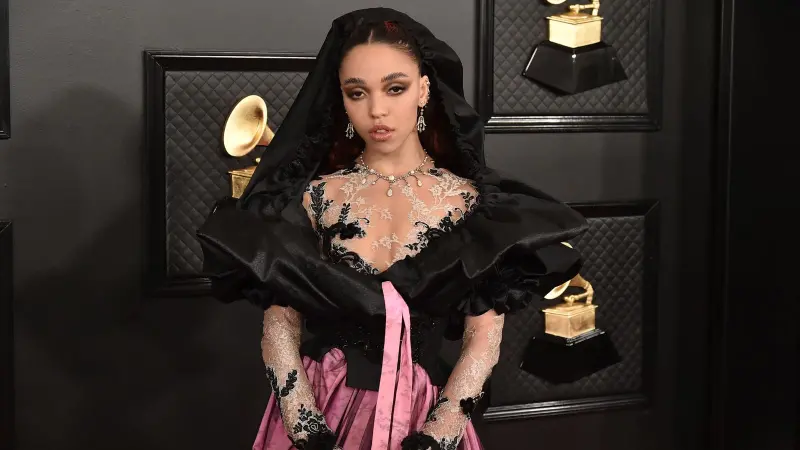
The Recording Academy has unveiled its nominations for the 2026 Grammy Awards, set for February 1 at the Crypto.com Arena in Los Angeles. Among the most scrutinized categories are the Best Dance/Electronic fields—a relatively young addition to the ceremony’s 68-year history. While the nominees boast impressive credentials, a deeper look reveals a familiar pattern: the Grammys are playing it safe, leaning on established names while overlooking the pulsating heart of the underground scene.
Originally introduced in 1998 for Best Dance/Electronic Recording (the Album category followed in 2005), these awards have honored icons like Donna Summer, Daft Punk, Dua Lipa, and Justice. In 2024, the Academy added Best Dance Pop Recording to separate pop-leaning dance tracks from purer electronic offerings. Yet, as this year’s lists show, the tension between mass appeal and authentic dance culture remains unresolved.
Who Made the Cut: The Nominees
Best Dance/Electronic Recording
• Disclosure & Anderson .Paak – “No Cap”
• Fred again.., Skepta & PlaqueBoyMax – “Victory Lap”
• Kaytranada – “Space Invader”
• Skrillex – “Voltage”
• Tame Impala – “End of Summer”
Each track is a masterclass in production. “No Cap” bubbles with funky basslines and Anderson .Paak’s grit, while “Victory Lap” fuses 140 BPM dubstep with grime via Skepta’s razor-sharp delivery. Kaytranada’s “Space Invader” drips with silky R&B-infused house, and Skrillex’s “Voltage” juxtaposes shimmering melodies with brain-rattling brostep drops. Tame Impala’s “End of Summer” floats on dreamy synths and Kevin Parker’s ethereal vocals—a sublime, layered closer.
Best Dance/Electronic Album
• FKA Twigs – Eusexua
• Fred again.. – Ten Days
• PinkPantheress – Fancy That
• Rüfüs Du Sol – Inhale / Exhale
• Skrillex – F*ck U Skrillex You Think Ur Andy Warhol But Ur Not!! <3
FKA Twigs’ Eusexua is, in her words, “a love letter to how dance music makes me feel”—an avant-garde, genre-defying journey. Fred again..’s Ten Days channels raw emotion through fragmented diary entries, while PinkPantheress’ Fancy That weaves UK garage, jungle, and emo into a nostalgic tapestry. Rüfüs Du Sol’s Inhale / Exhale marries analog warmth with electronic pulse, and Skrillex’s chaotic 34-track opus reminds us why he remains a titan of bass music.
The Snubs That Sting
Perhaps the most glaring omission in the Recording category is Dom Dolla’s “Dreamin (feat. Daya).” The track became a festival anthem in 2025, peaking at No. 5 on the Billboard Hot Dance/Electronic chart and racking up over 69 million streams—more than four of the five nominees. Dom Dolla has been a driving force behind tech house’s global rise, yet the Academy passed him over. Meanwhile, Kaytranada’s “Space Invader” sits at just 6.5 million streams, raising questions about whether popularity or prestige drives Grammy selections.
In the Album field, the list of overlooked talent is even longer. Anyma’s The End of Genesys—a cinematic exploration of humanity and technology via melodic techno—was a critical darling in a booming subgenre. DJ Koze’s Music Can Hear Us is a whimsical, experimental gem. Knock2’s Nolimit delivers relentless bass energy, while LP Giobbi’s Dotr transforms grief into cathartic piano house. Ninajirachi’s I Love My Computer pushes boundaries across tech-house, hyperpop, and dubstep, and Zeds Dead’s Return to the Spectrum of Intergalactic Happiness is a kaleidoscopic bass odyssey. None made the final five.
These snubs point to a systemic issue: the Grammys reward visibility, not vibrancy. Afro house and hard techno—two of the most vital currents in today’s dance scene—are completely absent from the nominations.
What the Nominations Reveal About the Grammys
Of the eight distinct artists nominated across both categories, seven have prior Grammy nods. Skrillex alone boasts 18 nominations and nine wins. Fred again.., Disclosure, Kaytranada, Tame Impala, Rüfüs Du Sol, and FKA Twigs are all familiar faces to Academy voters. Only PinkPantheress is a true newcomer to the dance categories. This recycling of talent suggests the Recording Academy views dance music through a narrow lens: mainstream comfort over underground innovation.
The Academy’s historical track record with electronic genres is mixed. Past wins for Daft Punk, The Chemical Brothers, and Kraftwerk—all artists who broke into the mainstream—show a willingness to honor quality, but those acts were already household names. True underground heroes like Louie Vega (seven nominations) and Fatboy Slim have received nods, but they are exceptions. The dance music ecosystem is far richer than the Grammy ballots imply.
Dance Music’s Diversity Problem—and the Grammys’ Role
Dance music was born in Black, Latino, and LGBTQIA+ communities. Yet the mainstream scene—and the Grammys’ nominee pool—remains predominantly white and male. This isn’t a coincidence; systemic inequalities in the industry push marginalized artists to the underground, where creativity flourishes but visibility lags. By consistently rewarding white cis men who headline main stages, the Academy reinforces a narrow definition of “excellence.”
FKA Twigs’ Eusexua stands out as a defiantly unconventional pick, but it’s the exception that proves the rule. The Recording Academy has made strides—adding a category for Best Dance Pop Recording, for instance—but it still struggles to look beyond the surface. The best dance music isn’t always found under fireworks; sometimes it’s in a dimly lit warehouse where red lights flicker and the bass is the only guide.
As the 2026 ceremony approaches, the question lingers: Will the Grammys ever fully embrace the culture that birthed electronic music? Or will they continue to honor the same sounds, the same faces, and the same safe choices—missing the pulse of a genre that thrives on reinvention?
Disclaimer - All celebrity-related content, information, and images on this website are based on publicly available online sources and AI-generated insights/data. Information such as biography, age, career, personal details, and images may change without notice over time. While we strive for accuracy, we do not guarantee the accuracy, completeness, reliability, or timeliness of any information or imagery displayed on this website. This content is provided for general informational purposes only.
Top Trending News of Music Events
 👁️ 182 views
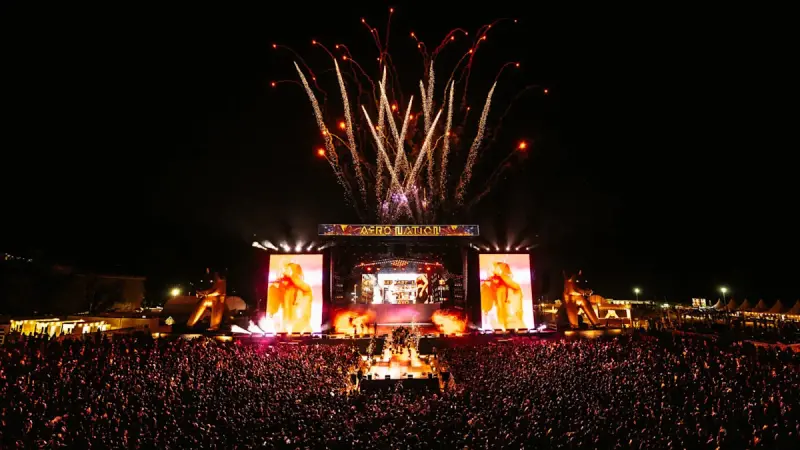
🔥 Afro Nation Portugal 2026: The Essential First-Timer’s Guide to the World’s Biggest Afrobeats Festival
Get the ultimate first-timer's guide to Afro Nation Portugal 2026 – the world's largest Afrobeats festival. Dates, tickets, travel tips, and what to expect in Portimão this July.
 👁️ 148 views
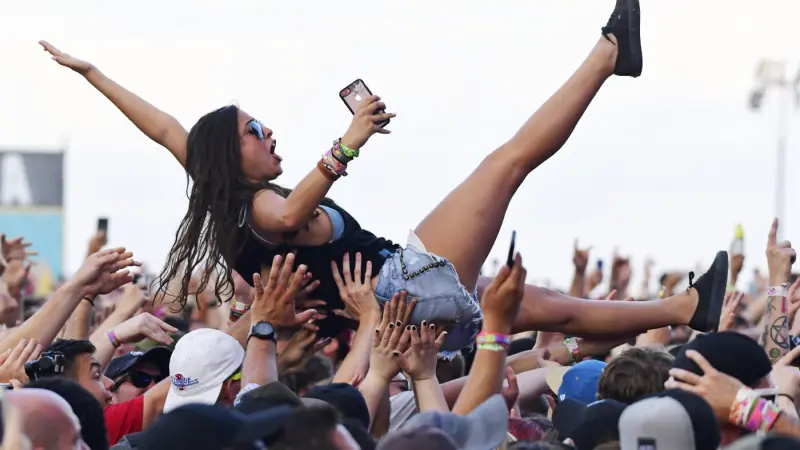
🔥 The Great Festival Cancellation of 2024: Why So Many Music Events Are Biting the Dust
Discover why over 60 music festivals canceled in 2024 alone—from rising costs and streaming algorithms to Gen Z's changing habits. Inside the festival recession.





Details
Send Us an Enquiry
We'll get back to you as soon as possible.
Thank You!
Your enquiry has been submitted. We'll be in touch shortly.