
BTS Army Descends on Stanford: Fans Camp Overnight for Merch Ahead of Sold-Out Bay Area Concert
 Previous

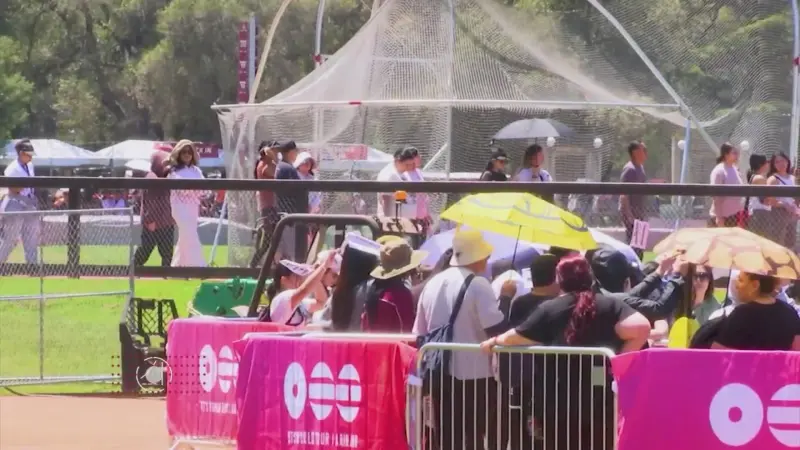
In a scene that could rival the frenzy of a Hollywood premiere, thousands of BTS fans—known collectively as the ARMY—lined up for hours, some even camping overnight, outside Stanford Stadium a full 24 hours before the K-pop supergroup’s sold-out show. The event, part of BTS’s globe-spanning tour, marked the septet’s first Bay Area stop in over three years, and the devotion on display was nothing short of cinematic.
KRON4’s Stephanie Rothman reported from the scene, capturing the electric atmosphere as fans traded light sticks, homemade banners, and stories of how BTS’s music had changed their lives. The merch line, snaking around the stadium’s perimeter, became a microcosm of the ARMY’s global community—multi-generational, multilingual, and fiercely passionate.
The Pre-Show Pilgrimage: A Ritual of Dedication
For the uninitiated, the sight of fans waiting through the night for merchandise might seem extreme. But within K-pop culture, especially for a group like BTS, it’s a time-honored tradition. These lines are not merely queues; they are temporary villages where bonds are forged over shared fandom. Fans bring portable chairs, battery packs, and snacks, turning concrete sidewalks into communal living rooms.
“I flew in from Chicago just for this,” said 22-year-old Mia Chen, who had been in line since 6 a.m. “The merch sells out fast, and I wanted to get the limited-edition hoodie. It’s not just clothing—it’s a memory.” Such dedication is typical. For BTS’s 2022 Las Vegas residency, fans lined up days in advance. The Stanford show, set for Saturday night, had already been declared a sell-out weeks ago, with ticket prices on resale platforms soaring past $1,000.
BTS’s Bay Area Return: A Homecoming of Sorts
The choice of Stanford Stadium—a 50,000-seat venue usually reserved for college football—underscores BTS’s mainstream dominance. The group last performed in Northern California in 2019 at the SAP Center in San Jose, a significantly smaller arena. Their return to the region is part of a larger strategic tour that has seen them sell out stadiums from Los Angeles to London, proving that their appeal transcends language and geography.
Industry analysts point to BTS’s unique model: a blend of high-octane choreography, introspective lyrics, and a social media presence that turns every fan into an ambassador. “BTS doesn’t just have fans; they have a movement,” said Dr. Lena Park, a pop culture scholar at UC Berkeley. “The merch line is a physical manifestation of that movement—a pilgrimage that validates their identity.”
The Merchandise Economy: Scarcity Drives Demand
What were fans so desperate to buy? The official tour merchandise includes everything from $50 tour shirts and $80 hoodies to limited-edition photocards and light sticks (known as ARMY Bombs). The scarcity model—only a set number of items per show—creates a secondary market where resellers can command triple the retail price. Online resale platforms like eBay and Mercari already listed Stanford-specific merch before the gates opened.
This phenomenon isn’t accidental. BTS’s management company, HYBE, has mastered the art of exclusivity. Each tour stop features city-specific designs—for Stanford, a commemorative poster featuring the iconic Hoover Tower and Palo Alto palm trees is already a collector’s item. The strategy not only boosts revenue but also deepens fan engagement. According to Billboard, BTS’s 2024 tour grossed over $400 million, with merchandise accounting for nearly 15% of that haul.
The ARMY’s Economic Impact on the Bay Area
The fan invasion has a tangible effect on local businesses. Hotels in Palo Alto reported 100% occupancy for the weekend. Restaurants near Stanford saw a surge in customers, with many K-pop-themed pop-ups offering boba and bibimbap. The event is expected to inject over $10 million into the regional economy, a figure that rivals major sporting events.
“I’ve never seen anything like this,” said Patrick O’Brien, owner of a diner two blocks from the stadium. “We had a group of fans singing ‘Dynamite’ at 7 a.m. while waiting for pancakes. They’re polite, they tip well, and they’re everywhere.”
Behind the Music: Why BTS Still Dominates
BTS’s longevity in an industry known for rapid turnover is no accident. Since their debut in 2013, the seven members—RM, Jin, Suga, J-Hope, Jimin, V, and Jungkook—have navigated military service (all members are now either serving or have completed their duty), solo projects, and a shifting global pop landscape. Yet their collective power remains undiminished.
Their 2025 album, Eternal Echo, debuted at No. 1 on Billboard 200 and has spawned three hit singles. The Stanford concert is part of their ongoing “The Final Chapter” world tour, which the group has hinted may be their last as a full ensemble before an indefinite hiatus—adding emotional urgency to every performance. For fans in line, the merch is a tangible keepsake of a potentially historic moment.
The Technical Challenges of a Stadium Show
Stanford Stadium presented unique logistical challenges for the BTS production team. The venue’s open-air design required custom sound and lighting rigs to ensure every seat had an immersive experience. Crews worked around the clock, with 18-wheelers backing into the loading docks as early as Tuesday. The massive stage—reportedly costing $5 million to build—features hydraulic lifts, a catwalk that extends into the crowd, and a 100-foot LED screen.
Security was also heightened. Event staffed by hundreds of uniformed officers and private security personnel checked bags and tickets with military precision. The City of Palo Alto declared a state of limited emergency to manage traffic and crowd control, a move typically reserved for major disasters. For the ARMY, it was just another hurdle in their quest for the perfect concert experience.
A Night to Remember: What Fans Can Expect
Setlist rumors have been swirling on social media. Leaked rehearsal footage suggests the group will perform a mix of classics (‘Boy With Luv,’ ‘MIC Drop’) alongside deeper cuts from their latest album. A special surprise involving a hologram and a drone light show has been teased. Meanwhile, the ARMY is preparing its own tribute: a coordinated fan chant using colored light sticks to spell out “BTS FOREVER” in the stands.
As the sun set over the Santa Cruz Mountains, the merch line began to shrink—but the energy only grew. The first 1,000 fans to purchase official tour T-shirts would receive a random freebie: a polaroid-style photo of one of the members, taken backstage. A lucky few might even get a signature. “It’s like a treasure hunt,” said James Kwon, 19, holding his newly acquired ARMY Bomb. “Worth every second of waiting.”
For the BTS ARMY, the wait was never just about a hoodie or a light stick. It was about being part of something bigger—a global family united by music, devotion, and the promise of a show that will be talked about for years to come. As the gates finally opened, a roar went up from the crowd. The pilgrimage was over, but the journey was just beginning.
Disclaimer - All celebrity-related content, information, and images on this website are based on publicly available online sources and AI-generated insights/data. Information such as biography, age, career, personal details, and images may change without notice over time. While we strive for accuracy, we do not guarantee the accuracy, completeness, reliability, or timeliness of any information or imagery displayed on this website. This content is provided for general informational purposes only.
Top Trending News of Music Events
 👁️ 182 views
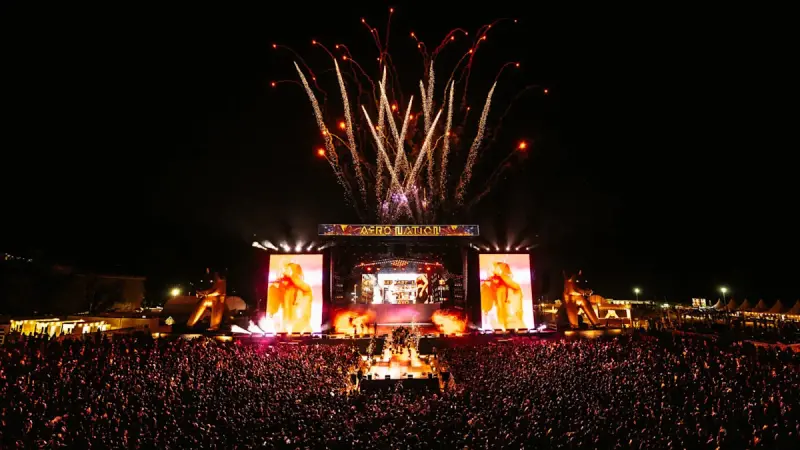
🔥 Afro Nation Portugal 2026: The Essential First-Timer’s Guide to the World’s Biggest Afrobeats Festival
Get the ultimate first-timer's guide to Afro Nation Portugal 2026 – the world's largest Afrobeats festival. Dates, tickets, travel tips, and what to expect in Portimão this July.
 👁️ 149 views
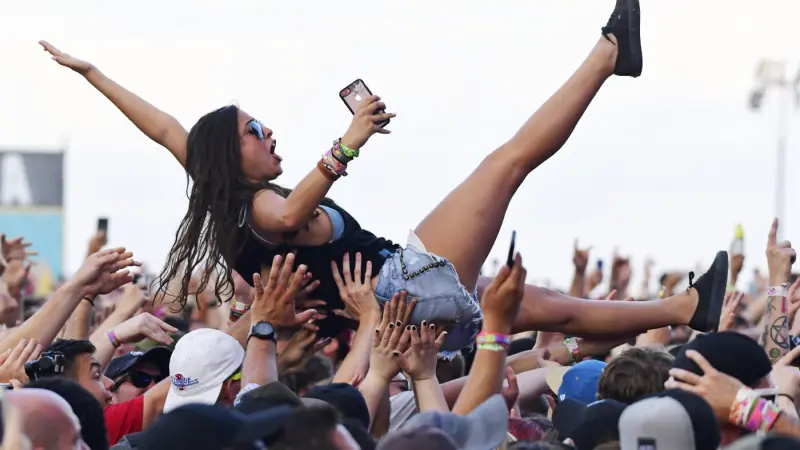
🔥 The Great Festival Cancellation of 2024: Why So Many Music Events Are Biting the Dust
Discover why over 60 music festivals canceled in 2024 alone—from rising costs and streaming algorithms to Gen Z's changing habits. Inside the festival recession.








Details
Send Us an Enquiry
We'll get back to you as soon as possible.
Thank You!
Your enquiry has been submitted. We'll be in touch shortly.