
Coachella 2025: Fans Embrace Free YouTube Live-Stream as Sky-High Ticket Prices Spark Backlash
 Previous

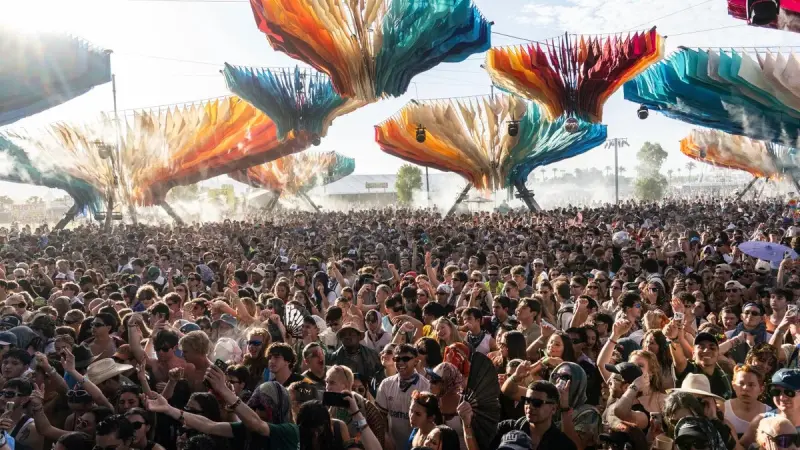
As the desert heat descends upon Indio, California, the Coachella Valley Music and Arts Festival has once again become a cultural flashpoint—but this year, the conversation is split between those braving the $649 general admission gates and the millions of viewers enjoying the spectacle from the comfort of their couches. With ticket prices skyrocketing and on-site costs reaching absurd heights, a silver lining has emerged: Coachella’s free, multi-stage live-stream on YouTube. Fans who opted out of the financial commitment are celebrating the accessibility of the broadcast, while those on the ground are venting about overpriced lemonade and lackluster tacos. This year’s festival isn’t just about the music—it’s a referendum on the value of live events in an era of digital plenty.
The Price Tag That Stings
For the 2025 edition, Coachella’s General Admission passes started at $649 for the first weekend and dropped only slightly to $599 for the second. That’s just the entry fee. Travel, camping, and food remain separate—and steep—line items. VIP tickets, meanwhile, jumped to a jaw-dropping $1,199, a figure that rivals luxury festival experiences abroad.
Longtime attendees have watched the cost of a weekend in the desert balloon over the years. In 2010, a GA pass cost roughly $269; by 2020, it had crossed the $400 mark. Adjusted for inflation, the 2025 price tag represents a 140% increase over fifteen years. This trajectory mirrors broader trends in live entertainment, where top-tier events have become luxury goods priced out of reach for many fans.
On-site concessions haven’t helped the perception. TikTok user Ruth Viveros documented her experience, paying $17 per cup of lemonade and ordering nachos and tacos that she described as “not good, not good at all—the tortillas are freezing cold.” Her videos, along with others complaining about $50 meals and overcrowded stages, quickly went viral. The disconnect between what attendees pay and what they receive has fueled a wave of online schadenfreude from home viewers.
YouTube to the Rescue: The Free Live-Stream Phenomenon
Coachella has offered a free live-stream since 2013, when it partnered with YouTube to broadcast performances from the Main Stage. What began as a limited experiment has evolved into a robust multi-channel production. This year, viewers can switch between streams for the Main Stage, the Sahara Tent, and the Gobi Tent, among others. Headliners including Post Malone and Megan Thee Stallion closed out the first weekend, with additional acts like Beabadoobee, Junior H, and Shaboozey drawing global audiences.
Fan reaction on X (formerly Twitter) has been effusive. One user wrote, “It’s actually crazy that there’s a completely free livestream of all coachella performances on youtube!!! they kinda ate with that one.” Another compared the experience favorably to being on the ground: “flipping YouTube channels > running between stages.” The convenience of curated camera angles, professional sound mixing, and zero sunburn has transformed the live-stream into a legitimate alternative to attendance.
This shift isn’t accidental. Coachella’s parent company, Goldenvoice, recognizes that the live-stream extends the festival’s brand reach far beyond the polo fields. YouTube reported that in 2024, the Coachella live-stream drew over 80 million unique viewers globally. For an event that sells out within hours, the digital audience represents a massive advertising and merchandising opportunity—and a chance to keep the festival top of mind for future ticket buyers.
The Great Divide: Attendees vs. Armchair Critics
The online discourse reveals a stark cultural rift. Those watching from home often voice a mix of relief and superiority. “Tbh Coachella looks and sounds like it’s not that enjoyable. Like all people do is complain about how hot it is. How tired they are and how sore their feet are,” one X user posted. Another added, “The crowds at Coachella are so lameeeeeee like you got yourself into credit card debt just to stand there and record like omg might as well watch the livestream on YouTube.”
Yet for many attendees, the festival’s allure remains intangible. The energy of a live crowd, the serendipity of discovering an unknown act, the Instagram-worthy art installations—these are experiences that cannot be replicated through a screen. The tension between the two camps echoes a larger debate about the future of live events in a post-pandemic world, where streaming has made everything from concerts to Broadway shows available on demand.
Industry analysts note that festivals like Coachella are caught in a paradox. To maintain profitability and exclusivity, prices must rise. But as they do, the demographic shifts toward wealthier attendees, while the passionate music fans who built the festival’s reputation are priced out. The free live-stream becomes a pressure valve, satisfying the demand for access without diluting the premium experience of being there.
A Brief History of Coachella and the Live-Stream Revolution
Coachella launched in 1999 as a modest two-day event headlined by Beck and the Chemical Brothers. Tickets cost $50. By 2004, it had become a cultural juggernaut, but it wasn’t until 2012 that the festival first experimented with a pay-per-view live-stream. The shift to free YouTube broadcasting a year later was a gamble that paid off, making Coachella one of the most-watched music events on the internet.
Other festivals have followed suit. Glastonbury, Lollapalooza, and Bonnaroo now offer live-streams, but Coachella’s production value—helmed by directors who treat each set like a mini-music video—remains the gold standard. The partnership with YouTube has also allowed for interactive features, such as chat rooms and multi-view options, that deepen viewer engagement.
The 2025 live-stream also highlights a generational shift in how music is consumed. Younger fans, many of whom grew up on YouTube and TikTok, are comfortable with a hybrid experience: watching headlines on a laptop while scrolling social media on their phone. The festival, once a pilgrimage, is increasingly a multi-platform content ecosystem.
What This Means for the Industry
The Coachella live-stream’s popularity sends a clear signal to event organizers: free digital access is no longer a nice-to-have; it’s a strategic imperative. While ticket revenue remains critical, the ancillary income from sponsorships, ad placements, and data collection can offset some of the cost. Brands like American Express and Heineken, which have long partnered with Coachella, extend their reach to the global stream audience. YouTube, in turn, makes money from ads and Super Chat donations—a model that could grow as the festival deepens its digital integration.
Yet there are risks. If the in-person experience continues to degrade—due to high prices, long lines, and subpar amenities—the festival’s brand could suffer. The live-stream, for all its polish, cannot fully compensate for the complaints of sunburned, overcharged attendees. Some analysts worry that Coachella risks becoming a “virtual-first” event, where the real action happens online and the physical gathering becomes secondary.
The Verdict: A Pivotal Moment for Festival Culture
As the second weekend of Coachella 2025 unfolds, the narrative is clear: the free YouTube live-stream has become a beloved companion to the festival, especially for those who find the cost of entry prohibitive. The complaints from the grounds—$50 meals, cold tortillas, exhausted crowds—only reinforce the wisdom of staying home. But the magic of Coachella has always been about more than logistics. It’s about the shared moment, the dust in your hair, the bass vibrating through your chest. The live-stream captures the sound but not the soul.
Moving forward, Coachella faces a delicate balancing act. It must preserve the premium nature of the live event while embracing the democratizing power of digital distribution. If it succeeds, the festival could set a new standard for how iconic gatherings evolve in the streaming age. If it fails, it may find that the grass is greener—and cheaper—on YouTube.
Disclaimer - All celebrity-related content, information, and images on this website are based on publicly available online sources and AI-generated insights/data. Information such as biography, age, career, personal details, and images may change without notice over time. While we strive for accuracy, we do not guarantee the accuracy, completeness, reliability, or timeliness of any information or imagery displayed on this website. This content is provided for general informational purposes only.
Top Trending News of Music Events
 👁️ 183 views
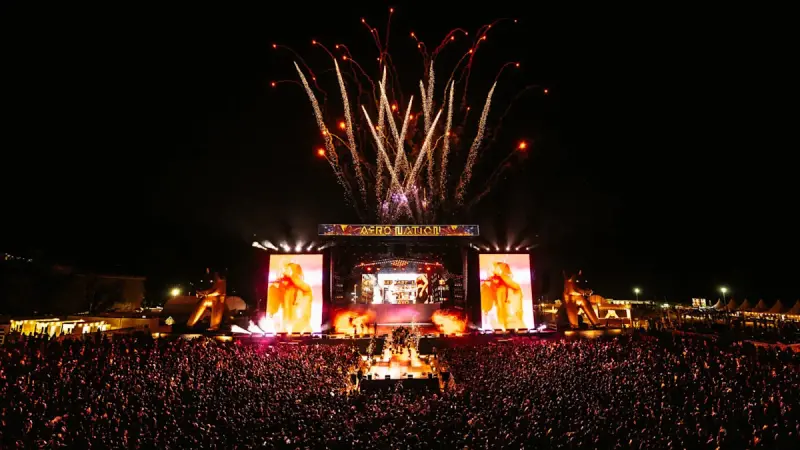
🔥 Afro Nation Portugal 2026: The Essential First-Timer’s Guide to the World’s Biggest Afrobeats Festival
Get the ultimate first-timer's guide to Afro Nation Portugal 2026 – the world's largest Afrobeats festival. Dates, tickets, travel tips, and what to expect in Portimão this July.
 👁️ 150 views
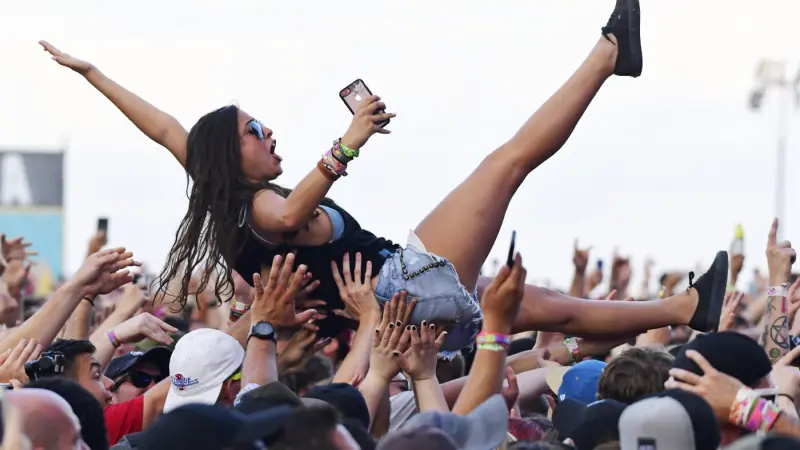
🔥 The Great Festival Cancellation of 2024: Why So Many Music Events Are Biting the Dust
Discover why over 60 music festivals canceled in 2024 alone—from rising costs and streaming algorithms to Gen Z's changing habits. Inside the festival recession.

Details
Send Us an Enquiry
We'll get back to you as soon as possible.
Thank You!
Your enquiry has been submitted. We'll be in touch shortly.