
Eurovision 2026: Israel’s Noam Bettan Secures Second Place as Bulgaria Claims First-Ever Victory
 Previous

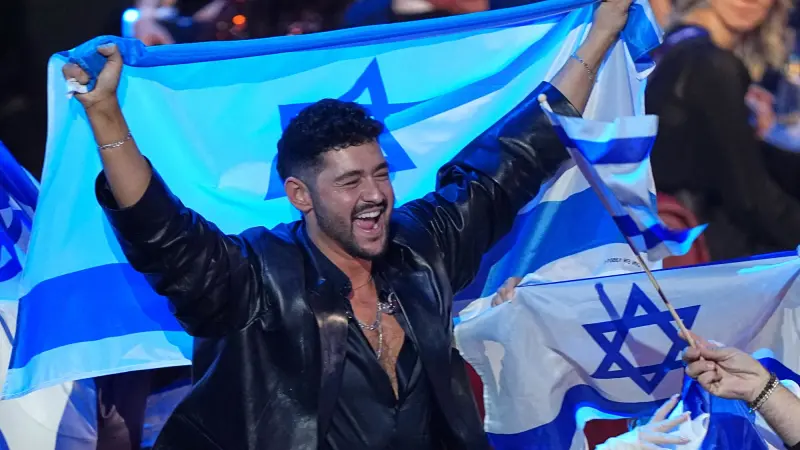
In a night brimming with glittering performances, political undercurrents, and historic milestones, the 70th Eurovision Song Contest delivered one of its most dramatic finishes in recent memory. Israel’s Noam Bettan soared to second place with his haunting ballad “Michelle,” while Bulgaria finally captured its maiden Eurovision crown—a victory decades in the making. The Grand Final, held in Vienna’s sprawling arena, saw a tense battle between jury votes and public adoration, culminating in a finale that left fans and industry insiders buzzing.
A Night of High Stakes and Surprising Momentum
Bettan, a relatively fresh face on the international stage, walked into the final with quiet confidence. His performance of “Michelle” earned thunderous applause from the live audience, a testament to the song’s emotional resonance and his commanding stage presence. The Israeli delegation had already aced the crucial jury rehearsal on Friday night, which accounts for 50% of the final score. That rehearsal paid off: Bettan initially ranked eighth with the jury, collecting 123 points. But the real story unfolded during the public vote, where a massive wave of televotes catapulted Israel to second place overall.
Betting markets had flagged Israel as a strong contender in the public vote after Bettan’s live show, and the numbers proved prescient. The surge mirrored a broader trend in recent Eurovision history, where audience preferences often clash with—and sometimes override—expert jury opinions. For Israel, the finish marks one of its strongest results in years, following a second-place showing in 2025 by Yuval Raphael with “New Day Will Rise.”
Bulgaria’s Long-Awaited Triumph
Bulgaria’s victory sent shockwaves through the fandom. The country had come close before—notably with Poli Genova’s fourth-place finish in 2016 and Kristian Kostov’s runner-up spot in 2017—but never claimed the top prize. This year’s winning entry, a dynamic pop anthem, combined polished production with a hypnotic hook that resonated across demographics. For the Bulgarian delegation, the win represents a decade of strategic investment in Eurovision talent and songwriting.
- Bulgaria’s Eurovision history: Debuted in 2005, best finish before 2026 was 2nd in 2017.
- Israel’s track record: Four wins (1978, 1979, 1998, 2018), with consistent top-five placements in recent years.
- 2026 finale audience: Estimated global viewership of over 200 million.
Political Tensions Boil Over: Spain’s Bold Protest
Eurovision has never been immune to geopolitics, and this year was no exception. Spanish public broadcaster RTVE, a member of the contest’s ‘Big 5’ (countries that automatically qualify for the final), took an unprecedented step during the broadcast. As the show began, RTVE briefly blacked out its screen and displayed a statement in both Spanish and English: “Eurovision is a competition, but human rights are not.” The message was a direct protest against the European Broadcasting Union’s decision to allow Israel to participate amid the ongoing war in Gaza.
Spain boycotted the contest entirely, marking the first time a Big 5 nation has refused to broadcast the event on political grounds. The move drew mixed reactions: some praised RTVE for taking a stand, while others argued that Eurovision should remain a non-political celebration of music. Inside the Vienna arena, a small number of Palestinian flags were visible among the crowd, though the overwhelming majority of attendees welcomed Bettan warmly. His performance of “Michelle” became a flashpoint for both praise and protest, illustrating the tightrope Eurovision walks between entertainment and activism.
Israeli Leadership Rallies Behind Bettan
Back home, Israeli President Isaac Herzog was quick to congratulate the young singer. In a statement that quickly circulated on social media, Herzog said: “You moved us. You are simply wonderful. The performance was perfect and you brought honor to the people of Israel. Your calm and composure on stage were extraordinary, well done, really. Go from strength to strength.” The endorsement underscored how Eurovision success often transcends music, becoming a source of national pride—especially for a country that frequently finds itself at the center of international debate.
What This Means for Eurovision’s Future
The 2026 contest highlighted two enduring truths about the world’s largest live music event: first, the power of the public vote to reshape outcomes, and second, the inescapable intersection of entertainment and politics. Bulgaria’s win injects fresh energy into the competition, proving that smaller nations can break through with the right formula. Israel’s strong showing—back-to-back second-place finishes—signals that its music industry continues to produce global-caliber acts, despite persistent challenges.
For fans, the debate over jury versus public voting will only intensify, especially as betting markets become more predictive. And for broadcasters and the EBU, managing political protests without derailing the show will remain a delicate art. As Eurovision heads toward its 71st edition, one thing is certain: the stage in Vienna gave us a night of unforgettable music, fierce passion, and a glimpse of how a simple song can still spark worldwide conversation.
Disclaimer - All celebrity-related content, information, and images on this website are based on publicly available online sources and AI-generated insights/data. Information such as biography, age, career, personal details, and images may change without notice over time. While we strive for accuracy, we do not guarantee the accuracy, completeness, reliability, or timeliness of any information or imagery displayed on this website. This content is provided for general informational purposes only.
Top Trending News of Music Events
 👁️ 182 views
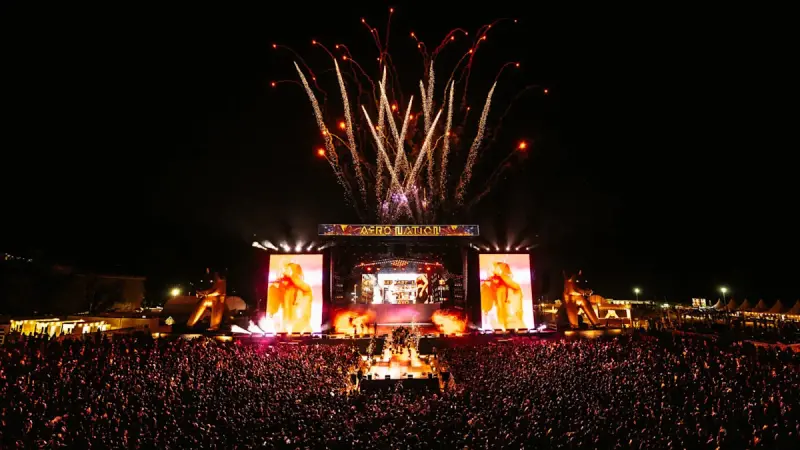
🔥 Afro Nation Portugal 2026: The Essential First-Timer’s Guide to the World’s Biggest Afrobeats Festival
Get the ultimate first-timer's guide to Afro Nation Portugal 2026 – the world's largest Afrobeats festival. Dates, tickets, travel tips, and what to expect in Portimão this July.
 👁️ 149 views
🔥 The Great Festival Cancellation of 2024: Why So Many Music Events Are Biting the Dust
Discover why over 60 music festivals canceled in 2024 alone—from rising costs and streaming algorithms to Gen Z's changing habits. Inside the festival recession.









Details
Send Us an Enquiry
We'll get back to you as soon as possible.
Thank You!
Your enquiry has been submitted. We'll be in touch shortly.