
Eurovision Boycotts: The Greatest Crisis in 70 Years as Politics Overshadows the Song Contest
 Previous

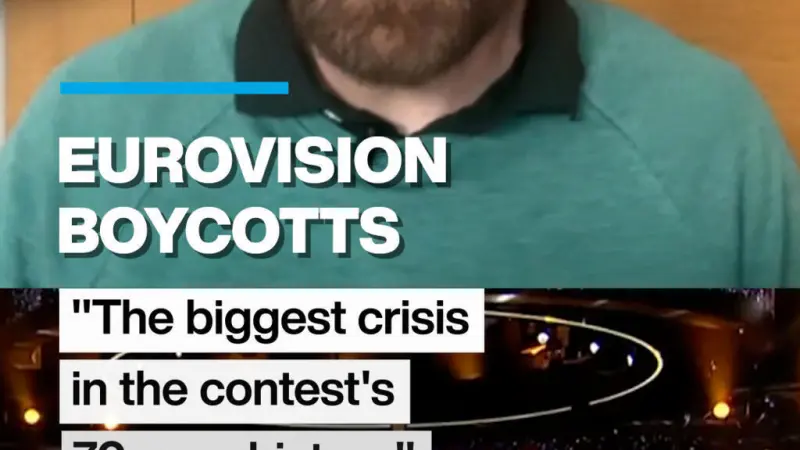
For decades, the Eurovision Song Contest has been a glittering, campy celebration of unity through music—a continent-wide sing-along where politics was supposedly left at the door. But in 2026, that door has been kicked in. As multiple nations threaten to boycott this year’s event over Israel’s participation, the competition finds itself staring down what insiders are calling “the biggest crisis in the contest’s 70-year history.” France 24’s Dave Keating summed it up bluntly: politics has increasingly shaped Eurovision over the past three years, and this year, the dam may have broken.
A Contest Under Siege
The boycotts are not merely symbolic. Several public broadcasters from Nordic and Western European countries have already announced they will not send delegations or air the show if Israel competes, citing the nation’s ongoing military actions in Gaza and the broader humanitarian crisis. The European Broadcasting Union (EBU), which organizes Eurovision, has been forced into emergency negotiations, but so far no compromise has emerged.
“This is unprecedented,” says Keating, a veteran EU affairs correspondent. “We’ve seen walkouts before—over Russia’s invasion of Ukraine, over Belarus’s crackdown—but nothing that threatens the entire infrastructure of the contest like this.” The scale of the boycott could leave the 2026 finals in Basel, Switzerland, with a decimated lineup and a fractured audience.
How Politics Crept Into Eurovision’s DNA
Eurovision was founded in 1956 with an idealistic mission: to foster cultural exchange and heal a war-torn continent. For most of its history, it largely succeeded. But the past decade has seen the contest become a lightning rod for geopolitical tensions.
- 2022: Russia was banned from the contest after its invasion of Ukraine—a move that earned the EBU both praise and accusations of double standards.
- 2023: Ukraine’s entry, Kalush Orchestra, won with a song about resistance, turning the trophy into a political statement.
- 2024 and 2025: Backlash over Israel’s initial inclusion in 2024 (following the October 7 attacks and subsequent war) led to protests outside venues and within delegations. The EBU allowed Israel to participate, but the controversy never faded.
By 2026, the debate has moved from fringe activism to mainstream boycotts. Cultural ministers in Iceland, Norway, and Finland have urged their broadcasters to step back, while artists in several countries have refused to perform if Israel is on the bill. The EBU’s insistence on “apolitical” competition rings hollow to critics who point to the Russia ban as evidence that politics has always been a factor—just selectively applied.
The Industry Impact: Ratings, Revenue, and Reputation
For broadcasters, Eurovision is a massive cash cow. The contest draws nearly 200 million viewers globally, and the host city sees a tourism boom. But boycotts threaten that economic engine. If major markets like Sweden, Norway, and the Netherlands pull out, advertising revenue plummets and the show’s production costs become unsustainable.
“The EBU is caught between a rock and a hard place,” says media analyst Helena Bergström. “If they exclude Israel, they anger one of their most powerful member broadcasters—and face accusations of antisemitism. If they keep Israel, they lose credibility and audience share in Western Europe. Either way, the contest’s brand is damaged.”
Artists are also feeling the heat. Many performers fear being associated with a politically charged event. Some have withdrawn their applications, while others worry about potential backlash on social media—a modern-day pillory for public figures.
Fan Response: A Divided Community
Eurovision’s famously passionate fanbase is deeply split. Online forums and social platforms have become battlegrounds. Some fans argue that boycotting the contest punishes artists and crew who have no say in geopolitics. Others insist that art cannot exist in a vacuum, and that participating in an event hosting Israel is tantamount to endorsement.
“I’ve been watching since I was a kid,” says longtime fan Marta López from Spain. “This year, I don’t know if I can watch at all. It feels wrong to cheer while people are suffering.” Conversely, a fan in France, Thomas Durand, says, “Eurovision has always been about music. If every country boycotted over every conflict, there would be no contest. We need to separate the song from the state.”
The EBU has tried to bridge the divide by proposing a “neutral” performance format where Israeli entries would not display national symbols—mirroring the approach used for Russia in 2022 (before the full ban). But that proposal was rejected by Israel, which views the contest as a platform for positive global visibility.
Behind the Scenes: EBU’s Impossible Choice
Internal documents leaked to European media reveal that the EBU’s executive board is considering drastic options: postponing the contest, moving it to a virtual-only format, or even canceling it entirely for the first time since 1956 (barring COVID-19 cancellations in 2020). None are palatable.
The crisis also underscores a deeper tension within the EBU. The union was created to promote public service broadcasting, but its members are increasingly at odds over how to handle politically sensitive participants. Smaller broadcasters fear losing autonomy to larger nations that wield more influence.
What This Means for Eurovision’s Future
Long-term, the boycotts may force a fundamental rethink of Eurovision’s rules. Some analysts suggest creating a formal “code of conduct” for participating nations similar to the Olympic Games’ peace truce or requiring participating broadcasters to sign declarations of neutrality. Others argue that the contest should fully embrace its political role—becoming a forum for cultural diplomacy rather than pretending to be sterile.
The 2026 edition is shaping up to be a watershed moment. If the EBU caves to boycott pressure, it sets a precedent that any powerful nation can threaten withdrawal to block an opponent. If it resists, it risks a mass exodus of participants that could shrink the contest to a fringe event.
Either way, the days of a purely apolitical Eurovision are over. The song contest that once united Europe in frothy escapism now mirrors the continent’s deepest rifts—and the debate over its soul is far from over. As the world watches Basel next month, one question lingers: can a song really transcend politics, or is it just another stage for the same old wars?
Disclaimer - All celebrity-related content, information, and images on this website are based on publicly available online sources and AI-generated insights/data. Information such as biography, age, career, personal details, and images may change without notice over time. While we strive for accuracy, we do not guarantee the accuracy, completeness, reliability, or timeliness of any information or imagery displayed on this website. This content is provided for general informational purposes only.
Top Trending News of Music Events
 👁️ 182 views
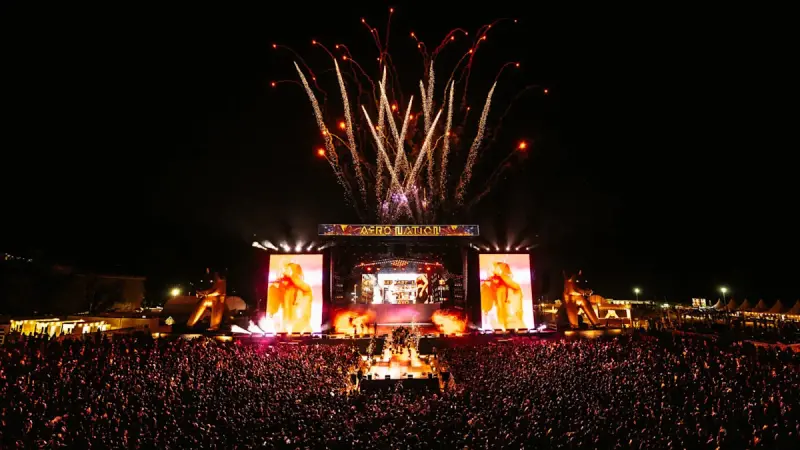
🔥 Afro Nation Portugal 2026: The Essential First-Timer’s Guide to the World’s Biggest Afrobeats Festival
Get the ultimate first-timer's guide to Afro Nation Portugal 2026 – the world's largest Afrobeats festival. Dates, tickets, travel tips, and what to expect in Portimão this July.
 👁️ 149 views
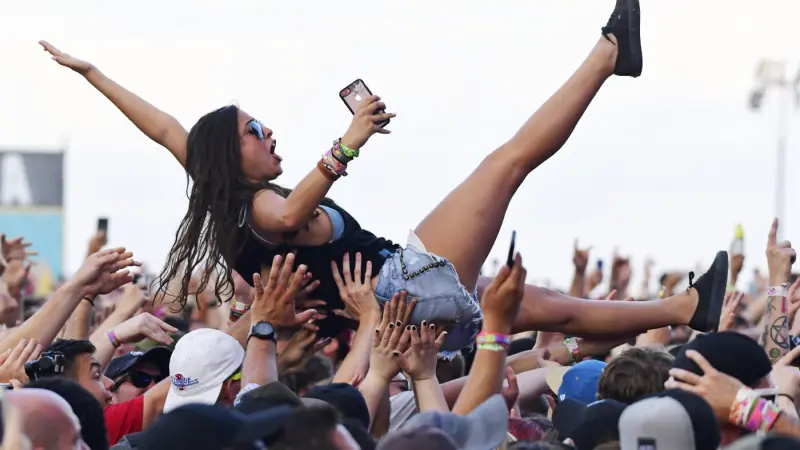
🔥 The Great Festival Cancellation of 2024: Why So Many Music Events Are Biting the Dust
Discover why over 60 music festivals canceled in 2024 alone—from rising costs and streaming algorithms to Gen Z's changing habits. Inside the festival recession.







Details
Send Us an Enquiry
We'll get back to you as soon as possible.
Thank You!
Your enquiry has been submitted. We'll be in touch shortly.