
Grammy Awards Viewership Dips Again as Disney Era Looms: A Deep Dive into the 2026 Ratings Slide
 Previous

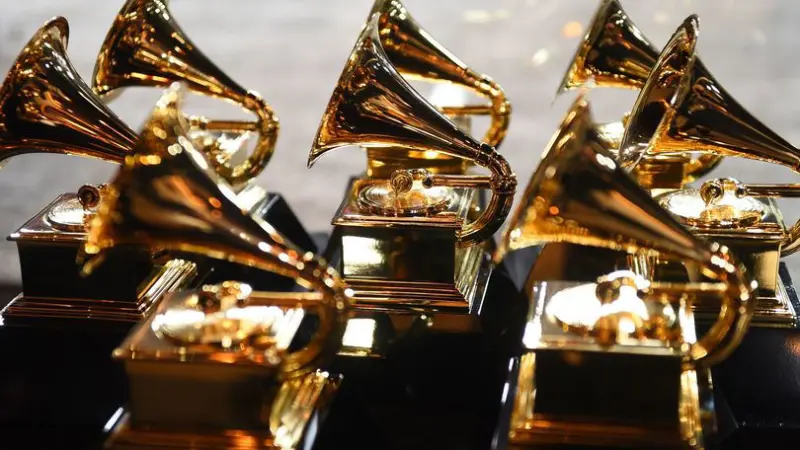
The 2026 Grammy Awards may have delivered electrifying performances and historic milestones, but the numbers behind the glitz tell a more sobering story. According to freshly released Nielsen data, the 68th annual ceremony attracted 14.4 million viewers—a 6 percent drop from the previous year and the second consecutive decline in audience size. As the Recording Academy prepares to sever its five-decade-long relationship with CBS and pivot to Disney in 2027, industry insiders are questioning whether the move can reverse a troubling trend or if the Grammys are simply experiencing the same linear TV erosion that has plagued every major awards show.
By the Numbers: A Closer Look at the Slide
The 2026 telecast, which aired live on CBS on February 1, saw 14.4 million viewers tune in—down from 15.4 million in 2025 and a steep fall from the 2024 peak of 17.09 million. While that 2024 figure represented a post-pandemic bounce, the recent back-to-back declines suggest the show has lost momentum. Still, the Grammys remain the most-watched awards ceremony since last year’s Oscars, a testament to music’s enduring cultural pull.
To put the numbers in perspective, the 2025 Grammys had already experienced a 9–12 percent drop from 2024, breaking a short streak of rising viewership that followed the pandemic-era lows. The 2023 ceremony, for instance, drew just 12.4 million viewers. The 2026 figure, while disappointing relative to recent highs, still outperforms many pre-pandemic editions—the 2020 show, for example, brought in 18.7 million, but that was a Super Bowl-powered anomaly.
Why the Drop? Streaming Fragmentation and Changing Habits
Industry analysts point to a familiar culprit: the continued fragmentation of television audiences. Younger demographics, in particular, have migrated to streaming platforms, social media clips, and on-demand highlights, making live appointment viewing increasingly rare. The Grammys, like the Emmys and Oscars, are fighting against a tide of cord-cutting and attention-span shortening. Yet the show managed to thrive in the digital space—Nielsen’s Social Content Ratings named it the most social program of the past six months, beating out even major sports events. The ceremony generated 302.5 million video views across platforms and racked up 78.4 million interactions, indicating that while linear TV numbers shrink, cultural conversations are louder than ever.
The CBS Era Ends: A Seismic Network Shift
Perhaps the biggest headline overshadowing the ratings dip is the Grammys’ impending move to Disney. The 2026 broadcast marks the final edition under CBS’s 54-year tenure, which began in 1973. Starting in 2027, the Recording Academy’s 10-year deal will bring the ceremony to ABC, Disney+, and Hulu. This multi-platform strategy aims to capture the very streaming audience that has been slipping away from linear TV.
The Disney move is a calculated bet. ABC often simulcasts major events (like the Oscars) across its linear and streaming properties, and Disney+ has proven itself a powerful live-event hub through NFL games and concerts. For the Grammys, the shift could mean a broader, younger, and more global viewership—but it also risks alienating older CBS loyalists who have watched the show for decades. The success of the transition will depend heavily on how well Disney markets the event and integrates it into its streaming ecosystem.
Performances and Milestones That Defined the Night
Despite the viewership decline, the 2026 ceremony was packed with moments that dominated headlines and water-cooler conversations. Bruno Mars and Lady Gaga delivered a joint performance that sparked instant viral buzz, while Sabrina Carpenter, ROSÉ, Tyler, the Creator, and a surprise Justin Bieber appearance (his first Grammy stage in four years) kept audiences glued to their screens. Bieber’s stripped-down performance of “YUKON”—in nothing but his boxers—became an instant meme and a top-trending topic on X (formerly Twitter).
Other standout sets included Clipse with Pharrell Williams and a poignant tribute to Ozzy Osbourne featuring Post Malone and Slash. The tribute underscored the Grammys’ ability to bridge generations, a strength that will likely be amplified under Disney’s broader distribution.
Record-Breaking Winners and Historic Firsts
Awards-wise, the night belonged to Kendrick Lamar, who broke Jay-Z’s record for the most Grammy wins by a rapper, securing his 27th trophy. Bad Bunny made history by winning Album of the Year for Debí Tirar Más Fotos, becoming the first artist to claim the top prize for a Spanish-language album—a watershed moment for Latin music. Steven Spielberg achieved EGOT status by winning Best Music Film as a producer of Music by John Williams, while father-daughter duo Fyütch & Aura V set a record as Aura V became the youngest-ever Grammy winner.
These milestones are precisely the kind of narrative hooks that the Recording Academy hopes will drive future engagement. The challenge is converting social media buzz into linear or streaming viewership next year.
Social Media Supremacy: The Grammys' Hidden Victory
The 2026 Grammys generated 302.5 million video views and 78.4 million interactions across platforms like YouTube, TikTok, Instagram, and X. That performance placed it above every other awards show and even major sporting events over the past six months. The Recording Academy has leaned heavily into digital content—releasing performance clips, behind-the-scenes footage, and red-carpet moments in real time. This strategy ensures that even if fewer people watch the live broadcast, millions still experience the show through short-form video and highlight reels.
For advertisers and sponsors, that digital reach is increasingly valuable. The question for Disney will be whether they can translate that social energy into actual viewership numbers on ABC, Disney+, and Hulu—or if the Grammys will become a primarily digital event with a shrinking linear footprint.
What the Disney Move Means for the Future
The transition to Disney represents both an opportunity and a gamble. On one hand, Disney+ boasts over 150 million subscribers globally, and Hulu’s live TV bundle could attract cord-cutters. On the other hand, the Grammys will be competing for attention alongside Disney’s own massive content library and live events. The Recording Academy has promised a more immersive, multi-platform experience, potentially including exclusive behind-the-scenes streams, interactive voting, and augmented reality features.
Yet history shows that network changes do not automatically fix ratings declines. The Oscars moved from ABC to NBC in the 1970s and back again, while the Emmys have swapped homes multiple times. The key differentiator for the Grammys is the streaming component—if Disney can make the ceremony feel like a destination event across its platforms, it may stem the bleeding. But if the 2027 numbers dip further, the industry will have to confront an uncomfortable truth: perhaps the era of the mega-awards show is simply fading.
A Night to Remember, A Future to Navigate
The 68th Grammy Awards will be remembered for its historic wins, daring performances, and the bittersweet end of a CBS tradition. But beneath the spectacle lies a warning: even the most resilient awards show must evolve or risk irrelevance. As the Recording Academy packs its trophies and moves to Disney, the next chapter will be written not just by the stars onstage, but by the viewers—wherever they choose to watch.
Disclaimer - All celebrity-related content, information, and images on this website are based on publicly available online sources and AI-generated insights/data. Information such as biography, age, career, personal details, and images may change without notice over time. While we strive for accuracy, we do not guarantee the accuracy, completeness, reliability, or timeliness of any information or imagery displayed on this website. This content is provided for general informational purposes only.
Top Trending News of Music Events
 👁️ 182 views
🔥 Afro Nation Portugal 2026: The Essential First-Timer’s Guide to the World’s Biggest Afrobeats Festival
Get the ultimate first-timer's guide to Afro Nation Portugal 2026 – the world's largest Afrobeats festival. Dates, tickets, travel tips, and what to expect in Portimão this July.
 👁️ 148 views
🔥 The Great Festival Cancellation of 2024: Why So Many Music Events Are Biting the Dust
Discover why over 60 music festivals canceled in 2024 alone—from rising costs and streaming algorithms to Gen Z's changing habits. Inside the festival recession.



Details
Send Us an Enquiry
We'll get back to you as soon as possible.
Thank You!
Your enquiry has been submitted. We'll be in touch shortly.