
Korean Music Awards 2026: Jennie, Lee Chan-Hyuk, and Sik-K Redefine Critical Acclaim in K-Pop’s Most Prestigious Night
 Previous

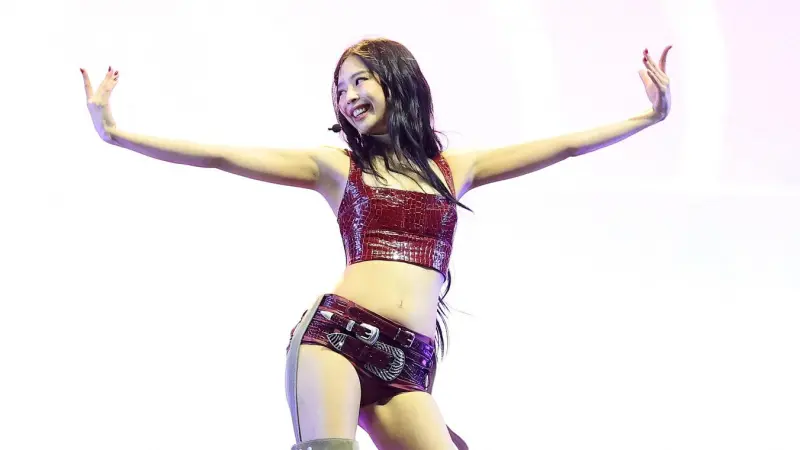
In a ceremony that prizes artistry over album sales, the 23rd Korean Music Awards (KMA) delivered a seismic shift in the power dynamics of South Korea’s music industry. BLACKPINK’s Jennie, AKMU’s Lee Chan-hyuk, and producer-rapper duo Sik-K & Lil Moshpit emerged as the night’s biggest victors on Wednesday, proving that mainstream idols can indeed earn the respect of Korea’s most discerning critics. But the awards also underscored a persistent divide: while K-pop stars dominated their genre categories, the top general prizes remained firmly in the hands of indie and alternative artists—a reminder that commercial chart dominance doesn’t always translate to critical validation.
Held in Seoul and broadcast via the Melon streaming app, the 2026 KMAs felt less like a competition and more like a community-wide celebration. With nearly all nominees in attendance, the night featured emotional speeches, unexpected performances, and a clear message: Korea’s music scene is more diverse—and more exciting—than ever.
The KMA Difference: Why This Awards Show Matters
The Korean Music Awards deliberately distances itself from fan-vote spectacles or sales-driven metrics. No streaming numbers, no album counts, no online polls. Instead, a rotating committee of music journalists, radio producers, university academics, and industry veterans evaluates each entry purely on artistic merit. The result? A ceremony where a BLACKPINK member can go head-to-head with a completely unknown indie troubadour—and where winning genuinely signals a seal of approval from Korea’s musical establishment.
Sponsored by the Ministry of Culture, Sports and Tourism and organized by the Korean Music Awards Selection Committee, the 23rd edition reviewed releases from December 1, 2024, through November 30, 2025. Over 26 categories span everything from hyperpop to traditional folk, ensuring that every corner of the peninsula’s sonic landscape gets its moment in the spotlight.
Jennie’s Solo Ascendancy: From Group Powerhouse to Critical Darling
Jennie’s double wins—Best K-Pop Album for Ruby and Best K-Pop Song for “Like Jennie”—represent a watershed moment for the artist’s solo trajectory. Since her debut in BLACKPINK, Jennie has faced intense scrutiny as a performer and fashion icon. But the KMA victories signal that critics now view her as a legitimate musical force beyond the group’s massive shadow.
“Like Jennie,” a track that blends confident swagger with polished production, was praised by the selection committee for its bold sonic identity and lyrical vulnerability. Meanwhile, Ruby—a cohesive album exploring themes of identity, ambition, and resilience—has been hailed as one of the most complete solo projects by a K-pop idol in recent years. For Jennie, the wins aren’t just trophies; they’re a validation that her artistry resonates even when the fan-vote machinery is switched off.
Lee Chan-hyuk’s Triple Crown: Song of the Year and Beyond
If Jennie’s victories demonstrated that pop idols can earn critical respect, Lee Chan-hyuk’s triple haul proved that deep songwriting craft can still triumph over flash. Best known as the male half of the sibling duo AKMU, Lee swept the pop categories—Best Pop Album for EROS and Best Pop Song for “Endangered Love”—and then claimed the ceremony’s most prestigious single-track honor: Song of the Year.
“Endangered Love” is a haunting ballad that layers Lee’s distinctive vocals over a minimalist arrangement, exploring the fragility of human connection. The track’s lyrical depth and emotional restraint stood out in a year filled with bombastic releases. Lee’s video acceptance speech, described by insiders as witty and self-deprecating, became one of the night’s most talked-about moments. His wins place him in the same company as previous Song of the Year recipients like aespa—artists who manage the rare feat of appealing to both streaming playlists and critical gatekeepers.
Sik-K and Lil Moshpit: Hip-Hop’s Winning Formula Repeats
In the hip-hop realm, producer-rapper duo Sik-K and Lil Moshpit became only the second act in KMA history to sweep both rap categories in the same year. Their album K-FLIP+ took Best Rap & Hip-Hop Album, while the track “LOV3 (feat. Bryan Chase & Okasian)” won Best Rap & Hip-Hop Song. The last time this double-sweep happened was three years ago with Nucksal and Cadejo, suggesting that collaborative projects between producers and vocalists particularly resonate with the KMA’s critical panel.
Sik-K, a longtime figure in Korea’s underground rap scene, and Lil Moshpit, a producer known for genre-bending beats, delivered an album that critics called “both a time capsule and a preview of K-hip-hop’s future.” The duo’s success underscores how the KMAs reward innovation over familiarity—a welcome signal in a genre often dominated by viral hits and brand endorsements.
Indie Artists Claim Top General Categories
While K-pop stars took home genre honors, the evening’s most coveted general awards went to artists largely unknown outside Korea’s indie ecosystem. Chudahye Chagis won Album of the Year for SOSUMINJOK (translating to “Ethnic Minority”), a genre-defying project that weaves folk, electronic, and traditional Korean elements into a deeply personal narrative. The musician also won Best R&B & Soul Song for “Heosse!,” making her one of the night’s most celebrated figures.
Singer-songwriter Hanroro took home Musician of the Year, a nod to his prolific output and boundary-pushing live performances. The Rookie of the Year award went to Woo Huijun, who also claimed Best Alternative Rock Song for “Spacious House.” These wins highlight the KMA’s commitment to elevating emerging voices—even when they lack the marketing budgets of major labels.
Other Notable Winners and Emotional Moments
The breadth of the KMA’s categories was on full display. In rock, the duo Wah Wah Wah & playbook won Best Rock Album for UBUBU, while Lee Seung Yoon took Best Rock Song for “PunKanon.” The metal/hardcore crown went to baan for their album neumann. Electronic categories produced a heartwarming student-mentor moment: KIRARA won Best Electronic Album for the self-titled Kirara, while her student MELKI took Best Electronic Song for “Body Break.”
Folk categories were swept entirely by Kwon Tree, who won both Best Folk Album and Best Folk Song. Jazz honors split between Malo (Best Vocal Album) and Lim Mijung (Best Instrumental Album). And the Lifetime Achievement Award was presented to Peregrine Falcon, a legendary act whose influence on Korea’s alternative scene spans decades.
What This Means for K-Pop’s Critical Standing
Jennie and Lee Chan-hyuk’s victories send an important signal: K-pop idols can earn critical validation at Korea’s most rigorous awards ceremony. Yet the fact that indie artists swept Album of the Year, Musician of the Year, and Rookie of the Year suggests that commercial K-pop still faces an uphill battle for real artistic recognition. The barrier isn’t insurmountable—Lee Chan-hyuk proved that with his Song of the Year win—but it requires a level of songwriting and production depth that many idol projects still lack.
For international fans accustomed to awards driven by fandoms and streams, the KMAs offer a rare, unfiltered look at how Korea’s music critics truly evaluate the industry. The message is clear: in a world of relentless metrics, the KMAs remain a sanctuary for the artists who dare to take risks, tell personal stories, and push the boundaries of what Korean music can be.
As the 23rd edition draws to a close, one thing is certain: the divide between commercial success and artistic merit is narrowing. And for artists like Jennie, Lee Chan-hyuk, and Sik-K, that’s a victory worth singing about.
Disclaimer - All celebrity-related content, information, and images on this website are based on publicly available online sources and AI-generated insights/data. Information such as biography, age, career, personal details, and images may change without notice over time. While we strive for accuracy, we do not guarantee the accuracy, completeness, reliability, or timeliness of any information or imagery displayed on this website. This content is provided for general informational purposes only.
Top Trending News of Music Events
 👁️ 182 views
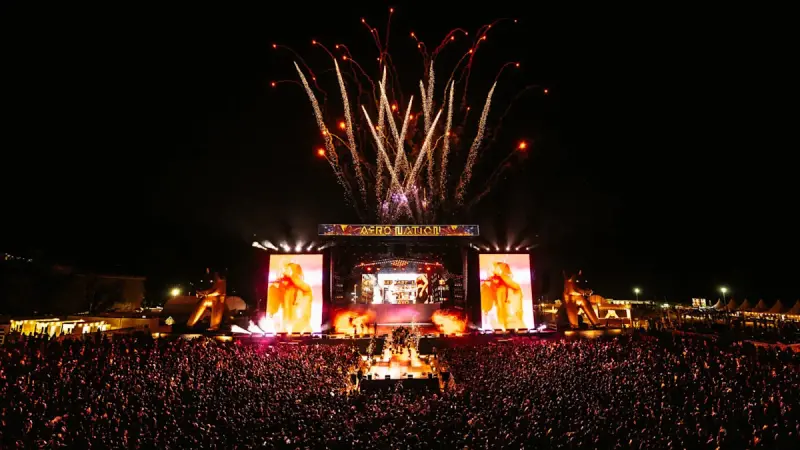
🔥 Afro Nation Portugal 2026: The Essential First-Timer’s Guide to the World’s Biggest Afrobeats Festival
Get the ultimate first-timer's guide to Afro Nation Portugal 2026 – the world's largest Afrobeats festival. Dates, tickets, travel tips, and what to expect in Portimão this July.
 👁️ 149 views
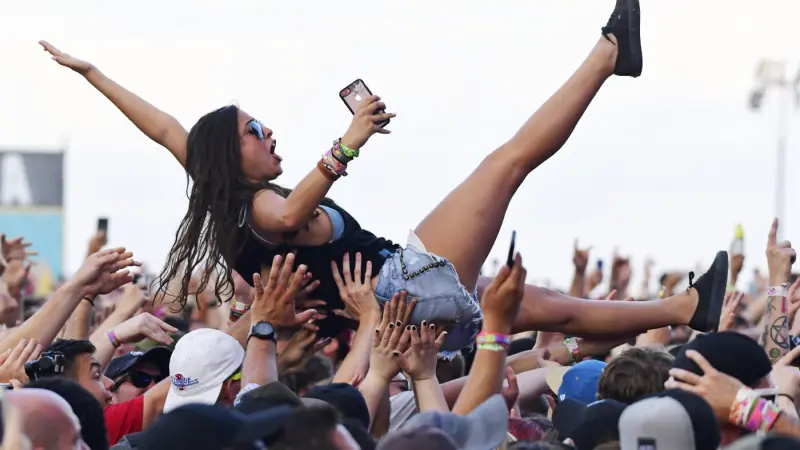
🔥 The Great Festival Cancellation of 2024: Why So Many Music Events Are Biting the Dust
Discover why over 60 music festivals canceled in 2024 alone—from rising costs and streaming algorithms to Gen Z's changing habits. Inside the festival recession.









Details
Send Us an Enquiry
We'll get back to you as soon as possible.
Thank You!
Your enquiry has been submitted. We'll be in touch shortly.