
Penang Eyes International Music Festivals: A New Beat for Malaysia’s Island Gem
 Previous

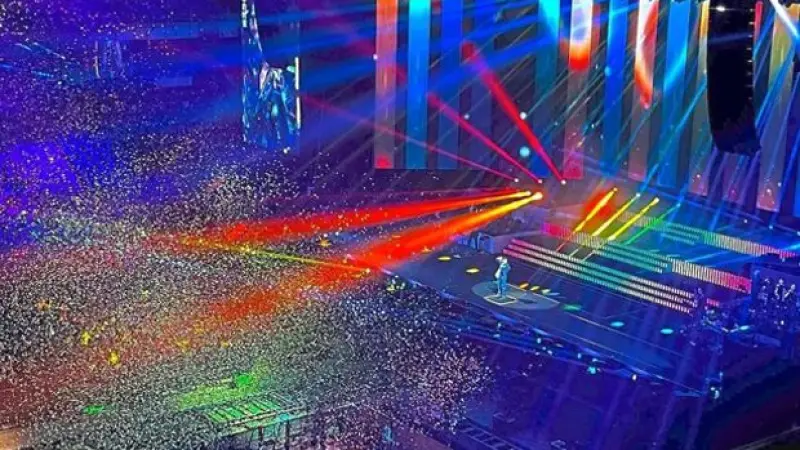
Penang, the pearl of the Orient, is ready to turn up the volume. In a move that could reshape the island’s nightlife and tourism landscape, state Tourism and Creative Economy committee chairman Wong Hon Wai has signaled that Penang is open to hosting international-level music festivals—provided the budget, venue, and sponsor support align. Speaking during the state assembly sitting in George Town on Tuesday (May 12), Wong framed music festivals as a strategic tourism product capable of drawing both domestic and international crowds. The announcement comes hot on the heels of the controversial Rain Rave 2026 Water Music Festival in Kuala Lumpur, raising the question: is Penang about to become Malaysia’s next festival hotspot?
A Festival Blueprint Already in Place
Wong pointed to the state’s existing experience with large-scale music events to back his confidence. “We have experience organising music festival-style events,” he told the assembly. When the Penang Bridge International Marathon relocated to Batu Kawan in 2024, organisers introduced a music festival held the night before the run. “The festival was held before the marathon and was mostly attended by the participants,” Wong noted, revealing that a rave-style festival had already taken place under the state’s watch—a detail many may have missed.
That marathon-adjacent festival serves as a proof of concept. By blending physical endurance with sonic exhilaration, Penang demonstrated it could handle simultaneous large-scale gatherings. Wong’s remarks suggest the state is now ready to scale up, moving from a marathon sideshow to standalone, headline-grabbing international events.
Why Penang? Strategic Advantages for Global Festivals
Penang’s candidacy for international music festivals isn’t just ambition—it’s rooted in tangible assets. The island boasts world-class infrastructure, a UNESCO World Heritage site in George Town, and a thriving food scene that already attracts millions of tourists annually. Adding a major music festival could position Penang as a year-round destination, not just a cultural or beach getaway.
Key advantages include:
- Venue versatility: From the seafront Esplanade to the sprawling Batu Kawan area, Penang offers spaces that can accommodate tens of thousands of festival-goers.
- Proximity to international hubs: Direct flights from Singapore, Thailand, and China make Penang easily accessible for regional travellers.
- Existing tourism infrastructure: A robust hospitality sector and established tourism board, Penang Global Tourism, can seamlessly integrate festival logistics.
- Cultural synergy: The island’s multicultural heritage provides a rich backdrop for diverse musical acts, from EDM to traditional fusion.
The Rain Rave 2026 Effect: Inspiration or Caution?
Wong was responding to a question from Joseph Ng (PH-Air Itam), who asked whether Penang was ready to host events like Kuala Lumpur’s Rain Rave 2026 Water Music Festival. That festival, held in the heart of Bukit Bintang, drew both enthusiasm and criticism for its scale, noise, and water-based antics. Wong’s answer was measured: “We will consider organising more festivals based on the suitability of the location, financial capacity, and the organisers’ commitment.”
This cautious optimism reflects a broader industry lesson. While Rain Rave proved that Malaysia can host bold, experiential events, it also highlighted the need for careful planning—especially regarding noise ordinances, crowd control, and environmental impact. Penang, with its denser heritage zones, would need to strike a delicate balance between drawing global talent and preserving local quality of life.
Beyond Festivals: Expanding Penang’s Tourism Portfolio
Wong’s comments were part of a larger discussion on new tourism products and attractions introduced in conjunction with Visit Malaysia Year 2026. The state government, through Penang Global Tourism, has rolled out strategic initiatives to strengthen the sector. Wong listed 14 different attractions—including museums, sights, and locations—to lure visitors. But he emphasised that novelty isn’t the only goal: “We not only want to introduce new products, but we want to give our existing ones more dimension as well.”
To illustrate, Wong spotlighted Penang Hill, a perennial favourite. “People can not only take the funicular train but also opt to hike up. They can camp overnight and there is even a night walk. Many dimensions can be added to existing experiences,” he explained. Similarly, tourists can now experience Penang by sea—taking boat rides to see both the Penang Bridge and the Sultan Abdul Halim Muadzam Shah Bridge up close. “It may be the same sea and the same hill, but there are different ways of seeing it, which will encourage people to return multiple times,” Wong added.
Industry Implications: What a Festival Means for Penang’s Creative Economy
Hosting an international music festival isn’t just a tourism play—it’s a statement about a city’s creative vitality. For Penang’s creative economy, a major festival could catalyse local talent pipelines, spur event production jobs, and attract international sponsorship dollars. It would also align with broader Malaysian government efforts under Visit Malaysia Year 2026 to position the country as a premier entertainment destination.
Industry analysts note that festivals of this scale often become anchor events, generating ripple effects through hospitality, transport, and local businesses. For instance, the annual Good Vibes Festival in Kuala Lumpur has consistently driven hotel bookings and F&B revenue. Penang, with its strong brand as a food and culture hub, could similarly harness a festival to extend tourist dwell time and spending.
The Road Ahead: Challenges and Opportunities
Of course, the path from openness to execution is paved with logistical hurdles. Wong explicitly mentioned three prerequisites: budget, location, and sponsor commitment. Penang’s state assembly will need to allocate funds, identify a suitable site that minimises disruption to residents, and secure corporate backing—likely from beverage, tech, or lifestyle brands. The success of the 2024 marathon festival provides a template, but its audience was captive (marathon runners). A standalone festival must compete for discretionary attention and dollars.
Moreover, Penang must navigate the fine line between heritage preservation and modern entertainment. The island’s UNESCO status in George Town comes with strict noise and building regulations. Any festival near the heritage zone would require careful acoustic design and time restrictions. Yet, if done right, the juxtaposition of centuries-old shophouses and a cutting-edge sound stage could become a signature visual—something no other Malaysian city can replicate.
As Penang weighs its next steps, the music festival conversation signals a deeper ambition: to evolve from a weekend getaway into a destination that lives and breathes culture in real time. If Wong’s vision becomes reality, the island’s future might not only be seen from a funicular train or a boat—but heard from a bass-thumping main stage under the stars.
Disclaimer - All celebrity-related content, information, and images on this website are based on publicly available online sources and AI-generated insights/data. Information such as biography, age, career, personal details, and images may change without notice over time. While we strive for accuracy, we do not guarantee the accuracy, completeness, reliability, or timeliness of any information or imagery displayed on this website. This content is provided for general informational purposes only.
Top Trending News of Music Events
 👁️ 182 views
🔥 Afro Nation Portugal 2026: The Essential First-Timer’s Guide to the World’s Biggest Afrobeats Festival
Get the ultimate first-timer's guide to Afro Nation Portugal 2026 – the world's largest Afrobeats festival. Dates, tickets, travel tips, and what to expect in Portimão this July.
 👁️ 148 views
🔥 The Great Festival Cancellation of 2024: Why So Many Music Events Are Biting the Dust
Discover why over 60 music festivals canceled in 2024 alone—from rising costs and streaming algorithms to Gen Z's changing habits. Inside the festival recession.










Details
Send Us an Enquiry
We'll get back to you as soon as possible.
Thank You!
Your enquiry has been submitted. We'll be in touch shortly.