
State Department Pulls the Plug: Bob Vylan’s US Visa Revoked After Controversial Glastonbury Set
 Previous

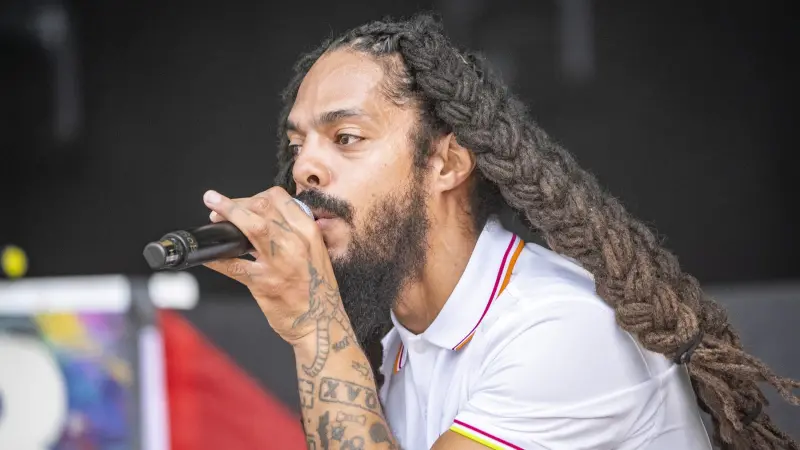
In a dramatic escalation of cultural and political tensions, the U.S. State Department has revoked the visas of British punk-rap duo Bob Vylan just days after their incendiary performance at the Glastonbury Festival. The move, announced Sunday by Deputy Secretary of State Christopher Landau, effectively derails the band’s planned autumn tour across America and has sent shockwaves through the music industry.
Bob Vylan – comprised of vocalist Bobby Vylan and drummer Bobbie Vylan – took the stage at Worthy Farm on June 28, 2025, and led the crowd in chants of “free Palestine” and “Death, death to the IDF [Israel Defense Forces].” The outburst, captured on video and widely circulated on social media, drew immediate condemnation from festival organizers, British police, and now the U.S. government.
A Controversial Set That Crossed a Line
Glastonbury has long been a platform for political statements, but organizers drew a firm line this year. Festival co-organizer Emily Eavis released a statement saying the chants “very much crossed a line” and that the festival is “urgently reminding everyone involved in the production of the Festival that there is no place at Glastonbury for antisemitism, hate speech, or incitement to violence.”
British police also announced a criminal investigation into the performance, citing potential violations of laws against inciting racial hatred. The probe adds a second legal layer to the band’s mounting troubles.
State Department’s Swift Response
Christopher Landau took to X (formerly Twitter) to announce the visa revocation, writing: “The @StateDept has revoked the US visas for the members of the Bob Vylan band in light of their hateful tirade at Glastonbury, including leading the crowd in death chants. Foreigners who glorify violence and hatred are not welcome visitors to our country.”
The decision effectively cancels a U.S. tour that was slated to begin this fall, with dates booked across major cities. The band’s booking agency, United Talent Agency (UTA), has reportedly dropped them from its roster, according to The Hollywood Reporter.
Bobby Vylan’s Defiant Response
In an Instagram post following the uproar, Bobby Vylan defended the group’s stance with a simple caption: “I said what I said.” He elaborated in a longer message, saying he had been “inundated with messages of both support and hatred.” He reflected on his daughter’s recent activism over school meals, writing that “teaching our children to speak up for the change they want and need is the only way that we make this world a better place.”
He urged fans to “let them see up marching in the streets, campaigning on ground level, organising online and shouting about it on any and every stage that we are offered.” The post underscores the duo’s longstanding commitment to political activism, which has been a core element of their identity since forming in 2019.
The Band’s Political Pedigree
Bob Vylan emerged from the London underground with a ferocious blend of punk, rap, and grime, driven by lyrics that tackle systemic racism, police brutality, and economic inequality. Their 2022 album We Live Here earned a Mercury Prize nomination, and the duo has built a reputation for unapologetically confrontational live shows. Previous performances have included calls for prison abolition and support for the Palestinian cause, but the Glastonbury moment marked a new level of directness that has now triggered severe repercussions.
The incident also echoes a similar controversy at this year’s festival. Irish hip-hop trio Kneecap, who performed just before Bob Vylan, also voiced pro-Palestinian sentiments. Kneecap’s MC Mo Charra was charged with a terror offense last year after allegedly displaying a Hezbollah flag onstage in London. The BBC notably chose not to livestream Kneecap’s Glastonbury set as originally planned.
Industry Implications and Free Speech Debates
The visa revocation raises urgent questions about the intersection of artistic expression, foreign policy, and immigration law. While the First Amendment protects free speech in the U.S., foreign nationals are subject to different standards – and the State Department has broad authority to deny entry based on “ideological exclusion” or “endorsement of terrorism.”
Legal experts note that the chants – while inflammatory – do not directly call for violence against specific individuals, making the legal threshold for incitement ambiguous. Nonetheless, the swift government action signals a hardening of U.S. policy toward performers who engage in anti-Israel rhetoric, especially in a festival setting with global visibility.
The move also puts pressure on music festivals and talent agencies to police onstage speech more closely. UTA’s decision to drop Bob Vylan could set a precedent for other agencies wary of political backlash. For artists, the message is clear: high-profile platforms come with heightened scrutiny, and crossing certain lines may carry career-ending consequences.
A Harsh Blow to a Rising Act
Bob Vylan was on the cusp of its biggest American exposure yet, with a fall tour that included stops at major venues in New York, Los Angeles, and Chicago. The visa revocation not only halts those dates but also threatens the band’s ability to release music and connect with U.S. fans. International touring remains a vital revenue stream for independent artists, and losing access to the world’s largest music market is a significant financial blow.
Bobby Vylan has not indicated whether the band will seek legal recourse, but the political climate suggests any appeal would face an uphill battle. Meanwhile, the band’s European tour dates appear unaffected, though the criminal investigation in the UK could further complicate matters.
What This Means for the Future
As the dust settles on one of Glastonbury’s most contentious performances, the music world is left to grapple with the limits of protest art in an era of heightened geopolitical sensitivity. Bob Vylan’s defiant stance may energize their core fanbase, but it has also isolated them from major industry gatekeepers. For artists who believe the stage is a platform for radical change, the cost of that belief has never been higher. The question now is whether other musicians will temper their politics or double down – and how many more visas will be revoked before the industry finds a new equilibrium.
Disclaimer - All celebrity-related content, information, and images on this website are based on publicly available online sources and AI-generated insights/data. Information such as biography, age, career, personal details, and images may change without notice over time. While we strive for accuracy, we do not guarantee the accuracy, completeness, reliability, or timeliness of any information or imagery displayed on this website. This content is provided for general informational purposes only.
Top Trending News of Music Events
 👁️ 217 views
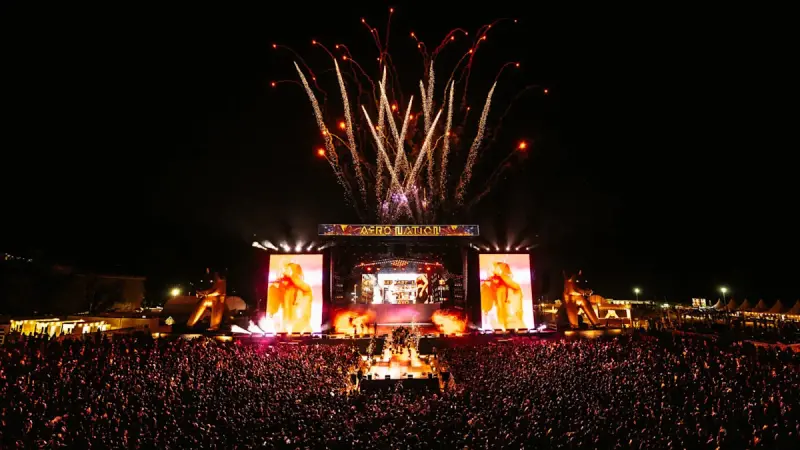
🔥 Afro Nation Portugal 2026: The Essential First-Timer’s Guide to the World’s Biggest Afrobeats Festival
Get the ultimate first-timer's guide to Afro Nation Portugal 2026 – the world's largest Afrobeats festival. Dates, tickets, travel tips, and what to expect in Portimão this July.
 👁️ 188 views
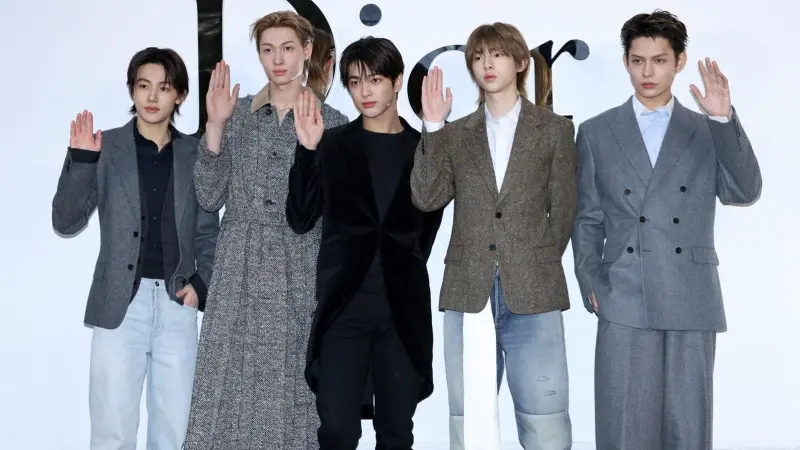
🔥 Golden Disc Awards 2026: Rookie Revolution as CORTIS, ALLDAY PROJECT, and Hearts2Hearts Redefine K-Pop's New Wave
Golden Disc Awards 2026 saw an unprecedented rookie sweep as CORTIS, ALLDAY PROJECT, Hearts2Hearts, izna, and KiiiKiii dominated major categories. Read our in-depth analysis of K-pop's new generation takeover and what it means for the industry.

Details
Send Us an Enquiry
We'll get back to you as soon as possible.
Thank You!
Your enquiry has been submitted. We'll be in touch shortly.