
UTA Drops Bob Vylan After Shocking ‘Death to the IDF’ Chant at Glastonbury — Agency Severs Ties Amid Firestorm
 Previous

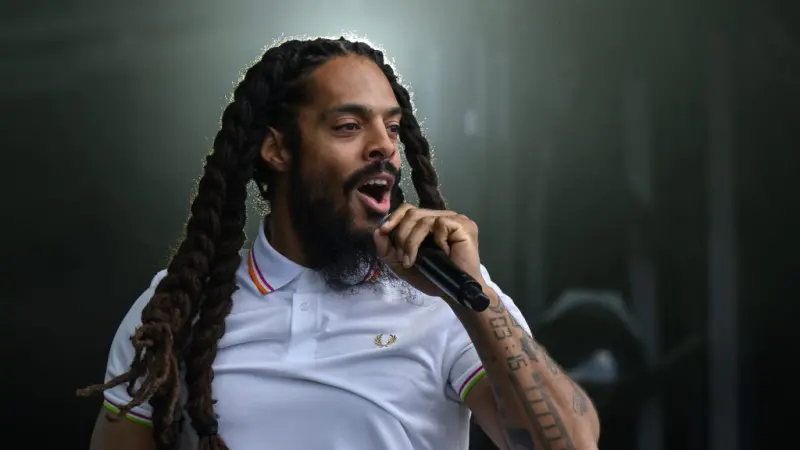
In a move that has sent shockwaves through the music and talent management industries, United Talent Agency (UTA) has swiftly dropped Bob Vylan, the incendiary punk duo whose Glastonbury set erupted into a firestorm of controversy over antisemitic chants and calls for violence. The decision, confirmed exclusively by insiders over the weekend, marks one of the fastest agency-client separations in recent memory — and underscores mounting pressure on the music business to take a firm stand against hate speech on live stages.
The Glastonbury Meltdown That Changed Everything
Bob Vylan — comprised of vocalist Bobby Vylan and drummer Bobbie Vylan — took the West Holts stage at the sprawling Somerset festival on Saturday, June 28, 2025, expecting to deliver their signature blend of aggressive punk and political provocation. Instead, they ignited a national scandal. During the set, which was streamed live on BBC iPlayer, Bobby Vylan repeatedly chanted “death to the IDF” and complained about working for a “f***ing Zionist.” He also led the crowd in the controversial slogan, “from the river to the sea, Palestine must be, will be, free.”
The BBC, already under scrutiny for its handling of other acts, faced immediate backlash. Prime Minister Keir Starmer publicly condemned the broadcaster for allowing the stream to air uninterrupted. The corporation later issued a rare mea culpa, stating it “regretted” not pulling the plug mid-performance. “The team were dealing with a live situation but with hindsight we should have pulled the stream,” the BBC said in a statement Tuesday, adding that “antisemitic sentiments expressed by Bob Vylan were utterly unacceptable and have no place on our airwaves.”
UTA’s Rapid Response: A Precedent for Talent Agencies
While UTA declined to comment officially, sources close to the agency confirmed that executives made the call over the weekend to sever ties after reviewing the full context of what was said on stage. The band’s page has been scrubbed from UTA’s website — a digital erasure that speaks volumes. Industry veterans note that this kind of swift distancing is rare, even amid controversy. UTA, which represents a wide range of musicians, actors, and writers, likely calculated that keeping Bob Vylan on the roster would pose unacceptable reputational risk at a time when corporate social responsibility is under a microscope.
The move also aligns UTA with Glastonbury organizers, who were quick to distance themselves. Festival co-organizer Emily Eavis released a scathing statement: “We are appalled by the statements made from the West Holts stage by Bob Vylan yesterday. Their chants very much crossed a line and we are urgently reminding everyone involved in the production of the festival that there is no place at Glastonbury for antisemitism, hate speech, or incitement to violence.”
Bob Vylan’s Defiant Response — and What It Means for Their Future
Rather than issue a retraction or apology, Bobby Vylan doubled down. In an Instagram post captioned “I said what I said,” he claimed his phone was “buzzing non-stop” with both support and hatred, and insisted that teaching children to campaign for the “right thing” was paramount. “Let them see us marching in the streets, campaigning on ground level, organising online and shouting about it on any and every stage that we are offered,” he wrote.
That defiant stance may complicate any future bookings. Major festivals and venues are now on notice: booking Bob Vylan could invite the same kind of firestorm. Concert promoters are likely to shy away, and the duo may find themselves relegated to underground spaces or self-produced tours. Meanwhile, the band had been riding a wave of critical acclaim — their 2024 album Humble as the Sun earned strong reviews — but that goodwill has evaporated overnight.
The Wider Industry Context: Free Speech vs. Incitement
The Bob Vylan affair is the latest flashpoint in a long-running debate about where the line between political speech and hate speech lies on festival stages. The BBC’s own internal protocols came under scrutiny after it emerged that the broadcaster had chosen not to live-stream the set of Irish hip-hop trio Kneecap, which played shortly after Bob Vylan on the same stage, over fears of hate speech. Yet it was Bob Vylan that ended up causing the far greater controversy. Some critics have called for BBC executives to be prosecuted for allowing the chants to air.
For talent agencies like UTA, the calculus is becoming increasingly complex. In an era of hyper-vigilant social media and brand-safety concerns, one misstep can demolish years of carefully curated reputation. Several major agencies have recently updated their client codes of conduct to include clauses about public statements and social media behavior. Industry insiders predict that UTA’s move will create a chilling effect, with other reps more aggressively policing their clients’ onstage rhetoric.
What This Means for Glastonbury’s Legacy
Glastonbury has long prided itself on being a platform for protest and political expression — from the punk era to the anti-war movement. But festival organizers now face a delicate balancing act. After the Bob Vylan incident, Eavis and her team are expected to tighten vetting procedures and possibly install real-time monitoring systems for live broadcasts. The festival’s reputation as a peaceful, inclusive gathering has been dented, though many attendees have expressed support for the rapid condemnation. The question remains: will other festivals follow suit, or will the free-speech argument win out?
Key Takeaways From the UTA-Bob Vylan Split
- Immediate fallout: UTA dropped the duo within 48 hours; the band’s page was removed from the agency’s website.
- BBC’s admission: The broadcaster regrets not cutting the live feed; faces continued pressure from government and advocacy groups.
- Bob Vylan’s stance: No apology; Instagram posts suggest the duo will not back down.
- Industry ripple effects: Talent agencies may now include stricter conduct clauses in artist contracts.
- Glastonbury’s response: Organizers vow to reinforce anti-hate speech policies for future events.
The Road Ahead: Can Bob Vylan Survive This?
History shows that artists accused of hate speech often face a long road back — if they return at all. While some have weathered the storm by apologizing and engaging in dialogue, Bob Vylan’s combative posture suggests a different path. Losing a major agency like UTA strips them of valuable booking connections, marketing support, and industry legitimacy. Their next move — whether to double down further or seek rehabilitation — will determine if they remain a footnote in punk history or stage a comeback. For now, the music industry watches closely, and the silence from major labels is deafening.
Disclaimer - All celebrity-related content, information, and images on this website are based on publicly available online sources and AI-generated insights/data. Information such as biography, age, career, personal details, and images may change without notice over time. While we strive for accuracy, we do not guarantee the accuracy, completeness, reliability, or timeliness of any information or imagery displayed on this website. This content is provided for general informational purposes only.
Top Trending News of Music Events
 👁️ 217 views
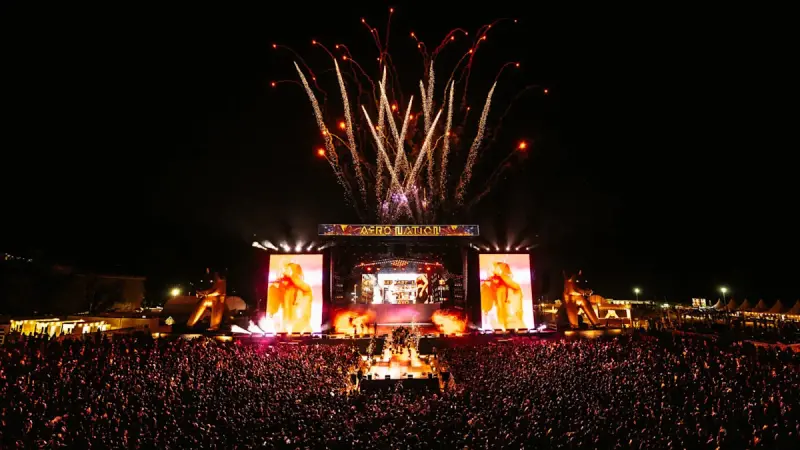
🔥 Afro Nation Portugal 2026: The Essential First-Timer’s Guide to the World’s Biggest Afrobeats Festival
Get the ultimate first-timer's guide to Afro Nation Portugal 2026 – the world's largest Afrobeats festival. Dates, tickets, travel tips, and what to expect in Portimão this July.
 👁️ 188 views
🔥 Golden Disc Awards 2026: Rookie Revolution as CORTIS, ALLDAY PROJECT, and Hearts2Hearts Redefine K-Pop's New Wave
Golden Disc Awards 2026 saw an unprecedented rookie sweep as CORTIS, ALLDAY PROJECT, Hearts2Hearts, izna, and KiiiKiii dominated major categories. Read our in-depth analysis of K-pop's new generation takeover and what it means for the industry.


Details
Send Us an Enquiry
We'll get back to you as soon as possible.
Thank You!
Your enquiry has been submitted. We'll be in touch shortly.