
Tomorrowland 2025 in Crisis: Massive Fire Engulfs Main Stage Days Before Opening
 Previous

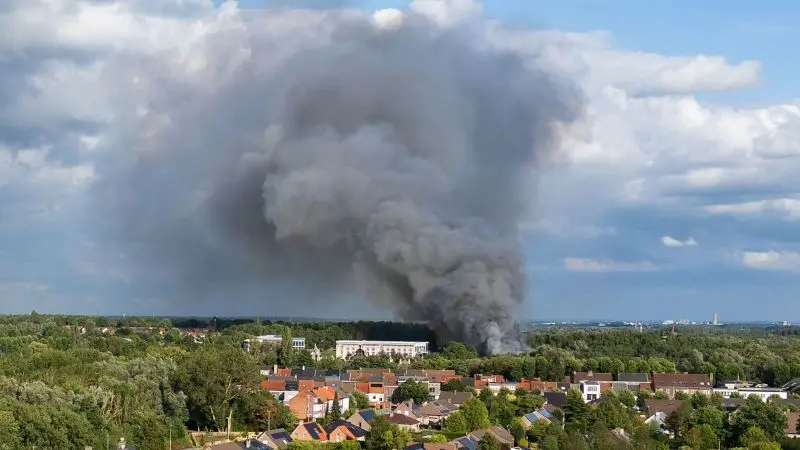
The electronic dance music world was rocked Wednesday evening as a catastrophic fire tore through the iconic main stage of Tomorrowland—Belgium’s legendary festival—just 48 hours before its gates were set to open. Plumes of thick smoke billowed over the De Schorre recreational area in Boom, visible for miles, as emergency crews rushed to contain the blaze. For hundreds of thousands of ticket holders already en route to the event, the question now is whether Tomorrowland’s 20th-anniversary edition can go on—or if a cultural phenomenon has been dealt a devastating blow.
Details remain fluid, but eyewitness accounts and official briefings paint a grim picture. The fire reportedly began in the early evening hours of July 16, 2025, near the base of the sprawling main stage structure—a massive, multi-tiered fantasy castle that had taken months to assemble. Flames spread with alarming speed through wooden scaffolding, LED screens, and intricate props, leaving behind a twisted skeleton of metal and ash. Firefighters from multiple surrounding municipalities worked through the night, finally declaring the blaze under control by 10 p.m. local time. No injuries have been reported, a miracle given the hundreds of workers often present during final construction phases.
Race Against the Clock: Can Tomorrowland Recover?
In an official statement released late Wednesday, Tomorrowland organizers confirmed that the main stage had been “severely damaged” and that an emergency meeting with local authorities, safety experts, and festival leadership was underway. “Our priority is the safety of our visitors, artists, and staff,” the statement read. “We are exhausting every possible option to ensure the festival can proceed, but we cannot yet confirm alternative plans.” The message struck a chord of cautious hope, but industry insiders warn that rebuilding a stage of this magnitude in two days is nearly impossible—even for a logistics powerhouse like Tomorrowland.
The festival has not ruled out scaling back the main stage or relocating key performances to smaller, secondary stages. Sources close to the production suggest that backup structures and modular stage elements may be flown in from warehouses in the Netherlands and Germany. But the spectacle Tomorrowland is famous for—the synchronized fireworks, the towering LED pillars, the kinetic storytelling built into the stage design—will likely be compromised. Fans on social media have already begun speculating about a “stripped-down, raw” edition, while others demand refunds should the main stage be absent.
Tomorrowland’s Storied Legacy: From Local Party to Global Empire
Tomorrowland is no ordinary festival. Since its inception in 2005, it has grown into the world’s most celebrated electronic dance music event, drawing over 400,000 attendees across two consecutive weekends. Its main stage is arguably the most photographed and anticipated structure in the festival ecosystem—a custom-built dreamscape that changes themes every year. Past stages have included enchanted forests, steampunk cities, and mythical underwater kingdoms. For 2025’s 20th anniversary, organizers had teased a “chrono-fantasy” theme paying homage to the festival’s history, with hidden references to every past edition woven into the design.
The fire is an unprecedented setback for an organization renowned for its meticulous planning and safety record. Though minor fires have occurred at other festivals around the world—most notably the 2017 fire at the Electric Daisy Carnival in Mexico—Tomorrowland has maintained a near-blemished reputation for two decades. This incident may force the industry to re-evaluate fire-safety protocols for massive temporary structures, especially as festivals increasingly rely on intricate sets made from flammable materials.
Financial Aftermath: Insurance, Tourism, and the Ripple Effect
The economic implications of the fire are staggering. Tomorrowland generates an estimated €100 million annually for the Belgian economy, with airlines, hotels, and local businesses banking on the influx of international visitors. The main stage alone is a multi-million-euro investment, typically insured for tens of millions. While most major festivals carry cancellation and property insurance, the fine print around partial loss—especially days before opening—can lead to prolonged legal battles. Organizers may also face pressure to compensate ticket holders if the festival experience is significantly downgraded.
Local officials in Boom are already working on contingency plans to accommodate disappointed attendees. “We will do everything to minimize the economic blow,” said a spokesperson for the municipality. “Tomorrowland is part of our identity. We are not giving up yet.” Meanwhile, hotel booking sites show a sudden spike in cancellations, and some after-parties have announced they will proceed regardless of the main stage’s status.
#TomorrowlandStrong: Fans Rally Amid Uncertainty
Within minutes of the fire being reported, the hashtag #TomorrowlandStrong began trending on X and Instagram. Fans from over 190 countries—the festival’s typical reach—shared memories of past editions and offered support to the 2,000+ staff and crew who have worked for months preparing the grounds. “We came from Brazil to celebrate our first Tomorrowland. I’m heartbroken but still hopeful,” wrote user @EDMJourney. “The magic isn’t just the stage; it’s the people. We’ll dance no matter what.” That sentiment echoes widely. Yet disappointment is palpable, especially among VIP ticket holders who paid upwards of €2,500 for premium viewing areas now likely gone.
Artists scheduled to headline—including Martin Garrix, Armin van Buuren, and Charlotte de Witte—have remained publicly silent as they await directives from the festival. However, several DJs have privately told industry sources they are willing to perform even on flatbed trucks if necessary. The show, it seems, will go on in some form—though the scale of the spectacle remains in limbo.
Looking Ahead: A Defining Moment for Festival Culture
As dawn breaks over the charred remains of the main stage, the festival team faces an agonizing decision: postpone the opening, present a radically altered edition, or cancel outright. Each choice carries heavy reputational and financial consequences. But if history has taught the live-event industry anything, it’s that the most memorable editions often arise from adversity. Woodstock 1969 weathered a storm. Coachella 2020 pivoted to digital. Tomorrowland’s 2025 edition may well be remembered not for its fire, but for its resilience—a testament to the unbreakable spirit of a global community that thrives on music, unity, and the belief that the show, one way or another, must go on.
Disclaimer - All celebrity-related content, information, and images on this website are based on publicly available online sources and AI-generated insights/data. Information such as biography, age, career, personal details, and images may change without notice over time. While we strive for accuracy, we do not guarantee the accuracy, completeness, reliability, or timeliness of any information or imagery displayed on this website. This content is provided for general informational purposes only.
Top Trending News of Music Events
 👁️ 182 views
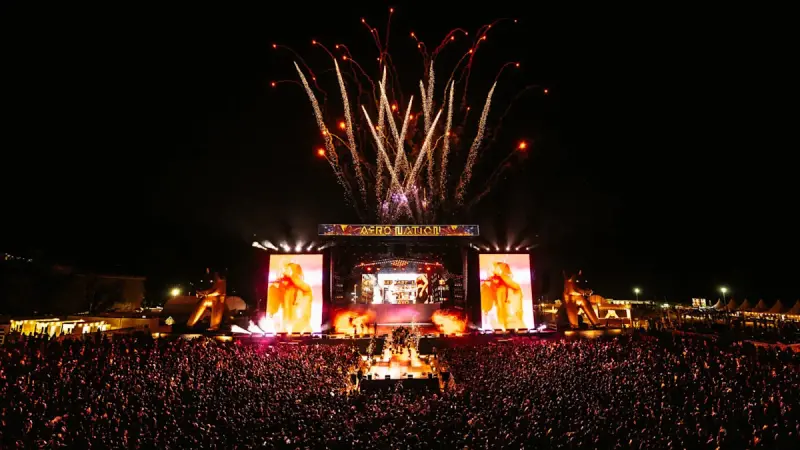
🔥 Afro Nation Portugal 2026: The Essential First-Timer’s Guide to the World’s Biggest Afrobeats Festival
Get the ultimate first-timer's guide to Afro Nation Portugal 2026 – the world's largest Afrobeats festival. Dates, tickets, travel tips, and what to expect in Portimão this July.
 👁️ 149 views
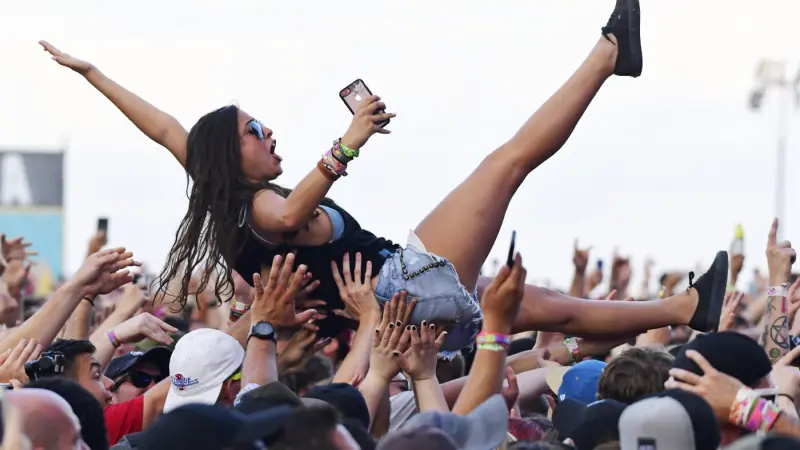
🔥 The Great Festival Cancellation of 2024: Why So Many Music Events Are Biting the Dust
Discover why over 60 music festivals canceled in 2024 alone—from rising costs and streaming algorithms to Gen Z's changing habits. Inside the festival recession.








Details
Send Us an Enquiry
We'll get back to you as soon as possible.
Thank You!
Your enquiry has been submitted. We'll be in touch shortly.