
Ultra Music Festival Grounded by Severe Weather: Lightning Storm Forces Early Shutdown on Day One
 Previous

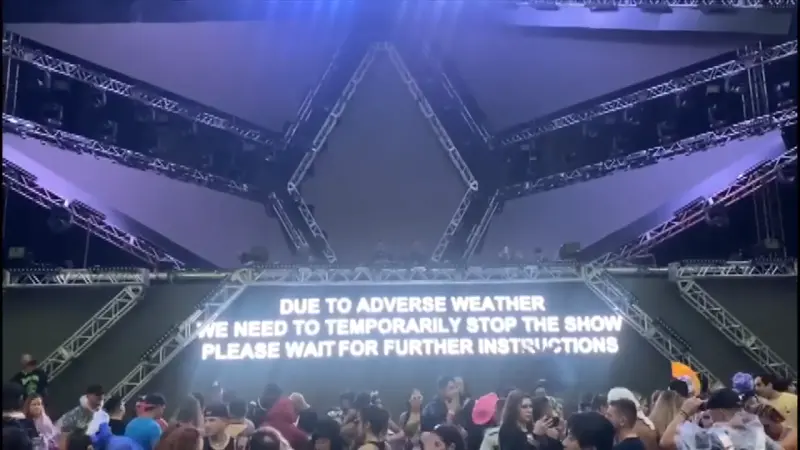
The bass may have been thumping, but Mother Nature had the final word. Ultra Music Festival, the globally renowned electronic dance music spectacle that transforms Miami's Bayfront Park into a neon-drenched cathedral of sound, was forced to pull the plug on its opening night Friday after a severe weather system swept through the region. Just hours after gates swung open at 3:30 p.m., organizers issued an urgent social media alert instructing tens of thousands of attendees to “calmly leave the park now” as lightning and hazardous winds descended on the downtown waterfront venue.
Storm Clouds Gather Over Bayfront Park
Friday's shutdown was a stark reminder that even the most meticulously planned festivals remain at the mercy of the elements. Dark skies and intermittent rain had already greeted early arrivals, with many donning ponchos and raincoats as they queued for entry. By early evening, the National Weather Service had issued warnings for severe thunderstorms capable of producing frequent lightning and gusts exceeding 50 mph. The festival’s safety team—coordinated with Miami-Dade emergency management—made the call to suspend operations before conditions grew more perilous.
Ultra’s decision mirrors a growing industry trend: erring on the side of caution whenever lightning is detected within a 10-mile radius. Major festivals like Coachella, Lollapalooza, and Tomorrowland have all faced similar interruptions, but few carry the same geographic vulnerability as Ultra, which sits on an exposed peninsula notorious for sudden tropical squalls.
Festivalgoers Defy the Downpour—At First
Before the shutdown, the mood was defiantly electric. Footage captured by local media showed revelers dancing in the rain, their vibrant festival gear soaked but spirits unbroken. “It’s like dead pouring out here, and it’s gonna get way worse, but we do not care, baby. It’s Ultra, Day One. Let’s go,” said Gio Shultz, a Canadian visitor who had flown in specifically for the event. Others echoed the sentiment. “First time in Miami, first time in Ultra Festival. Fantastic,” said Alejandro Valley, who had traveled from Italy.
While the rain was tolerable, the logistics of an outdoor event in wet conditions added layers of complexity. Muddy pathways, slippery stage decks, and the risk of electrical hazards from sound and lighting rigs all factored into the calculus. Organizers had set up poncho stands, but the real test came after dark, when the storm intensified and visibility shrank.
A Lightning-Triggered Evacuation
At approximately 8:15 p.m., Ultra’s official social media channels posted a stark message: “Due to lightning in the area, Ultra Music Festival is shut down for tonight. Please calmly exit the park. We will provide updates on Saturday’s schedule.” The announcement ignited a wave of disappointed sighs across social media, yet most attendees complied without incident. Miami Police and festival security guided the crowd toward exits, rerouting traffic to avoid gridlock on Biscayne Boulevard.
“It’s pretty sad. We came out all the way from California. It started out OK, but then the rain got heavy towards the end,” said one festivalgoer as he trudged toward the parking garage. Another added, “Upset is not the right word, just kinda sucks, but it is OK, because it will be out here tomorrow.” The resilience of the crowd was palpable—a testament to Ultra’s loyal fanbase, which has weathered everything from heat waves to the occasional hurricane scare in its 25-year history.
Safety First: The Industry’s Delicate Dance with Weather
Ultra’s shutdown is far from an isolated incident. In 2023, the festival faced similar delays due to a tropical disturbance, and in 2019, a lightning strike near the venue led to a temporary evacuation. The broader electronic music festival industry has been grappling with climate volatility, forcing organizers to invest in real-time weather monitoring systems, on-site meteorologists, and robust communication protocols. According to event safety consultant Mark Cohen, “A festival like Ultra is a sprawling outdoor city with tens of thousands of people. A single lightning strike can be catastrophic, so the immediate pause is non-negotiable, even if it means losing a night of revenue.”
The financial stakes are enormous. Ultra generates an estimated $79 million annually for Miami’s economy, drawing over 165,000 attendees across the weekend. An early shutdown on day one could cost hundreds of thousands in refunds, vendor losses, and overtime security—but the cost of inaction could be unthinkable.
What Ultra’s Shutdown Means for the Weekend Ahead
Saturday and Sunday remain on the schedule, assuming the weather cooperates. The forecast shows a marginal improvement, with scattered showers possible but a reduced risk of severe storms. Ultra organizers have pledged to provide updates by Saturday morning, and ride-share services have been encouraged to mitigate lingering traffic delays. For fans who missed Friday’s headliners—rumored to include major acts like David Guetta and Calvin Harris—the question is whether they will have their sets rescheduled or if the lineup will be compressed.
Historically, Ultra has managed to recover from weather interruptions. In 2018, when a tropical storm threatened the weekend, the festival moved up start times and extended hours to maintain the full schedule. However, Friday’s shutdown is particularly challenging because it represents the entire first day, a prime slot for marquee acts and VIP gatherings. The festival’s insurance policy likely covers weather-related cancellations, but the intangible vibe—the euphoria of an opening night—cannot be insured.
Lessons from Ultra’s Stormy History
Ultra Music Festival was founded in 1999 by Russell Faibisch and Alex Omes, growing from a one-day beach party to a global brand with editions in 20 countries. Its longevity is partly due to its adaptability. The festival has survived venue changes, noise complaints, and even a brief relocation to Virginia Key after a permit dispute. Yet weather remains its most unpredictable adversary. In 2016, a lightning-related evacuation during the Sunday finale cut the event short by two hours, sparking fan outrage and a class-action lawsuit over ticket refunds. Since then, the festival has refined its emergency response, including a dedicated “weather command center” with real-time radar feeds.
This year’s interruption also highlights a growing tension between the festival’s “rain or shine” policy and the reality of climate change. As hurricanes become more intense and precipitation patterns shift, outdoor events may need to rethink their schedules—perhaps moving to spring or fall dates with historically lower storm risk, or building covered stages that can withstand severe weather.
The Resilience of the Rave Community
For now, the Ultra faithful are taking the disruption in stride. Social media is flooded with memes, stories of impromptu after-parties at nearby hotels, and hopeful posts about Saturday’s redemption. “If you aren’t here, you gotta be here. Let’s go!” one reveler shouted before the shutdown. That defiant spirit is the heart of Ultra. The festival has always been more than a concert—it’s a pilgrimage for electronic music lovers, a place where thousands can lose themselves in the bass and the lights.
Looking ahead, Ultra’s ability to bounce back from this setback will depend on clear communication, swift logistics, and a bit of luck with the Miami sky. The organizers have already announced that all Friday ticket holders will receive priority access for future events, a gesture that could help mend bruised expectations. As the storm clears and the stages are re-dried, the show must—and will—go on. After all, in the world of electronic dance music, the beat always finds a way to restart.
Disclaimer - All celebrity-related content, information, and images on this website are based on publicly available online sources and AI-generated insights/data. Information such as biography, age, career, personal details, and images may change without notice over time. While we strive for accuracy, we do not guarantee the accuracy, completeness, reliability, or timeliness of any information or imagery displayed on this website. This content is provided for general informational purposes only.
Top Trending News of Music Events
 👁️ 182 views
🔥 Afro Nation Portugal 2026: The Essential First-Timer’s Guide to the World’s Biggest Afrobeats Festival
Get the ultimate first-timer's guide to Afro Nation Portugal 2026 – the world's largest Afrobeats festival. Dates, tickets, travel tips, and what to expect in Portimão this July.
 👁️ 148 views
🔥 The Great Festival Cancellation of 2024: Why So Many Music Events Are Biting the Dust
Discover why over 60 music festivals canceled in 2024 alone—from rising costs and streaming algorithms to Gen Z's changing habits. Inside the festival recession.










Details
Send Us an Enquiry
We'll get back to you as soon as possible.
Thank You!
Your enquiry has been submitted. We'll be in touch shortly.