
Why Africa’s Global Music Boom Still Leaves Countless Sounds Unheard
 Previous

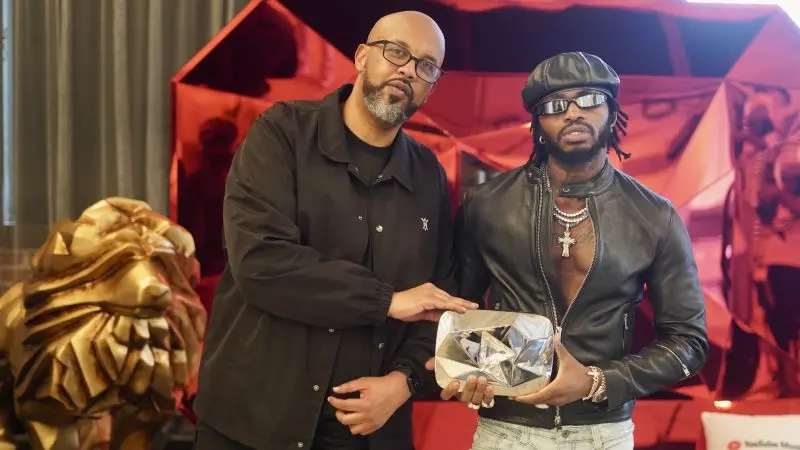
When the world talks about African music's explosive rise, it's easy to picture a continent brimming with rhythm and ready for its global close-up. But according to Tuma Basa, the recently departed director of Black music and culture at YouTube, the reality is far more uneven. While genres like Afrobeats and Amapiano have indeed crossed borders, the representation is heavily skewed toward just a handful of nations—leaving vast musical landscapes, from Angola's Kizomba to Rwanda's KinyaTrap, still waiting in the wings.
The Two Titans of the Boom
Nigeria and South Africa are the undisputed powerhouses driving the current wave. Their English-language advantage, coupled with massive diaspora communities, has made them the de facto ambassadors of African sound. “Firstly, they are all English-speaking and right now that still makes a difference in terms of international acceptance of music,” Basa explains, pointing to the dominance of Nigeria, South Africa, and Ghana. The numbers back him up: artists like Burna Boy, Wizkid, and Tyla routinely rack up hundreds of millions of streams. Yet this concentration creates a paradox—the louder these voices become, the more they can drown out the continent's other 50-plus nations.
Diaspora as a Cultural Jet Engine
The role of diaspora communities cannot be overstated. “Strong diasporas of Nigeria and Ghana are key in getting this music popular,” Basa notes. Events like Ghana’s “Year of Return” and Nigeria’s “Detty December” have lured African American and Black British visitors, who then carry the music home. South Africa, lacking a comparably large diaspora, compensates through viral dance challenges that spread like wildfire on TikTok and Instagram. Still, these successes are often confined to the same few countries, while Francophone and Lusophone regions remain largely invisible on global charts.
Infrastructure: The Invisible Barrier
Basa insists that talent is not the issue—infrastructure is. Many African markets lack robust licensing systems, royalty collection mechanisms, and distribution pipelines. “If music isn’t available on platforms, can it ever truly be discovered?” he asks. The result is a vicious cycle: without proper publishing data or rights enforcement, artists from smaller markets cannot even get their music onto major streaming services. Meanwhile, the economics of streaming favor listeners in wealthier regions. “The difference in payouts isn’t necessarily because of the artist’s nationality,” Basa explains. “It’s because of where the audience is located.” Streams from the U.S. or UK generate far more revenue than those from developing economies.
Algorithms That Sing to the Choir
Even as technology lowers barriers to entry, algorithms can reinforce existing biases. “Many are so hyper-personalized that they’re singing to the choir,” Basa warns. Recommendation engines tend to feed listeners more of what they already like, making it harder for niche African genres to break through. Yet he remains optimistic: human curation still matters. “Local knowledge is crucial,” he says, because decision-makers outside Africa often misunderstand or overlook entire movements. Without Africa-based curators and executives in key rooms, regions like East Africa's Bongo Flava or Southern Africa's 3 Step remain sidelined.
The Unheard Continents Within a Continent
Genres that thrive in Portuguese-speaking Angola or French-speaking Senegal rarely get the same global push as English-language Afrobeats. “Even language-wise, it doesn’t feel like the musical movements coming from Francophone and Lusophone countries are part of the same movement,” Basa observes. Kizomba, Morna, and emerging styles like Rwanda’s KinyaTrap blend hip-hop with local storytelling but lack the institutional support to cross over. Basa calls for collaboration as a form of infrastructure: “If all the artists are on the same page, collaboration becomes a movement, not just a one-off hit.”
AI: A Double-Edged Sword
Generative AI is already reshaping the industry, and Basa sees both promise and peril. “The train has left the station,” he says, noting that artists use AI for translation, background vocals, and even songwriting—often without disclosure. For African artists, AI could break language barriers, allowing a Korean artist to release a Swahili version of a song using their own voice. But there are dangers: “There are going to be some unintended negative byproducts,” Basa warns, from copyright disputes to the devaluation of human creativity. The ethical boundaries, he believes, will be drawn by audiences, artists, and industry leaders together.
The Road Ahead
Africa’s global music moment is real, but it is still incomplete. As Basa steps away from YouTube, his message is clear: the next phase depends on building sustainable infrastructure, controlling narratives, and expanding beyond the handful of genres the world already recognizes. “Collaboration is infrastructure,” he reiterates. Until Francophone rhythms, Lusophone ballads, and East African grooves get the same structural support as their English-speaking counterparts, the continent’s true musical wealth will remain a well-kept secret—waiting for the world to finally turn up the volume on every channel, not just the loudest ones.
Disclaimer - All celebrity-related content, information, and images on this website are based on publicly available online sources and AI-generated insights/data. Information such as biography, age, career, personal details, and images may change without notice over time. While we strive for accuracy, we do not guarantee the accuracy, completeness, reliability, or timeliness of any information or imagery displayed on this website. This content is provided for general informational purposes only.
Top Trending News of Music Events
 👁️ 182 views
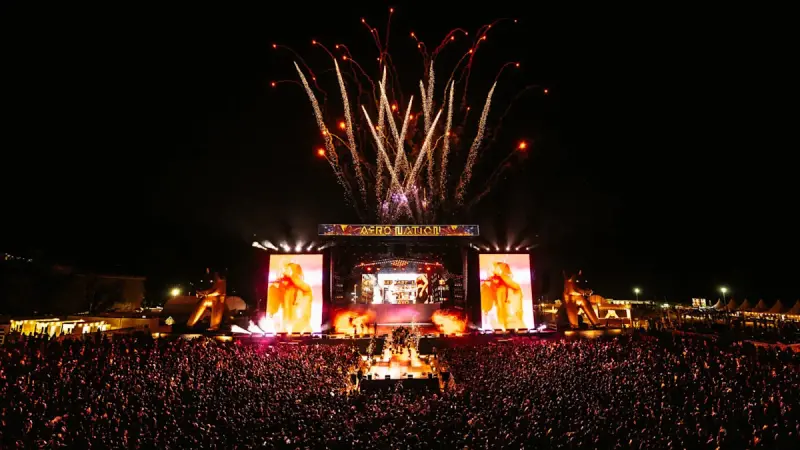
🔥 Afro Nation Portugal 2026: The Essential First-Timer’s Guide to the World’s Biggest Afrobeats Festival
Get the ultimate first-timer's guide to Afro Nation Portugal 2026 – the world's largest Afrobeats festival. Dates, tickets, travel tips, and what to expect in Portimão this July.
 👁️ 149 views
🔥 The Great Festival Cancellation of 2024: Why So Many Music Events Are Biting the Dust
Discover why over 60 music festivals canceled in 2024 alone—from rising costs and streaming algorithms to Gen Z's changing habits. Inside the festival recession.









Details
Send Us an Enquiry
We'll get back to you as soon as possible.
Thank You!
Your enquiry has been submitted. We'll be in touch shortly.