
Netflix’s ‘The Ribbon Hero’ Reimagines Osamu Tezuka’s ‘Princess Knight’ as a Courage-Fueled Anime Epic
 Previous

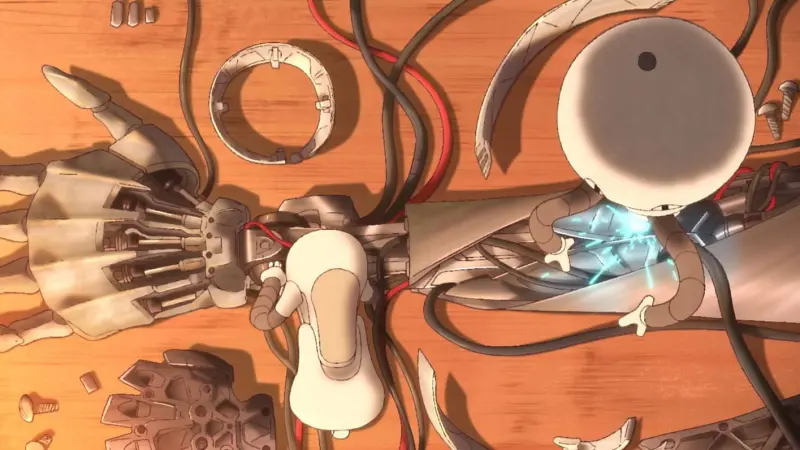

Netflix is set to deliver a bold reimagining of a foundational shōjo classic with The Ribbon Hero, an animated feature that updates Osamu Tezuka’s groundbreaking manga Princess Knight for a new generation. Directed by Yuki Igarashi—best known for his work on Star Wars: Visions—the film aims to inspire courage in the face of adversity, tapping into the same rebellious spirit that made Tezuka’s original a genre-defining triumph. Scheduled for an August 2026 release, the project is already generating buzz for its fresh take on a story that paved the way for everything from The Rose of Versailles to Revolutionary Girl Utena.
At the heart of The Ribbon Hero is Sapphire, a young girl raised as a prince to safeguard her kingdom’s future. Tezuka’s original narrative—daring for its time—explored gender identity through cross-dressing long before the trope became staple in anime. Igarashi’s adaptation promises to deepen that exploration, reframing Sapphire as a lone hero battling a harsh destiny. The film’s subtitle, “a lone hero’s attempt to overcome their harsh destiny,” hints at a story that prizes resilience over simple fantasy escapism.
A Legacy of Courage: How ‘Princess Knight’ Changed Shōjo Forever
Osamu Tezuka’s influence on manga is immeasurable, with Astro Boy, Phoenix, and Dororo standing as monuments to his genius. Yet Princess Knight holds a special place in the canon. Published between 1953 and 1956, it is widely credited as one of the first shōjo manga to feature a proactive, sword-wielding female protagonist. The series directly inspired the Takarazuka Revue’s all-female theater traditions, and its DNA can be seen in later magical-girl icons like Sailor Moon and PreCure. By adapting this seminal work, Netflix is not just producing another anime—it is paying homage to the roots of feminist storytelling in Japanese pop culture.
Igarashi embraces this legacy wholeheartedly. In a recent interview with Polygon, he explained that Princess Knight “made a tremendous contribution to the genre of shōjo manga… its greatest appeal lies in its iconic characters and its portrayal of a free-spirited, energetic female hero.” That energy, he argues, is precisely what audiences need today. “Whether someone can overcome adversity depends a great deal on their individual qualities… I aimed to create a story that gives people the courage to face adversity head-on.”
Reimagining Sapphire: From Cross-Dressing to Coolness
Updating a 70-year-old story requires more than a fresh coat of paint. Igarashi has assembled a powerhouse creative team to modernize Princess Knight while respecting its core. Character designers Kei Mochizuki (Fate/Grand Order, Touken Ranbu) and Mai Yoneyama (Cyberpunk: Edgerunners, Lazarus) are redefining Sapphire’s visual identity. “In depicting Sapphire this time, I wanted to portray ‘beauty’ not as ‘cuteness,’ but as ‘coolness,’” Igarashi noted. “That’s why I approached Ms. Mochizuki and Ms. Yoneyama… I see their work as representing the very forefront of ‘beauty’ as it has been expanded and redefined by women creators over the past half-century.”
This shift from “cute” to “cool” is a deliberate narrative choice. Sapphire’s original disguise—a prince’s attire—allowed her to navigate a patriarchal kingdom, but the new film will likely explore her identity beyond mere disguise. The fusion of Mochizuki’s elegant lines and Yoneyama’s dynamic, cyberpunk-influenced energy promises a visual style that feels both timeless and cutting-edge.
The Tokusatsu Connection: How Live-Action Heroes Shaped ‘The Ribbon Hero’
Igarashi also draws a direct line from Princess Knight to the magical-girl genre—and beyond. “Since Princess Knight, the genre of ‘girls who fight’ has developed in Japan… it has had a particular influence on magical girl series such as Pretty Guardian Sailor Moon and the PreCure franchise.” He adds that the magical-girl genre is “deeply connected to tokusatsu heroes,” referencing the special-effects-laden live-action shows like Kamen Rider and Super Sentai.
Tokusatsu’s influence on The Ribbon Hero is not merely conceptual. Igarashi’s studio, Outline, is known for blending 2D animation with dynamic camera work that mimics live-action choreography. Expect fight sequences that feel both fluid and grounded, with Sapphire’s acrobatic moves evoking the physicality of tokusatsu stunt work. This fusion of genres—historical shōjo, magical girl, and tokusatsu— positions The Ribbon Hero as a unique hybrid that could appeal to fans across multiple demographics.
Behind the Scenes: Yuki Igarashi’s Vision and Tezuka’s Shadows
Igarashi’s love for Tezuka’s work runs deep. When asked for a favorite classic, he singled out the “Nostalgia” arc of Phoenix, along with The Tree in the Sunlight and the early Ambassador Atom (a precursor to Astro Boy). This reverence informs every frame of The Ribbon Hero. Yet the director is not content to simply replicate; he aims to evolve. His experience on Star Wars: Visions—specifically the short “Lop & Ochō”—taught him how to merge cultural specificity with global appeal.
“Working on Star Wars: Visions was an absolute joy,” Igarashi recalled. “If I ever get the chance to do more, I’m ready anytime, haha. I’d love to create a story about a Rebel team made up entirely of ‘outcasts’ from non-human species (including Lop, of course), traveling together through the frontier regions.” That sensibility—championing outsiders and misfits—resonates strongly with The Ribbon Hero’s central theme of turning adversity into strength.
Why This Matters: The Industry Impact of a Modern ‘Princess Knight’
Netflix’s investment in classic IP adaptation signals a broader trend: streaming platforms are mining anime history for untapped gold. Princess Knight has long been considered a challenging property due to its dated gender politics and episodic structure. By hiring a director who respects the source while possessing a clear modern vision, Netflix is betting that audiences crave stories that feel both nostalgic and fresh.
For fans of shōjo and magical-girl anime, The Ribbon Hero represents a homecoming. For newcomers, it offers an entry point into a genre that has shaped global pop culture. The film’s August 2026 release window—over a year from now—suggests a deliberate rollout, likely tied to festival premieres or a marketing campaign emphasizing its pedigree.
If Igarashi’s vision holds true, The Ribbon Hero will not only honor Tezuka’s legacy but also expand it. Sapphire’s journey from a kingdom-saving prince to a symbol of universal courage could become a beacon for anyone facing their own harsh destiny—a ribbon-wrapped reminder that true heroism wears many faces.
Disclaimer - All celebrity-related content, information, and images on this website are based on publicly available online sources and AI-generated insights/data. Information such as biography, age, career, personal details, and images may change without notice over time. While we strive for accuracy, we do not guarantee the accuracy, completeness, reliability, or timeliness of any information or imagery displayed on this website. This content is provided for general informational purposes only.

Top Trending News of Netflix
 👁️ 524 views
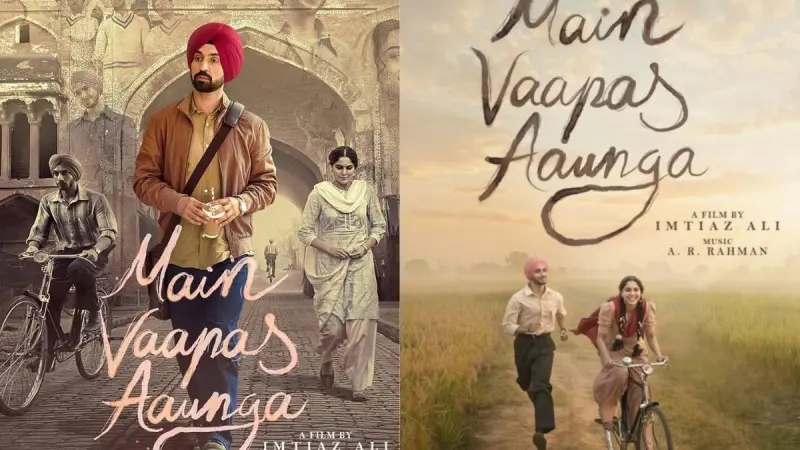
🔥 ‘Main Vaapas Aaunga’ OTT Home Revealed: Diljit Dosanjh, Vedang Raina & Sharvari’s Partition Love Story Heads to Netflix After Theatrical Run
Imtiaz Ali's Main Vaapas Aaunga starring Diljit Dosanjh, Vedang Raina, and Sharvari heads to Netflix after June 12 theatrical release. Get OTT details, Ektaa Kapoor's review, and why this Partition love story is Bollywood's most anticipated film of 2026.
 👁️ 290 views
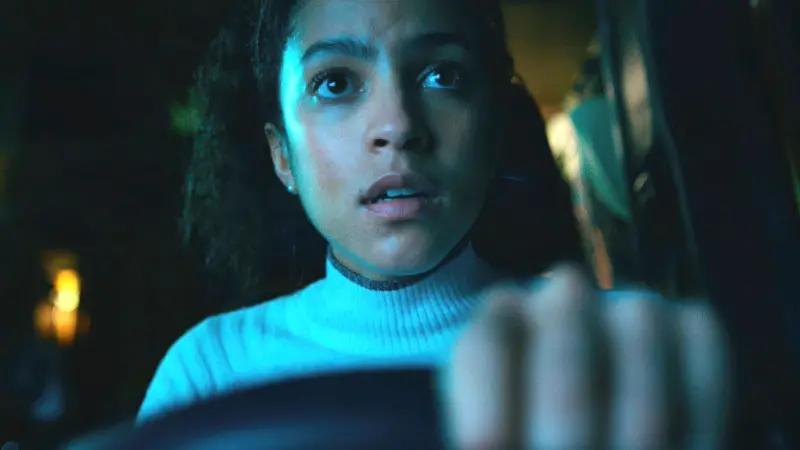
🔥 ‘Passenger’ (2026) Horror Movie: Streaming Release Date, Theatrical Run, and Where to Watch the Supernatural Thriller
Is the 2026 horror movie 'Passenger' streaming on Netflix or Amazon Prime? Directed by André Øvredal, this supernatural thriller stars Jacob Scipio and Lou Llobell. Find out where to watch, digital release date, and Paramount+ streaming plans.












Details
Send Us an Enquiry
We'll get back to you as soon as possible.
Thank You!
Your enquiry has been submitted. We'll be in touch shortly.