
‘One Piece’ Anime Remake Sets Sail With Just Seven Episodes: Wit Studio’s Radical Condensation of the Grand Line
 Previous

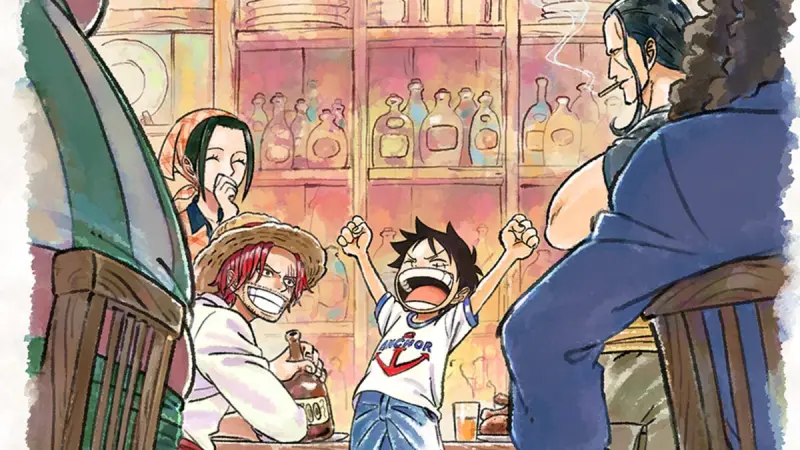

In a move that has sent shockwaves through the anime community, Netflix and Wit Studio have officially confirmed that The One Piece—the long-anticipated re-adaptation of Eiichiro Oda’s seafaring epic—will premiere with a mere seven episodes. Yes, you read that correctly: seven. Dropping all at once in February 2027, this ambitious project aims to retell the first 50 manga chapters (covering the East Blue Saga up to the moment Luffy and crew finally meet Sanji) in roughly 300 minutes of screen time. That’s a far cry from the 60-episode stretch Toei Animation needed back in the day, but it’s a deliberate, high-stakes gamble on narrative efficiency.
A Drastic Departure From One Piece’s Legacy
To understand why seven episodes feel almost scandalously short, you have to appreciate the sheer scale of the One Piece anime that has run for over 1,000 episodes since 1999. Toei’s adaptation, while beloved, became notorious for its glacial pacing, filler arcs, and bloated episode counts designed to keep the anime from outpacing the manga. For years, fans have joked that catching up on One Piece is a life-altering commitment. Now, Wit Studio—the powerhouse behind Attack on Titan season 1, Vinland Saga, and Spy × Family—is essentially declaring that less can be more.
Netflix’s announcement on May 5, 2026, confirmed that all seven episodes will drop simultaneously on the streaming giant, a rare full-season dump for an anime original production. Each episode will run approximately 42–43 minutes, giving the remake a total runtime comparable to a typical film trilogy. But when you consider that the live-action One Piece adaptation also covered the East Blue Saga in eight hour-long episodes, the animation remake is not drastically shorter in total minutes—it’s just far more concentrated than its predecessor.
Why Seven Episodes? The Strategy Behind the Trim
Wit Studio’s decision to condense the first major arc into a tight package reflects a broader industry trend: streaming-era audiences have little patience for slow-burn pacing. The original Toei anime padded the East Blue Saga with extended reaction shots, filler fights, and stand-alone episodes that stretched character introductions. The remake will instead strip away all extraneous material, focusing on the core plot beats: Luffy’s dream, the recruitment of Zoro, Nami’s betrayal, Usopp’s village, and the dramatic showdown with the fish-man Arlong that finally brings Sanji into the crew.
For fans who have re-read the manga dozens of times, this streamlined approach may feel like a breath of fresh sea air. But for purists who cherish every single moment of Oda’s world-building, it could be a jarring ride. The official social media account for The One Piece emphasized that the 50-chapter adaptation ends precisely when the Straw Hats welcome their cook—a natural breaking point that closes the first major saga without leaving viewers on an unbearable cliffhanger.
Wit Studio’s Reputation: A Promise of Quality Over Quantity
If any studio could pull off a hyper-condensed adaptation without losing emotional depth, it’s Wit. Known for their fluid animation, atmospheric direction, and ability to pack gut-punching emotion into brief sequences, Wit Studio has already proven with Attack on Titan and Ranking of Kings that they can handle sprawling narratives without wasting a single frame. The challenge here is different: respecting Oda’s intricate character work while trimming the fat that Toei added over decades.
Early production stills show a stunningly vibrant East Blue, with Luffy’s signature grin rendered in crisp, almost cinematic detail. The character designs appear faithful to Oda’s early art style, yet polished with modern animation techniques. Netflix has also confirmed that the original Japanese voice cast will return, ensuring continuity for longtime fans. The studio is clearly aiming to honor the source material while offering a new entry point for viewers who were intimidated by the original show’s daunting episode count.
Industry Implications: The Rise of the ‘Remake Economy’
This compact revival is part of a larger wave of anime remakes that seek to reclaim classic properties for a new generation. Fullmetal Alchemist: Brotherhood famously rebooted the series to follow the manga more faithfully. More recently, Urusei Yatsura and Ranma 1/2 received modernized adaptations that condensed arcs into tighter seasons. The One Piece may be the most audacious yet, not just because of the franchise’s gargantuan popularity, but because the original anime is still airing new episodes. Netflix has explicitly stated that the old anime will continue alongside the remake—a rare dual-stream approach that could confuse or delight audiences.
From a business perspective, seven episodes is a low-risk test balloon. If the remake resonates, Netflix can greenlight a second batch covering the next saga (perhaps the Alabasta or the Skypiea arc). If it fails to capture hearts, the platform can pivot without losing a massive investment. This episodic mini-series model also aligns with Netflix’s recent strategy for anime projects like Cyberpunk: Edgerunners and Scott Pilgrim Takes Off, which packaged complete stories in a handful of episodes.
What Fans Can Expect: Bullet Points of the Remake’s Details
- Episodes: 7 total, all dropping February 2027 exclusively on Netflix
- Runtime: ~300 minutes (avg. 42–43 minutes per episode)
- Arc Covered: East Blue Saga (first 50 chapters of the manga up to Sanji’s joining)
- Studio: Wit Studio (known for Attack on Titan, Vinland Saga)
- Cast: Original Japanese voice actors reprising roles
- Availability: Global simultaneous release on Netflix
The Road Ahead: Will Less Really Be More?
The biggest question looming over The One Piece is whether the remake can preserve the series’ emotional weight while accelerating the plot. Oda’s storytelling thrives on slow-burn relationships—the way Luffy slowly earns each crewmate’s trust over multiple chapters. Condensing that into seven episodes risks feeling rushed, but it also has the potential to deliver a more addictive, binge-worthy experience reminiscent of high-octane anime movies.
Initial fan reactions have been mixed. Some are thrilled about a more accessible entry point for newcomers. Others worry that cutting the East Blue Saga to seven episodes will miss the quirky, slice-of-life moments that made the original so endearing—like Zoro’s duel with the bounty hunter or Nami’s heartbreaking backstory with Bellemère. Wit Studio has not yet revealed which specific chapters will be cut or altered, but their track record suggests a respectful, if brisk, adaptation.
As February 2027 approaches, the anime world will be watching closely. If Wit Studio succeeds, they will have proven that a beloved 1,100-chapter manga can be distilled into concentrated doses of pure adventure without losing its soul. If they stumble, it will serve as a cautionary tale about the limits of even the most talented studios. One thing is certain: the Grand Line has never looked more navigable.
Disclaimer - All celebrity-related content, information, and images on this website are based on publicly available online sources and AI-generated insights/data. Information such as biography, age, career, personal details, and images may change without notice over time. While we strive for accuracy, we do not guarantee the accuracy, completeness, reliability, or timeliness of any information or imagery displayed on this website. This content is provided for general informational purposes only.

Top Trending News of Netflix
 👁️ 524 views
🔥 ‘Main Vaapas Aaunga’ OTT Home Revealed: Diljit Dosanjh, Vedang Raina & Sharvari’s Partition Love Story Heads to Netflix After Theatrical Run
Imtiaz Ali's Main Vaapas Aaunga starring Diljit Dosanjh, Vedang Raina, and Sharvari heads to Netflix after June 12 theatrical release. Get OTT details, Ektaa Kapoor's review, and why this Partition love story is Bollywood's most anticipated film of 2026.
 👁️ 289 views
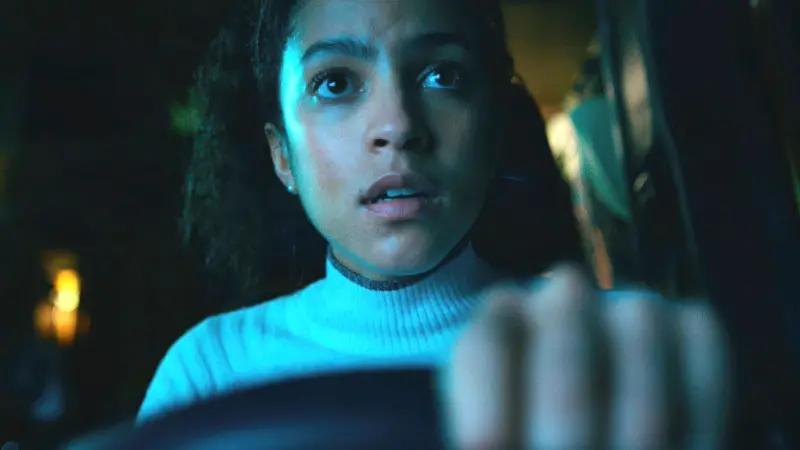
🔥 ‘Passenger’ (2026) Horror Movie: Streaming Release Date, Theatrical Run, and Where to Watch the Supernatural Thriller
Is the 2026 horror movie 'Passenger' streaming on Netflix or Amazon Prime? Directed by André Øvredal, this supernatural thriller stars Jacob Scipio and Lou Llobell. Find out where to watch, digital release date, and Paramount+ streaming plans.









Details
Send Us an Enquiry
We'll get back to you as soon as possible.
Thank You!
Your enquiry has been submitted. We'll be in touch shortly.