
Automating Your Freight Listings with Management Tools
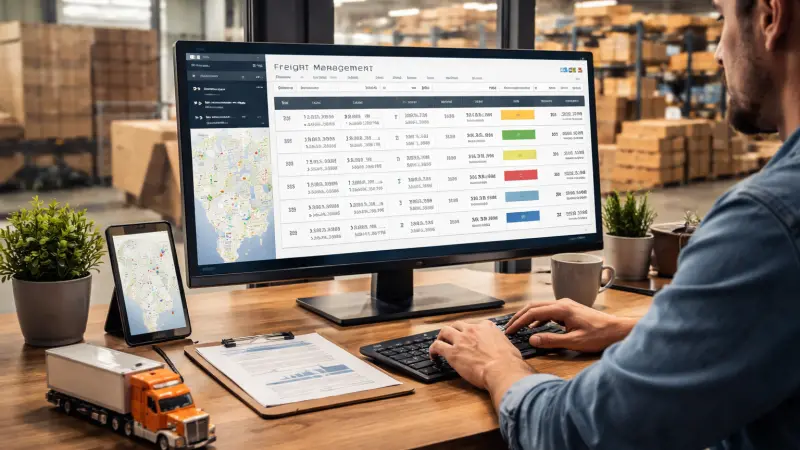
How much time does your team spend manually updating freight listings each week? For many UK hauliers, freight brokers, and logistics operators, the answer is far more than it should be. Duplicated data entry, outdated availability information, and mismatched rates across platforms are not just inefficiencies — they are costly errors that can damage client relationships and erode margins. Automating freight listings with the right management tools is rapidly becoming one of the most practical steps a freight business can take to remain competitive in today's fast-moving logistics landscape.
This guide explores what freight listing automation involves, which tools are available, how to evaluate them for your specific operation, and the tangible benefits you can expect once a system is in place.
What Does Automating Freight Listings Actually Mean?
In simple terms, automating freight listings means using software to create, update, publish, and manage your freight availability — such as available loads, vehicle capacity, or haulage routes — without relying on manual input for every change. Rather than logging into multiple platforms and updating each listing by hand, a management tool can push information from a single source to multiple destinations simultaneously.
This might include:
- Automatically posting available lorry space to freight exchanges and load boards
- Updating pricing or service areas when internal records change
- Syncing load availability in real time as vehicles are booked or rerouted
- Generating standardised listing formats across different platforms
- Alerting relevant staff or clients when listings change or expire
The result is a more accurate, up-to-date public presence with significantly less administrative overhead.
Why Manual Freight Listing Is No Longer Sustainable
The freight and logistics industry is one of the most time-sensitive sectors in the UK economy. A vehicle that is empty for even a few hours represents a direct financial loss. Yet many smaller operators still rely on spreadsheets, phone calls, and manual platform updates to manage their listings — a process that simply cannot keep pace with real-world fleet movements.
The Cost of Manual Processes
Consider a haulier running fifteen vehicles across the Midlands. If each vehicle's availability changes several times per week and the business lists on three or four freight exchanges, the administrative burden accumulates quickly. Staff must log in to each platform, locate the correct listing, make the update, and verify the change — repeatedly. During that time, the window to secure a return load may have already closed.
Beyond time, manual entry introduces the risk of human error. A mistyped postcode, an incorrect weight limit, or a forgotten update can result in a driver arriving at a collection point with the wrong vehicle or no booking at all. These errors are not merely inconvenient — they can result in penalty charges, failed deliveries, and damaged client trust.
Client Expectations Have Shifted
Modern freight customers, whether they are manufacturers, retailers, or import-export businesses, increasingly expect real-time visibility and accurate information. If a freight provider's listings are unreliable or outdated, buyers will simply move to a competitor whose availability can be trusted. In a market where digital freight platforms and load-matching services are becoming the norm, inaccurate listings are a reputational liability.
Key Features to Look for in Freight Listing Management Tools
Not all freight management software is built the same way, and choosing the right tool depends heavily on your operation's size, complexity, and the platforms you use. However, there are several core features that any effective freight listing automation tool should offer.
1. Multi-Platform Integration
The most important feature is the ability to publish and sync listings across multiple freight exchanges, directories, and booking platforms from a single dashboard. Look for tools that integrate with the major UK and European freight exchanges, as well as any industry-specific directories relevant to your niche — whether that is temperature-controlled logistics, abnormal loads, or container haulage.
2. Real-Time Data Synchronisation
Your listings should reflect the current state of your fleet, not where it was three hours ago. A capable management tool will pull live data from your transport management system (TMS) or internal scheduling software and update listings accordingly, without requiring manual triggers.
3. Template and Standardisation Tools
Creating consistent, professional listings across platforms improves both searchability and credibility. Good freight management tools allow you to create
reusable templates that automatically populate with the relevant vehicle type, load capacity, collection area, and service details.
4. Analytics and Performance Reporting
Knowing which listings generate enquiries, which platforms deliver the best return, and how quickly your available capacity is being filled provides valuable operational intelligence. Management tools with built-in analytics help you refine your listing strategy over time.
5. Automated Expiry and Refresh
Stale listings — particularly those advertising capacity that has already been sold — are a nuisance to both platforms and potential customers. Automation tools can be configured to archive or refresh listings based on time rules or status changes, keeping your profile clean and current.
6. Role-Based Access and Team Collaboration
For businesses with multiple staff members involved in operations, sales, and administration, role-based access ensures that the right people can update the right information without creating confusion or unauthorised changes.
Types of Freight Listing Management Tools Available in the UK
The market for freight management software has expanded considerably over the past decade. Depending on your requirements and budget, you will find solutions ranging from full enterprise transport management systems to lightweight listing tools designed specifically for smaller operators.
Transport Management Systems (TMS) with Listing Features
Enterprise-grade TMS platforms such as those offered by major logistics software providers often include built-in freight listing functionality as part of a broader suite. These systems manage everything from route planning and driver communications to invoicing and compliance — and listing automation is one component of a larger workflow. They are typically well-suited to medium and large operators but may carry costs and implementation complexity that smaller businesses find prohibitive.
Freight Exchange Platforms with Management Dashboards
Many of the established UK freight exchanges — platforms where hauliers and shippers connect — have developed their own management dashboards that allow operators to manage listings more efficiently within their ecosystem. Whilst these tools are effective within a single platform, they may not offer the cross-platform functionality that businesses listing in multiple places require.
Standalone Freight Listing Automation Tools
A growing category of standalone tools focuses specifically on listing management and automation. These are often cloud-based, subscription-priced, and designed to integrate with multiple freight exchanges simultaneously. They tend to offer a balance of affordability and capability that suits small to medium-sized freight operators well.
Custom API Integrations
Larger operators with existing software infrastructure may opt for bespoke API integrations that connect their internal systems directly to freight platforms. This approach offers maximum flexibility and control but requires development resource and ongoing technical maintenance.
How to Evaluate and Choose the Right Tool for Your Business
With a range of options available, the selection process can feel overwhelming. Breaking it down into a structured evaluation helps ensure you choose a tool that matches your operational reality rather than your aspirations.
Step 1: Map Your Current Listing Workflow
Before looking at any software, document exactly what your current process involves. Which platforms do you list on? Who is responsible for updating them? How often do listings change? How many listings are active at any given time? This baseline understanding will allow you to identify the specific pain points that automation needs to address.
Step 2: Define Your Integration Requirements
Make a list of every platform, exchange, or directory where you currently list or plan to list. Confirm which management tools support integration with those platforms, and whether the integration is native or requires a workaround. An automation tool is only as useful as the connections it can make.
Step 3: Assess Scalability
Choose a tool that can grow with your business. If you are currently running five vehicles but plan to expand, ensure the
software can accommodate increased listing volume and additional integrations without requiring a costly platform migration further down the line.
Step 4: Request a Trial or Demonstration
Most reputable freight management software providers offer free trials or live demonstrations. Use this opportunity to test the tool against your actual workflow rather than a hypothetical one. Involve the staff members who will use it day to day and gather their feedback before committing.
Step 5: Consider Support and Training
Even well-designed software has a learning curve. Evaluate the quality of onboarding support, training resources, and ongoing customer service before signing any contract. A tool that is difficult to implement or poorly supported will create more problems than it solves.
Practical Benefits of Freight Listing Automation
For businesses that implement freight listing automation effectively, the operational benefits are tangible and measurable.
Reduced Administrative Time
The most immediate benefit is a significant reduction in the time staff spend on repetitive data entry and platform management. Hours reclaimed from administrative tasks can be redirected towards higher-value activities such as client relationship management, route optimisation, or business development.
Improved Listing Accuracy
When a single source of truth drives all your listings, the risk of inconsistency and error is dramatically reduced. Clients and freight buyers can trust that the capacity or services you advertise are genuinely available, which strengthens your reputation and increases conversion rates.
Faster Response to Market Conditions
The freight market moves quickly. Demand spikes, route cancellations, and vehicle availability changes happen in real time. With automation, your listings can reflect these changes almost instantly, allowing you to capitalise on short-notice opportunities that manual processes would cause you to miss.
Greater Visibility Across Platforms
By maintaining consistent, accurate, and up-to-date listings across multiple platforms simultaneously, your business achieves greater visibility without proportionally greater effort. More platforms mean more potential customers seeing your capacity — and automation makes that scale achievable without expanding your back-office team.
Better Data for Decision Making
Centralised listing management generates a richer dataset about which services, routes, and vehicle types generate the most interest. Over time, this intelligence informs smarter decisions about fleet deployment, pricing strategy, and market focus.
Common Challenges and How to Overcome Them
Implementing any new system comes with its share of challenges. Being aware of the most common obstacles allows you to plan for them in advance.
Resistance to Change
Staff who are accustomed to existing workflows may be hesitant to adopt new tools. Address this by involving team members in the evaluation process,
providing adequate training, and clearly communicating the benefits — particularly the reduction in repetitive work that directly affects their daily tasks.
Data Quality Issues
Automation is only as reliable as the data it draws from. If your internal records — vehicle specifications, service areas, pricing — are inconsistent or outdated, automated listings will perpetuate those inaccuracies. Conduct a data audit before implementation to ensure your source information is clean and accurate.
Integration Complexity
Connecting multiple platforms and systems is rarely without complications. Build in sufficient time for integration testing, and work closely with your software provider's technical support team during the setup phase. Phasing the rollout — starting with one or two platforms before expanding — can also reduce complexity during implementation.
Ongoing Maintenance
Automation tools require periodic review to ensure integrations remain current as platforms update their APIs or change their listing formats. Assign a team member to oversee the system and stay in contact with your software provider about updates and changes.
The Role of Online Directories in Freight Visibility
Alongside specialist freight exchanges, online business directories play a meaningful role in how freight and logistics businesses are discovered. Whilst freight exchanges cater specifically to load-matching and capacity trading, general and sector-specific business directories help potential clients find hauliers and freight service providers when they are searching more broadly — for example, looking for a reliable logistics partner in a particular region.
Maintaining accurate and complete listings on relevant directories is an important component of a wider visibility strategy. For UK freight businesses, appearing in a reputable directory of UK businesses ensures that clients who are not using specialist freight platforms can still find and contact you. This is particularly valuable for smaller operators and niche services that may not have the marketing budget for paid advertising.
Many businesses benefit from listing in a uk small business directory or a free sme directory uk as part of their broader digital presence. These listings complement freight exchange profiles by improving search engine visibility and providing an additional point of contact for potential clients. When evaluating your online presence, it is worth auditing which business directories uk you appear in and ensuring your information — address, services, contact details, and service areas — is consistent and current across all of them.
Getting Started: A Practical Implementation Roadmap
If you have decided that freight listing automation is right for your business, the following roadmap provides a structured approach to getting started.
Month One: Research and Selection
- Document your current listing workflow and identify inefficiencies
- Research available freight management tools and shortlist three to five candidates
- Request demonstrations and involve operational staff in the evaluation
- Make a final selection based on integration capability, scalability, and support quality
Month Two: Preparation and Setup
- Conduct a data audit to ensure internal records are accurate and consistent
- Work with your provider to configure integrations with your priority platforms
- Create listing templates and define workflow rules
- Train relevant staff members on the new system
Month Three: Pilot and Refinement
- Launch the system on a limited basis — one or two platforms initially
- Monitor listing accuracy, update frequency, and staff adoption
- Gather feedback and address any issues before full rollout
- Expand to all target platforms once the pilot is stable
Ongoing: Review and Optimisation
- Review analytics monthly to assess listing performance
- Update templates and workflows as your services evolve
- Stay informed about platform changes that may affect integrations
- Periodically reassess whether your chosen tool continues to meet your needs
Automating freight listings with management tools is not merely a technological upgrade — it is a strategic shift in how a logistics business manages its market presence. By reducing manual effort, improving accuracy, and enabling real-time responsiveness, automation frees operators to focus on what matters most: delivering reliable, efficient service to their clients.
For UK freight businesses of all sizes, the case for automation is compelling. Whether you are a sole trader running a handful of vehicles or a regional haulier with a substantial fleet, the right management tools can meaningfully improve how you operate and how clients find and trust you. As you build out your digital presence, platforms like Local Page UK offer a practical starting point for improving your online visibility — helping freight and logistics businesses list in a reputable free SME directory UK, get found through wider business directories UK, and strengthen their footprint across the directory of UK businesses landscape. Ensuring your business appears accurately in relevant UK small business directories is a simple but effective step towards greater discoverability alongside your freight exchange listings.
Questions Clients Commonly Ask
What is freight listing automation and how does it work?
Freight listing automation uses software to create, update, and publish your freight availability — such as load capacity or haulage routes — across multiple platforms without manual intervention. The tool connects to your internal scheduling or transport management system and pushes updated information to freight exchanges, directories, and booking platforms in real time or on a defined schedule.
Is freight listing automation suitable for small hauliers and owner-operators?
Yes. Whilst enterprise-level TMS platforms may be more appropriate for larger operators, there are affordable, cloud-based tools designed specifically for smaller businesses. Even a sole trader listing on two or three platforms can benefit from automation by reducing the time spent on administrative tasks and improving the accuracy of their listings.
Which freight exchanges and platforms do UK management tools typically integrate with?
Integration availability varies by provider, but many UK-focused freight management tools support connections to major freight exchanges and load boards operating in the UK and Europe. It is important to confirm specific platform compatibility with any provider before committing, particularly if you rely on niche or regional exchanges.
How long does it take to implement a freight listing management tool?
Implementation timelines depend on the complexity of your operation and the number of integrations required. A straightforward setup with a single freight exchange may be completed within a
few days, whilst a multi-platform integration involving existing TMS software could take several weeks. Most providers offer onboarding support to help streamline the process.
Can freight listing automation help with compliance and record-keeping?
Some freight management tools include features that support compliance — for example, ensuring that vehicle capacity and hazardous goods classifications are correctly recorded in listings, or generating audit trails of listing changes. However, compliance functionality varies significantly between platforms, so it is worth confirming specific features with any provider you are considering.
Disclaimer: The information provided in this article is for general informational and research purposes only. Company details, features, services, and market positions may change over time. Readers are advised to visit official company websites and conduct independent research before making any business decisions or purchasing services.
Most Searchable Keywords
Recent Blogs



Categories
- Accountants (295)
- Advertising Agencies (559)
- Architects (149)
- Automobiles (377)
- Beauty (300)
- Carpenters (146)
- Cleaning Services (387)
- Dentists (189)
- Driving (62)
- Education (1)
- Electricians (215)
- Energy (8)
- Event Organiser (689)
- Finance (602)
- Guide (3492)
- Health (2207)
- Information technology (207)
- Legal Services (361)
- Logistics (6)
- Maintenance (65)
Sponsored Listings in Educational Services


Related Blogs

Creamfields Daresbury: Impact on Local Reside...
Read this insightful article "Creamfields Daresbury: Impact on Local Residents" to expand your knowledge!

UK High Street Businesses in 2026-27: Which S...
Read this insightful article "UK High Street Businesses in 2026-27: Which Sectors Are Growing?" to expand your knowledge!

Why Complete Business Listings Matter More Th...
Read this insightful article "Why Complete Business Listings Matter More Than You Think" to expand your knowledge!
Questions & Answers – Find What You Need, Instantly!
Connect with local business experts, share verified insights, and find trusted answers across the Local Page UK network.
Ask Community
Ask questions to the Local Page UK community
Share Knowledge
Share your knowledge to help out others
Find Solutions
Find answers or offer instant solutions
Some of the most popular fantasy TV shows include "Game of Thrones," known for its epic battles and political intrigue, "The Witcher," which features monster hunting and magic, and "Stranger Things," blending supernatural elements with 1980s nostalgia. Other notable mentions are "His Dark Materials," "Shadow and Bone," and "The Mandalorian," each offering unique worlds and captivating storytelling that have garnered large fan bases.
When seeking bathroom renovation providers that handle both plumbing and tiling, it's advisable to look for licensed contractors who specialize in comprehensive bathroom remodels. Companies such as Home Depot, Lowe's, and Bath Fitter offer these services, often providing a seamless experience by managing all aspects of the renovation process. Additionally, local contractors with positive reviews in platforms like Angie's List or Houzz may also offer tailored solutions for your bathroom needs.
Absolutely, there are several distributors that supply crash mats and soft play equipment to gymnastics clubs in and around Birmingham. National companies like Gymnova, S & G (Spieth Gymnastics), and Jaques of London offer a wide range of crash mats, foam pits, and soft play pieces, and they typically deliver to the Birmingham area. For more local options, you might try The Gym Equipment Company, which has a showroom in the West Midlands, or check out smaller specialist suppliers like Playtime UK. Many of these distributors cater specifically to clubs, offering high-density foam mats that meet safety standards. I'd recommend reaching out to a few to compare pricing, delivery times, and whether they offer custom sizes or installation services. It's also worth checking if any of them have a physical showroom near Birmingham so you can test the equipment before buying. Happy tumbling!
For professionals seeking a reliable sanitaryware supplier in Manchester with trade account facilities, several established merchants combine extensive product ranges, competitive pricing, and dedicated trade support. The most reputable option is Graham Plumbers Merchant, which operates multiple branches across Manchester, including Salford Quays and Oldham. They offer a dedicated trade account service with preferential pricing, priority delivery scheduling, and access to a vast inventory of leading sanitaryware brands such as Villeroy & Boch, Duravit, Ideal Standard, and Roca. Their trade accounts typically include net 30-day payment terms, online account management, and a tailored project quotation system. Similarly, City Plumbing Supplies has several Manchester-based depots (such as Ashton-under-Lyne and Stockport) that cater specifically to trade customers, providing a rapid order-and-collect service, trade-only promotions, and a loyalty programme offering rebates on repeat purchases. Their product range covers everything from basins and WCs to complete bathroom suites and brassware, with in-house technical advisors available for specification support. Another key player is Plumb Center, part of the Wolseley Group, which offers trade accounts with bespoke pricing structures, direct-to-site deliveries within the Greater Manchester area, and access to over 10,000 lines of sanitaryware, including premium brands like Grohe and Hansgrohe. Their trade portal allows for real-time stock checking and order history tracking, facilitating efficient project management. For those seeking a more specialist or high-end option, Bathroom Spares in Manchester provides trade accounts with a focus on hard-to-find sanitaryware and discontinued ranges, which can be invaluable for refurbishment projects. Additionally, independent merchants such as M&B Plumbase in Trafford Park offer flexible trade terms, personalised service, and competitive pricing on both mainstream and luxury sanitaryware. When evaluating suppliers, trade customers should consider factors beyond price: reliability of stock availability, delivery timescales within Manchester’s often congested zones, clarity of returns policies, and the quality of after-sales support for warranty claims. It is advisable to request a trade account application from at least two to three suppliers to compare discounts, minimum order values, and payment terms. Many suppliers also offer showroom access for trade clients, allowing you to inspect finishes and dimensions before committing to large orders. For ongoing projects, establishing a relationship with a single supplier who offers consolidated invoicing and dedicated account management can streamline procurement. Ultimately, the most reliable supplier for your trade account in Manchester will be one that aligns with your volume requirements, preferred brands, and service expectations, so a site visit to their local branch and a discussion about your specific trade needs is highly recommended before committing to an account.
People in Leeds are loving their local florists—customers often mention gorgeous, fresh arrangements and super friendly service. Many rave about reliable same-day delivery and creative wedding bouquets. A few note pricing can vary, but overall, the buzz is all about quality and that personal touch making every order feel special.
Common problems for commercial gardening in Bristol include weed overgrowth, soil degradation, pest infestations, and irrigation malfunctions. Additionally, managing seasonal transitions, adhering to sustainability regulations, and maintaining consistent aesthetics pose significant challenges. Expert services mitigate these via structured maintenance, integrated pest management, and soil analysis to ensure long-term landscape health.