
Benefits of Whole-House Water Purification Systems and Filtration
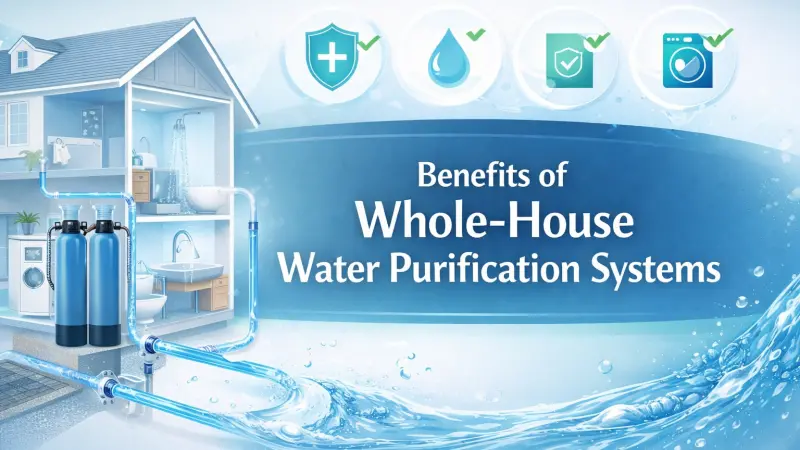
What if every tap in a building provided water that was free from the traces of industrial processing, geological runoff, and micro-contaminants? While municipal treatment in developed regions ensures that water is safe for consumption, the journey from the treatment facility to the domestic tap can introduce various particulates and chemical residues. Implementing a comprehensive filtration solution at the point of entry allows for a consistent standard of purity throughout an entire property, addressing aesthetic, mechanical, and health-related concerns in a single, integrated manner.

The Fundamental Concept of Point of Entry Filtration
Point of Entry (POE) systems differ significantly from standard countertop or jug filters. While a small filter might only treat the water intended for drinking, a comprehensive system is installed directly onto the main supply line. This means that every drop of water entering the premises—whether it is destined for the kitchen, the bathroom, the laundry, or the central heating system—undergoes the same rigorous treatment. This holistic approach ensures that the building's entire plumbing infrastructure is protected from the corrosive and abrasive effects of unfiltered water.
By treating the water at the earliest possible stage, these systems prevent the accumulation of sediment and mineral deposits within internal pipework. Over time, traditional supplies can lead to significant limescale buildup, particularly in areas with high mineral content. A centralised purification unit acts as a primary barrier, removing these elements before they can settle in boilers, radiators, or delicate household appliances. This proactive management of water quality is a strategic investment in the longevity of a property's utility infrastructure.
Enhancing Domestic Infrastructure and Appliance Longevity
One of the most immediate advantages of a total filtration solution is the protection of expensive household machinery. Modern washing machines, dishwashers, and coffee makers are precision-engineered devices that can be easily compromised by particulates. Hard water minerals can calcify on heating elements, forcing motors to work harder and eventually causing premature mechanical failure. When water is purified upon entry, these appliances operate in a cleaner environment, maintaining their energy efficiency and extending their operational lifespan.
Beyond appliances, the central heating system is perhaps the most vulnerable to water quality issues. In many UK households, the accumulation of "sludge" or mineral scale in radiators can lead to cold spots and reduced heat transfer. A high-quality purification system reduces the frequency of necessary power-flushing and maintenance calls. This contributes to a more sustainable domestic environment where resources are conserved and the carbon footprint associated with replacing large appliances is significantly reduced.
Impact on Personal Wellbeing and Dermatological Health
While often discussed in terms of drinking quality, the water we use for bathing has a direct impact on our largest organ: the skin. Municipal water often contains chlorine or chloramines, which are essential for preventing bacterial growth during distribution but can be harsh on sensitive skin.
Individuals prone to conditions such as eczema or psoriasis often find that unfiltered water exacerbates dryness and irritation. By removing these chemicals at the point of entry, every shower and bath becomes a gentler experience.
Furthermore, the hair is equally susceptible to the minerals found in hard water. Calcium and magnesium can create a film on the hair shaft, preventing moisture from penetrating and leading to brittleness and dullness. Purified water allows soaps and shampoos to lather more effectively, which in turn means that fewer chemical products are required to achieve a thorough clean. This reduction in chemical dependency is beneficial for both the individual and the wider environment, as fewer synthetic surfactants are rinsed back into the wastewater system.
Key Contaminants Addressed by Centralised Systems
- Sediment and Silt: Physical particles that can cause abrasion in taps and valves.
- Chlorine and Volatile Organic Compounds: Chemical residues used in disinfection that affect taste and skin sensitivity.
- Heavy Metals: Trace amounts of lead or copper that may leach from aging pipework within a district.
- Mineral Salts: The primary cause of limescale and scaling in heating systems.
- Microplastics: Emerging contaminants that are increasingly being detected in global water supplies.
Environmental Sustainability and Plastic Reduction
The reliance on bottled water is a significant environmental challenge, contributing to the global plastic waste crisis. Often, households turn to bottled alternatives because they are dissatisfied with the taste or odour of their tap water. A whole-house purification system provides water of a higher quality than many bottled brands directly from the tap, effectively eliminating the need for single-use plastics. This shift in consumption habits represents a major step towards a more sustainable lifestyle.
Moreover, the efficiency of detergents is vastly improved in purified water. Because minerals are removed, soaps can break down oils more effectively at lower temperatures. This allows households to run laundry cycles with less detergent and at cooler settings, further reducing energy consumption and the chemical load on local water treatment plants. The cumulative effect of these small changes across many households can have a significant positive impact on local ecosystems.
Real-World Application in the United Kingdom
In the United Kingdom, water quality varies significantly between regions, with many areas in the south and east experiencing particularly high levels of mineral hardness. For homeowners and facility managers, the installation of advanced filtration is a practical response to these local geological conditions, ensuring that both traditional and modern buildings remain functional. Businesses, particularly those in the hospitality and manufacturing sectors, rely on these systems to maintain consistent service standards and protect their capital assets from water-related damage.
Maintenance and Operational Considerations
A centralised purification system is designed for low-intervention operation, but it does require periodic maintenance to ensure peak performance. Most systems utilize a series of filters that must be replaced at specific intervals—typically every six to twelve months depending on the volume of water processed. High-end units may include smart sensors that alert the occupant when a filter change is required or if there is a drop in pressure that suggests a blockage. This ensures that the water quality never dips below the established threshold.
The installation process should always be carried out by a qualified professional to ensure compliance with local water regulations. A professional installation guarantees that the system is correctly balanced and that there is no risk of backflow into the municipal supply.
Once installed, the system generally operates silently in the background, requiring nothing more than an occasional visual check and the scheduled replacement of consumables.
Economic Justification for Comprehensive Filtration
While the initial cost of a whole-house system is higher than that of a simple point-of-use filter, the long-term economic benefits are substantial. The reduction in the need for chemical descalers, the decrease in soap and detergent consumption, and the elimination of bottled water purchases all contribute to household savings. However, the most significant financial advantage comes from the avoidance of emergency plumbing repairs and the delayed replacement of major appliances like boilers and washing machines.
In a commercial context, the ROI is even more pronounced. For a hotel or restaurant, the quality of water impacts the taste of food and beverages, the cleanliness of linens, and the maintenance costs of industrial kitchen equipment. Investing in high-level purification is a way to ensure brand consistency and reduce overheads related to utility maintenance. It is an investment in quality that pays for itself through operational efficiency and asset protection.
Technological Evolution in Water Treatment
The technology behind domestic water treatment is constantly evolving. Modern systems often incorporate multiple stages of filtration, such as carbon block filters, KDF (Kinetic Degradation Fluxion) media, and UV sterilisation. KDF media is particularly effective at removing heavy metals and controlling microorganism growth without the use of harsh chemicals. UV stages provide an additional layer of security by neutralising any remaining bacteria or viruses, ensuring that the water is microbiologically safe even if the primary supply is compromised.
The Future of Domestic Water Security
As urban populations grow and the pressure on natural water resources increases, the quality of water delivered to our homes may become more variable. Developing a self-contained ability to refine and polish this essential resource is a sensible approach to future-proofing a home. By taking control of the final stage of the water's journey, individuals can ensure that their environment remains healthy, their infrastructure remains robust, and their ecological footprint remains as small as possible.
Navigating Professional Services and Online Resources
The transition to a comprehensive water management strategy is a decision that impacts the long-term health and efficiency of any UK property. For homeowners and commercial operators alike, the complexity of modern filtration technology necessitates a partnership with experienced professionals who can provide bespoke advice and technical support. Finding reliable experts is made considerably easier through the use of a business listing uk, which allows users to browse verified service providers within their immediate area.
By connecting with local specialists, individuals can ensure their systems are tailored to the specific mineral profile of their region. For businesses in the sector, maintaining a presence in a Local Page UK listing is essential for reaching a wider audience and demonstrating their expertise in water security. Promoting specialist services through a uk business directory free of charge allows for greater visibility and fosters a sense of community trust. Ultimately, the ability for consumers to discover these services easily ensures that every building can benefit from the highest standards of water purity and mechanical protection.
Frequently Asked Questions
1. Will a whole-house system reduce the water pressure in my home?
A professionally designed and installed system should have a negligible impact on water pressure. It is important to choose a system that is rated for the specific flow rate requirements of your property to ensure consistent performance during peak usage times.
2. Does a purification system replace a water softener?
While some advanced purification systems include scale-inhibiting technology, they are functionally different from salt-based water softeners. Softeners specifically target mineral hardness, while purifiers focus on removing chemical contaminants and particulates. Many households choose to use both in tandem.
3. Can I install a whole-house filter myself?
It is strongly recommended to have a POE system installed by a qualified plumber. This ensures the unit is correctly integrated into your main supply line and complies with UK water regulations, preventing potential leaks or contamination issues.
4. How often do the filters need to be changed?
This depends on the quality of your incoming water and the amount you use. Generally, sediment pre-filters are changed every 6 months, while larger carbon or specialty media tanks can last between 1 and 3 years.
5. Does the system remove fluoride from the water?
Standard carbon-based whole-house systems are not effective at removing fluoride. If fluoride removal is a priority, you would typically
need a specialised activated alumina filter or a separate reverse osmosis system at the kitchen tap.
6. Is the water from a whole-house system safe for pets and plants?
Yes, purified water is generally excellent for pets and plants as it removes chlorine and other chemicals that can be sensitive for animals and certain plant species, particularly delicate indoor varieties.

Disclaimer: The information provided in this article is for general informational and research purposes only. Company details, features, services, and market positions may change over time. Readers are advised to visit official company websites and conduct independent research before making any business decisions or purchasing services.
Most Searchable Keywords

Recent Blogs
-

Explore Supermarkets in Chepstow and the Surrounding Wye Valley
-
Elite Guide to Taxi and Private Hire Services in Hereford
-
Explore Fuel and Roadside Convenience Across Beckington Today
-
Explore Abergavenny Tyre Services with Expert Local Fitters
-
Claim Your HMRC UK Tax Refund Before Application Deadlines



Related Listings


Categories
- Accountants (295)
- Advertising Agencies (559)
- Architects (149)
- Automobiles (376)
- Beauty (300)
- Carpenters (146)
- Cleaning Services (386)
- Dentists (189)
- Driving (61)
- Electricians (215)
- Energy (7)
- Event Organiser (683)
- Finance (597)
- Guide (3358)
- Health (2205)
- Information technology (206)
- Legal Services (352)
- Logistics (6)
- Maintenance (65)
- Manufacturing (35)

Sponsored Listings in Plumbers

Related Blogs

Explore Supermarkets in Chepstow and the Surr...
Read this insightful article "Explore Supermarkets in Chepstow and the Surrounding Wye Valley" to expand your knowledge!

Elite Guide to Taxi and Private Hire Services...
Read this insightful article "Elite Guide to Taxi and Private Hire Services in Hereford" to expand your knowledge!

Explore Fuel and Roadside Convenience Across...
Read this insightful article "Explore Fuel and Roadside Convenience Across Beckington Today" to expand your knowledge!
Questions & Answers – Find What
You Need, Instantly!
How can I update my business listing?
Is it free to manage my business listing?
How long does it take for my updates to reflect?
Why is it important to keep my listing updated?
