
Beyond the Rain: The Ultimate Guide to Navigating the Unpredictable UK Weather Forecast
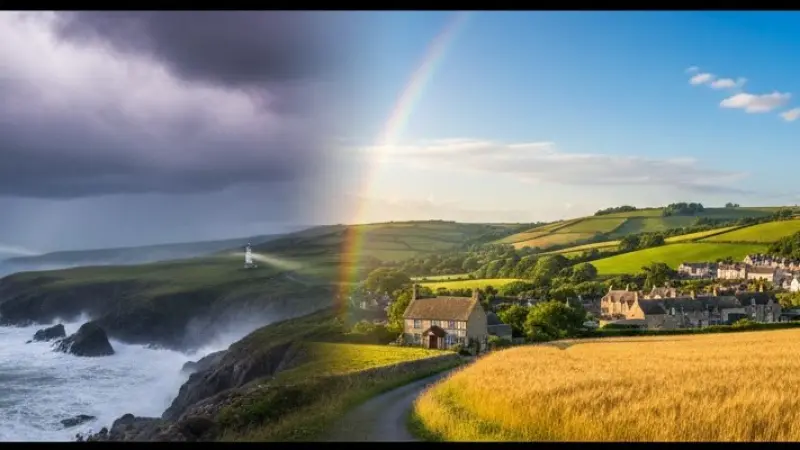
The current UK weather forecast indicates a period of atmospheric instability as Atlantic low-pressure systems interact with lingering continental air masses. For those seeking an immediate answer: most regions can expect a mixture of blustery showers and brighter intervals over the coming days, with temperatures hovering slightly above the seasonal average. A prominent jet stream is currently positioned in a way that facilitates rapid changes in conditions, meaning a dry morning can quickly transition into a damp afternoon. In short, the forecast suggests a classic British "mixed bag" where waterproof layers remain essential for any outdoor activity. This variability is driven by the UK’s unique geographical position at the edge of the Atlantic, serving as a battleground for diverse air masses. As we look further ahead, there are signs of high pressure building from the south, which may eventually bring more settled conditions to southern England and the Midlands, while the Highlands and Northern Ireland remain susceptible to further frontal activity.
Atmospheric Drivers Shaping the British Isles
Understanding the immediate outlook requires a look at the massive movements of air circling the globe. The UK weather forecast is primarily dictated by the North Atlantic Oscillation and the strength of the jet stream. When the jet stream is powerful and aimed directly at our shores, we experience a conveyor belt of rain and wind. Conversely, a "blocked" pattern can lead to prolonged dry spells or intense cold snaps depending on the season. Currently, the atmosphere shows signs of significant mobility, preventing any single weather type from becoming too entrenched for more than a few days at a time.
The Influence of Maritime Air Masses
Our proximity to the sea is the most significant factor in keeping our climate temperate. Maritime air masses, arriving from the west and south-west, carry vast amounts of moisture picked up over the Atlantic. This results in the characteristic dampness associated with western Britain. While these winds prevent extreme temperature drops in winter, they also limit the heat in summer, creating the mild but unpredictable conditions that define the British experience across the four home nations.
Coastal Humidity and Temperature Buffers
Coastal regions often experience a microclimate vastly different from inland towns. The sea acts as a giant thermal store, cooling the air in summer and warming it in winter. This means coastal residents might avoid the sharp frosts felt in the Home Counties, even when the broader forecast suggests widespread freezing temperatures across the UK.
Regional Variations Across the United Kingdom
A single national headline rarely captures the reality of the UK weather forecast for everyone. There is a distinct "north-west / south-east split" that frequently dominates our meteorological maps. While London and the South East may be enjoying a heatwave fueled by warm air pulling up from the continent, parts of western Scotland could be enduring significant rainfall. This geographical disparity is caused by the mountainous terrain of the north and west, which forces moist air to rise and condense into rain before it can reach the eastern plains.
The Rain Shadow Effect on Eastern Counties
Areas like East Anglia and Kent are among the driest in the country due to the rain shadow effect. As clouds pass over the Pennines and the Welsh mountains, they lose much of their moisture. By the time the air reaches the east, it is often drier and clearer. This explains why the forecast for Norwich often looks significantly more optimistic than the one for Manchester on the same afternoon, regardless of the season.
Highland Snowfall and Arctic Incursions
In the north of Scotland, the forecast takes on a different character entirely. Altitude plays a massive role, with temperatures dropping significantly for every few hundred metres of ascent. Arctic maritime air can bring heavy snowfall to the Cairngorms while the rest of the UK sees nothing but a light drizzle. These northern incursions are the primary source of our winter wonderlands.
Long Range Outlook and Seasonal Shifts
Projecting the weather several weeks in advance involves looking at global climate drivers like El Niño and the Stratospheric Polar Vortex. These factors don't tell us if it will rain at a specific time, but they indicate the likelihood of colder or wetter trends. The current long-range forecast suggests that as we move into the next season, we may see a shift towards more stable high pressure. This would mean fewer storms and a greater chance of sunshine, though early morning fog and ground frost remain a risk during the transition.
Anticyclonic Gloom and Winter Stability
During the colder months, high pressure doesn't always bring blue skies. A phenomenon known as anticyclonic gloom can occur, where a layer of cloud is trapped near the ground.
This leads to grey, overcast days with very little wind. While it avoids the drama of a gale, it can feel persistent and depressing. Forecasts often struggle to predict exactly when this cloud deck will break to allow the sun through.
Predicting the Sudden Stratospheric Warming
One of the most dramatic events in a UK winter forecast is a Sudden Stratospheric Warming. This event high above the North Pole can reverse the jet stream, dragging freezing air from Siberia across the North Sea. Known colloquially as the "Beast from the East," it can turn a mild forecast into a national emergency within a matter of days, highlighting the importance of monitoring long-range alerts.
Climatic Resilience and Infrastructure Readiness
With the UK weather forecast showing an increase in extreme events, readiness has become a priority for households and businesses alike. From flash flooding to record-breaking heatwaves, the volatility of our climate requires proactive planning. Investing in proper gutter maintenance, ensuring home insulation is up to scratch, and keeping an emergency kit can mitigate the risks posed by sudden shifts in the weather. The cost of storm damage can run into thousands of pounds, making prevention a much cheaper alternative than repair.
Flood Prevention for Vulnerable Properties
Living near a river or on low-lying land requires constant vigilance regarding rainfall totals. Modern forecasts now include sophisticated flood warnings that give residents time to deploy sandbags or flood barriers. Understanding the difference between a "Flood Alert" and a "Flood Warning" is crucial for anyone in a high-risk area. Water-resistant landscaping and permeable driveways are practical steps that help manage heavy runoff during intense downpours.
Preparing Vehicles for Winter Conditions
When the forecast indicates a drop in temperature, the UK's roads become significantly more hazardous. Ensuring your vehicle has the correct antifreeze levels, functional lights, and tyres with sufficient tread is essential. Many British drivers now opt for "all-season" tyres, which provide better grip during the damp and icy conditions that characterise the typical UK winter forecast, reducing the likelihood of accidents.
Future Trends and The Changing Climate
The long-term UK weather forecast is shifting towards warmer, wetter winters and hotter, drier summers. This is not just a theoretical projection but something being observed in current meteorological data. We are seeing a higher frequency of "convective" rainfall, where intense bursts of rain lead to surface water flooding even in areas far from rivers. As the atmosphere warms, it holds more moisture, essentially supercharging the storms that hit our coastlines during the autumn months.
Adapting to Higher Summer Temperatures
Recent years have seen the UK breach the forty-degree Celsius mark for the first time. This shift requires a change in how we view the summer forecast. Heat health alerts are now as common as snow warnings. Adapting our homes with external shading, better ventilation, and even heat pumps that can provide cooling is becoming necessary as we move away from our traditionally temperate past toward a more volatile future.
Impact on British Agriculture and Gardens
The changing forecast has a direct impact on what we can grow in the UK. Farmers are having to adjust planting schedules to account for wetter springs and drier summers. Gardeners, too, are moving toward drought-resistant plants that can survive the heat. The traditional English garden is evolving to reflect a climate that looks increasingly like that of southern Europe, albeit with the persistent risk of Atlantic gales.
Common Mistakes to Avoid During Weather Events
Many people fall into the trap of ignoring the "Yellow" warnings issued by the Met Office, assuming they are over-cautious. However, even a low-level warning indicates a risk of disruption. Another mistake is relying on a single weather app without looking at the broader context of the forecast. It is also wise to avoid travelling during the peak of a wind storm, as fallen branches and debris can create life-threatening situations on rural roads and railway lines across the country.
Misinterpreting the Percentage of Rain
A common misunderstanding in the UK weather forecast is the "probability of precipitation" percentage. A fifty percent chance of rain does not mean it will rain for half the day.
It means there is a five-in-ten chance that rain will fall at that specific location during the forecast period. Understanding this helps in planning outdoor events, as a high percentage doesn't always equate to a washout, just a higher risk of a shower.
Underestimating the Power of Surface Water
Drivers often mistakenly think they can drive through deep puddles or flooded roads. It takes surprisingly little water to lose control of a vehicle or to cause catastrophic engine failure. If the forecast warns of heavy rain and you encounter standing water, the safest course of action is always to turn around. The cost of a written-off car far outweighs the inconvenience of a short detour.
A Step By Step Guide to Weather Proofing
Taking control of your environment starts with a systematic check of your property before the winter sets in. First, inspect your roof for any loose tiles that might be dislodged by high winds. Second, clear your gutters and downpipes to ensure that heavy rain can be channeled away from your foundations. Third, check the seals on your windows and doors to prevent drafts and moisture ingress, which can lead to damp and mould issues during the colder, wetter months.
Monitoring Reliable Meteorological Sources
To stay truly informed, you should use a combination of sources. The Met Office provides the most authoritative data, but local BBC weather updates often give more granular detail for your specific town or village. Checking radar maps can show you exactly where rain bands are moving in real-time, allowing you to time your dog walk or school run to coincide with a dry spell. Staying informed is the best way to manage the unpredictability of the UK weather forecast.
Securing Outdoor Items for High Winds
When a gale warning is issued, the first step should be to secure garden furniture, trampolines, and bins. These items can become dangerous projectiles in high winds, causing damage to your own home or your neighbours'. Simply moving these items into a shed or tethering them down can prevent expensive insurance claims and potential injuries, ensuring that your property remains safe during the height of an Atlantic storm.
Expert Conclusions on the British Outlook
The UK weather forecast will always remain a topic of national fascination because of its sheer variety. While we may complain about the rain, it is this very moisture that keeps our landscape lush and green. By understanding the underlying patterns—from the jet stream to the maritime air masses—we can better prepare for whatever the sky throws at us. Whether you are planning a holiday in Cornwall or a hike in the Lake District, staying attuned to the evolving forecast is the key to enjoying the best of the British outdoors.
The Resilience of the British Public
Ultimately, we are a nation built for the weather. Our architecture, our clothing, and our stoic attitude are all responses to the "four seasons in one day" reality. While the climate is undoubtedly changing, our ability to adapt remains strong. By utilising modern forecasting technology and taking practical steps to protect our homes, we can continue to thrive in one of the most meteorologically interesting corners of the world, regardless of the temperature or the rainfall totals.
Looking Toward a Sustainable Future
As we face a future with more extreme weather, our focus must turn toward sustainability. Reducing our carbon footprint and building more resilient communities will help mitigate the worst effects of the changing forecast.
The UK is at the forefront of climate research, and by following expert guidance, we can ensure that future generations are just as prepared for the wind and rain as we are today. The forecast may be uncertain, but our collective response to it can be decisive and effective.
Frequently Asked Questions
Why does the UK weather forecast change so frequently?
The United Kingdom is located at the meeting point of several major air masses, including polar, tropical, maritime, and continental. Because we are an island nation positioned beneath the jet stream, weather systems can move rapidly across our shores. A slight shift in wind direction or a minor change in the jet stream's path can completely alter the conditions from one hour to the next, making precision difficult.
What is the best way to get an accurate local forecast?
For the most reliable information, it is best to consult the Met Office or the BBC, as they utilise the most advanced supercomputing models available in the country. Using a combination of hourly forecasts and real-time rainfall radar provides the clearest picture of what is happening in your specific postcode. Avoid relying solely on automated phone apps which may not account for local topographical features like hills or coastlines.
When is the best time of year to visit the UK for sun?
Statistically, the months of June, July, and August offer the highest temperatures and the longest hours of daylight. However, late spring (May) and early autumn (September) often provide more settled weather with less humidity than the height of summer. The South East of England generally receives the most sunshine throughout the year, while the western parts of the country are more prone to Atlantic rainfall regardless of the season.
How do I protect my home from storm damage?
Regular maintenance is the most effective form of protection. Ensure that your roof is in good repair and that your gutters are clear of debris. In the event of a severe wind warning, secure all garden furniture and loose items. If you live in a flood-prone area, keep a supply of sandbags or install permanent flood barriers. Taking these proactive steps can significantly reduce the risk of structural damage and expensive insurance claims.
Is the UK weather becoming more extreme?
Scientific data indicates that the UK is experiencing more frequent and intense weather events, including record-breaking heatwaves and heavier rainfall. This trend is consistent with global climate changes, as a warmer atmosphere holds more energy and moisture. This leads to more significant storms in the winter and more severe droughts in the summer, requiring better infrastructure and personal preparedness to manage the increasing volatility of our national climate.
Disclaimer: The information provided in this article is for general informational and research purposes only. Company details, features, services, and market positions may change over time. Readers are advised to visit official company websites and conduct independent research before making any business decisions or purchasing services.
Most Searchable Keywords
Recent Blogs


Related Listings


Categories
- Accountants (295)
- Advertising Agencies (559)
- Architects (149)
- Automobiles (377)
- Beauty (300)
- Carpenters (146)
- Cleaning Services (387)
- Dentists (189)
- Driving (62)
- Education (1)
- Electricians (215)
- Energy (8)
- Event Organiser (689)
- Finance (602)
- Guide (3492)
- Health (2207)
- Information technology (207)
- Legal Services (361)
- Logistics (6)
- Maintenance (65)
Sponsored Listings in Information Technology

Related Blogs

Creamfields Daresbury: Impact on Local Reside...
Read this insightful article "Creamfields Daresbury: Impact on Local Residents" to expand your knowledge!

UK High Street Businesses in 2026-27: Which S...
Read this insightful article "UK High Street Businesses in 2026-27: Which Sectors Are Growing?" to expand your knowledge!

Why Complete Business Listings Matter More Th...
Read this insightful article "Why Complete Business Listings Matter More Than You Think" to expand your knowledge!
Questions & Answers – Find What You Need, Instantly!
Connect with local business experts, share verified insights, and find trusted answers across the Local Page UK network.
Ask Community
Ask questions to the Local Page UK community
Share Knowledge
Share your knowledge to help out others
Find Solutions
Find answers or offer instant solutions
Some of the most popular fantasy TV shows include "Game of Thrones," known for its epic battles and political intrigue, "The Witcher," which features monster hunting and magic, and "Stranger Things," blending supernatural elements with 1980s nostalgia. Other notable mentions are "His Dark Materials," "Shadow and Bone," and "The Mandalorian," each offering unique worlds and captivating storytelling that have garnered large fan bases.
When seeking bathroom renovation providers that handle both plumbing and tiling, it's advisable to look for licensed contractors who specialize in comprehensive bathroom remodels. Companies such as Home Depot, Lowe's, and Bath Fitter offer these services, often providing a seamless experience by managing all aspects of the renovation process. Additionally, local contractors with positive reviews in platforms like Angie's List or Houzz may also offer tailored solutions for your bathroom needs.
Absolutely, there are several distributors that supply crash mats and soft play equipment to gymnastics clubs in and around Birmingham. National companies like Gymnova, S & G (Spieth Gymnastics), and Jaques of London offer a wide range of crash mats, foam pits, and soft play pieces, and they typically deliver to the Birmingham area. For more local options, you might try The Gym Equipment Company, which has a showroom in the West Midlands, or check out smaller specialist suppliers like Playtime UK. Many of these distributors cater specifically to clubs, offering high-density foam mats that meet safety standards. I'd recommend reaching out to a few to compare pricing, delivery times, and whether they offer custom sizes or installation services. It's also worth checking if any of them have a physical showroom near Birmingham so you can test the equipment before buying. Happy tumbling!
For professionals seeking a reliable sanitaryware supplier in Manchester with trade account facilities, several established merchants combine extensive product ranges, competitive pricing, and dedicated trade support. The most reputable option is Graham Plumbers Merchant, which operates multiple branches across Manchester, including Salford Quays and Oldham. They offer a dedicated trade account service with preferential pricing, priority delivery scheduling, and access to a vast inventory of leading sanitaryware brands such as Villeroy & Boch, Duravit, Ideal Standard, and Roca. Their trade accounts typically include net 30-day payment terms, online account management, and a tailored project quotation system. Similarly, City Plumbing Supplies has several Manchester-based depots (such as Ashton-under-Lyne and Stockport) that cater specifically to trade customers, providing a rapid order-and-collect service, trade-only promotions, and a loyalty programme offering rebates on repeat purchases. Their product range covers everything from basins and WCs to complete bathroom suites and brassware, with in-house technical advisors available for specification support. Another key player is Plumb Center, part of the Wolseley Group, which offers trade accounts with bespoke pricing structures, direct-to-site deliveries within the Greater Manchester area, and access to over 10,000 lines of sanitaryware, including premium brands like Grohe and Hansgrohe. Their trade portal allows for real-time stock checking and order history tracking, facilitating efficient project management. For those seeking a more specialist or high-end option, Bathroom Spares in Manchester provides trade accounts with a focus on hard-to-find sanitaryware and discontinued ranges, which can be invaluable for refurbishment projects. Additionally, independent merchants such as M&B Plumbase in Trafford Park offer flexible trade terms, personalised service, and competitive pricing on both mainstream and luxury sanitaryware. When evaluating suppliers, trade customers should consider factors beyond price: reliability of stock availability, delivery timescales within Manchester’s often congested zones, clarity of returns policies, and the quality of after-sales support for warranty claims. It is advisable to request a trade account application from at least two to three suppliers to compare discounts, minimum order values, and payment terms. Many suppliers also offer showroom access for trade clients, allowing you to inspect finishes and dimensions before committing to large orders. For ongoing projects, establishing a relationship with a single supplier who offers consolidated invoicing and dedicated account management can streamline procurement. Ultimately, the most reliable supplier for your trade account in Manchester will be one that aligns with your volume requirements, preferred brands, and service expectations, so a site visit to their local branch and a discussion about your specific trade needs is highly recommended before committing to an account.
People in Leeds are loving their local florists—customers often mention gorgeous, fresh arrangements and super friendly service. Many rave about reliable same-day delivery and creative wedding bouquets. A few note pricing can vary, but overall, the buzz is all about quality and that personal touch making every order feel special.
Common problems for commercial gardening in Bristol include weed overgrowth, soil degradation, pest infestations, and irrigation malfunctions. Additionally, managing seasonal transitions, adhering to sustainability regulations, and maintaining consistent aesthetics pose significant challenges. Expert services mitigate these via structured maintenance, integrated pest management, and soil analysis to ensure long-term landscape health.