
Farmers Markets in Somerset You Should Visit This Year
- 👤 Ryan Reynolds
- 👁️ 39 Views
- Last Updated: July 31, 2026
- 🏷️ Guide
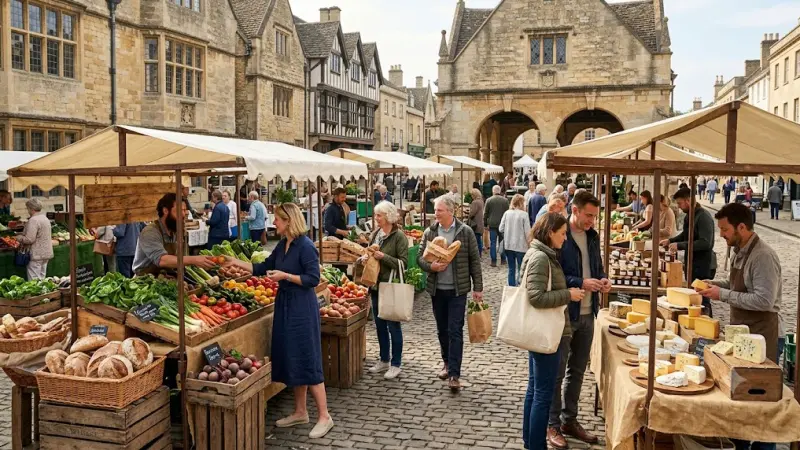
The South West of England is globally recognised as a powerhouse of British agriculture, and nowhere is this more evident than in the county of Somerset. From the rolling Mendip Hills to the fertile Somerset Levels, the region produces some of the finest food and drink in the United Kingdom. For food lovers, tourists, and commercial chefs alike, discovering the Top-Rated Farmers Markets in Somerset This Year is the ultimate way to access this agricultural bounty directly from the source.
If you are looking to explore the Top-Rated Farmers Markets in Somerset This Year, you are stepping into a vibrant, community-driven economy. These markets are not just retail spaces; they are historic meeting points where provenance, quality, and low food miles are championed. Whether you are a local resident doing your weekly shop, a visitor wanting to experience the authentic taste of the West Country, or a restaurateur sourcing premium ingredients, navigating these markets requires insider knowledge. This comprehensive guide will explore the industry landscape, detail the finest market locations, provide commercial buyer guidance, and highlight exactly what makes Somerset's market culture so exceptional.
The Agricultural and Economic Landscape of Somerset Markets
Before exploring the individual locations of the Top-Rated Farmers Markets in Somerset This Year, it is crucial to understand the industry overview and the current UK trends driving their popularity. The British food retail sector has undergone a massive shift over the last decade. Consumers are increasingly turning their backs on the homogenized offerings of major supermarkets, seeking instead traceability, high animal welfare standards, and hyper-local sourcing.
Current UK Trends in Local Sourcing
The demand for traceable, farm-to-fork produce has surged. Post-pandemic shopping habits and an increased awareness of carbon footprints have led to a renaissance for the traditional market town. Shoppers want to look the farmer in the eye and ask exactly how the livestock was reared or which heritage seeds were used for the vegetables. This shift heavily supports a sustainable agriculture and local food system, keeping money circulating within the local rural economy rather than being siphoned off by multinational corporations.
Somerset, with its rich dairy heritage and sprawling apple orchards, is perfectly positioned to capitalise on this trend. The county operates a robust network of cooperative and independent markets, ensuring that money spent on food directly funds the preservation of the Somerset countryside and traditional farming techniques.
Market Insights and Commercial Viability
For small-scale farmers and artisan creators, these markets act as vital commercial incubators. Renting a pitch at a local market is drastically more affordable than securing high street retail premises. It allows the best local food producers in Somerset to test new products, gather immediate customer feedback, and build a loyal brand following. Many businesses that began under a small gazebo in a Somerset market square have grown into national brands, securing listings in premium retailers like Waitrose, Fortnum & Mason, and Harvey Nichols.
Detailed Profiles: Somerset's Premier Market Towns
Somerset’s market network is diverse, ranging from small, weekly community gatherings to massive, town-wide monthly festivals. Below is an authoritative breakdown of the most celebrated markets operating this year.
Wells Farmers Market: Historic Excellence
Operating in the shadow of the magnificent Wells Cathedral and the moated Bishop's Palace, the Wells Farmers Market is arguably one of the most picturesque retail environments in the UK. Held every Wednesday and Saturday in the historic market place at the top of the High Street, it has long been a staple of the Somerset food scene.
When planning a visit, checking the Wells market opening times and stalls is essential, as the market operates slightly different footprints depending on the day, usually running from 9:00 am until mid-afternoon. With over 50 stalls regularly in attendance, the quality control is incredibly stringent.The market's dedication to high-quality, local food stalls enabled it to secure a prestigious Gold Award in the Taste of the West hospitality awards, a highly coveted mark of excellence in the South West food and drink industry.
Buyers at Wells can expect a comprehensive array of goods. It is an exceptional place to find an artisan bakery and fresh meat suppliers, alongside seasonal game, freshly caught seafood from the nearby coast, and an abundance of local dairy.
The Frome Markets: A Dual Identity
The town of Frome takes its market culture incredibly seriously, offering two distinct but equally vital market experiences.
Firstly, the traditional Frome Farmers' Market takes place on the second Saturday of every month at Boyle Cross, the town's original, historic market venue. This is a traditional, food-focused affair, perfect for the weekly shop, offering everything from organic vegetables to locally reared beef.
Secondly, the town hosts The Frome Independent. This is not just a farmers market; it is a sprawling, town-wide festival of food, craft, vintage goods, and music.Taking place on the first Sunday of the month from March to December, the entire town centre is closed to traffic. To secure accommodation or even a parking space, it is highly recommended to check the Frome Independent artisan market dates well in advance, as the event draws tens of thousands of visitors from across the country. The food section of The Frome Independent is staggering, featuring the very best of Somerset's street food alongside premium agricultural produce.
Axbridge Farmers Market: The Quintessential Square
For a truly traditional, atmospheric experience, Axbridge is unparalleled.Held on the first Saturday of every month, this market is
situated in a 400-year-old market square surrounded by medieval timber-framed buildings, including King John's Hunting Lodge.
The layout provides a perfect canopy market setting, usually hosting around 25 carefully curated stalls. Engaging with the Axbridge market square local vendors offers a deeply personal shopping experience.Here, you will find highly specialised producers such as Bath Soft Cheese, Somerset Charcuterie (using traditional artisan methods with West Country flavours), and Wesley Cottage Bees offering direct-from-the-beekeeper honey. The intimate nature of Axbridge makes it ideal for buyers who want to have lengthy conversations with producers about their farming methods.
Taunton Farmers Market: High Street Heritage
The county town of Somerset boasts a fiercely independent, cooperative-run market.The Taunton high street farmers market takes place every Thursday, transforming the main shopping precinct into a bustling hub of agricultural commerce.
Because it is run directly by a cooperative of local farmers and producers, the emphasis here is strictly on provenance. You will not find imported goods or mass-produced items here.It is an award-winning venue that caters heavily to the local workforce and residents looking to do their weekly grocery shopping with ethical, high-quality ingredients.
What to Source: A Guide to Somerset Produce
When visiting these markets, knowing what the region specialises in ensures you leave with the finest goods. Somerset has distinct "terroir"—a term usually reserved for wine, but equally applicable to the region's grass, soil, and climate, which directly impacts the flavour of its produce.
Dairy and Cheese
Somerset is the birthplace of Cheddar cheese, originating in the village of Cheddar, situated in the Mendip Hills. At any top-tier Somerset market, you will find authentic, cave-aged Cheddar that bears little resemblance to the mass-produced supermarket blocks. Beyond Cheddar, the county produces exceptional soft cheeses, unpasteurised bries, and complex goat’s cheeses. When seeking award-winning Somerset cheese and cider, look for producers who manage their own dairy herds, ensuring complete control over the milk quality.
Cider and Apple Products
The county is synonymous with cider-making. Traditional Somerset cider is made from specific varieties of cider apples, pressed and fermented slowly. Markets are the perfect place to sample everything from bone-dry, cloudy scrumpy to sophisticated, champagne-method sparkling ciders. You will also find farm-pressed apple juices, cider vinegars, and apple-based preserves.
Meat, Poultry, and Game
The pasture-rich landscape of Somerset is ideal for rearing high-welfare livestock. The markets are heavily populated by farmers selling native and heritage breeds of beef (such as Ruby Red Devon or Aberdeen Angus), outdoor-reared pork (like the Gloucestershire Old Spot), and salt-marsh lamb. Furthermore, during the autumn and winter months, the markets are an excellent source for wild venison, pheasant, and partridge sourced from local estates.
Fruit and Vegetables
To truly eat seasonally, you must source directly from the growers. Those looking to buy organic vegetables from Somerset farms will find an abundance of produce grown without synthetic pesticides or fertilisers. From early spring asparagus to robust winter root vegetables, the seasonal rotation dictates the stalls' offerings. Look for the Soil Association organic certification logo if strict organic compliance is important to your purchasing decisions.
Commercial Buyer Guidance: Sourcing for Hospitality
Farmers markets are not solely B2C (business-to-consumer) environments. They are vital networking hubs for the hospitality sector. Head chefs, pub landlords, and independent deli owners from Bath, Bristol, and beyond frequently use Somerset markets to establish supply chains.
Building B2B Relationships
If you are sourcing for a restaurant, approaching a stallholder requires a different strategy than a retail customer. Visit the market early—often before the official opening time—to speak with farmers before the crowds arrive. Discussing wholesale pricing, delivery logistics, and seasonal menu planning is much easier when the vendor is not busy serving a queue of retail customers.
Selection Criteria for Suppliers
When evaluating a new supplier at a market, commercial buyers should consider:
-
Production Capacity: Can the artisan bakery supply 100 loaves a day to your restaurant, or are they strictly a small-batch operation?
-
Consistency: Can the meat supplier guarantee a consistent fat content and cut size for your menu specifications?
-
Delivery Logistics: Many small farmers do not have refrigerated distribution networks. You must establish whether
they can deliver to your kitchen safely, or if you must arrange collection.
-
Seasonality: A true local vegetable grower cannot supply tomatoes in December. Commercial buyers must be prepared to write highly flexible, hyper-seasonal menus if they commit to local sourcing.
Comparison Table: Top Somerset Markets at a Glance
To assist buyers, tourists, and locals in planning their market visits, the following comparison table evaluates the top locations across the county based on size, frequency, and atmosphere.
| Market Name | Location / Setting | Frequency | Best Suited For | Key Atmosphere / Vibe |
| Wells Farmers Market | Historic Market Place, near Cathedral | Every Wednesday & Saturday | Mid-week grocery shopping, historical tourism | Bustling, traditional, scenic |
| The Frome Independent | Entire Town Centre | 1st Sunday of the month (Mar-Dec) | A full day out, street food, artisan crafts, vintage | Festival-like, crowded, vibrant |
| Axbridge Farmers Market | 400-year-old Market Square | 1st Saturday of the month | Intimate interactions with specialist producers | Historic, quaint, relaxed |
| Taunton Farmers Market | High Street Precinct | Every Thursday | Essential grocery shopping, local workforce lunches | Practical, cooperative-led, busy |
| Crewkerne Farmers Market | Town Centre | 4th Saturday of the month | South Somerset locals, traditional produce | Community-focused, friendly |
Expert Tips for Navigating Somerset Markets
To maximise the value of your visit, whether you are spending £10 on some local honey or £500 on a commercial meat order, follow these expert tips.
Arrive Early
The best produce sells out rapidly. If you want the choicest cuts of meat, the freshest sourdough loaves, or the most vibrant seasonal flowers, you must arrive as the market opens. Bakers, in particular, often sell out of their most popular items within the first two hours of trading.
Bring the Right Equipment
Do not rely on stallholders to provide plastic bags. Bring sturdy, reusable canvas bags. More importantly, if you are travelling a distance, bring cool bags equipped with ice packs. You do not want a premium piece of unpasteurised raw milk cheese or expensive fresh meat spoiling in the boot of your car on a warm summer afternoon.
Talk to the Vendors
The primary advantage of a farmers market is direct access to the producer. Ask them how to cook a specific cut of meat, how to store their cheese, or what apples they used in their cider. Their passion and knowledge are unparalleled, and they can offer culinary advice that no supermarket label could ever provide.
Understand the Seasons
You will be disappointed if you visit a true farmers market expecting to find strawberries in October or sweetcorn in April. Embrace the British agricultural calendar. Understand that the "hungry gap" in early spring means fewer fresh vegetables, while late summer and autumn offer an overwhelming abundance of harvest produce.
Common Mistakes to Avoid
Even seasoned shoppers can make errors when navigating agricultural markets. Avoid these common pitfalls to ensure a successful trip.
-
Relying on Card Payments: While the vast majority of vendors now accept contactless card payments via mobile terminals, rural internet connectivity in Somerset market squares (like Axbridge or rural villages) can sometimes fail. Always carry a reasonable amount of cash to avoid leaving empty-handed when card machines drop their signal.
-
Assuming Everything is Local: While strict farmers markets audit their stallholders to ensure local provenance, some town markets mix artisan producers with general traders. Look for signage, ask questions about where the farm
is located, and be wary of stalls selling items that obviously cannot be grown in the UK (like cheap bananas or pineapples) masquerading as local farm produce.
-
Ignoring the Weather: Outdoor canopy markets are exposed to the elements. Somerset is prone to rain. Dress appropriately, wear sensible footwear (especially in cobbled squares like Wells), and understand that severe weather can sometimes lead to reduced stall numbers or early closures.
-
Forgetting to Check Trading Dates: Not all markets operate weekly. Turning up to Axbridge on the second Saturday of the month, or Frome on the third Sunday, will result in an empty square. Always double-check schedules before travelling.
The Future of Somerset's Market Economy
The trajectory for local food markets in the South West remains incredibly strong. As consumer awareness regarding food miles, packaging waste, and environmental sustainability grows, the traditional farmers market is evolving from a niche weekend activity into a primary grocery sourcing method for a growing demographic.
Furthermore, the integration of technology is changing how these markets operate. Many producers now offer "click and collect" services, allowing customers to pre-order their favourite cuts of meat or seasonal veg boxes online during the week, and simply collect them from the market stall on the weekend. This hybrid model provides financial security for the farmer (who knows exactly what they have sold before loading their van) and convenience for the modern consumer.
For those looking to enter the industry on the supply side, the barrier to entry remains accessible, though competitive. Understanding how to navigate Somerset farmers market stallholder applications requires having a unique selling proposition, spotless hygiene certifications, and a genuine commitment to local sourcing, as market managers carefully curate their offerings to prevent oversaturation of similar products.
Ultimately, the network of seasonal produce and craft markets South West represents the very best of British food culture. It is a resilient, passionate, and deeply knowledgeable sector that continues to thrive by offering what supermarkets simply cannot: genuine connection, uncompromised quality, and a profound respect for the land.
FAQs
1. What time do most farmers markets in Somerset start?
While times vary slightly by location, the vast majority of markets in Somerset, including Wells, Taunton, and Axbridge, begin trading at 9:00 am. It is highly recommended to arrive before 10:00 am for the best selection of popular items like artisan bread and specific cuts of meat.
2. Are dogs allowed at Somerset farmers markets?
Generally, yes. Because these markets are held outdoors in public town squares and high streets, well-behaved dogs on leads are almost always welcome. However, it is courteous to keep dogs away from low-lying food displays and to be mindful of crowded areas, particularly at massive events like The Frome Independent.
3. Do Somerset markets operate all year round?
Most of the established markets operate 12 months a year, rain or shine. However, the volume and type of produce will vary drastically depending on the season.Some specific events, like The Frome Independent, take a winter break, usually running only from March through to December.
4. Can I buy non-food items at these markets?
Yes. While the primary focus is on agricultural produce, most markets allocate a percentage of their pitches to local artisans. You will frequently find stalls selling handmade soaps, ceramics, woven willow baskets, wooden crafts, and locally grown cut flowers alongside the food vendors.
5. How do I know if the produce is genuinely local?
Strict farmers markets (often affiliated with local cooperatives or the Somerset Farmers' Markets organisation) have strict rules stipulating that produce must be grown, reared, or processed within a specific radius of the market (usually 30 to 50 miles). Don't be afraid to ask the stallholder directly where their farm or kitchen is located; genuine producers are always proud to share their provenance.
Disclaimer: The information provided in this article is for general informational and research purposes only. Company details, features, services, and market positions may change over time. Readers are advised to visit official company websites and conduct independent research before making any business decisions or purchasing services.
Most Searchable Keywords
Recent Blogs
-

Farmers Markets in Somerset You Should Visit This Year
-
Disabled Facilities Grant Everything UK Residents Need
-
Cyclosporiasis Cases Rise Among UK Travellers Returning From Mexico: Health Officials Issue Fresh Warning
-
ICC Men's Cricket World Cup 2027 Venues Announced: Complete List of Stadiums, Host Cities, Tournament Brand and Latest Updates
-
Strictly Come Dancing Pros Net Worth Salary and Personal Life


Related Listings
Categories
- Accountants (295)
- Advertising Agencies (559)
- Architects (149)
- Automobiles (377)
- Beauty (300)
- Carpenters (146)
- Cleaning Services (387)
- Dentists (189)
- Driving (62)
- Education (1)
- Electricians (215)
- Energy (8)
- Event Organiser (686)
- Finance (602)
- Guide (3383)
- Health (2207)
- Information technology (206)
- Legal Services (359)
- Logistics (6)
- Maintenance (65)
Sponsored Listings in Manufacturing Services


Related Blogs
Farmers Markets in Somerset You Should Visit...
Read this insightful article "Farmers Markets in Somerset You Should Visit This Year" to expand your knowledge!

Disabled Facilities Grant Everything UK Resid...
Read this insightful article "Disabled Facilities Grant Everything UK Residents Need" to expand your knowledge!

Cyclosporiasis Cases Rise Among UK Travellers...
Read this insightful article "Cyclosporiasis Cases Rise Among UK Travellers Returning From Mexico: Health Officials Issue Fresh Warning" to...
Questions & Answers – Find What
You Need, Instantly!
How can I update my business listing?
Is it free to manage my business listing?
How long does it take for my updates to reflect?
Why is it important to keep my listing updated?
