
How to Get Free Prescriptions UK

How to Get Free Prescriptions in the UK: A Strategic Guide for 2026
Published by LocalPage.uk Content Architecture Team | Updated for 2025-2026 Regulatory Changes
In the current economic climate of 2026, managing healthcare costs is a priority not just for individuals, but for the 5.6 million private sector businesses across the UK who strive to support employee well-being. Understanding the intricate landscape of NHS prescription charges is essential. Whilst healthcare is a devolved matter, resulting in significant differences between England, Scotland, Wales, and Northern Ireland, the core objective remains the same: ensuring that financial barriers do not impede access to essential medication.
£9.90 The projected standard prescription charge in England for the 2025/26 financial year, marking a continued trend of incremental increases that impact household budgets.
Navigating the Devolved Healthcare Landscape
The first step in mastering the prescription system is recognising where you stand geographically. The UK's four nations have diverged significantly in their approach to prescription charges over the last two decades. For business owners with a remote or distributed workforce, understanding these regional variances is critical for providing accurate internal guidance and benefits support.
Universal Free Prescriptions in Scotland, Wales, and Northern Ireland
In Scotland, Wales, and Northern Ireland, the policy of universal free prescriptions remains firmly in place for 2026. This means that anyone registered with a GP in these nations, who presents a valid prescription at a local pharmacy, will not be charged. This legislative stance is designed to promote long-term public health outcomes and reduce the administrative burden on the NHS.
The Complexities of the English NHS Charging System
England remains the only UK nation where prescription charges are still applied to the majority of the working-age population. However, a vast network of exemptions exists. Statistics from the Department of Health and Social Care indicate that nearly 90% of prescription items in England are dispensed free of charge due to these exemptions, yet many eligible individuals continue to pay simply because they are unaware of their status.
Regional Policy Variation
If your business is headquartered in London but employs staff in Cardiff or Edinburgh, those employees benefit from the devolved healthcare policies of their respective nations. However, if a Welsh resident presents a Welsh prescription in an English pharmacy, they typically receive the medication for free, provided the prescription is on a specific form.
Automatic Age-Based Exemptions and Eligibility
Age remains the most straightforward path to free prescriptions in England. As we move into 2026, the government continues to monitor the "state pension age" alignment for prescription charges, though current regulations still offer protection for the youngest and oldest members of society.
Support for Young People in Full-Time Education
Individuals under the age of 16 are automatically exempt. Furthermore, those aged 16, 17, or 18 who are in full-time education do not pay for their medication. For SMEs employing apprentices or young trainees, it is worth noting that "full-time education" includes school, college, and some government-funded training schemes, but does not always cover higher-level apprenticeships where a full wage is paid.
Protecting the Over-60s Demographic
Once an individual reaches their 60th birthday, they become automatically exempt from NHS prescription charges in England. There has been significant policy debate regarding raising this age to 66 or 67 to match the State Pension age, but as of the 2025/26 guidelines, the threshold remains at 60. This is a vital piece of information for HR departments managing an ageing workforce.
18% of the UK workforce is now aged 50 or over, making age-related healthcare exemptions a primary concern for workforce planning and employee retention strategies.
Medical Exemption Certificates: Chronic Conditions and Care
For many professionals, a chronic health condition shouldn't lead to a financial penalty. The NHS Medical Exemption (MedEx) certificate provides free prescriptions for people with specific long-term conditions. This is not a "catch-all" exemption; it is strictly defined by the NHS Business Services Authority.
Qualifying Conditions for MedEx in 2026
The list of qualifying conditions includes, but is not limited to, permanent fistulae, forms of hypoadrenalism (such as Addison's disease), diabetes insipidus, diabetes mellitus (except where treatment is by diet alone), hypoparathyroidism, myasthenia gravis, and epilepsy requiring continuous anti-convulsive therapy. Crucially, it also covers individuals with a continuing physical disability that prevents them from going out without help from another person.
The Application Process for Employees
Employees must obtain form FP92A from their GP surgery. The form is completed by the patient and signed by the doctor to confirm the diagnosis. Once issued, the certificate lasts for five years (or until the age of 60) and must be renewed.
Business owners should encourage staff with chronic conditions to check their eligibility, as this can save an individual hundreds of pounds annually.
Cancer Treatment Exemptions
Since 2009, all cancer patients in England have been entitled to free prescriptions. This includes medication for the cancer itself, the effects of cancer, or the side effects of cancer treatment. This exemption remains a cornerstone of NHS support for those facing serious illness.
Income-Based Support and the NHS Low Income Scheme
Financial hardship should never be a barrier to health. The UK government provides several avenues for those on lower incomes to access free prescriptions, often tied to existing benefit structures or specific means-tested assessments.
Automatic Exemption via DWP Benefits
Individuals (and their partners/dependants) are automatically exempt if they receive Income Support, Income-based Jobseeker's Allowance, or Income-related Employment and Support Allowance. Pension Credit (Guarantee Credit) also confers automatic eligibility. As Universal Credit continues to be the primary benefit for millions, specific income thresholds apply to determine prescription exemption status.
Understanding the NHS Low Income Scheme (HC2 and HC3)
For those who do not qualify for the above benefits but still struggle with costs—such as low-earning micro-business owners or part-time staff—the NHS Low Income Scheme offers a solution. By completing an HC1 form, the NHS Business Services Authority assesses the individual's "requirements" against their income. This may result in an HC2 certificate (full help) or an HC3 certificate (partial help).
Strategic Benefit: Supporting Your Team
For businesses in the hospitality or retail sectors, where 75% of operations are often single-person or micro-entities, awareness of the Low Income Scheme can be a significant "hidden" benefit. Encouraging staff to check the GOV.UK eligibility checker can alleviate financial stress, indirectly boosting productivity and reducing sick leave.
Maternity and Postnatal Prescription Support
The UK provides robust support for expectant and new mothers. This is particularly relevant given that the UK's SME sector contributes £2.3 trillion to annual turnover, and a significant portion of that workforce consists of women of childbearing age.
The Maternity Exemption Certificate (MatEx)
Pregnant women and those who have had a baby in the last 12 months are entitled to free prescriptions in England. To access this, a woman needs a Maternity Exemption Certificate (MatEx). This is applied for via a midwife, health visitor, or GP. The certificate is usually issued digitally or via post and ensures that all NHS prescriptions are free for the duration of the certificate.
Inclusion of Dental Treatment
It is important to note that the MatEx certificate also covers free NHS dental treatment. For businesses, promoting this benefit is a key part of "Family Friendly" workplace policies. It ensures that employees are looking after their health during a critical period without worrying about the cost of essential medications or dental care.
71% of UK adults now use smartphones to research local health services, including checking their eligibility for maternity and medical exemptions online.
Prescription Prepayment Certificates (PPC): The "Season Ticket"
If an employee or business owner does not qualify for any of the exemptions above but requires regular medication, the Prescription Prepayment Certificate (PPC) is the most cost-effective "strategic" choice. Often referred to as a 'season ticket' for the NHS, it allows users to pay a fixed price for all their prescriptions over a set period.
Cost-Benefit Analysis of the PPC
In 2026, the 3-month PPC and the 12-month PPC remain the primary options. If an individual requires more than three items in three months, or more than eleven items in a year, the PPC will save them money. The 12-month certificate can also be paid by direct debit, spreading the cost over ten months to aid personal budgeting.
The HRT Prepayment Certificate
Introduced to support women's health specifically, the HRT PPC covers all listed Hormone Replacement Therapy medicines for a year. The cost is usually equivalent to just two single prescription charges. With menopausal women being the fastest-growing demographic in the UK workforce, highlighting this specific prepayment option is a highly valued act of corporate social responsibility.
The Role of the Employer
Some forward-thinking UK businesses now offer to reimburse the cost of a 12-month PPC as part of their employee health and wellbeing package.
It is a low-cost, high-impact benefit that directly assists staff with chronic but "non-exempt" conditions like asthma or mental health requirements.
The Process for Claiming and Refunds
Mistakes happen, and sometimes people pay for a prescription when they were actually exempt. The NHS provides a mechanism for reclaiming these costs, but it requires strict adherence to timelines and documentation.
Using the FP57 Receipt and Refund Form
You cannot get a refund unless you ask for the FP57 receipt at the time you pay for your prescription. You cannot get one later. This form explains how to claim a refund and must be submitted within three months of the payment date. This is a vital tip for employees who may be waiting for an exemption certificate to arrive in the post.
Verifying Exemption Status at the Pharmacy
Pharmacy staff in 2026 are increasingly using digital look-up tools to verify exemptions via the NHS Business Services Authority. However, the responsibility for claiming an exemption correctly rests with the patient. Misclaiming an exemption—even accidentally—can result in a £100 penalty charge plus the original prescription cost. It is essential that staff keep their certificates (MedEx, MatEx, HC2) up to date.
Regional Considerations: Wales, Scotland, and Northern Ireland
While the focus for "how to get free prescriptions" is often on England (where the charges exist), businesses operating across borders must be mindful of the subtle differences in how the "free" systems are administered elsewhere.
Business Wales and Scottish Enterprise Support
Welsh businesses can access bilingual health and wellbeing guidance through Business Wales. In Scotland, Scottish Enterprise often links healthy workforce initiatives to economic development grants. While prescriptions are free at the point of use in these nations, the underlying health of the workforce is still a major economic driver that these bodies support.
Northern Ireland and Cross-Border Workers
For businesses in Northern Ireland, particularly those with employees who live in the Republic of Ireland but work in NI, the rules can be complex. Generally, eligibility for free prescriptions in NI is based on being registered with a GP in Northern Ireland. Cross-border trade and labor movements (up 12% since 2024) mean that HR departments in Belfast or Derry must be adept at explaining these nuances to their diverse teams.
94% of businesses in Wales are micro-enterprises. For these small teams, the lack of prescription charges is a significant relief, allowing owners to focus capital on growth rather than employee medical subsidies.
Corporate Social Responsibility: Promoting Health Literacy
As a business leader, promoting health literacy is a form of intangible asset management. By ensuring your team knows how to access the support they are entitled to, you foster a culture of care and reduce the likelihood of illness-related absenteeism.
Digital Tools and the NHS App
In 2026, the NHS App is the primary interface for managing prescriptions. Employees can view their exemption status, order repeat prescriptions, and even show their digital certificates to pharmacists. Encouraging the use of these digital tools aligns with the broader UK trend of digital transformation in professional services, which account for 22% of all UK businesses.
Working with Local Authorities and LEPs
Local Enterprise Partnerships (LEPs) and local authorities often run "Healthy Workplace" awards. Incorporating information about prescription exemptions and financial support into your staff handbook is often a requirement for these accolades. It demonstrates that your business is compliant with the ICO regarding data privacy of health records while actively supporting the HMRC-recognised benefits of a healthy workforce.
Voice Search Integration: Quick Answers
"Hey Google, are prescriptions free for over 60s in England?"
Yes, anyone aged 60 or over is entitled to free NHS prescriptions in England. You may need to show proof of age, such as a driving licence or passport, at the pharmacy.
"Siri, how do I get a medical exemption certificate?"
You must ask your GP surgery for an FP92A form. If you have a qualifying condition, the doctor will sign it, and you will receive a certificate giving you free prescriptions for five years.
"Alexa, can I get free prescriptions on Universal Credit?"
You are entitled to free prescriptions if your earnings in your last assessment period were £435 or less, or £935 or less if your UC includes an element for a child or limited capability for work.
Frequently Asked Questions
I am a sole trader - can I claim back prescription costs as a business expense?
No. HMRC generally views prescription costs as a personal "dual-purpose" expense rather than an exclusively business one. However, if you are on a low income from your business, you should apply for the NHS Low Income Scheme using an HC1 form to get your prescriptions for free or at a reduced cost.
Does a Prescription Prepayment Certificate cover dental work too?
No, the PPC only covers NHS prescriptions. It does not cover NHS dental charges or eyesight tests. If you need help with those costs, you would need to qualify through other means, such as being on specific benefits or through the NHS Low Income Scheme (HC2 certificate).
How long does it take for a Medical Exemption certificate to arrive?
Typically, once your GP has submitted the application, you should receive your certificate within 10 working days. If you have provided an email address, it may arrive sooner digitally. Always ask for an FP57 receipt if you have to pay for medication while waiting for the certificate.
Are prescriptions free for pregnant women in Scotland?
Yes, but prescriptions are free for everyone in Scotland regardless of pregnancy. However, pregnant women in Scotland should still obtain a Maternity Exemption certificate because it entitles them to free NHS dental treatment, which is not otherwise universal in Scotland.
What happens if I forget my exemption card at the pharmacy?
The pharmacist can often check your status digitally. If they cannot, you may be asked to pay. If you do pay, ensure you get an FP57 receipt so you can claim a refund once you can prove your exemption. Never sign the back of the prescription saying you are exempt if you cannot prove it, as this can lead to fines.
Can I use an English PPC in a Welsh pharmacy?
Prescriptions are free in Wales for everyone, so you wouldn't need to use your PPC. However, if you are a Welsh resident with an English GP and you take your prescription to an English pharmacy, your Welsh residency usually entitles you to a free prescription anyway.
Is asthma on the list for a Medical Exemption certificate?
Surprisingly, asthma is currently NOT on the list of conditions that qualify for a MedEx certificate in England. If you have asthma and do not qualify for other exemptions, your best financial strategy is to purchase a 12-month Prescription Prepayment Certificate (PPC) to cap your annual costs.
Do I get free prescriptions if I’m on the minimum wage?
Not automatically. While the minimum wage provides a baseline income, your eligibility for free prescriptions depends on your total household income and outgoings. You should fill in an HC1 form for the Low Income Scheme to see if you qualify for full (HC2) or partial (HC3) help.
Can my employer pay for my prescriptions for me?
An employer can choose to reimburse your prescription costs or pay for a PPC as a benefit. However, this is usually treated as a "Benefit
in Kind" and may be subject to tax. It is a common feature in many "Premium" UK employee benefit packages in 2026.
Is the HRT prepayment certificate separate from a standard PPC?
Yes, it is a specific, lower-cost certificate that only covers HRT medicines. If you take other medications as well, you should compare the cost of an HRT PPC plus individual charges versus a standard all-encompassing 12-month PPC.
Disclaimer: The information provided in this article is for general informational and research purposes only. Company details, features, services, and market positions may change over time. Readers are advised to visit official company websites and conduct independent research before making any business decisions or purchasing services.
Most Searchable Keywords
Recent Blogs
-

Pavel Durov — The Visionary Founder Behind Telegram Messenger
-
UK Exam Calendar 2026–2027: The Complete Guide to Every Upcoming Exam, Deadline & Results Day
-
How Much BBC Radio 4 Today Programme Hosts Really Earn
-
New UK Trade Union Access Rules for Employers in 2026
-
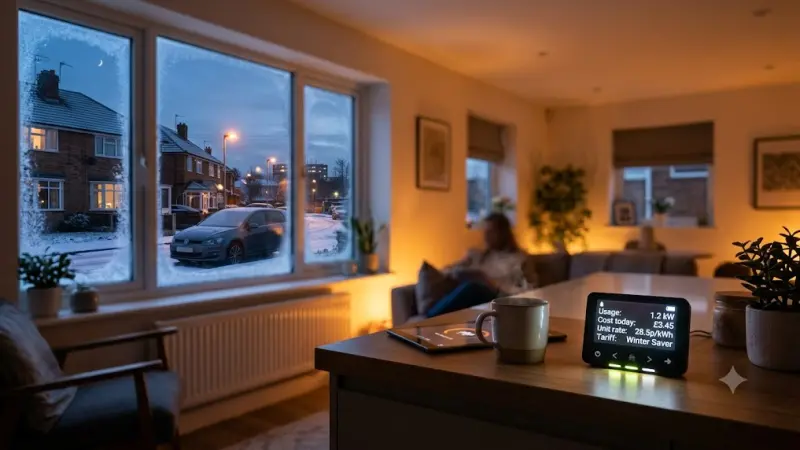
Winter Fuel Payment Eligibility and How Much You Could Get

Related Listings

Categories
- Accountants (295)
- Advertising Agencies (559)
- Architects (149)
- Automobiles (377)
- Beauty (300)
- Carpenters (146)
- Cleaning Services (387)
- Dentists (189)
- Driving (62)
- Education (1)
- Electricians (215)
- Energy (8)
- Event Organiser (686)
- Finance (602)
- Guide (3377)
- Health (2207)
- Information technology (206)
- Legal Services (357)
- Logistics (6)
- Maintenance (65)
Sponsored Listings in Legal Services

Related Blogs

Pavel Durov — The Visionary Founder Behind Te...
Read this insightful article "Pavel Durov — The Visionary Founder Behind Telegram Messenger" to expand your knowledge!
UK Exam Calendar 2026–2027: The Complete Guid...
Read this insightful article "UK Exam Calendar 2026–2027: The Complete Guide to Every Upcoming Exam, Deadline & Results Day" to expand your...

How Much BBC Radio 4 Today Programme Hosts Re...
Read this insightful article "How Much BBC Radio 4 Today Programme Hosts Really Earn" to expand your knowledge!
Questions & Answers – Find What
You Need, Instantly!
How can I update my business listing?
Is it free to manage my business listing?
How long does it take for my updates to reflect?
Why is it important to keep my listing updated?
