
Why Regular Water Purification Maintenance Matters for UK Homes
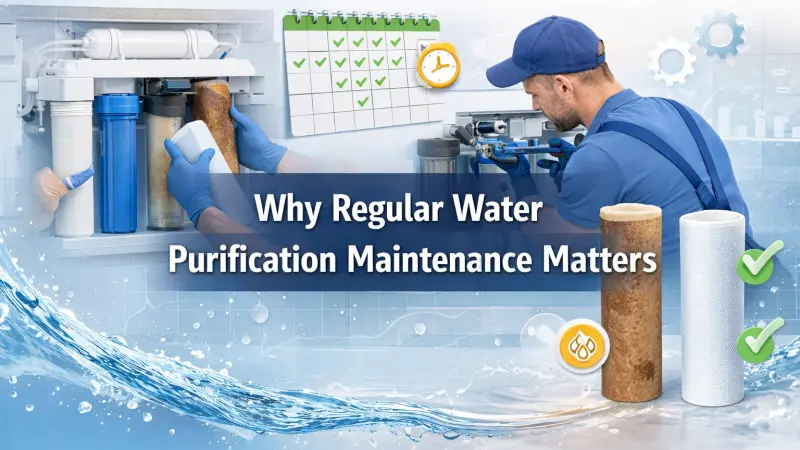
Have you ever considered the complex journey water takes before it reaches your kitchen tap or your office water cooler? In the United Kingdom, we are fortunate to have some of the most stringently regulated tap water in the world, yet many households and commercial entities choose to implement secondary purification systems to further enhance quality, taste, and safety. However, the installation of a high-quality filtration unit is only the beginning of the journey. Without a dedicated schedule of professional upkeep and component replacement, even the most advanced purification technology can eventually become a liability rather than an asset. Understanding the mechanics of system degradation and the biological risks associated with neglected filters is essential for anyone committed to long-term health and infrastructure preservation.

The Scientific Necessity of Filter Servicing
Water purification systems operate on various physical and chemical principles, including mechanical straining, adsorption, and ion exchange. Over time, each of these mechanisms reaches a point of exhaustion. For instance, activated carbon filters work by attracting organic compounds to their porous surface. Once every available site on the carbon block is occupied by a contaminant molecule, the filter can no longer perform its primary function. At this stage, a phenomenon known as "breakthrough" can occur, where the accumulated impurities are suddenly released back into the water stream in concentrated bursts.
Sediment filters, on the other hand, act as physical barriers. As they trap silt, rust, and microplastics, the gaps between the filter fibres become increasingly clogged. This leads to a measurable drop in water pressure and places unnecessary mechanical stress on the plumbing system. Regular maintenance ensures that these barriers are replaced before they impede flow or allow bypass, where water finds a path around the filter rather than through it.
Mitigating Biological Risks and Biofilm Development
One of the most critical reasons for consistent maintenance is the prevention of bacterial colonisation. When a filtration system sits idle or exceeds its service life, the dark, damp environment inside the housing becomes an ideal breeding ground for microorganisms. Biofilm—a slimy layer of bacteria and extracellular substances—can form on the surface of membranes and filter media. While the incoming water may be chlorinated, the purification process often removes this disinfectant, leaving the treated water vulnerable to secondary contamination within the device itself.
Routine sanitisation of the system housing and the timely replacement of UV lamps or antimicrobial cartridges are vital steps in breaking the cycle of biological growth.
In a clinical or laboratory setting, this is a non-negotiable requirement, but it is equally important in residential environments where vulnerable individuals, such as the elderly or young children, are consuming the water daily.
Protecting Domestic and Industrial Infrastructure
In many regions of the UK, particularly in the South and East of England, "hard water" poses a significant challenge to infrastructure. High concentrations of calcium and magnesium carbonates lead to the formation of limescale. Water softeners and scale-reduction systems are designed to manage this, but they require regular replenishment of ion-exchange resins or salt blocks. When these systems are neglected, limescale begins to accumulate in boilers, dishwashers, and internal pipework. This not only reduces the energy efficiency of heating elements but can also lead to premature appliance failure and costly emergency repairs.
The Economic Argument for Proactive Care
- Energy Efficiency: A scale-free heating element requires less energy to reach the desired temperature, directly impacting monthly utility bills.
- Appliance Longevity: Reducing the mineral burden on internal components extends the operational lifespan of expensive machinery.
- Component Costs: Replacing a single cartridge is significantly cheaper than replacing a pump or a high-pressure membrane that has been damaged by neglect.
Environmental Implications of System Efficiency
Maintaining a water purification system is also an act of environmental responsibility. When a system operates at peak efficiency, it produces less waste. For example, Reverse Osmosis (RO) systems naturally produce "reject water" that carries away impurities. If the membranes are fouled or the flow restrictors are blocked, the ratio of waste water to purified water increases dramatically. By ensuring the system is calibrated and the membranes are clean, users can minimise their environmental footprint and conserve a precious resource.
Furthermore, an effective home purification system reduces the reliance on single-use plastic bottles. However, if a system is poorly maintained and the water begins to taste unpleasant, users often revert to buying bottled water, thus increasing plastic waste. A reliable, well-maintained tap-based solution is the most sustainable choice for the modern British consumer.
The UK Context and Professional Standards
In the United Kingdom, the importance of water quality is underscored by various building regulations and health standards that apply to both residential and commercial properties. Ensuring that purification equipment is functioning correctly is a matter of compliance for many businesses, particularly those in the hospitality, healthcare, and food production sectors.
By adhering to a strict maintenance schedule, organisations can guarantee the safety of their clients and employees while maintaining the integrity of their operational processes. Professional service providers across the country play a vital role in this ecosystem, offering technical expertise to ensure that systems remain within safe operational parameters.
Practical Steps for Effective Maintenance
Effective maintenance is a combination of user vigilance and professional intervention. Users should familiarise themselves with the manufacturer's guidelines, which typically specify replacement intervals based on either time (e.g., every six months) or volume (e.g., every 5,000 litres). However, these are often general estimates; local water conditions can vary significantly. If the water's clarity, odour, or taste changes, it is an immediate signal that maintenance is overdue.
A Standard Maintenance Checklist
- Visual inspection of all seals and connections to prevent slow leaks.
- Replacement of pre-filters to protect more expensive primary membranes.
- Sanitisation of the internal system to eliminate microbial growth.
- Testing of the output water quality using a TDS (Total Dissolved Solids) meter.
- Recalibration of electronic monitoring systems and flow sensors.
Ensuring Long-Term Reliability and Discoverability
The transition from installing a system to maintaining it requires a shift in mindset from a one-off purchase to a continuous commitment to quality. For many households and companies, findng a trustworthy specialist is the first step toward achieving this peace of mind. In the digital age, the ability for consumers to find verified experts is greatly enhanced by professional networks. Businesses that provide these essential services benefit immensely from appearing in a free business listing directory uk, as it allows local clients to identify reliable technicians quickly. Strengthening an online presence through a Local Page UK ensures that the vital work of maintaining our nation's water standards remains accessible to everyone. Ultimately, fostering a high level of discoverability for specialist providers helps bridge the gap between complex engineering and the daily needs of the public, ensuring that clean, safe water is never more than a well-maintained tap away.
Frequently Asked Questions
How often should I replace my water filter cartridges?
Most manufacturers recommend replacement every 6 to 12 months, but this depends on your local water quality
and the amount of water you consume. High sediment areas may require more frequent changes.
Can I clean and reuse a disposable water filter?
No, disposable cartridges are designed to trap contaminants deep within their structure. Washing them will not remove the embedded impurities and may damage the filter media, rendering it ineffective.
What happens if I forget to maintain my UV steriliser?
UV lamps lose their germicidal effectiveness over time, even if they are still glowing. If the lamp is not replaced annually, it may no longer be killing bacteria and viruses, posing a health risk.
Why has my water pressure dropped after installing a purifier?
A drop in pressure usually indicates that the sediment pre-filter is clogged with debris. This is a sign that the filter is doing its job but now requires replacement to restore flow.
Is professional maintenance necessary for basic jug filters?
While jug filters are user-maintained, it is still vital to follow the replacement schedule
to prevent bacterial growth in the reservoir and ensure the charcoal remains active.
Does a water softener require the same maintenance as a purifier?
Softeners require regular salt top-ups and occasional resin cleaning. They serve a different purpose (removing minerals) but are equally dependent on routine care to protect your plumbing.

Disclaimer: The information provided in this article is for general informational and research purposes only. Company details, features, services, and market positions may change over time. Readers are advised to visit official company websites and conduct independent research before making any business decisions or purchasing services.
Most Searchable Keywords

Recent Blogs
-

Explore Supermarkets in Chepstow and the Surrounding Wye Valley
-
Elite Guide to Taxi and Private Hire Services in Hereford
-
Explore Fuel and Roadside Convenience Across Beckington Today
-
Explore Abergavenny Tyre Services with Expert Local Fitters
-
Claim Your HMRC UK Tax Refund Before Application Deadlines


Related Listings



Categories
- Accountants (295)
- Advertising Agencies (559)
- Architects (149)
- Automobiles (376)
- Beauty (300)
- Carpenters (146)
- Cleaning Services (386)
- Dentists (189)
- Driving (61)
- Electricians (215)
- Energy (7)
- Event Organiser (683)
- Finance (597)
- Guide (3358)
- Health (2205)
- Information technology (206)
- Legal Services (352)
- Logistics (6)
- Maintenance (65)
- Manufacturing (35)

Sponsored Listings in Plumbers
Related Blogs

Explore Supermarkets in Chepstow and the Surr...
Read this insightful article "Explore Supermarkets in Chepstow and the Surrounding Wye Valley" to expand your knowledge!

Elite Guide to Taxi and Private Hire Services...
Read this insightful article "Elite Guide to Taxi and Private Hire Services in Hereford" to expand your knowledge!

Explore Fuel and Roadside Convenience Across...
Read this insightful article "Explore Fuel and Roadside Convenience Across Beckington Today" to expand your knowledge!
Questions & Answers – Find What
You Need, Instantly!
How can I update my business listing?
Is it free to manage my business listing?
How long does it take for my updates to reflect?
Why is it important to keep my listing updated?
