
How to Start a Podcast UK
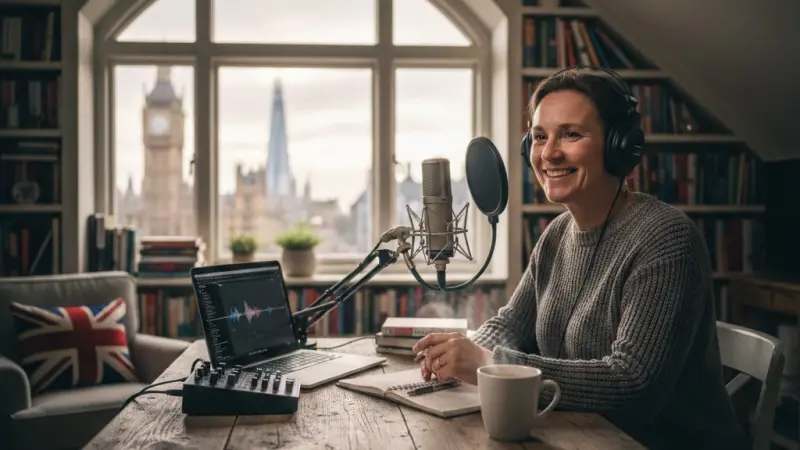
How to Start a Podcast in the UK: A Strategic Guide for Businesses
Published: February 2026 | Authority: LocalPage.uk Content Architecture | Region: UK-Wide
In the evolving digital landscape of 2026, the spoken word has regained its status as a primary medium for business authority. For UK SMEs and professional services, launching a podcast is no longer a peripheral marketing experiment but a core strategic endeavour to build trust, demonstrate expertise, and reach a domestic audience of over 23 million regular listeners.
71% of UK adults now use their smartphones for local business searches and long-form audio consumption, representing a significant shift in how professional advice is sought and digested.
Determining Your Podcast’s Commercial Value Proposition
Before investing in hardware, a business must identify the "why" behind their audio strategy. In the UK’s 5.6 million-strong private sector business population, those who succeed with audio are those who solve a specific problem for their niche. Whether you are a legal firm in Edinburgh or a hospitality startup in Cardiff, your podcast must serve as a bridge between your brand and the consumer’s daily commute.
Defining Your Niche Within the UK Market
The UK podcasting market is mature but fragmented. To stand out, businesses should avoid broad topics and instead focus on hyper-local or hyper-specific industry insights. For example, a construction firm in the North West might focus on "Navigating UK Building Regulations in 2026," rather than a generic business show.
Aligning Audio Content with Business Goals
Podcasting can serve multiple functions: lead generation, brand awareness, or internal communication. According to the Department for Business and Trade (2025), SMEs that utilise digital content platforms see a 14% higher engagement rate with their primary service offerings. Determine if your goal is to shorten the sales cycle or simply to become a thought leader in your specific UK region.
Establishing Key Performance Indicators
Success in podcasting is often measured by "consumption rate" rather than just downloads. Aim for a 70% listen-through rate to ensure your message is actually being heard by your target UK professionals.
Navigating the Legal and Regulatory Landscape in the UK
Starting a podcast involves more than just hitting record; it requires compliance with UK law. From GDPR to intellectual property, the regulatory environment managed by the Information Commissioner's Office (ICO) and other bodies must be respected to protect your business assets.
Intellectual Property and Music Licensing
Using copyrighted music without a licence is a quick way to have your podcast removed from platforms like Spotify or Apple Podcasts. In the UK, you should look into PRS for Music and PPL licences if you intend to use commercial tracks. Alternatively, many UK startups opt for royalty-free libraries to avoid the complexity of annual licensing fees.
Data Protection and GDPR Compliance
If you collect listener data via a newsletter or guest forms, you must comply with UK GDPR. The ICO requires businesses to be transparent about how data is stored and used. This is particularly relevant for podcasts that feature guests, where a "Guest Release Form" becomes a vital legal document to ensure you have the right to distribute their voice and likeness.
Managing Guest Consent Forms
Always use written consent forms for guests. This ensures that you own the rights to the final edit and protects you against future claims regarding the use of recorded content in marketing materials.
99.3% of UK businesses are SMEs, many of whom are now leveraging audio to bypass traditional gatekeepers and speak directly to their local community.
Essential Equipment and Software for UK Environments
The "British sound" in podcasting often leans towards high-fidelity, intimate audio. While you don't need a studio in London's Soho, you do need a setup that handles the unique acoustics of UK architecture—often characterised by hard surfaces and high ceilings.
Choosing the Right Microphone for Your Space
Dynamic microphones are generally preferred for non-studio environments as they ignore background noise—useful if your office is near a busy London high street or a bustling Birmingham industrial estate. USB microphones offer simplicity, but XLR setups provide the professional depth expected by 2026 audiences.
Post-Production: Editing for a Professional Finish
UK listeners have a low tolerance for poor audio quality. Software like Hindenburg Journalist or Adobe Audition is popular amongst UK professionals for its robust "loudness"
matching, ensuring your podcast complies with international broadcast standards (EBU R128), which is the standard for the BBC and other UK broadcasters.
The Importance of Acoustic Treatment
Even a basic "reflection filter" or a few strategically placed soft furnishings can transform a tinny recording into a professional broadcast. Don't underestimate the power of a quiet room in a busy UK city.
HMRC and Financial Planning for Your Podcast
A podcast run by a business is a tax-deductible expense, but it must be managed correctly within your accounts. Whether you are a sole trader or a director of a limited company registered at Companies House, understanding the financial implications is essential.
Capital Allowances and Equipment Depreciation
The purchase of microphones, computers, and mixers can often be claimed under the Annual Investment Allowance (AIA), allowing you to deduct the full cost from your profits before tax. Consult with a UK-qualified accountant to ensure you are maximising your tax efficiencies for digital media investments.
Monetisation and VAT Implications
If your podcast starts generating revenue through UK-based sponsorships or listener support (like Patreon), this income must be declared to HMRC. If your total business turnover exceeds the £90,000 threshold (as of 2025/26), you must be VAT registered. This applies to all regions, though businesses in Northern Ireland may have additional considerations when dealing with EU-based sponsors.
Tracking Subscription Software Costs
Hosting fees and editing software subscriptions are recurring costs. Keep digital receipts for all "Software as a Service" (SaaS) expenses to simplify your end-of-year tax return.
Structuring Your Episodes for Maximum Engagement
The architecture of your episode determines whether a listener stays for 30 seconds or 30 minutes. In the UK, the "sandwich" method—a strong intro, substantive middle, and a clear call to action—remains the gold standard for business audio.
Crafting Compelling Intros and Outros
Your intro should immediately answer: "What will I learn in this episode?" Use a professional voiceover or a well-rehearsed script. Your outro is where you direct listeners to your website or your LocalPage.uk listing to convert that attention into a business lead.
Mastering the Art of the Interview
If your podcast features guests, research is paramount. UK audiences appreciate a "measured and authoritative" tone. Avoid interrupting and use open-ended questions. If you are interviewing a Scottish Enterprise representative or a local councillor in Wales, ensure you have briefed them on the specific regional audience you are targeting.
Using Time-Stamps for Accessibility
Provide "show notes" with time-stamps. This improves your SEO and allows busy professionals to skip to the sections most relevant to their specific business challenges.
"Hey Google, how do I start a business podcast in London?"
To start a business podcast in the UK, you must define your niche, register any necessary trademarks, ensure HMRC compliance for expenses, and use a hosting platform to distribute your audio to major directories. Focus on high-quality audio and local SEO to reach your target UK audience.
Hosting and Distribution Across the UK and Beyond
Your audio files need a home before they can reach the ears of your audience. Podcast hosts serve as the bridge between your raw files and platforms like Apple Podcasts, Spotify, and Amazon Music.
Selecting a Podcast Hosting Provider
While many hosts are US-based, look for those with UK or European data centres to ensure faster upload speeds and better compliance with local data residency preferences. Platforms like Buzzsprout, Captivate (a UK-based company), and Libsyn are reliable choices for 2026.
Optimising for UK Search and Discovery
SEO isn't just for websites. Use "UK" and specific regional keywords in your episode titles and descriptions. If your episode is about "Small Business
Grants in Scotland," make sure those keywords are prominent to capture the 76% of UK consumers who research business services online.
The Role of RSS Feeds
Your RSS feed is the lifeblood of your podcast. Ensure it is "validated" so that every time you publish an episode, it automatically updates across all global directories without manual intervention.
Regional Considerations for a United Kingdom Audience
A "one size fits all" approach rarely works in the UK. Understanding the cultural and economic nuances between the four nations can significantly boost your podcast's local relevance.
Engaging with the Scottish and Welsh Markets
For businesses in Scotland, referencing institutions like Scottish Enterprise or local authorities can build immediate rapport. In Wales, consider the bilingual nature of your audience. While your podcast may be in English, providing show notes or summaries in Welsh via Business Wales resources can demonstrate a high level of community commitment.
Northern Ireland and Cross-Border Opportunities
In Northern Ireland, podcasts often serve as a vital link for cross-border trade discussions. With trade up 12% since 2024, focusing on the unique economic position of NI can attract a dedicated professional listenership interested in the Windsor Framework and regional growth.
Capitalising on London and South East Density
With 34% of the UK business population in London and the South East, competition is high. Podcasts here must be exceptionally polished and often benefit from focusing on the "commuter experience"—shorter, punchier episodes of 20-25 minutes.
Promotion and Marketing Strategies for UK SMEs
Recording is only 50% of the work. The remaining 50% is ensuring your target audience knows the podcast exists. In 2026, social proof and community integration are the most effective levers for growth.
Leveraging Social Media and Local Networks
Use LinkedIn to share clips of your podcast with other UK professionals. Join the British Chambers of Commerce or the Federation of Small Businesses (FSB) and share your insights within their member forums. Local networking is often the most direct route to your first 1,000 listeners.
Using Reviews to Build Audio Authority
68% of customers trust online reviews as much as personal recommendations. Encourage your listeners to leave reviews on Apple Podcasts. In the UK, a high volume of positive reviews acts as a "trust signal" that can significantly increase your podcast's visibility in regional charts.
Collaborating with Complementary UK Brands
Partner with other UK businesses for "guest swaps." This exposes your brand to an already established, relevant audience at zero cost other than your time.
Measuring Success: Analytics and Iteration
In your second year of podcasting, data should drive your content decisions. Use the analytics provided by your host to understand where your listeners are based and when they drop off.
Understanding UK Listener Demographics
Are your listeners mostly in London, or are you seeing a spike in Belfast? If you see high engagement from a specific region, consider doing a
"deep dive" episode on that area's local economy. This data-led approach ensures your content remains relevant to the shifting UK business landscape.
Refining Content Based on Performance Data
If episodes over 40 minutes see a high drop-off rate, try tightening your scripts. Use the feedback from your website contact forms and social media comments to refine your tone. Professionalism in 2026 is defined by the ability to adapt to your audience's needs.
Annual Strategy Audits
Every twelve months, review your podcast against your initial business goals. Is it generating leads? Is it saving you time in client onboarding? Adjust your strategy for the following year to ensure continued ROI.
The Future of Business Podcasting in the UK (2026-2030)
As we look toward the end of the decade, technologies like AI-driven transcription and voice search will become even more integrated into the podcasting ecosystem. Businesses that start now will have the "content equity" required to stay ahead of the curve.
Adapting to Voice Search and AI Summaries
With voice search queries for "near me" up 43% year-on-year, your podcast content will increasingly be used by AI assistants to answer direct consumer questions. Clear, authoritative speech and well-structured show notes are essential for being "findable" in this new search environment.
Sustainability and Long-Term Audio Presence
A podcast is a marathon, not a sprint. By building a library of high-quality audio content, you are creating a permanent asset for your UK business that works for you 24/7. Whether it's a new recruit listening to your "Company Values" episode or a potential client in Cornwall hearing your expertise, your podcast is your digital ambassador.
Boost Your Local Visibility Today
Ready to grow your UK business? List your podcast or professional services on our directory to reach thousands of local customers.
Frequently Asked Questions
Do I need a specific licence to start a podcast in the UK?
Generally, no "broadcasting" licence is required for a standard podcast. However, you must comply with UK GDPR for data handling and secure music licences from PRS/PPL if you use copyrighted music. If your podcast provides regulated financial or legal advice, you must ensure you are compliant with FCA or relevant professional body guidelines.
Can I claim podcast equipment as a business expense with HMRC?
Yes, if the podcast is for the "wholly and exclusive" purpose of your business, equipment like microphones and software subscriptions are tax-deductible. You can typically claim these under Capital Allowances or as running costs, reducing your Corporation Tax or Self-Assessment liability. Always keep digital records for at least six years.
How much does it actually cost to start a professional podcast in the UK?
A professional entry-level setup costs approximately £300-£500. This includes a quality dynamic microphone (£100), an audio interface (£120), and professional headphones (£80). Ongoing costs for hosting and editing software typically range from £15 to £40 per month. DIY options are cheaper but may not provide the "authority" signal required for B2B services.
How do I get my podcast onto Spotify and Apple Podcasts in the UK?
You don't upload directly to these platforms. Instead, you upload your audio to a "podcast host" (like Captivate or Buzzsprout). The host generates an RSS feed, which you submit once to Apple Podcasts, Spotify, and Amazon Music. After approval, every new episode you upload to your host automatically appears on all these platforms.
Is it worth starting a podcast for a very small local business?
Absolutely. With 76% of UK consumers researching locally before buying, a podcast establishes you as the "trusted local expert." You don't need millions of listeners; you only need 50 of the *right* local listeners to significantly impact your bottom line. It’s about depth of connection, not just breadth of reach.
What is the ideal episode length for a UK business podcast?
The average UK commute is around 28 minutes. For business content, aim for 20 to 30 minutes. This allows for a substantive discussion while fitting perfectly into a listener's daily routine. If you have a complex topic, consider splitting it into two parts rather than one hour-long episode.
Should I record video for my podcast as well?
In 2026, "video-first" podcasting is a major trend. Recording video allows you to create "short-form" clips for LinkedIn and TikTok, which are excellent for driving traffic to the full audio episode. However, if video compromises your audio quality or prevents you from starting, focus on audio first.
How do I find guests for my UK-based show?
Start with your existing network: suppliers, loyal clients, or local business leaders. Use LinkedIn to find professionals with "Author" or "Speaker" in their bios. Most UK professionals are happy to guest on podcasts for the exposure, provided your show aligns with their own brand values.
Do I need to register my podcast name as a trademark?
It is not mandatory but highly recommended if you plan to build a significant brand. A UK trademark via the Intellectual Property Office (IPO) costs around £170 and
protects your name from being used by competitors in the same category. Check the IPO register before naming your show to avoid legal disputes.
What's the difference between a podcast and a radio show in the UK?
Radio is linear (broadcast at a set time) and regulated by Ofcom. Podcasting is "on-demand" and currently falls under different, less stringent regulations, though content standards regarding hate speech and harm still apply. Podcasting allows for much more niche, "long-tail" content that radio cannot accommodate.
Disclaimer: The information provided in this article is for general informational and research purposes only. Company details, features, services, and market positions may change over time. Readers are advised to visit official company websites and conduct independent research before making any business decisions or purchasing services.
Most Searchable Keywords
Recent Blogs
-

Pavel Durov — The Visionary Founder Behind Telegram Messenger
-
UK Exam Calendar 2026–2027: The Complete Guide to Every Upcoming Exam, Deadline & Results Day
-
How Much BBC Radio 4 Today Programme Hosts Really Earn
-
New UK Trade Union Access Rules for Employers in 2026
-
Winter Fuel Payment Eligibility and How Much You Could Get


Related Listings


Categories
- Accountants (295)
- Advertising Agencies (559)
- Architects (149)
- Automobiles (377)
- Beauty (300)
- Carpenters (146)
- Cleaning Services (387)
- Dentists (189)
- Driving (62)
- Education (1)
- Electricians (215)
- Energy (8)
- Event Organiser (686)
- Finance (602)
- Guide (3377)
- Health (2207)
- Information technology (206)
- Legal Services (357)
- Logistics (6)
- Maintenance (65)
Sponsored Listings in Florists

Related Blogs

Pavel Durov — The Visionary Founder Behind Te...
Read this insightful article "Pavel Durov — The Visionary Founder Behind Telegram Messenger" to expand your knowledge!

UK Exam Calendar 2026–2027: The Complete Guid...
Read this insightful article "UK Exam Calendar 2026–2027: The Complete Guide to Every Upcoming Exam, Deadline & Results Day" to expand your...

How Much BBC Radio 4 Today Programme Hosts Re...
Read this insightful article "How Much BBC Radio 4 Today Programme Hosts Really Earn" to expand your knowledge!
Questions & Answers – Find What
You Need, Instantly!
How can I update my business listing?
Is it free to manage my business listing?
How long does it take for my updates to reflect?
Why is it important to keep my listing updated?
