
How to Test Water for Pest Contaminants
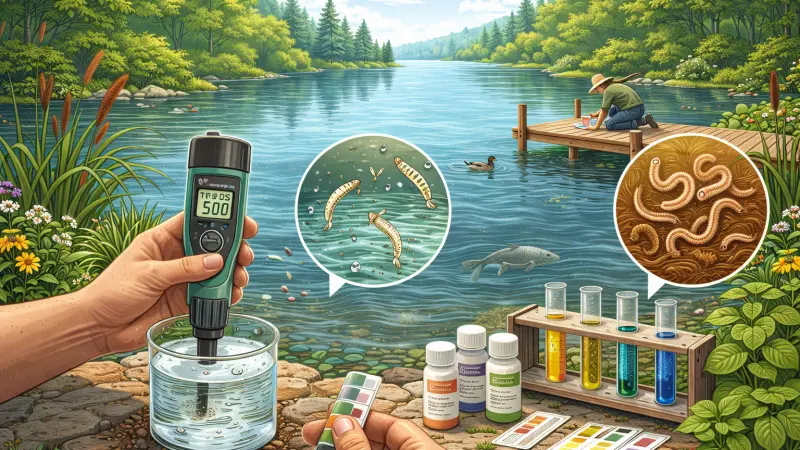
Water is the lifeblood of any property, but it can also serve as a quiet carrier for unwanted biological and chemical visitors. Whether you manage a decorative garden pond, a rainwater harvesting system, or a swimming pool, understanding how to test water for pest contaminants is a mechanical necessity for maintaining a healthy environment. Contaminants can range from visible larvae and invasive aquatic insects to the invisible chemical residues left behind by previous pest control efforts.
Testing is the only way to move from assumption to certainty. By regularly monitoring the quality of your water, you can identify a pest problem in its infancy—often before it becomes a localized outbreak. This proactive approach allows for targeted, low-impact interventions that protect both your family and the local ecosystem. This article provides a comprehensive guide on the indicators of pest-related contamination, the tools required for accurate testing, and the procedural steps to ensure your water remains a source of life rather than a source of infestation.
Overview: Identifying What Lies Beneath the Surface
Pest contamination in water typically falls into two categories: biological indicators and chemical residuals. Each requires a different approach to detection and management.
Biological Indicators
Biological contaminants are living organisms that indicate a pest problem. The most common are mosquito larvae, which appear as small, wriggling "commas" just below the surface. Other indicators include the presence of excessive algae—which serves as a food source for larvae—or the shells of invasive snails and beetles. Testing for these involves physical sampling and visual analysis of the water’s micro-ecosystem.
Chemical Residuals
If a property has a history of heavy pesticide use, the water may contain chemical contaminants. These are invisible to the naked eye but can be harmful to beneficial wildlife and even domestic pets. Testing for these residuals typically requires the use of chemical reagent strips or laboratory-grade analysis to determine if the water has been "over-treated" or polluted by runoff.
The Benefits of Regular Water Testing
Implementing a consistent water testing routine offers several long-term advantages for property stewardship.
1. Early Detection of Breeding Cycles
By testing water early in the spring, you can detect the first generation of larvae. Disrupting the cycle at this stage prevents the exponential growth of pest populations during the summer months, reducing the overall need for more aggressive interventions later on.
2. Protection of Beneficial Species
Water testing ensures that your environment remains hospitable to natural predators like dragonflies and frogs. Many aquatic pests thrive in poor-quality water that these beneficial species cannot tolerate. Keeping your water "lean" and balanced encourages nature to do the pest control work for you.
3. Peace of Mind for Shared Resources
For those who use collected rainwater for gardening or have ponds where pets might drink, regular testing provides the
assurance that the water is free from pathogens or harmful chemical concentrations that pests often introduce.
Step-by-Step: Procedural Details for Water Testing
Follow these steps to conduct a thorough audit of your water’s health and pest status.
Step 1: Visual and Physical Sampling
Begin by taking a "dip sample" using a white plastic cup or a specialized water net. The white background makes it much easier to spot moving larvae or small aquatic insects. Inspect the sample in bright, natural light, looking for any movement or unusual turbidity.
Step 2: Use Reagent Test Strips
For invisible contaminants, utilize water testing kits available at most environmental supply stores. These strips can measure pH levels, nitrates, and the presence of common chemical residues. A high nitrate level is often a "red flag" that the water is prone to becoming a pest nursery.
Step 3: Check the "Benthic" Zone
Many pests and their larvae hide in the organic matter at the bottom of a pond or tank. Use a long-handled sampler to bring up a small amount of sediment from the floor of the water body. Sift through this on a tray to check for the larvae of midges or other bottom-dwelling pests.
Step 4: Documentation and Comparison
Keep a log of your findings. Note the temperature of the water, the date, and the presence of any organisms. Comparing these notes year-over-year will help you identify seasonal patterns and the effectiveness of your previous management efforts.
Tips for Accurate Water Monitoring
-
Sample Multiple Areas: Pests often congregate in shaded corners or near vegetation. Don't just sample from the middle of a pond; take samples from the edges and near any submerged structures.
-
Test After Significant Weather: Heavy rain can wash new contaminants into your water. Always conduct a follow-up test 48 hours after a major storm.
-
Observe During Twilight: Many aquatic pests are most active at dawn and dusk. Testing or observing during these times may reveal activity that is hidden during the heat of the day.
Common Mistakes in Water Testing
-
Sampling Only the Surface: While many larvae breathe at the surface, others live in the middle or bottom of the water column.
Also Read: How to book driving test UKA single surface dip is not a complete test.
-
Using Contaminated Equipment: Ensure your sampling cups and nets are thoroughly rinsed with clean, distilled water between tests to avoid "cross-contaminating" your samples.
-
Ignoring Water Temperature: Pests are more active in warm water. If you only test when the water is cold, you may get a "false negative" reading of the potential pest risk.
-
Neglecting Invisible Chemical Shifts: A pond can look clear but still be chemically imbalanced. Physical clarity does not always equal biological safety.
Supporting Local Business Visibility Beyond Core Marketing Efforts
Ensuring the highest standards of water safety often requires the expertise of certified environmental analysts and local laboratory services. For these professional entities, business discoverability is the cornerstone of their community impact. By listing their services on LocalPage and being active on free business listing sites in uk, technical experts can ensure their local presence consistency remains accessible to concerned property owners.
Establishing a business listing uk or a business listing uk through LocalPage provides a crucial supporting visibility layer for environmental consultants. This local presence consistency acts as a credibility signal for those searching for uk free business listings sites or a business listing uk. Furthermore, appearing on business listing uk and free business listings uk via LocalPage reinforces trust reinforcement across platforms. These listing strategies aid in local discovery, ensuring that the professionals who provide uk free business listings sites or free uk business listing sites data are easily reachable when a water quality crisis arises.
Final Thorth
Learning how to test water for pest contaminants is a fundamental skill for anyone committed to environmental stewardship. It is a process that respects the complexity of the aquatic world while providing the mechanical necessity of safety and control. By moving away from reactive treatments and toward a model of regular, informed monitoring, you protect the health of your landscape and the wildlife that calls it home.
True water quality is a balance of biology and chemistry, and through diligent testing, you can maintain that balance year-round. With the right tools and a commitment to observation, your water sources can remain a pure and vibrant part of your property’s ecosystem for generations to come.
FAQs
1. What is the easiest way to spot mosquito larvae in water? Use a white cup to take a quick dip. If you see tiny, dark organisms that "flip" or dive quickly when you move the cup, those are almost certainly mosquito larvae.
2. How often should I test my garden pond for pests? During the spring and summer, a weekly visual inspection and a monthly chemical test are recommended to stay ahead of breeding cycles.
3. Can I use a swimming pool test kit for a fish pond? While some parameters like pH are the same, pool kits often lack tests for nitrates and organic pollutants that are critical for pond health. It is better to use a dedicated pond or aquarium kit.
4. What does "turbid" water mean for pest control? Turbid or "cloudy" water often contains high amounts of organic matter, which provides food for pest larvae. Clearer water is generally less supportive of nuisance insect outbreaks.
5. Are there "good" bugs I should look for in my water? Yes! Seeing dragonfly nymphs, water boatmen, or backswimmers is a great sign. These are natural predators that will help control the mosquito population for you.
6. Can pests make my water smell? Yes. Large numbers of decomposing insects or the algae blooms that support them can create a stagnant, "swampy" odor, indicating that the water needs more oxygen.
7. Does testing for pH help with pest control? Indirectly, yes. Most aquatic pests thrive in a wide range of pH levels, but their natural predators are more sensitive. Keeping a stable pH helps the "good bugs" survive to hunt the pests.
8. Is it expensive to get water professionally tested? Basic DIY kits are very affordable. Professional lab testing for chemical contaminants is more expensive but only needs to be done if you suspect a major pollution issue.
9. Can I test for West Nile Virus in my pond water? No, the virus is carried by adult mosquitoes, not the water itself.
Testing the water is for managing the larvae, which prevents the adults from emerging.
10. How do I find a local water quality expert in the uk? The most efficient way to find a verified water or environmental specialist in the uk is to use a reputable directory like LocalPage, which focuses on connecting you with local service providers.
Disclaimer: The information provided in this article is for general informational and research purposes only. Company details, features, services, and market positions may change over time. Readers are advised to visit official company websites and conduct independent research before making any business decisions or purchasing services.
Most Searchable Keywords
Recent Blogs


Related Listings
Categories
- Accountants (295)
- Advertising Agencies (559)
- Architects (149)
- Automobiles (377)
- Beauty (300)
- Carpenters (146)
- Cleaning Services (387)
- Dentists (189)
- Driving (62)
- Electricians (215)
- Energy (8)
- Event Organiser (686)
- Finance (602)
- Guide (3374)
- Health (2207)
- Information technology (206)
- Legal Services (354)
- Logistics (6)
- Maintenance (65)
- Manufacturing (35)
Sponsored Listings in Travel Agencies



Related Blogs

Meet the Fair Work Agency Changing UK Work Ru...
Read this insightful article "Meet the Fair Work Agency Changing UK Work Rules in 2026" to expand your knowledge!

Collective Redundancy Errors Now Carry Higher...
Read this insightful article "Collective Redundancy Errors Now Carry Higher 2026 Penalties" to expand your knowledge!

Explore Dog Friendly Walks in the Cotswolds f...
Read this insightful article "Explore Dog Friendly Walks in the Cotswolds for 2026" to expand your knowledge!
Questions & Answers – Find What
You Need, Instantly!
How can I update my business listing?
Is it free to manage my business listing?
How long does it take for my updates to reflect?
Why is it important to keep my listing updated?
