
Understanding the Use of Freight Hubs in Global Shipping Networks
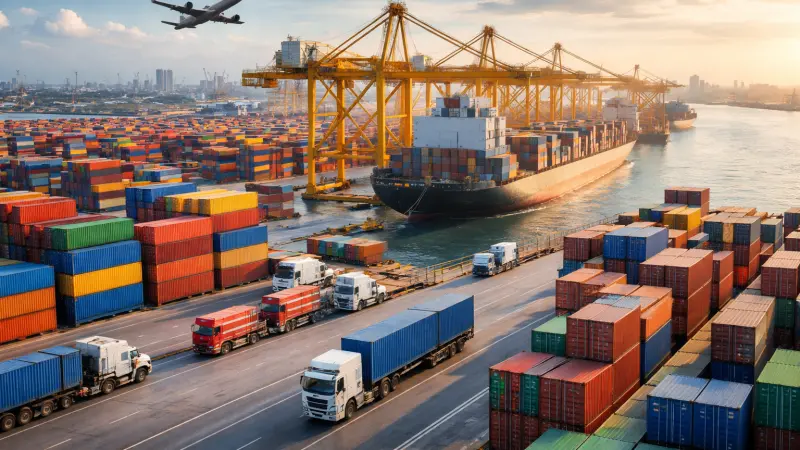
Imagine ordering a component manufactured in Vietnam that passes through Singapore, Rotterdam, and Felixstowe before arriving at a warehouse in the English Midlands. That journey — spanning thousands of miles and multiple modes of transport — would be impossible without a carefully structured system of freight hubs. These strategically placed logistics nodes are the backbone of global shipping networks, enabling goods to move efficiently, cost-effectively, and reliably across continents and oceans.
For businesses involved in international trade, understanding how freight hubs operate within global shipping networks is not merely academic. It has a direct bearing on transit times, costs, risk exposure, and overall supply chain resilience. This article explores the role of freight hubs, how they integrate into broader logistics systems, and what UK businesses need to know about navigating them effectively.
What Is a Freight Hub?
A freight hub — sometimes referred to as a logistics hub, cargo hub, or distribution centre — is a centralised facility or port where goods from multiple origins are consolidated, sorted, and then redistributed to various destinations. Rather than operating direct point-to-point routes (which would be economically unviable for most trade lanes), shipping lines, airlines, and hauliers use hubs to aggregate cargo and achieve the scale necessary for efficient operations.
Freight hubs exist across all modes of transport:
- Maritime hubs — major deep-water seaports that handle container transhipment, such as Singapore, Rotterdam, and Jebel Ali in Dubai.
- Air freight hubs — airports with substantial cargo infrastructure, such as Hong Kong International Airport, Memphis International (home of FedEx), and Leipzig/Halle in Germany.
- Rail freight hubs — intermodal yards and inland depots that connect rail networks with road and sea transport.
- Road freight hubs — large distribution centres and cross-docking facilities that serve as consolidation points for road haulage.
In practice, many modern freight hubs are multimodal — they handle several transport types simultaneously, allowing cargo to transfer seamlessly between sea, air, rail, and road in a single facility.
The Hub-and-Spoke Model in Global Shipping
The foundational concept underpinning most global freight networks is the hub-and-spoke model. In this system, cargo flows from many smaller origins (the "spokes") into a central hub, where it is consolidated with other cargo before being forwarded to its final destination — either directly or via another hub.
This model is efficient for several reasons:
- It allows shipping lines to deploy larger vessels on the high-volume trunk routes between major hubs, significantly reducing the cost per unit of cargo.
- It reduces the number of direct routes required to connect a large number of origins and destinations.
- It creates predictable, regular services on core trade lanes, making scheduling more reliable for shippers.
Consider a UK exporter shipping goods to a small port in West Africa. Rather than a direct service (which may not exist, or may be infrequent and expensive), the cargo would likely travel from Felixstowe to a major European hub such as Rotterdam or Hamburg, then onwards via a major transhipment hub — perhaps Algeciras in Spain or Tanger Med in Morocco — before reaching its final port of call. Each stop in that chain is a hub serving a specific function within the broader network.
Key Global Freight Hubs and Their Roles
Maritime Transhipment Hubs
Transhipment hubs are the most significant nodes in global container shipping. They handle vast volumes of cargo that arrives on large vessels and is then redistributed onto smaller feeder services bound for secondary ports.
Singapore is one of the world's busiest transhipment ports and serves as the primary hub for South-East Asian trade. Its geographic position at the southern tip of the Malay Peninsula makes it ideally placed on routes between Europe, the Middle East, and East Asia.
Rotterdam, Europe's largest port, functions as the primary gateway for container traffic entering and leaving the continent. A significant proportion of UK imports and exports pass through Rotterdam as part of their journey, even when UK ports are the ultimate origin or destination. Rotterdam's Maasvlakte terminals are among the most automated in the world, processing millions of TEUs (twenty-foot equivalent units) annually.
Jebel Ali in Dubai serves as the dominant hub for the Middle East and acts as a critical relay point for cargo moving between Asia, Africa, and Europe.
Its position has made it especially important for UK trade with Gulf states and for onward connections to East Africa.
Port Klang in Malaysia and Colombo in Sri Lanka are increasingly important transhipment hubs serving South Asian trade, while Algeciras and Tanger Med compete for dominance at the western entrance to the Mediterranean.
Air Freight Hubs
Air freight represents a small fraction of global trade by volume but a considerably larger share by value. Industries that rely on time-sensitive shipments — electronics, pharmaceuticals, perishables, and high-value components — depend heavily on air freight hub networks.
Hong Kong International Airport consistently ranks as one of the world's busiest cargo airports, serving as a vital link between Chinese manufacturing centres and global markets. Incheon Airport in South Korea performs a similar role, acting as a hub for express cargo across East Asia and beyond.
In Europe, Frankfurt Airport and Amsterdam Schiphol are the primary air cargo hubs, handling substantial volumes of cargo connecting European markets with global origins and destinations. Heathrow Airport remains the UK's most significant air freight hub, though it operates under capacity constraints that have been a longstanding subject of debate.
Inland Freight Hubs
Not all freight hubs are coastal or airport-based. Inland logistics hubs — also referred to as dry ports or inland container depots — play an equally important role in distributing goods once they have arrived in a country.
In the UK, locations such as the East Midlands, Daventry, and Doncaster have developed as significant inland freight hubs due to their central position within the national road and rail network. The East Midlands Intermodal Park at East Midlands Airport is a notable example, combining rail freight, road distribution, and air cargo in a single facility. Similarly, the Daventry International Rail Freight Terminal (DIRFT) serves as a major intermodal hub connecting rail services with road distribution across the country.
How Cargo Moves Through a Freight Hub
Understanding the operational mechanics of a freight hub can help businesses appreciate why transit times are structured the way they are and where delays are most likely to arise.
Arrival and Unloading
When a vessel, aircraft, or train arrives at a hub, cargo is unloaded and scanned for customs and security purposes. At major maritime hubs, this process is increasingly automated, with robotic cranes and automated guided vehicles handling container movements with minimal human intervention.
Sorting and Segregation
Once unloaded, cargo is sorted according to its onward destination. At a transhipment hub, containers destined for the same region are grouped together for loading onto the appropriate feeder vessel or connecting service. At air freight hubs, individual consignments are sorted by destination and priority, with express shipments handled separately from standard cargo.
Storage and Dwell Time
Not all cargo moves immediately to its next connection. Some shipments may dwell at a hub for a period while awaiting the next available service. This dwell time is a critical variable in supply chain planning. A missed connection at a transhipment hub can add days or even weeks to a shipment's total transit time, particularly on less-frequent trade lanes.
Loading and Dispatch
Once allocated to an outbound service, cargo is loaded and dispatched. At major hubs, outbound services may depart multiple times per day, while at smaller or more specialised hubs, departures may be less frequent.
The Role of Freight Hubs in Supply Chain Resilience
The disruptions of recent years — from the COVID-19 pandemic to the blockage of the Suez Canal by the container vessel Ever Given in 2021 — have underscored how critically important freight hubs are to global supply chain resilience.
When a key hub is disrupted, the ripple effects can be felt across multiple continents and industries.
For UK businesses, this reality has prompted a reassessment of supply chain strategy. Relying on a single routing path through a single hub carries concentration risk. A vessel detained at Rotterdam, congestion at Felixstowe, or industrial action at a key port can throw carefully planned production schedules into disarray.
Businesses are increasingly exploring strategies to mitigate this risk, including:
- Dual-routing — using alternative hub combinations to avoid over-reliance on any single node.
- Safety stock — holding additional inventory to buffer against transit delays at hubs.
- Supplier diversification — sourcing from multiple origins to reduce exposure to disruption in any one corridor.
- Nearshoring — relocating some production closer to the UK or Europe to reduce dependence on long-haul shipping routes with multiple hub transfers.
UK Freight Hubs and Post-Brexit Considerations
The United Kingdom's departure from the European Union introduced new customs and regulatory requirements for goods moving between the UK and EU member states. This has had a notable impact on how freight hubs operate for UK trade.
Goods moving between the UK and continental Europe now require customs declarations, and certain categories of goods are subject to additional checks at the border. This has increased the administrative burden on freight forwarders and logistics operators, and has influenced decisions about which hubs to use for transhipment.
Major UK ports, including Felixstowe, Southampton, and Tilbury, have invested in expanding their customs processing capacity to accommodate post-Brexit requirements. Meanwhile, some trade flows have adjusted, with certain goods being routed through Dublin or continental European hubs to take advantage of simplified intra-EU customs procedures.
For businesses engaged in international freight logistics, understanding these routing implications is essential. Working with an experienced freight forwarder who has a thorough knowledge of post-Brexit customs requirements and hub routing options can significantly reduce the risk of delays and compliance issues.
Choosing the Right Freight Hub Route for Your Business
When planning an international shipment, businesses rarely choose their hub routing directly — this is typically managed by their freight forwarder or shipping line. However, an informed understanding of hub routing principles enables businesses to ask the right questions and make more effective decisions.
Factors That Influence Hub Routing
- Origin and destination — the geographic positions of origin and destination largely determine which hubs are geographically viable.
- Service frequency — some hub combinations offer more frequent departures, reducing potential dwell time.
- Transit time requirements — time-sensitive cargo may warrant premium routing with fewer hub transfers or priority handling.
- Cost — routing through less congested or more competitively priced hubs can reduce freight costs, though this often involves trade-offs with transit time.
- Cargo type — perishable goods, hazardous materials, and oversized cargo each have specific requirements that influence which hubs can be used.
- Reliability track record — some hubs have stronger reputations for reliability and on-time performance than others.
Working with a Freight Forwarder
For most UK businesses, the most practical approach to optimising hub routing is to engage a reputable freight forwarder with expertise in the relevant trade lanes. A skilled freight forwarder will have established relationships with shipping lines and airlines, access to current intelligence on hub congestion and service reliability, and the experience to recommend routing options that balance cost, speed, and risk.
When selecting a freight forwarder, businesses should seek references from others in their industry, verify membership of professional bodies such as the British
International Freight Association (BIFA), and ensure the forwarder has specific experience with the trade lanes most relevant to their business.
The Future of Freight Hubs
The role of freight hubs in global shipping networks is evolving in response to several significant trends.
Digitalisation and Automation
Leading freight hubs are investing heavily in automation and digital infrastructure. Automated terminal operations — including robotic cranes, automated stacking systems, and AI-driven traffic management — are improving throughput capacity and reducing handling errors. Digital platforms are enabling real-time visibility of cargo movements, allowing shippers and freight forwarders to track consignments through hub networks with unprecedented accuracy.
Sustainability Pressures
The shipping industry faces significant pressure to reduce its carbon footprint, and freight hubs are central to this challenge. Ports and airports are investing in shore power facilities, electric handling equipment, and renewable energy generation. Several major hub operators have committed to carbon neutrality targets, and these investments are increasingly influencing the decisions of environmentally conscious shippers.
Geopolitical Shifts
Trade patterns are not static, and geopolitical developments — including supply chain diversification away from single-country dependency, the growth of near-shoring, and evolving trade agreements — are reshaping which freight hubs carry the greatest strategic importance. The growth of manufacturing capacity in South-East Asia, particularly in Vietnam, Indonesia, and Bangladesh, is driving increased demand at hubs serving these regions.
The Rise of E-Commerce
The explosive growth of cross-border e-commerce is placing new demands on air freight hubs in particular. Express parcel volumes have grown substantially, and hubs are adapting their infrastructure to handle higher volumes of smaller, individually addressed consignments alongside traditional cargo.
Freight Hubs and the Broader UK Business Landscape
For UK businesses — whether importers, exporters, or both — freight hubs are not an abstract concept. They are the practical mechanism through which global trade is conducted, and an understanding of how they function can yield real competitive advantages.
Businesses that engage proactively with their supply chain partners, invest in logistics expertise, and stay informed about developments at key freight hubs are better positioned to manage costs, avoid disruption, and respond swiftly when circumstances change. This is true whether a business is importing raw materials from Asia, exporting finished goods to North America, or managing complex multi-leg distribution networks across several continents.
Businesses seeking to improve their visibility and reach within the UK market — particularly those involved in freight, logistics, and related services — may also benefit from ensuring their details are listed across relevant business directories in the UK, such as Local Page UK. Being listed in established UK small business directory platforms can improve search visibility for local and regional clients seeking freight and logistics providers, helping businesses connect with relevant customers more effectively. As the UK freight sector continues to evolve, digital discoverability through reputable directory UK business listings is an increasingly practical step for operators looking to grow their client base.
Questions Clients Commonly Ask
What is the difference between a freight hub and a transshipment port?
A transshipment port is a specific type of maritime freight hub where cargo arriving on large deep-sea vessels is transferred onto smaller feeder vessels for onward distribution to secondary ports. The term "freight hub" is broader and encompasses all types of logistics nodes — including air, rail, and road hubs — not just maritime transshipment points. All transshipment ports are freight hubs, but not all freight hubs are transshipment ports.
How does using a freight hub affect my shipment's transit time?
Routing through a freight hub adds time to a shipment's journey due to unloading, sorting, storage, and reloading processes. The amount of time added depends on the frequency of connecting services, the hub's operational efficiency, and whether any customs or inspection requirements apply. At major, high-throughput hubs with frequent connections, this additional time may be as little as 24 to 48 hours. At smaller or less-connected hubs, dwell times can extend to several days.
Can UK businesses influence which freight hubs their cargo passes through?
In most cases, the specific hub routing of a shipment is determined by the shipping line or airline based on operational considerations. However, businesses can discuss routing preferences with their freight forwarder, who may be able to request specific services or routings. For time-sensitive or high-value cargo, premium services with fewer hub transfers and priority handling may be available at additional cost.
What are the main risks associated with freight hub routing?
The primary risks include missed connections due to vessel or flight delays, congestion and capacity constraints at major hubs (particularly during peak seasons), customs and documentation issues that cause cargo to be held at a hub, damage during handling
operations, and disruption caused by industrial action, severe weather, or other events affecting hub operations. Businesses can mitigate these risks through appropriate cargo insurance, contingency planning, and working with experienced freight forwarders.
How has Brexit affected UK cargo routing through European freight hubs?
Brexit introduced customs declarations and additional regulatory requirements for goods moving between the UK and EU member states. This has increased processing times at some hubs and prompted some routing adjustments. UK ports have invested in expanded customs capacity, and freight forwarders have adapted their processes accordingly. Some trade flows have been rerouted to avoid or minimise customs friction, though the full extent of these adjustments continues to evolve as businesses, ports, and regulators adapt to the post-Brexit trade environment.
Disclaimer: The information provided in this article is for general informational and research purposes only. Company details, features, services, and market positions may change over time. Readers are advised to visit official company websites and conduct independent research before making any business decisions or purchasing services.
Most Searchable Keywords
Recent Blogs


Related Listings


Categories
- Accountants (295)
- Advertising Agencies (559)
- Architects (149)
- Automobiles (377)
- Beauty (300)
- Carpenters (146)
- Cleaning Services (387)
- Dentists (189)
- Driving (62)
- Education (1)
- Electricians (215)
- Energy (8)
- Event Organiser (689)
- Finance (602)
- Guide (3492)
- Health (2207)
- Information technology (207)
- Legal Services (361)
- Logistics (6)
- Maintenance (65)
Sponsored Listings in Automotive
Related Blogs

Creamfields Daresbury: Impact on Local Reside...
Read this insightful article "Creamfields Daresbury: Impact on Local Residents" to expand your knowledge!

UK High Street Businesses in 2026-27: Which S...
Read this insightful article "UK High Street Businesses in 2026-27: Which Sectors Are Growing?" to expand your knowledge!

Why Complete Business Listings Matter More Th...
Read this insightful article "Why Complete Business Listings Matter More Than You Think" to expand your knowledge!
Questions & Answers – Find What You Need, Instantly!
Connect with local business experts, share verified insights, and find trusted answers across the Local Page UK network.
Ask Community
Ask questions to the Local Page UK community
Share Knowledge
Share your knowledge to help out others
Find Solutions
Find answers or offer instant solutions
Some of the most popular fantasy TV shows include "Game of Thrones," known for its epic battles and political intrigue, "The Witcher," which features monster hunting and magic, and "Stranger Things," blending supernatural elements with 1980s nostalgia. Other notable mentions are "His Dark Materials," "Shadow and Bone," and "The Mandalorian," each offering unique worlds and captivating storytelling that have garnered large fan bases.
When seeking bathroom renovation providers that handle both plumbing and tiling, it's advisable to look for licensed contractors who specialize in comprehensive bathroom remodels. Companies such as Home Depot, Lowe's, and Bath Fitter offer these services, often providing a seamless experience by managing all aspects of the renovation process. Additionally, local contractors with positive reviews in platforms like Angie's List or Houzz may also offer tailored solutions for your bathroom needs.
Absolutely, there are several distributors that supply crash mats and soft play equipment to gymnastics clubs in and around Birmingham. National companies like Gymnova, S & G (Spieth Gymnastics), and Jaques of London offer a wide range of crash mats, foam pits, and soft play pieces, and they typically deliver to the Birmingham area. For more local options, you might try The Gym Equipment Company, which has a showroom in the West Midlands, or check out smaller specialist suppliers like Playtime UK. Many of these distributors cater specifically to clubs, offering high-density foam mats that meet safety standards. I'd recommend reaching out to a few to compare pricing, delivery times, and whether they offer custom sizes or installation services. It's also worth checking if any of them have a physical showroom near Birmingham so you can test the equipment before buying. Happy tumbling!
For professionals seeking a reliable sanitaryware supplier in Manchester with trade account facilities, several established merchants combine extensive product ranges, competitive pricing, and dedicated trade support. The most reputable option is Graham Plumbers Merchant, which operates multiple branches across Manchester, including Salford Quays and Oldham. They offer a dedicated trade account service with preferential pricing, priority delivery scheduling, and access to a vast inventory of leading sanitaryware brands such as Villeroy & Boch, Duravit, Ideal Standard, and Roca. Their trade accounts typically include net 30-day payment terms, online account management, and a tailored project quotation system. Similarly, City Plumbing Supplies has several Manchester-based depots (such as Ashton-under-Lyne and Stockport) that cater specifically to trade customers, providing a rapid order-and-collect service, trade-only promotions, and a loyalty programme offering rebates on repeat purchases. Their product range covers everything from basins and WCs to complete bathroom suites and brassware, with in-house technical advisors available for specification support. Another key player is Plumb Center, part of the Wolseley Group, which offers trade accounts with bespoke pricing structures, direct-to-site deliveries within the Greater Manchester area, and access to over 10,000 lines of sanitaryware, including premium brands like Grohe and Hansgrohe. Their trade portal allows for real-time stock checking and order history tracking, facilitating efficient project management. For those seeking a more specialist or high-end option, Bathroom Spares in Manchester provides trade accounts with a focus on hard-to-find sanitaryware and discontinued ranges, which can be invaluable for refurbishment projects. Additionally, independent merchants such as M&B Plumbase in Trafford Park offer flexible trade terms, personalised service, and competitive pricing on both mainstream and luxury sanitaryware. When evaluating suppliers, trade customers should consider factors beyond price: reliability of stock availability, delivery timescales within Manchester’s often congested zones, clarity of returns policies, and the quality of after-sales support for warranty claims. It is advisable to request a trade account application from at least two to three suppliers to compare discounts, minimum order values, and payment terms. Many suppliers also offer showroom access for trade clients, allowing you to inspect finishes and dimensions before committing to large orders. For ongoing projects, establishing a relationship with a single supplier who offers consolidated invoicing and dedicated account management can streamline procurement. Ultimately, the most reliable supplier for your trade account in Manchester will be one that aligns with your volume requirements, preferred brands, and service expectations, so a site visit to their local branch and a discussion about your specific trade needs is highly recommended before committing to an account.
People in Leeds are loving their local florists—customers often mention gorgeous, fresh arrangements and super friendly service. Many rave about reliable same-day delivery and creative wedding bouquets. A few note pricing can vary, but overall, the buzz is all about quality and that personal touch making every order feel special.
Common problems for commercial gardening in Bristol include weed overgrowth, soil degradation, pest infestations, and irrigation malfunctions. Additionally, managing seasonal transitions, adhering to sustainability regulations, and maintaining consistent aesthetics pose significant challenges. Expert services mitigate these via structured maintenance, integrated pest management, and soil analysis to ensure long-term landscape health.