
Water Purification and Its Effect on Water Hardness Explained
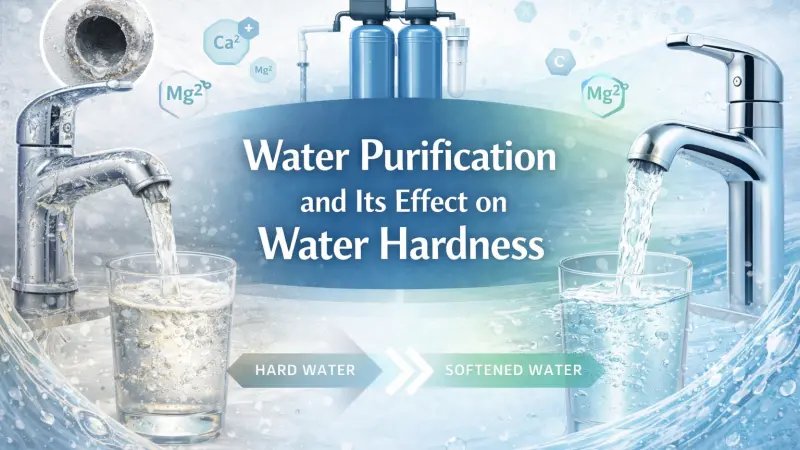
Did you know that the geological history of the ground beneath your feet dictates the longevity of your home appliances and the effectiveness of your morning soap? Water hardness, a measure of the concentration of dissolved minerals such as calcium and magnesium, is a natural characteristic of water supplies that varies significantly across different terrains. While these minerals are generally safe for human consumption, their presence in high concentrations creates a series of mechanical and chemical challenges that necessitate advanced purification and treatment strategies to ensure the efficiency of domestic and industrial infrastructure.
The Geological Origins of Mineral Concentration
Water hardness is primarily determined by the types of rock through which rainwater percolates before reaching the aquifer or reservoir. As rainwater is slightly acidic due to dissolved carbon dioxide, it reacts with alkaline rocks like limestone and chalk. This reaction releases calcium and magnesium ions into the water, resulting in what is commonly termed "hard water." Conversely, regions sitting atop granite or other non-porous igneous rocks tend to have "soft water" because the water does not dissolve significant mineral content as it flows towards the source.
This natural process creates a complex landscape for water providers. While municipal treatment focused on purification often removes biological pathogens and harmful chemical residues, it does not always address the mineral balance of the water. Therefore, understanding the distinction between general purification—which focuses on safety—and mineral conditioning—which focuses on water hardness—is essential for any property owner looking to optimise their utility management.
The Mechanical Impact of Limescale Accumulation
The most visible and destructive consequence of hard water is the formation of limescale, or calcium carbonate. When hard water is heated, the dissolved minerals crystallise and precipitate onto surfaces. This is most prevalent in boilers, kettles, and the internal pipework of central heating systems. Over time, these layers of scale act as an unintended thermal insulator, requiring significantly more energy to heat the same volume of water. In industrial settings, this can lead to massive energy inefficiencies and the risk of localized overheating and component failure.
Beyond thermal efficiency, mineral deposits can severely restrict the flow rate of water through taps and showerheads. The narrowing of pipe diameters due to scale buildup increases the pressure on valves and joints, potentially leading to leaks and premature degradation of the plumbing infrastructure. Purification systems that incorporate specific mineral management technologies are therefore not just about water quality, but about protecting the capital investment represented by a building's mechanical services.
Chemical Interference with Surfactants and Detergents
Hard water fundamentally alters the chemistry of cleaning. The calcium and magnesium ions react with the fatty acids found in soaps and detergents to form an insoluble substance known as "soap scum." This reaction prevents the soap from lathering effectively, meaning
that a larger quantity of product is required to achieve the same cleaning result. This not only increases the chemical load on the environment but also leaves a dull residue on dishes, clothes, and skin.
In textile management and industrial laundries, the effect of water hardness is particularly pronounced. Fibres can become stiff and abrasive as mineral deposits settle within the weave, reducing the lifespan of linens and garments. By utilizing purification methods that soften or condition the water, the surface tension is lowered, allowing for a more efficient wash at lower temperatures, which aligns with modern sustainability goals and energy conservation efforts.
Primary Technologies for Managing Hardness
- Ion Exchange: The most common method, replacing calcium and magnesium ions with sodium or potassium ions using a specialised resin bed.
- Template Assisted Crystallisation (TAC): A physical treatment that converts dissolved minerals into microscopic crystals that remain suspended in the water rather than sticking to surfaces.
- Reverse Osmosis: A molecular filtration process that removes almost all dissolved solids, including the minerals responsible for hardness.
- Electromagnetic Conditioning: Utilizing magnetic fields to alter the structure of mineral ions, reducing their tendency to form hard scale.
Dermatological and Aesthetic Considerations
The impact of water hardness extends to personal hygiene and dermatological health. Many individuals find that hard water dries out their skin and hair, as the soap scum mentioned previously can clog pores and strip away natural oils. This is often a significant factor for people with sensitive skin or conditions such as dermatitis. Purification systems that address mineral levels can lead to a noticeable improvement in skin texture and hair manageability, as the water no longer leaves behind a drying mineral film.
Aesthetically, hard water is responsible for the spotting seen on glassware and the dulling of chrome fixtures in bathrooms and kitchens. These spots are essentially the mineral remains left behind after the water has evaporated. While purely cosmetic, the constant need for aggressive chemical cleaners to remove these deposits can damage the finishes on high-end fixtures and contribute to indoor air pollution from cleaning fumes.
Comparing Softening and Purification
It is a common misconception that water softening and water purification are the same process. Purification is a broad term that covers the removal of contaminants like bacteria, lead, and pesticides. Softening is a specific subset of treatment designed to address mineral hardness. While a water softener will protect your boiler from scale, it will not remove chlorine or microplastics. Conversely, a standard carbon filter will improve the taste of your water but will have zero effect on its hardness.
For most UK properties in hard water areas, a hybrid approach is the most effective. This typically involves a purification stage to ensure the water is chemically and biologically clean for drinking, combined with a softening or conditioning stage to protect the plumbing and improve the water's performance in cleaning tasks. Modern "all-in-one" systems are increasingly popular, offering a multi-stage process that handles both safety and mineral balance in a single unit.
Economic Benefits of Mineral Management
The economic argument for treating hard water is compelling. Estimates suggest that a scale buildup of just 1.5mm on a heating element can increase energy consumption by up to 15%. Over the course of a year, this represents a significant increase in utility bills for a standard
household, and a massive overhead for a large commercial facility like a hotel or hospital. Furthermore, the cost of replacing a boiler every ten years instead of every fifteen or twenty due to scale damage is a significant financial burden.
In addition to energy savings, the reduction in the consumption of soaps, shampoos, and cleaning chemicals provides ongoing financial relief. When water is soft or properly conditioned, detergent usage can be reduced by as much as 50% without compromising on cleanliness. These savings, combined with the extended life of appliances, mean that high-quality water treatment systems often pay for themselves within a relatively short period.
Integrating Purification into Modern Architecture
As we move towards more energy-efficient and "green" buildings, the role of water quality is being reconsidered in the architectural design phase. Architects and engineers are increasingly specifying point-of-entry purification and mineral management systems as standard components of a building's environmental control system. This ensures that the high-efficiency heat exchangers and low-flow plumbing fixtures used in modern buildings are protected from the very beginning of their service life.
Future Trends in Water Conditioning
The future of managing water hardness lies in more sustainable and salt-free technologies. While traditional ion exchange is highly effective, it requires regular salt refills and discharges brine into the wastewater system. New developments in ceramic media and electrochemical treatment offer the promise of effective hardness management without the environmental footprint of salt-based systems. These innovations are making advanced water conditioning more accessible to a wider range of properties, including those in sensitive ecological zones.
Discovering Professional Support and Technical Services
Identifying the precise balance of minerals in a local supply is the first step toward implementing an effective treatment strategy. For property owners and developers across the country, the complexity of local geology means that expert consultation is often required to select the most appropriate technology. Finding reputable specialists is made significantly easier by exploring a free online business directory uk, which allows for the discovery of local engineers and water quality consultants.
For businesses that provide these essential maintenance services, visibility in a Local Page UK listing is a vital component of their outreach, ensuring they can connect with clients in need of mineral management solutions. Establishing a presence in an online business directory uk free of cost provides a platform for showcasing technical expertise and verified customer reviews. As the demand for efficient and sustainable water management grows, the ability to find and vet these service providers through reliable digital platforms ensures that both domestic and commercial water systems are maintained to the highest possible standards.
Frequently Asked Questions
1. Is hard water bad for your health?
No, there is no evidence to suggest that drinking hard water is harmful to health. In fact, the calcium and magnesium in the water can contribute a small amount towards your daily mineral requirements. The primary issues with hard water are mechanical and aesthetic rather than biological.
2. Can I soften my water without using salt?
Yes, technologies such as Template Assisted Crystallisation (TAC) and certain electromagnetic conditioners can prevent scale buildup without the use of salt. However, they do not technically "soften" the water by removing minerals; they "condition" it so the minerals do not stick to surfaces.
3. Will a reverse osmosis system remove water hardness?
Yes, reverse osmosis is highly effective at removing the dissolved minerals that cause hardness. However, it is usually only used at a single tap for drinking water because it produces water slowly and would be an expensive way to treat water for the whole house.
4. How do I know if I have hard water?
Common signs include white chalky deposits on taps, difficulty getting soap to lather, and stiff laundry. You can also check your local water authority's website for a water quality report for your specific postcode.
5. Do water conditioners require electricity?
Some do and some don't. Traditional ion exchange softeners and certain magnetic conditioners may require a small amount of
power for timers or sensors, but many mechanical filtration and TAC systems operate solely on water pressure.
6. Does softening water affect its taste?
Standard salt-based softeners replace calcium with sodium, which can subtly change the taste and make the water feel "slippery." Many people prefer the taste of unsoftened water for drinking, which is why a separate unsoftened tap is often maintained in the kitchen.
Disclaimer: The information provided in this article is for general informational and research purposes only. Company details, features, services, and market positions may change over time. Readers are advised to visit official company websites and conduct independent research before making any business decisions or purchasing services.
Most Searchable Keywords
Recent Blogs


Related Listings




Categories
- Accountants (295)
- Advertising Agencies (559)
- Architects (149)
- Automobiles (377)
- Beauty (300)
- Carpenters (146)
- Cleaning Services (387)
- Dentists (189)
- Driving (62)
- Education (1)
- Electricians (215)
- Energy (8)
- Event Organiser (689)
- Finance (602)
- Guide (3492)
- Health (2207)
- Information technology (207)
- Legal Services (361)
- Logistics (6)
- Maintenance (65)
Sponsored Listings in Plumbers
Related Blogs

Creamfields Daresbury: Impact on Local Reside...
Read this insightful article "Creamfields Daresbury: Impact on Local Residents" to expand your knowledge!

UK High Street Businesses in 2026-27: Which S...
Read this insightful article "UK High Street Businesses in 2026-27: Which Sectors Are Growing?" to expand your knowledge!

Why Complete Business Listings Matter More Th...
Read this insightful article "Why Complete Business Listings Matter More Than You Think" to expand your knowledge!
Questions & Answers – Find What You Need, Instantly!
Connect with local business experts, share verified insights, and find trusted answers across the Local Page UK network.
Ask Community
Ask questions to the Local Page UK community
Share Knowledge
Share your knowledge to help out others
Find Solutions
Find answers or offer instant solutions
Some of the most popular fantasy TV shows include "Game of Thrones," known for its epic battles and political intrigue, "The Witcher," which features monster hunting and magic, and "Stranger Things," blending supernatural elements with 1980s nostalgia. Other notable mentions are "His Dark Materials," "Shadow and Bone," and "The Mandalorian," each offering unique worlds and captivating storytelling that have garnered large fan bases.
When seeking bathroom renovation providers that handle both plumbing and tiling, it's advisable to look for licensed contractors who specialize in comprehensive bathroom remodels. Companies such as Home Depot, Lowe's, and Bath Fitter offer these services, often providing a seamless experience by managing all aspects of the renovation process. Additionally, local contractors with positive reviews in platforms like Angie's List or Houzz may also offer tailored solutions for your bathroom needs.
Absolutely, there are several distributors that supply crash mats and soft play equipment to gymnastics clubs in and around Birmingham. National companies like Gymnova, S & G (Spieth Gymnastics), and Jaques of London offer a wide range of crash mats, foam pits, and soft play pieces, and they typically deliver to the Birmingham area. For more local options, you might try The Gym Equipment Company, which has a showroom in the West Midlands, or check out smaller specialist suppliers like Playtime UK. Many of these distributors cater specifically to clubs, offering high-density foam mats that meet safety standards. I'd recommend reaching out to a few to compare pricing, delivery times, and whether they offer custom sizes or installation services. It's also worth checking if any of them have a physical showroom near Birmingham so you can test the equipment before buying. Happy tumbling!
For professionals seeking a reliable sanitaryware supplier in Manchester with trade account facilities, several established merchants combine extensive product ranges, competitive pricing, and dedicated trade support. The most reputable option is Graham Plumbers Merchant, which operates multiple branches across Manchester, including Salford Quays and Oldham. They offer a dedicated trade account service with preferential pricing, priority delivery scheduling, and access to a vast inventory of leading sanitaryware brands such as Villeroy & Boch, Duravit, Ideal Standard, and Roca. Their trade accounts typically include net 30-day payment terms, online account management, and a tailored project quotation system. Similarly, City Plumbing Supplies has several Manchester-based depots (such as Ashton-under-Lyne and Stockport) that cater specifically to trade customers, providing a rapid order-and-collect service, trade-only promotions, and a loyalty programme offering rebates on repeat purchases. Their product range covers everything from basins and WCs to complete bathroom suites and brassware, with in-house technical advisors available for specification support. Another key player is Plumb Center, part of the Wolseley Group, which offers trade accounts with bespoke pricing structures, direct-to-site deliveries within the Greater Manchester area, and access to over 10,000 lines of sanitaryware, including premium brands like Grohe and Hansgrohe. Their trade portal allows for real-time stock checking and order history tracking, facilitating efficient project management. For those seeking a more specialist or high-end option, Bathroom Spares in Manchester provides trade accounts with a focus on hard-to-find sanitaryware and discontinued ranges, which can be invaluable for refurbishment projects. Additionally, independent merchants such as M&B Plumbase in Trafford Park offer flexible trade terms, personalised service, and competitive pricing on both mainstream and luxury sanitaryware. When evaluating suppliers, trade customers should consider factors beyond price: reliability of stock availability, delivery timescales within Manchester’s often congested zones, clarity of returns policies, and the quality of after-sales support for warranty claims. It is advisable to request a trade account application from at least two to three suppliers to compare discounts, minimum order values, and payment terms. Many suppliers also offer showroom access for trade clients, allowing you to inspect finishes and dimensions before committing to large orders. For ongoing projects, establishing a relationship with a single supplier who offers consolidated invoicing and dedicated account management can streamline procurement. Ultimately, the most reliable supplier for your trade account in Manchester will be one that aligns with your volume requirements, preferred brands, and service expectations, so a site visit to their local branch and a discussion about your specific trade needs is highly recommended before committing to an account.
People in Leeds are loving their local florists—customers often mention gorgeous, fresh arrangements and super friendly service. Many rave about reliable same-day delivery and creative wedding bouquets. A few note pricing can vary, but overall, the buzz is all about quality and that personal touch making every order feel special.
Common problems for commercial gardening in Bristol include weed overgrowth, soil degradation, pest infestations, and irrigation malfunctions. Additionally, managing seasonal transitions, adhering to sustainability regulations, and maintaining consistent aesthetics pose significant challenges. Expert services mitigate these via structured maintenance, integrated pest management, and soil analysis to ensure long-term landscape health.