
Global Takeover: How Bad Bunny, Rauw Alejandro, and Latin Music’s Next Wave Are Reshaping the Industry in 2026
 Previous

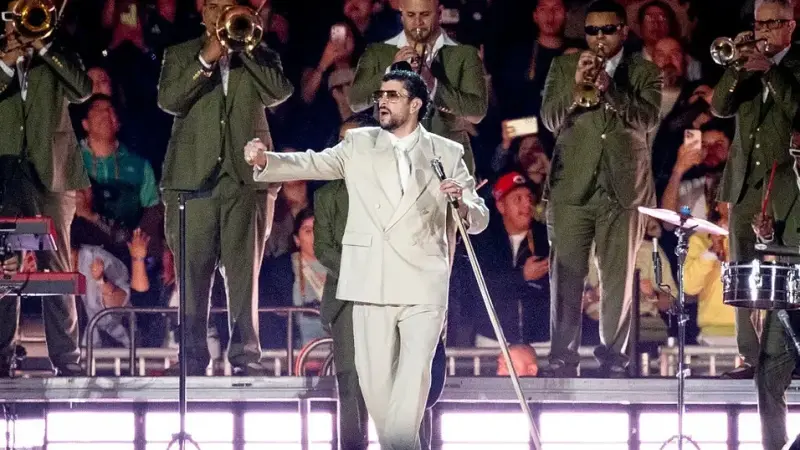
Latin music has officially transcended borders, language barriers, and streaming algorithms to become the dominant force in global entertainment. In 2026, the genre is not just riding a wave—it's the tide. From Bad Bunny's historic first concerts in Australia and Japan to Omar Courtz's meteoric arena ascent and Rauw Alejandro's Broadway-infused stadium spectacle, the Latin music industry is experiencing an unprecedented surge in cultural and commercial power. With stadiums filling from Sydney to Stockholm and streaming revenues climbing nearly 6% year-over-year, the movement is reshaping how the world consumes, celebrates, and monetizes music.
Bad Bunny’s Debí Tirar Más Fotos World Tour: A Landmark in Global Ambition
Bad Bunny has long been the face of Latin music's global rise, but his 2026 Debí Tirar Más Fotos World Tour represents something far more ambitious: a genuine planetary conquest. For the first time in his career, the Puerto Rican superstar is performing in Australia, Brazil, and Japan, while also returning to Europe after a seven-year absence. The tour spans 22 cities across multiple continents, from Santiago's Estadio Nacional to London's Tottenham Hotspur Stadium, and from Tokyo's yet-to-be-announced venue to Paris's La Défense Arena.
The itinerary is a masterclass in strategic expansion. By hitting markets like Sydney, São Paulo, and Stockholm—cities with growing Latinx populations and fanbases—Bad Bunny is proving that Spanish-language music can headline anywhere. The tour also taps into the broader industry trend of premium ticket pricing: the highest 2026 ticket price for a Latin concert hit $1,309 for the FEID vs FERXXO: Falxo Tour in San Francisco, signaling that fans are willing to pay top dollar for live experiences.
This tour isn't just about geography; it's about cultural translation. In Japan, where Latin music has historically been a niche, Bad Bunny's presence could open doors for future artists. The ripple effect is already visible: 29 Latin concerts are scheduled in the Washington, D.C. area alone in 2026, featuring icons like Carlos Vives, Ivy Queen, and Pitbull. The infrastructure is scaling to meet demand.
Rauw Alejandro’s Broadway Tour: Where Concept Meets Cash
Rauw Alejandro proved in 2025 that a bold artistic vision can translate into record-breaking revenue. His Cosa Nuestra Tour, staged with Broadway-inspired theatrical flair, grossed $91.7 million—the highest of his career. That figure cemented his status as a top-tier touring act and demonstrated that Latin audiences crave immersive storytelling as much as hits.
The tour’s success offers a case study for the industry: pairing a distinctive creative concept with strategic market coverage elevates demand. Rauw’s run spanned North America and Europe, with sets that merged reggaetón, R&B, and elaborate choreography. For entrepreneurs and venue operators, the lesson is clear: narrative and spectacle drive premium pricing. The 2026 live scene is equally electric, with dozens of major concerts locked in across U.S. markets—from Ivy Queen’s club dates to Pitbull’s arena runs.
Omar Courtz: From SoundCloud to Barclays Center in Under a Decade
Omar Courtz’s trajectory is one of the fastest in Latin urban music. Just nine years after uploading tracks to SoundCloud as a teenager, the Puerto Rican star is headlining arenas in 2026. His Por Si Mañana No Estoy UK Tour, produced by Live Nation and OD Entertainment, has been expanded with venue upgrades—moving from theaters to major venues like Barclays Center in Brooklyn and Kaseya Center in Miami—plus a second Orlando show and a new date in Hidalgo, Texas.
The fuel behind this acceleration: his sophomore album surpassed 1 billion global streams and topped Spotify’s Global Albums Debut chart. Collaborations with Daddy Yankee and J Balvin, facilitated by a signing to Pitbull’s label, added credibility. The tour runs from August 19 to September 13, 2026, hitting Los Angeles, Chicago, and more. This rapid shift from theaters to arenas signals a fanbase that’s moved beyond passive streaming into active ticket-buying loyalty—a key metric for the industry’s health.
Ñengo Flow’s ‘Kiriki’: AI Meets Old-School Reggaetón
On April 27, 2026, Ñengo Flow celebrated his birthday with the release of “Kiriki,” a track that fuses the raw pulse of classic reggaetón with a bold leap into AI-driven visual storytelling. Produced by Onyx Toca El Piano, the single’s pounding drums and streetwise lyricism are matched by a music video built entirely with artificial intelligence—a surreal blend of luxury, power, and futuristic textures.
The launch was amplified by murals in five Latin American cities, cementing Ñengo’s cultural footprint. This move underscores a growing trend: artists using AI to enhance brand narratives without sacrificing authenticity. For the industry, it’s a reminder that technology can amplify heritage rather than erase it. “Kiriki” is both a birthday anthem and a statement about the future of music videos—where generative AI can create visuals that would have required massive budgets just five years ago.
Raymix and the Fusion Wave: Regional Mexican Meets Urban Beats
Raymix’s February 2026 release on SoundCloud cements his role in pushing regional Mexican fusion into the streaming mainstream. By blending traditional rhythms with urban beats, he taps into a broader wave that saw Latin music streaming drive 98% of the genre’s revenue in 2025. Industry forecasts point to continued momentum for crossovers—from Música Mexicana collaborations to Afrobeats-Latin hybrids.
This fusion creates fertile ground for live events and cultural showcases. Shakira’s 2025 tour, which grossed $327.4 million—the highest-grossing Latin tour ever by a female artist—set the bar. The 2026 landscape includes a mix of regional Mexican, reggaetón, and pop, with festivals and club nights blending genres. For entrepreneurs, the message is clear: align playlists and menus with the trends.
Monetizing the Boom: How Entrepreneurs Can Ride the Wave
The Latin music boom isn’t just for artists—it’s a goldmine for savvy business owners. From curating trend-driven playlists featuring salsa revival hits from Christian Alicea and Luis Figueroa, to designing tour-inspired menus that tie flavors to artists’ home regions, the opportunities are vast. Bad Bunny’s tour could inspire a “Puerto Rican street food” pop-up; Omar Courtz’s rise might pair with a limited-edition cocktail.
AI-powered marketing tools can analyze streaming and tour data to target ads to fans of trending genres, personalizing offers around upcoming local concerts. The key is blending cultural authenticity with data-driven precision—respecting the music’s roots while capitalizing on its global reach. As Latin music continues its surge, the smartest bets are on those who understand that this is not a trend but a permanent shift in the culture.
The industry's future looks brighter than ever. With stadium-sized audiences, AI-enhanced creativity, and a new generation of stars breaking barriers every day, Latin music in 2026 isn't just a genre—it's a global movement rewriting the rules of entertainment. The only question left is: who will step up to meet the moment?
Disclaimer - All celebrity-related content, information, and images on this website are based on publicly available online sources and AI-generated insights/data. Information such as biography, age, career, personal details, and images may change without notice over time. While we strive for accuracy, we do not guarantee the accuracy, completeness, reliability, or timeliness of any information or imagery displayed on this website. This content is provided for general informational purposes only.
Top Trending News of Music Events
 👁️ 182 views
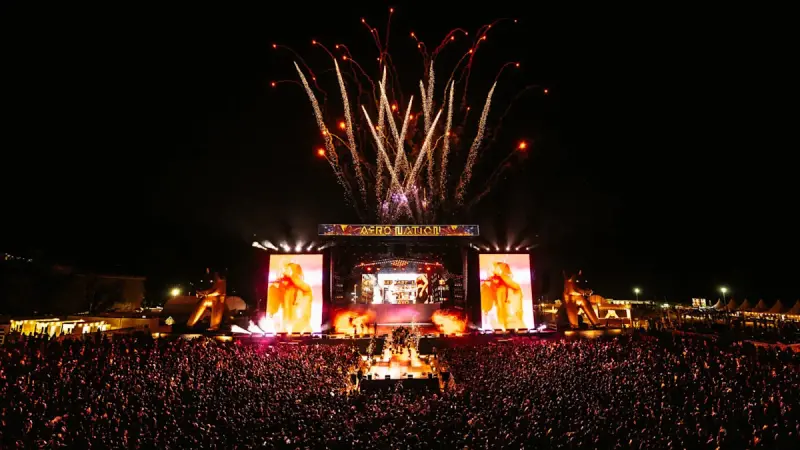
🔥 Afro Nation Portugal 2026: The Essential First-Timer’s Guide to the World’s Biggest Afrobeats Festival
Get the ultimate first-timer's guide to Afro Nation Portugal 2026 – the world's largest Afrobeats festival. Dates, tickets, travel tips, and what to expect in Portimão this July.
 👁️ 149 views
🔥 The Great Festival Cancellation of 2024: Why So Many Music Events Are Biting the Dust
Discover why over 60 music festivals canceled in 2024 alone—from rising costs and streaming algorithms to Gen Z's changing habits. Inside the festival recession.








Details
Send Us an Enquiry
We'll get back to you as soon as possible.
Thank You!
Your enquiry has been submitted. We'll be in touch shortly.