
Why We Can't Stop Going to Stadium Concerts: The Neuroscience, History, and Economics of Live Music's Biggest Spectacles
 Previous

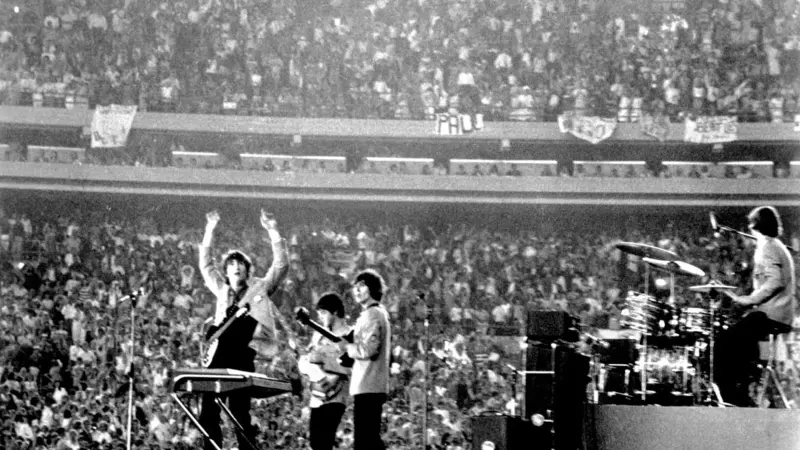
Sixty years ago, The Beatles stepped onto a baseball diamond at Shea Stadium and changed live music forever. What began as a desperate solution to accommodate screaming fans has become the gold standard of pop culture: the modern stadium tour. Today, these sprawling events are more than concerts—they are cultural juggernauts, economic engines, and, as researchers have discovered, full-blown neuroscientific experiments in mass synchronization. The question is not whether we love them, but why.
The Birth of the Stadium Concert
On August 15, 1965, The Beatles performed at Shea Stadium in New York, drawing 55,600 fans—then a record for a live music event. The show was chaotic: the band could barely hear themselves over the roar of the crowd, and the sound system was woefully inadequate. Yet it set the stage for a revolution. In the decades that followed, artists like U2, Madonna, and Michael Jackson took the model global, turning stadium shows into multi-generational, cross-cultural phenomena.
By the 1980s and '90s, stadium tours had evolved from novelty acts into full-scale productions. Pink Floyd's The Wall Tour in 1980 introduced elaborate sets and theatrical storytelling. U2's Zoo TV Tour in 1992 brought massive video screens that transformed the stage into a digital playground. These pioneers proved that stadium concerts could be both intimate and epic—a paradox that still defines the format.
Fandom in the Digital Age
Fandom itself has been reshaped by technology. In 1965, fans relied on radio and magazines to connect with their idols. Today, communities form on TikTok, Discord, and Instagram, where enthusiasts share theories, decode Easter eggs, and coordinate ticket-buying strategies months in advance. The shift from passive consumption to active participation has turned concerts into global events that transcend geography and generations.
- Global reach: Acts like BLACKPINK and Bad Bunny now play to stadium audiences worldwide, reflecting the multicultural appeal of contemporary music.
- Multi-generational attendance: Three generations of families often attend shows together, from Bruce Springsteen to Paul McCartney to Olivia Rodrigo.
- Community rituals: Friendship bracelet swaps, inspired by Taylor Swift's You're on Your Own, Kid, have become a staple of stadium shows, turning strangers into momentary friends.
The Soaring Cost of Belonging
But this evolution comes with a price. In 1965, a ticket to see The Beatles at Shea cost $5.10. For Taylor Swift's Eras Tour, face-value tickets ranged from $49 to $449, while resale prices hit $20,000 on StubHub. The economic barrier has never been higher. One fan recounts traveling from Montreal to Lisbon, Portugal, because the total cost of that trip ($6,000 CAD) was cheaper than nearby U.S. cities.
Economists argue that high prices reflect simple supply and demand. Sociologists warn that they deepen cultural divides, turning live music into a privilege of the wealthy. Yet stadiums continue to sell out in minutes. What drives this willingness to pay such a premium?
The Neuroscience of Mass Synchronization
For 30 years, researchers have studied why music moves us—literally and figuratively. Brain scans show that listening to the same piece of music synchronizes people's brainwaves. Live concerts amplify this effect. The dynamic relationship between audience and performer triggers stronger emotional responses than recorded music, engaging sensory and emotional systems simultaneously.
- Pleasure and reward: Music activates the brain's reward centers, releasing natural opioids that produce euphoria and chills.
- Social bonding: Live music increases oxytocin, a bonding hormone, enhancing our sense of connection.
- Motor coordination: Clapping, swaying, and singing in sync engage neural circuits for empathy and social prediction—literally putting us on the same wavelength.
This biological wiring explains why the friendship bracelet trend is more than a gimmick. It's a tactile ritual that transforms a crowd of thousands into an intimate community, satisfying our deep-seated need to belong. In an era of digital isolation, these moments of physical connection feel more vital than ever.
The Spectacle Factor: How Technology Redefined the Show
Today's stadium concerts are as much about visual awe as about music. The Beatles' simple setup has given way to robotic stages, LED wristbands, and high-fashion couture. Taylor Swift's Eras Tour featured 70,000 pulsing wristbands and sets that transformed from a snake pit to a fairy-tale forest. Beyoncé's Renaissance Tour incorporated cutting-edge robotics and custom Balmain costumes.
Yet some argue that the pursuit of grandeur has diluted raw, unfiltered magic. A 2012 Outlaws Roadshow tour left one reviewer feeling that the lights and lasers overshadowed the music itself. The tension between spectacle and intimacy remains a defining challenge for the industry.
What the Future Holds for Stadium Concerts
As technology continues to evolve—from augmented reality to AI-generated visuals—the stadium concert will only become more immersive. But the core appeal will remain unchanged. Music is a biological necessity, wired into our brains to shape how we think, feel, and connect. Whether around a Neanderthal campfire or in a packed stadium, the desire to synchronize our emotions and movements with others is fundamental to being human. The stadium concert is not just a show—it's a collective ritual, a moment when thousands of strangers become one. And as long as we crave that connection, the stadium will remain its greatest stage.
Disclaimer - All celebrity-related content, information, and images on this website are based on publicly available online sources and AI-generated insights/data. Information such as biography, age, career, personal details, and images may change without notice over time. While we strive for accuracy, we do not guarantee the accuracy, completeness, reliability, or timeliness of any information or imagery displayed on this website. This content is provided for general informational purposes only.
Top Trending News of Music Events
 👁️ 182 views
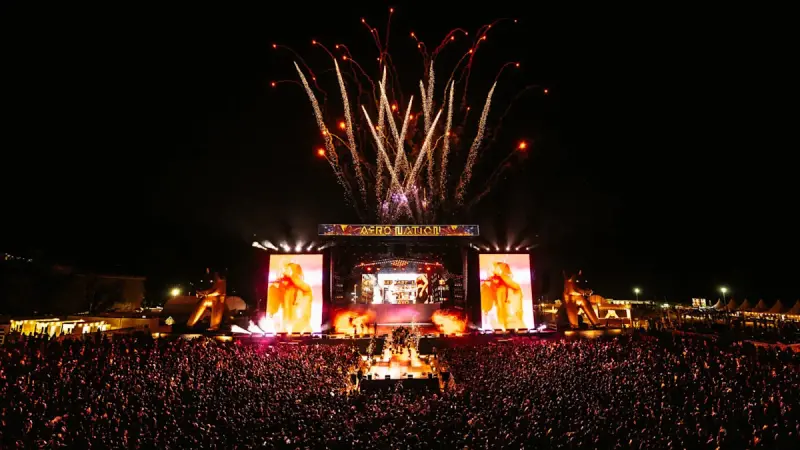
🔥 Afro Nation Portugal 2026: The Essential First-Timer’s Guide to the World’s Biggest Afrobeats Festival
Get the ultimate first-timer's guide to Afro Nation Portugal 2026 – the world's largest Afrobeats festival. Dates, tickets, travel tips, and what to expect in Portimão this July.
 👁️ 149 views
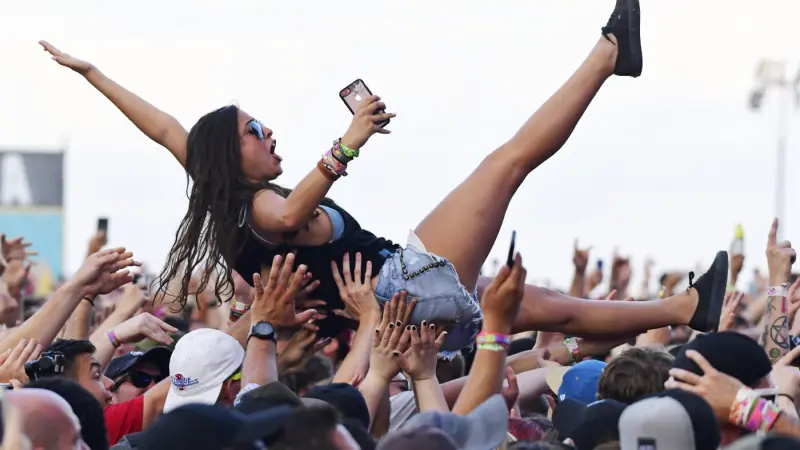
🔥 The Great Festival Cancellation of 2024: Why So Many Music Events Are Biting the Dust
Discover why over 60 music festivals canceled in 2024 alone—from rising costs and streaming algorithms to Gen Z's changing habits. Inside the festival recession.

Details
Send Us an Enquiry
We'll get back to you as soon as possible.
Thank You!
Your enquiry has been submitted. We'll be in touch shortly.